 8 Min Read
 11/03/2026
Your home’s exterior works hard every day in Florida. Between blazing sun, afternoon storms, and the occasional tropical system, your siding takes a beating most homeowners never notice until something looks wrong. Knowing when siding replacement makes more sense than another patch job can save you money and protect your home’s structure. If you’re already spotting trouble, our team provides professional siding and stucco replacement built to handle the Gulf Coast climate.
In this guide, we’ll cover:
- Weather wear: How Florida’s climate breaks down exterior siding over time.
- Warning signs: Seven clues your siding is ready to retire.
- Repair versus replacement: How to decide which makes more sense.
- Material options: A comparison of popular siding choices for Florida homes.
- Common questions: Answers to what homeowners ask us most.
How Florida Weather Wears Down Exterior Siding
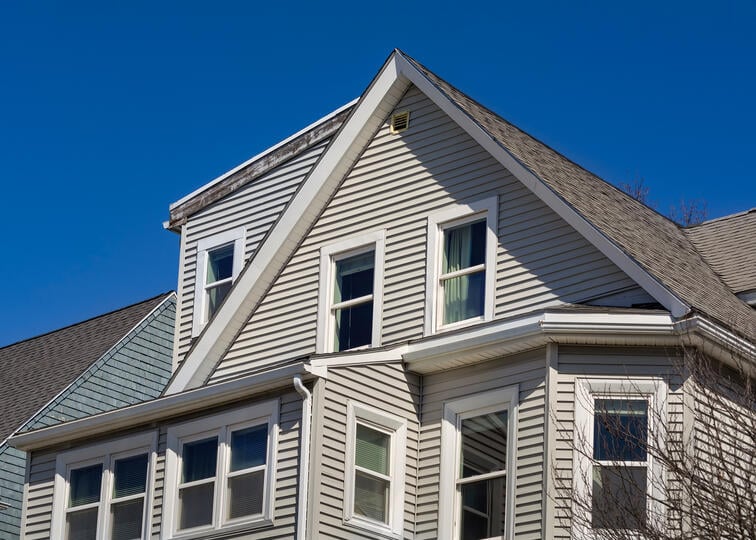
Siding is your home’s first line of defense against water, heat, and pests, and it rarely fails all at once. Instead, siding damage builds slowly year after year. In the Tampa Bay area, a few regional conditions speed that process along:
- Intense UV exposure: Year round sunshine fades color and makes vinyl siding and painted surfaces brittle over time.
- High humidity: Constant moisture in the air encourages mold, mildew, and rot on and behind your siding.
- Summer storms: Afternoon downpours and wind driven rain test every seam and caulk line.
- Hurricane season: High winds and flying debris can crack, loosen, or strip panels in a single event.
Homeowners in Brandon deal with all four of these stresses, which is why regular exterior checkups matter so much.
7 Signs It’s Time for Siding Replacement
Some siding problems are cosmetic, but others mean damage is already reaching the wall behind it. If you spot several of these signs at once, it’s usually time to replace siding rather than keep patching it.
- Cracks and holes: Small cracks let water slip behind the siding, and holes often signal impact damage or pests.
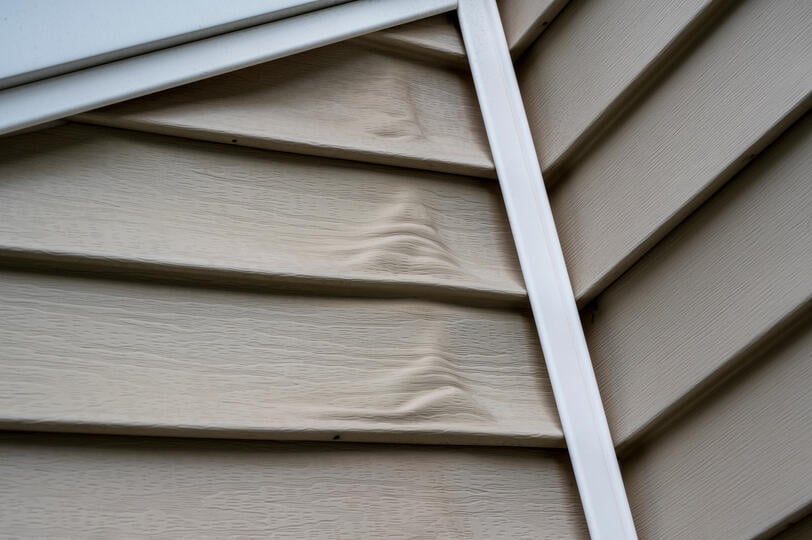
- Warping or buckling: Panels that bulge, ripple, or pull away from the wall usually mean moisture damage or poor siding installation that a patch won’t fix.
- Rot or soft spots: If suspicious areas feel spongy when you press on them, rot has likely spread into the siding or sheathing.
- Recurring mold or mildew: Some surface growth is normal in Florida, but growth that keeps coming back near seams can point to trapped moisture.
- Severe fading or chalking: Uneven color or a powdery residue on your hand means the protective finish has broken down.
- Interior paint problems: Peeling paint or loose wallpaper on exterior walls can mean water is getting past the siding and into the wall cavity.
- Rising energy bills: Damaged or poorly sealed siding lets hot air in, forcing your AC to work harder through long Florida summers.
Should You Repair or Replace Your Siding?
Not every problem calls for a full tear off, and siding repair is sometimes all you need. A good siding contractor will weigh the age of your exterior, how widespread the damage is, and whether matching pieces are still available.
- Isolated damage: A few cracked boards or a small storm hit can often be repaired without touching the rest of the wall.
- Newer siding: If your exterior is only a few years old and otherwise healthy, targeted repairs can extend its life.
- Widespread damage: Problems on several sides of the house usually make replacement more cost effective.
- Aging material: Siding near the end of its expected lifespan tends to fail in one spot after another.
- Hidden moisture: Rot in the sheathing means the siding has to come off anyway, so replacing it saves on labor.
Comparing Siding Materials for Florida Homes
If replacement is on the table, choosing the right material is your next big decision. Each option handles heat, moisture, and wind differently, so weigh durability against upkeep before you commit.
| Material | Typical Lifespan | Florida Performance | Maintenance Level |
| Stucco | 50 years or more | Classic Florida look that handles heat well when properly sealed | Moderate |
| Fiber cement | 30 to 50 years | Resists rot, insects, and fire while holding up well in high winds | Low to moderate |
| Vinyl | 20 to 40 years | Affordable and moisture resistant, but can fade or warp in extreme heat | Low |
| Engineered wood | 20 to 30 years | Lighter and more affordable than fiber cement, with treated protection against moisture | Moderate |
| Wood siding | 20 to 30 years | Beautiful but vulnerable to rot and termites in humid climates | High |
For many homeowners in our area, stucco and fiber cement siding offer the best balance of storm resistance and long term value.
Planning Your Siding Replacement Project
A little preparation goes a long way toward a smooth siding project. Start with a professional inspection so you know exactly what’s happening behind the panels, then ask about material samples, timelines, and warranty coverage before signing anything. You should also confirm who will pull the permit for siding replacement, since many local governments require one for exterior work. Florida’s drier winter months are a popular time for exterior work, since fewer storms mean fewer delays.
Your home’s age matters too. For houses built before 1978, the EPA requires firms that disturb more than 20 square feet of exterior paint to be certified and follow lead safe work practices, so be sure to ask about this before work begins on an older home.
We’re proud to help home and business owners in Brandon, FL, and the surrounding communities with siding replacement, stucco, roofing, and more.
Frequently Asked Questions About Siding Replacement
Siding replacement is a big investment, so it’s natural to have questions before you get started. Here are answers to a few we hear often from homeowners across the Tampa Bay area.
How much does it cost to replace siding?
The average siding replacement cost depends on your home’s size, the material you choose, and how much repair work is needed underneath. Most contractors calculate siding costs per square foot, so larger homes and multistory walls cost more. Between vinyl and fiber cement, vinyl is usually the more budget friendly choice, while fiber cement can cost more upfront but often lasts much longer. Ask for a written quote with a fair price breakdown of materials, labor cost, and removal so you can compare options clearly.
How long does siding replacement take?
Most residential siding replacement projects take anywhere from a few days to two weeks. The timeline depends on the size of your home, the material you choose, and whether crews uncover hidden damage once the old siding comes off. Stucco can take longer because each coat needs time to cure. Heavy Florida rain can also pause exterior work, so a good contractor will give you a realistic schedule right from the start.
Does new siding increase home value?
Yes, updated house siding can boost both curb appeal and resale value. Buyers notice the exterior first, and a fresh facade signals that the home has been well cared for. Modern siding materials also tend to improve energy efficiency and reduce maintenance, which are both strong selling points. If you plan to sell soon, a durable and neutral option like fiber cement or freshly finished stucco appeals to the widest range of buyers.
Can you replace siding on just one side of the house?
You can, and partial replacement is common after storm damage affects a single wall. The biggest challenge is matching color and texture, especially if your existing siding has faded or the original product is discontinued. Some homeowners replace an entire elevation so the difference is less noticeable. A reputable contractor will walk you through your matching options and tell you honestly whether a partial job will blend in or stand out.
Will homeowners insurance cover siding replacement?
Insurance may cover siding damage caused by a sudden event like a hurricane, windstorm, or falling tree, depending on your policy and deductible. Most policies don’t cover gradual wear and tear, fading, or rot that develops over time. If storm or hurricane damage has affected your exterior, document everything with photos and contact your insurer promptly. A detailed inspection report from a contractor can also help support your claim and speed things along.
Give Your Home a Fresh Start With Shingle Masters
When your siding starts showing its age, waiting usually means more damage and higher costs. At Shingle Masters Roofing & Construction, our family owned team has spent more than 20 years protecting Tampa Bay homes from everything Florida weather throws at them. We’ll inspect your exterior, explain what we find in plain language, and help you choose a siding solution that fits your home and budget.
Whether you live in Brandon or a nearby community, our crews treat your property like their own. Plenty of homeowners gather free estimates from top rated siding contractors before deciding, and we’d love to be on your list. Ready to see what new siding could do for your home? Request your free estimate today and let the Masters take it from here.