 8 Min Read
 05/11/2026
Gutter replacement is an important part of protecting your home from water damage. Gutters are designed to direct rainwater away from your entire roof, siding, and foundation, but over time they can wear out or become less effective. Homeowners in Carrollwood and throughout the Tampa Bay area should know when to replace your gutters to help prevent costly repairs and long term structural issues.
In this guide, we will cover the most common signs that indicate it may be time for new gutters.
- Visible damage: Cracks, rust, or sagging gutters
- Water issues: Overflow or pooling around the home
- Aging system: Gutters reaching the end of their lifespan
- Performance problems: Improper drainage or frequent clogs
Why Gutter Replacement Matters
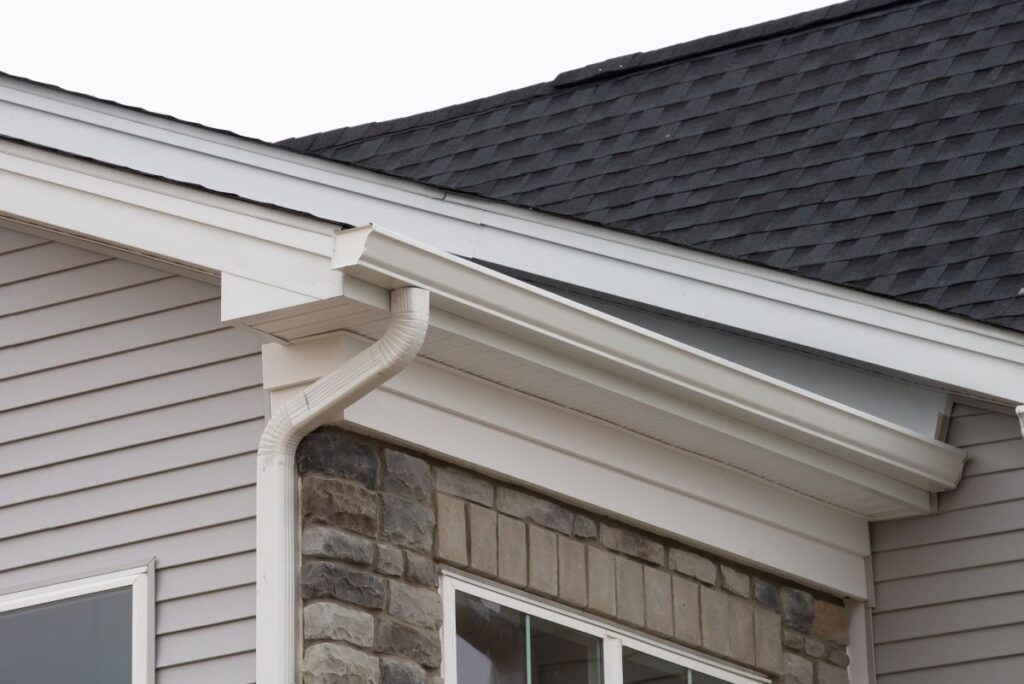
Gutters play a critical role in managing rainwater and protecting your home. When they fail, water can collect around the foundation, damage landscaping, and even affect the entire roof system and roof edges. Replacing gutters at the right time helps maintain proper drainage and supports long term home improvement goals.
Well functioning gutters also reduce the risk of moisture issues that can impact siding, fascia boards, and even interior spaces. Regular maintenance, timely gutter repair, and full replacement when needed help preserve your home’s overall condition.
- Foundation protection: Prevents water from pooling near the base of your home
- Roof protection: Helps prevent water from backing up under shingles
- Siding protection: Reduces staining and moisture damage
- Long term savings: Avoids more expensive repairs later
7 Signs Your Home Needs Gutter Replacement
Recognizing the warning signs early can help you replace your gutters before serious damage occurs. If you notice several of the following, it may be time to consider gutter replacement.
1. Cracks or Splits
Small cracks may not seem like a big issue at first, but they can grow over time. Even minor splits can allow water to escape and damage surrounding areas of your home.
- Visible cracks: Breaks along the gutter sections
- Water leakage: Dripping during rainfall
- Progressive damage: Worsens over time
2. Sagging or Pulling Away
Sagging gutters are a clear sign that your system is no longer functioning properly. This can be caused by loose fasteners, excess weight, or general wear over time.
- Uneven alignment: Sections no longer level
- Loose brackets: Gutters separating from fascia
- Drainage issues: Water not flowing correctly
3. Frequent Clogging
If your gutters clog regularly despite gutter cleaning, it may be a sign that they are no longer working efficiently. Debris buildup can prevent proper water flow and lead to overflow during storms.
- Overflow during rain: Water spilling over edges
- Debris accumulation: Leaves and dirt collecting quickly
- Maintenance issues: Requires constant cleaning
4. Rust or Corrosion
Metal gutters can develop rust over time, especially in areas with frequent rain. Corrosion weakens the material and can lead to holes or structural failure.
- Rust spots: Visible discoloration
- Material weakening: Reduced durability
- Potential leaks: Increased risk of damage
5. Water Pooling Around the Foundation
If you notice water collecting near the base of your home, your gutters may not be directing water away properly. Downspouts may also be improperly positioned or clogged. According to the U.S. Department of Energy, downspouts should terminate at least 5 feet from the foundation, or 10 feet when connected to an underground drainage system — a clear standard that shows just how critical proper gutter drainage is for protecting your home’s structural integrity.
- Standing water: Around the home’s perimeter
- Soil erosion: Washing away landscaping
- Foundation risk: Increased chance of cracks
6. Peeling Paint or Water Stains
Exterior paint or siding that shows signs of water damage may indicate gutter failure. Water spilling over or leaking can affect both appearance and structure.
- Peeling paint: On siding or trim
- Water stains: Discoloration on exterior walls
- Moisture exposure: Ongoing water contact
7. Aging Gutters
Like any part of your home, gutters have a lifespan. Older systems are more likely to fail and may no longer perform efficiently.
- 15–20 years old: Common lifespan for many systems
- Worn appearance: Fading or deterioration
- Frequent repairs: Ongoing need for gutter repair
We’re proud to serve home and business owners in Land O’ Lakes, Tampa, and nearby communities with gutter replacement guidance and more.
Types of Gutters to Consider
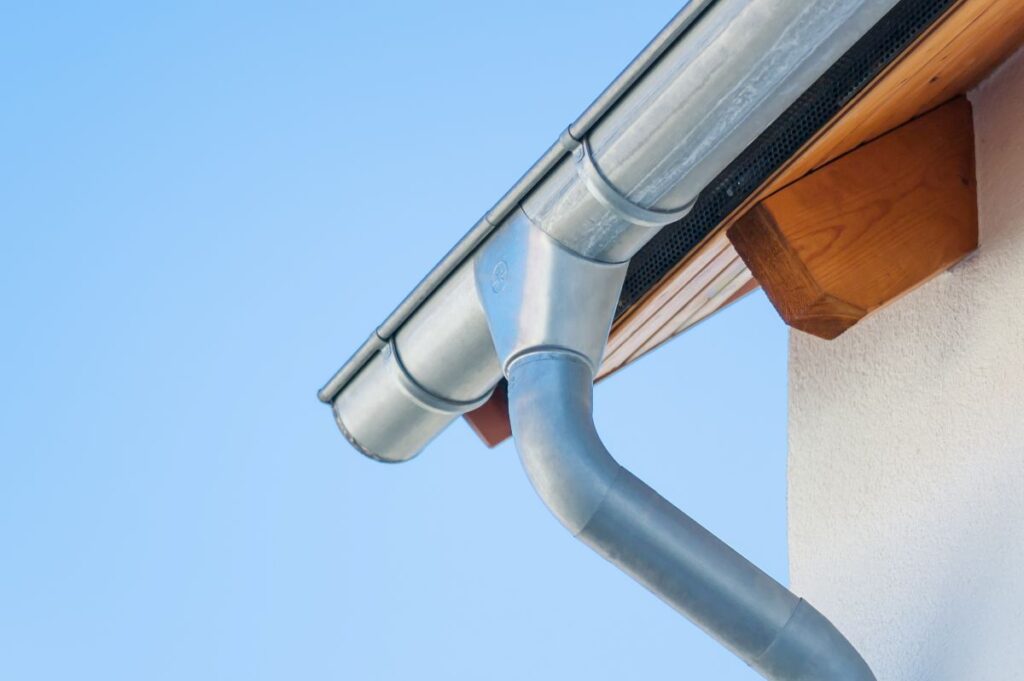
When planning a gutter installation, it is important to understand the different types of systems available. The right choice depends on your home’s design, budget, and long term maintenance preferences.
- Sectional gutters: Installed in pieces and more budget friendly, but prone to leaks at seams
- Seamless gutters: Custom fit to your home with fewer joints, reducing the risk of leaks
- K-style gutters: Popular residential option with higher water capacity and durability
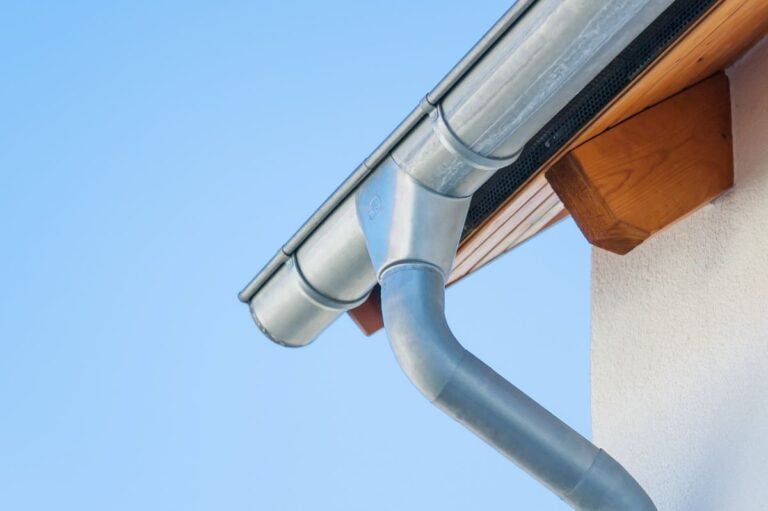
- Half round gutters: Traditional design often used for older or historic homes
Choosing the right gutter system plays a major role in long term performance and ease of maintenance. A professional gutter company can help you determine the best fit for your home.
Gutter Materials and Their Benefits
Gutters come in a variety of materials, each offering different levels of durability and performance. Selecting the right material plays a key role in how long your new gutters will last.
- Aluminum: Lightweight, rust resistant, and widely used
- Vinyl: Affordable and easy to install, often used in DIY projects
- Steel: Strong and durable but may rust over time
- Copper gutter: Premium option with long lifespan and distinctive appearance
Material selection impacts both upfront cost and long term durability, especially in areas with heavy rain or humidity.
How Much Does Gutter Replacement Cost?
Gutter replacement costs can vary depending on the size of your home, the materials used, and the complexity of the installation. Most projects are priced based on linear feet.
| Cost Factor | Impact on Pricing |
| Home size | Larger homes require more materials |
| Gutter type | Seamless systems cost more |
| Material choice | Premium materials increase cost |
| Labor complexity | Multi story homes increase difficulty |
Proper installation is key to getting the most value from your investment and preventing future issues along roof edges and drainage points.
Gutter Replacement vs Repair
Homeowners often wonder whether they should repair or replace their gutters. The decision depends on the extent of the damage and the condition of the system.
| Condition | Recommended Solution |
| Minor leaks or isolated damage | Repair |
| Frequent clogs or sagging gutters | Replacement |
| Rust and widespread damage | Replacement |
| Aging system | Replacement |
In many cases, replacement is the better long term solution compared to repeated gutter repair.
What to Expect During Gutter Replacement
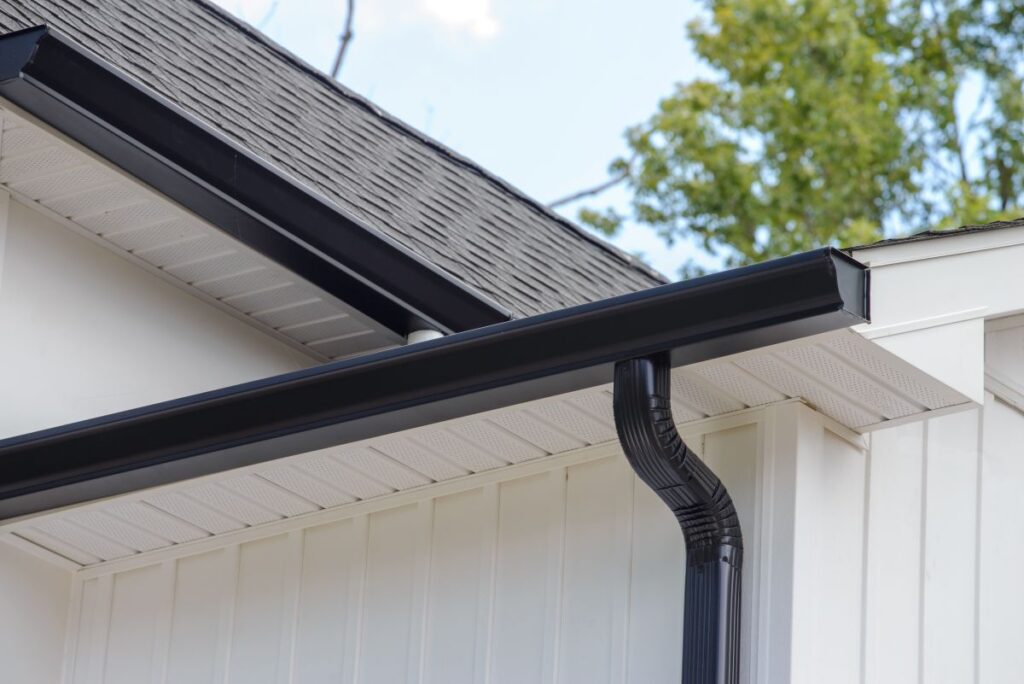
Understanding the replacement process can help homeowners feel more prepared. Professional gutter installation ensures your new system functions properly, protects roof edges, and lasts longer with proper installation techniques. Working with an experienced gutter company also helps ensure everything is installed correctly. Scheduling a roof inspection alongside your gutter replacement is a smart way to evaluate the full condition of your roofing system at the same time.
Inspection and Measurement
The process begins with evaluating your current system and measuring your home. Contractors calculate the total linear footage of the roof and include the distance from each roof corner to the ground for downspouts to ensure accurate sizing. This step helps determine how many feet of gutters are needed and whether gutter repair or replacement is necessary.
Removing Old Gutters
Existing gutters are carefully removed to prepare for installation. This step also allows contractors to inspect fascia boards and roof edges for damage and make any necessary repairs before installing the new system.
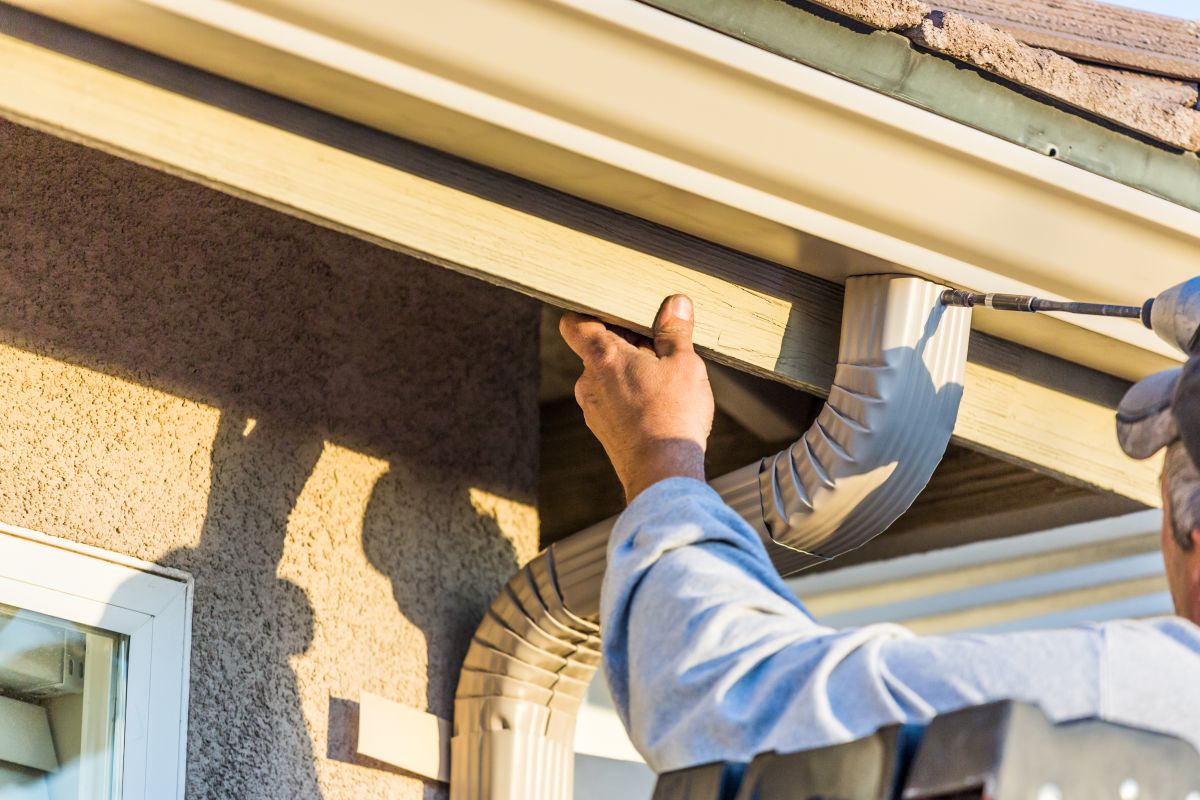
Installing New Gutters
New gutters are installed with proper slope and secure fastening to ensure efficient water flow. Seamless gutters are often custom cut on site, which reduces the risk of leaks at joints compared to sectional systems. High quality sealant is applied to ensure durability, especially when installing premium systems like a copper gutter.
Final Inspection
The system is checked to confirm alignment, drainage, and overall performance. Contractors may also recommend gutter protection solutions such as guards to reduce debris buildup and improve long term performance. This final step ensures everything is working as intended.
Benefits of Gutter Replacement
Replacing your gutters offers several important benefits beyond fixing visible issues. It helps protect your home and improves overall performance.
- Improved drainage: Directs water away effectively
- Reduced maintenance: New systems require less upkeep
- Better protection: Prevents water damage
- Enhanced appearance: Improves curb appeal
Protect Your Home With Shingle Masters
Gutter replacement is an essential part of maintaining your home’s exterior. Addressing issues early helps prevent water damage and keeps your property in strong condition.
Shingle Masters is a trusted company that works with homeowners to evaluate gutter systems and provide reliable solutions. Whether you need gutter repair or a full replacement, our team is here to help with expert guidance and gutter protection options.
Contact Shingle Masters today to schedule an inspection and keep your home protected year round. We proudly serve homeowners in Bradenton and across the Tampa Bay area.