 7 Min Read
 11/12/2026
If your home still has aging hardboard siding or worn out vinyl panels, you’ve probably started comparing replacement options. Two siding products come up again and again: Hardie board, the popular fiber cement product from James Hardie, and vinyl siding. Both can look great and protect your home, but they perform very differently in heat, humidity, and hurricane season. Before you choose, it helps to see how they stack up side by side, and our team is always happy to walk you through our siding and stucco replacement options in person.
In this guide, we’ll cover:
- Material basics: What Hardie board, vinyl, and hardboard siding actually are.
- Key differences: Six ways these materials compare in real world conditions.
- Quick comparison: A side by side table of cost, lifespan, and upkeep.
- Choosing wisely: How to decide which material fits your home and budget.
- Common questions: Answers to what homeowners ask us most about these options.
Hardie Board, Vinyl, and Hardboard Siding Explained
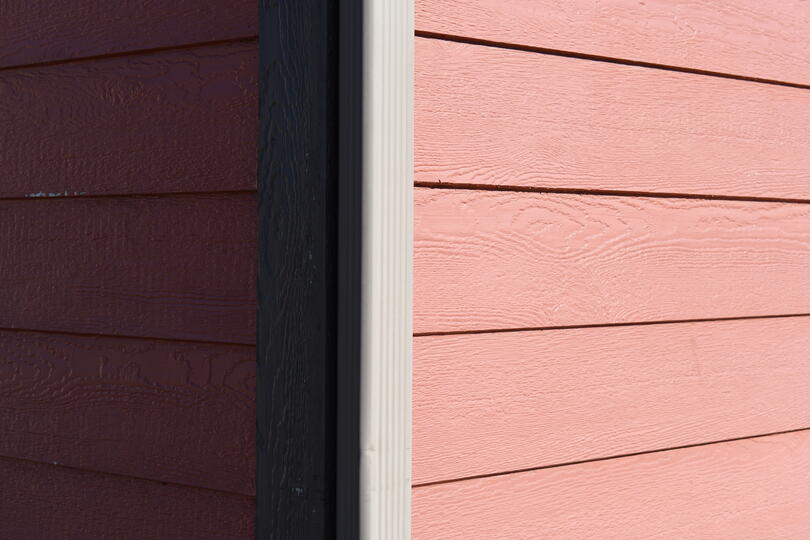
These three names sound alike, so it’s easy to mix them up when you’re researching online. Here’s a quick breakdown of what each one is:
- Hardie board: A brand of fiber cement siding made from cement, ground sand, and cellulose fibers, often installed as clapboard siding with a realistic wood grain appearance.
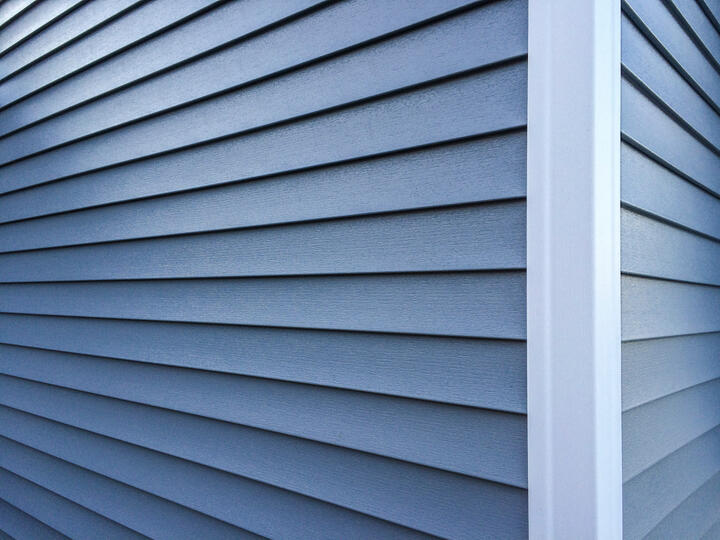
- Vinyl siding: Lightweight PVC panels that come in a wide range of colors and styles at an affordable price.
- Hardboard siding: An older product made from compressed wood fibers, wood chips, and resin, often found on homes built in the 1980s and 1990s.
Many homeowners searching for hardboard siding are actually looking for Hardie board, but the two are very different. Hardboard siding products, including those made by Masonite Corporation, behave more like wood siding than fiber cement. They can swell, soften, and rot once moisture gets in, especially when improper installation leaves edges unsealed, which is why so many Tampa Bay homeowners are replacing them today.
6 Differences Homeowners Should Know
Hardie board and vinyl can both be excellent choices when installed correctly. The right fit depends on which of these differences matters most to you.
- Durability: Fiber cement is thick and rigid, so it resists dents, cracks, and impact damage better than vinyl, which can crack from flying debris or a stray baseball.
- Heat performance: Vinyl can warp or sag under extreme heat, including sunlight reflected off nearby windows, while fiber cement holds its shape in high temperatures.
- Moisture and pest resistance: Both materials resist rot and termites far better than wood or hardboard siding, which makes either one a big upgrade in humid climates.
- Fire resistance: Fiber cement is noncombustible, while vinyl can melt or burn when exposed to high heat from a grill, landscaping fire, or nearby structure.
- Maintenance: Vinyl never needs painting and cleans up with a garden hose, while fiber cement usually needs fresh paint every 10 to 15 years to keep it looking its best.
- Cost and installation: Vinyl is lighter, faster to install, and less expensive upfront, while fiber cement requires specialized tools and more labor, which raises the total price.
Side by Side Comparison
Seeing the numbers together makes the tradeoffs easier to understand. The ranges below are typical installed estimates and can vary based on your home’s size, design, and the specific product line you choose.
| Feature | Hardie Board (Fiber Cement) | Vinyl Siding |
| Typical installed cost per square foot | $6 to $14 | $3 to $12 |
| Expected lifespan | 30 to 50 years | 20 to 40 years |
| Heat resistance | Excellent | Fair to good |
| Impact resistance | High | Moderate |
| Fire resistance | Noncombustible | Can melt or burn |
| Maintenance | Repaint every 10 to 15 years | Occasional washing |
| Installation | Heavier and more labor intensive | Lighter and faster |
Which Siding Is Right for Your Home?
Both materials have earned their popularity. According to the National Association of Home Builders, vinyl was the principal exterior material on 27.7 percent of new single family homes started in 2025, with fiber cement close behind at 22.6 percent. That close race reflects real strengths on both sides, and your best choice comes down to your priorities:
- Choose Hardie board if: You want maximum durability, strong storm and fire resistance, and a premium look that holds up for decades.
- Choose vinyl siding if: You want an affordable, low maintenance exterior with plenty of color options and a quicker installation.
- Replace hardboard soon if: You see swelling, soft spots, or peeling edges, since damaged hardboard can let water reach the walls behind it.
Coastal homes deserve extra thought. In Apollo Beach, salt air, strong waterfront winds, and intense sun can all shorten the life of weaker materials, which is why many homeowners near the bay lean toward fiber cement. We’re proud to serve home and business owners in Apollo Beach, FL, and nearby communities with siding replacement, stucco, roofing, and more.
Frequently Asked Questions About Hardie Board and Vinyl Siding
Choosing between these materials raises plenty of practical questions. Here are answers to a few that come up most often during our consultations.
Is Hardie board worth the extra cost?
For many homeowners, yes. Hardie board costs more upfront than vinyl, but it typically lasts longer, stands up better to heat and impact, and adds a premium look that buyers notice. If you plan to stay in your home for many years or live in an area exposed to strong storms, the added durability can make the higher price worthwhile. If budget is your top concern, quality vinyl can still be a smart choice when installed correctly.
Does vinyl siding hold up in hurricanes?
Quality vinyl siding can perform well in high winds when it’s rated for your area and installed with the right fastening methods. The bigger concern is flying debris, which can crack or puncture thinner vinyl panels during a major storm. Choosing a thicker, higher grade vinyl product and working with an experienced installer makes a big difference. Fiber cement generally offers stronger impact resistance, which is why many coastal homeowners prefer it.
How can I tell if my home has hardboard siding?
Hardboard siding often has a smooth or lightly embossed wood grain look and feels lighter than fiber cement. Check the bottom edges of the boards and areas near the ground, since hardboard tends to swell, flake, or soften there first. You may also find a manufacturer stamp on the back of a loose board. If you’re unsure, a siding professional can identify the material during a quick inspection and let you know whether replacement makes sense.
Can you paint vinyl siding or Hardie board?
Yes, both can be painted, but they behave differently. Hardie board is designed to hold paint well and is often repainted to refresh its color or change the look of a home. Vinyl can be painted with special vinyl safe paints, but choosing a color darker than the original can cause the panels to absorb more heat and warp. If you want flexibility to change colors over time, fiber cement gives you more options.
Find Your Perfect Siding Match With Shingle Masters
Choosing between Hardie board and vinyl is easier when you have an experienced team in your corner. At Shingle Masters Roofing & Construction, our family owned company has spent more than 20 years helping Tampa Bay homeowners pick exterior materials that fit their homes, budgets, and the demands of Gulf Coast weather. We’ll explain the pros and cons honestly, show you real product samples, and give you a clear quote with no surprises.
Whether you’re in Apollo Beach or a nearby community, we’re ready to help you replace tired hardboard or outdated vinyl with siding that lasts. Request your free estimate today and let’s find the right fit for your home.