
 13 Min Read
 09/10/2026
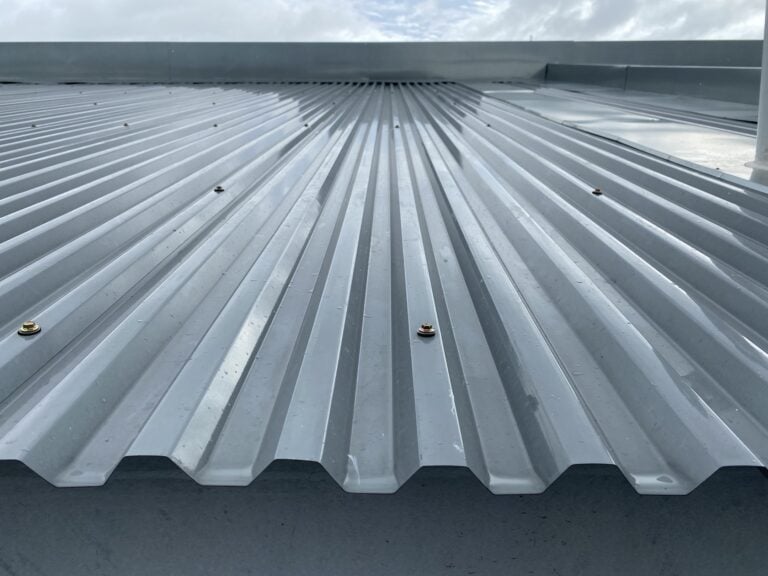
Is a metal roof noisy during rain, storms, or everyday Florida weather? It’s one of the most common concerns homeowners have when considering metal roofing. The idea usually comes from the loud sound associated with rain hitting exposed metal on a barn roof, shed, or other structure without the same roof assembly found on a finished home.
A residential metal roof is different. The roof deck, underlayment, insulation, attic space, ceilings, and other building materials help control the amount of sound that reaches the living space. If you’re considering making the switch, discover modern metal roofing and how the complete system works together.
- Rainfall: Rain hitting a residential metal roof generally produces more of a rumbling sound than the sharp, tinny noise many homeowners imagine.
- Roof assembly: Decking, underlayment, insulation, and interior ceilings create multiple layers between the metal roofing panels and your living space.
- Sound control: Sound-dampening underlayment and insulation can further minimize rain noise from a metal roofing system.
- Installation matters: How the metal roofing is installed can have a major influence on how much exterior sound reaches the interior.
Why Do People Think Metal Roofs Are Noisy?

The reputation largely comes from experiences with exposed metal roofing. Think about standing inside an old barn, detached shed, warehouse, or pavilion during heavy rain. Open framing with little beneath the metal roofing panels to absorb vibration can make every drop seem considerably louder.
Residential construction is different because the metal isn’t normally the only roofing material separating the weather from the rooms below. A complete roof assembly includes several layers that can absorb or reduce sound transmission.
That distinction is important when homeowners ask whether metal roofing will turn every Florida thunderstorm into a noisy event inside the house.
8 Factors That Determine How Loud a Metal Roof Is
There isn’t a single noise level that applies to most metal roofs. Roof construction, insulation, underlayment, installation, weather conditions, and the building itself can all affect what you hear indoors.
1. The Roof Deck
The roof deck provides a structural surface beneath many residential metal roofing systems. Because the panels aren’t simply suspended over open framing, the decking changes how sound and vibration travel through the roof assembly.
- Solid support: A solid roof deck creates a substantial layer beneath the exterior metal panels rather than leaving them exposed over an open structure.
- Sound transmission: A complete roof assembly behaves differently from exposed sheet metal installed on a barn roof or similar building.
- Roof construction: The type and condition of the roof deck can influence how the finished roofing system performs.
- Residential difference: This is one reason comparing a house with a metal barn or shed can create misleading expectations about noise.
2. Roofing Underlayment
Underlayment sits between the metal roofing material and roof deck, adding another layer to the assembly. While its primary functions extend beyond acoustics, certain underlayment products can also help reduce sound transmission.
Sound-dampening underlayment can be particularly useful when creating a quiet roof is a priority for the homeowner.
- Additional layer: Underlayment creates separation between the exterior metal and the structural roof deck.
- Sound control: Certain materials can help dampen vibration and reduce the amount of rain noise transmitted through the assembly.
- Weather protection: Underlayment also serves an important protective role beneath the finished roofing material.
- System design: The appropriate underlayment depends on the particular metal roofing system and installation requirements.
3. Attic Insulation
Insulation doesn’t only affect a home’s thermal performance. It can also absorb sound moving through the roof and attic assembly before that sound reaches the rooms below.
A well-insulated attic can therefore make the experience of rain hitting a metal roof considerably different from standing beneath exposed sheet metal.
- Sound absorption: Insulation can reduce the transmission of exterior noise into occupied areas.
- Attic separation: The attic creates additional physical distance between the roofing surface and living spaces.
- Insulation levels: Homes with limited insulation may experience sound differently from homes with a properly insulated attic.
- Complete assembly: Insulation works alongside decking, underlayment, ceilings, and other materials rather than acting alone.
4. Ceiling Construction
Before rain noise reaches a bedroom, kitchen, or living room, it may have to travel through the metal roofing panels, underlayment, decking, attic, insulation, and finished ceiling. Each layer changes how much sound ultimately reaches the occupants.
- Drywall ceilings: Interior ceiling materials create another barrier between the roof and living area.
- Multiple layers: Each component of the complete roof assembly can reduce or alter sound transmission.
- Vaulted ceilings: Homes without a large attic cavity may have different acoustic characteristics.
- Construction differences: Two homes with identical metal panels can sound different because the assemblies beneath them aren’t identical.
5. Type of Metal Roofing
Metal roofing isn’t one single product. Standing seam systems, exposed-fastener systems, metal shingles, steel, and aluminum can differ in profile, thickness, fastening method, and installation.
These differences can influence how a roof responds to rain and other impacts, although the complete assembly beneath the metal remains an important part of the equation.
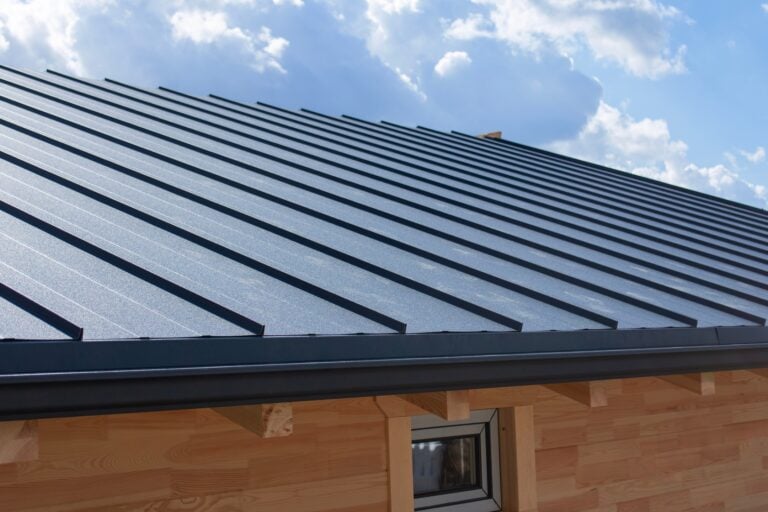
- Standing seam: These systems use raised seams and concealed fastening methods to create a distinctive metal roof profile.
- Exposed-fastener panels: Their installation method and panel profiles differ from standing seam roofing.
- Metal shingles: Smaller individual sections create a different roofing configuration than long metal roofing panels.
- Roofing material: Steel and aluminum have different physical properties and applications that should be considered when selecting a system.
6. Installation Quality
Even a good roofing material depends on proper installation. Panels, clips, fasteners, flashing, underlayment, and other components need to be installed according to the requirements of the roofing system.
How the metal roofing is installed matters because loose or improperly secured components may vibrate or move differently during wind and rain, potentially creating sounds that aren’t characteristic of a correctly installed roof.
- Panel attachment: Roofing materials need to be secured according to the system’s specifications.
- Fastening details: Different metal roofing systems require different fastening approaches.
- Roof transitions: Flashing and trim need to be fitted correctly around edges, valleys, walls, and penetrations.
- Workmanship: Proper installation contributes to both roofing performance and the way the completed system behaves during weather.
7. Rain Intensity
A light Florida shower won’t sound the same as a severe thunderstorm regardless of the roofing material. As rainfall becomes heavier, homeowners can naturally expect more exterior weather noise.
On a properly assembled residential metal roof, rain hitting the surface tends to create a rumbling sound rather than the thin, tinny noise commonly associated with an exposed metal shed.
- Light rain: Gentle rainfall may create relatively subtle background sound inside the home.
- Heavy rain: Larger quantities of water striking any roof will create more noticeable rain noise.
- Storm conditions: Wind, thunder, branches, and other weather conditions can contribute to what homeowners hear.
- Interior perception: Insulation and construction determine how much exterior noise reaches the living spaces.
8. Home Design
The architecture of the house itself can affect perceived roof noise. Attic configuration, ceiling height, insulation, roof geometry, and room placement all influence how sound moves through the structure.
- Attic space: A larger attic creates additional separation between the roof and occupied rooms.
- Vaulted areas: Rooms positioned closer to the roof assembly may experience exterior sounds differently.
- Solid deck construction: A solid deck beneath the roofing creates a different acoustic environment than metal installed over open framing.
- Interior finishes: Ceilings, insulation, and other construction materials also affect how sound reaches occupants.

What Does Rain on a Metal Roof Actually Sound Like?
Rain on metal roofing is better described as a rumbling or tapping sound than a sharp metallic clatter when the roof is installed over a typical residential assembly. The exact sound varies with rainfall intensity, roof construction, insulation, and the metal roofing system itself.
During a heavy Florida storm, you may notice rain hitting the roof more than during a light shower. That doesn’t mean the interior will sound like a barn roof. A house has several layers between the rain and the people inside, and those layers influence the final sound.
Some homeowners may even enjoy the sound of rainfall, while others are more sensitive to exterior noise. If rain noise is an important consideration for your household, it should be discussed before installation so the entire assembly can be evaluated.
Metal Roof Compared With Shingle Roofs
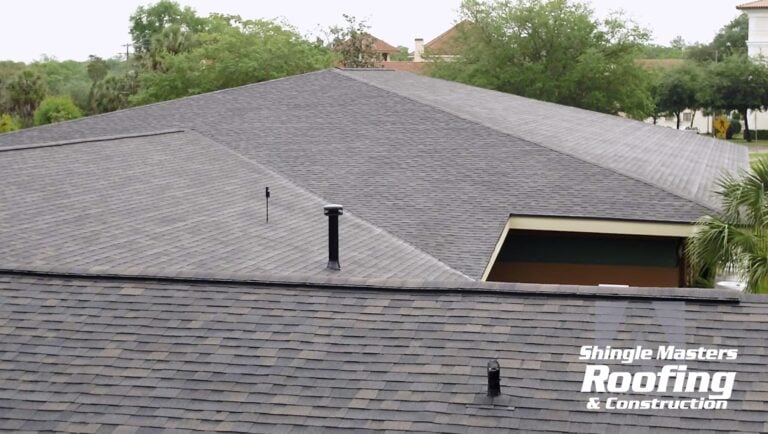
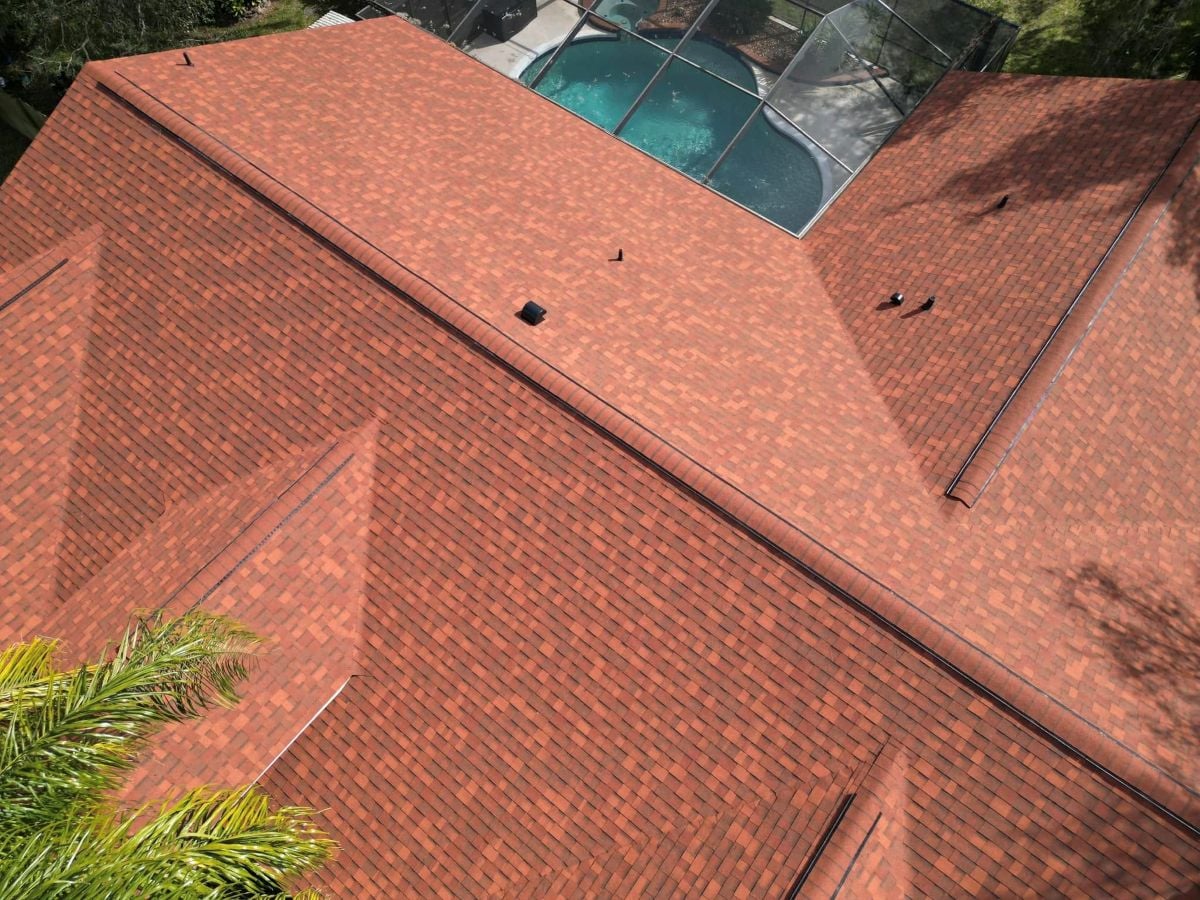
When a metal roof is compared with shingle roofs, the roofing materials themselves respond differently to rainfall. Asphalt shingles have a textured, layered surface that naturally dampens some impact noise, while metal roofing panels can transmit vibration differently.
However, judging the roofing material alone leaves out most of the residential roof assembly. Decking, underlayment, insulation, attic space, and ceilings all influence what you actually hear inside.
For that reason, the practical difference may be much less dramatic than most homeowners expect after hearing rainfall on an exposed metal structure.
Can You Make a Metal Roof Quieter?
Yes. If sound is a major concern, several parts of the roofing and building assembly can help minimize noise. The best approach depends on whether you’re having new metal roofing installed or trying to address sound in an existing home.
- Sound-dampening underlayment: Certain underlayment materials can help reduce vibration and sound transmission beneath metal roofing.
- Attic insulation: Adequate insulation can absorb sound before it reaches occupied rooms.
- Solid roof deck: Installing metal roofing over appropriate solid decking changes how sound travels compared with panels over open framing.
- Proper installation: Correctly secured panels and components help prevent unnecessary movement and vibration.
- Interior insulation: Depending on the home’s construction, insulation between the roofing and occupied areas may further reduce perceived noise.
Is Metal Roofing Noisy During Hail?
Hail can create more noticeable impact noise than ordinary rainfall because hailstones strike the roof with greater force. How loud those impacts seem indoors depends on hail size, roof construction, insulation, decking, ceiling configuration, and other factors.
Noise and impact resistance should also be treated as separate considerations. A roofing material can produce audible impact sounds while still being designed to resist physical damage. Homeowners concerned about hail should review the tested impact rating of the specific metal roofing product they’re considering.
Does Wind Make a Metal Roof Noisy?
A properly installed metal roof shouldn’t routinely flap or rattle whenever the wind picks up. If a homeowner thinks metal roofs sound loud because of persistent rattling, the problem may be related to a component that requires inspection rather than an unavoidable characteristic of the material.
Metal roofing systems need appropriate attachment methods for their design and local conditions. Fasteners, clips, panels, trim, flashing, and edge details all contribute to keeping the roof secure.
If an existing metal roof suddenly starts producing noises it didn’t make previously, particularly after severe weather, having the system inspected can help determine whether something has loosened or sustained damage.
Do Solar Panels Make a Metal Roof Noisier?
Solar panels don’t inherently mean a metal roof will become significantly louder. However, any rooftop addition introduces mounting points and installation details that need to be properly integrated with the roofing system. Standing seam roofing can offer useful mounting possibilities because certain solar mounting systems can attach to the seams without requiring the same type of roof penetrations used with some other installations. The exact approach depends on the roof and solar mounting system.
If solar panels are part of your future plans, discussing them before metal roofing is installed can help ensure both systems are considered together.
Does Metal Roofing Make Sense in Florida?
Noise is only one consideration when comparing roofing materials for a Florida home. Homeowners also need to think about heat, humidity, heavy rainfall, wind exposure, maintenance, appearance, corrosion resistance, and long-term performance.Material selection can be particularly important near the coast. Aluminum is corrosion-resistant, making it a roofing material worth considering for coastal areas where salt exposure can be a concern. Metal roofing also comes in a wide range of profiles and finishes, allowing homeowners to choose a system that complements the architecture of the property rather than settling for the industrial appearance sometimes associated with older metal roofs.
Is Metal Roofing Worth It If You’re Sensitive to Noise?
Being sensitive to noise doesn’t automatically rule out metal roofing. Instead, it makes the construction beneath the panels especially important. Ask how the proposed system will be installed, what type of roof deck and underlayment will be used, and whether the attic is adequately insulated. If you’re especially concerned about rain noise, discuss sound-dampening options before the roof installation begins.
The goal isn’t to pretend a roof makes no sound during a Florida thunderstorm. It’s to understand that the sound produced by a complete residential metal roofing system is very different from rain hitting exposed sheet metal over open framing.
FAQs About Metal Roof Noise
Questions about metal roof noise usually come from homeowners who have experienced loud exposed metal structures and are worried their house will sound the same. Residential construction includes additional layers that significantly change how rain, hail, and other exterior sounds are transmitted indoors.
Is a metal roof noisy when it rains?
A metal roof can make rainfall audible, but a residential system doesn’t typically produce the sharp, tinny sound associated with an exposed barn roof or shed. Roof decking, underlayment, insulation, attic space, and ceiling materials all help reduce or alter the sound that reaches the living space.
Are metal roofs loud compared with shingles?
Metal roofing can transmit impact sounds differently than asphalt shingles, but how loud either roof seems indoors depends heavily on the complete roof assembly. Insulation, underlayment, decking, ceiling construction, and roof design can all influence perceived noise.
Can underlayment reduce metal roof noise?
Yes. Sound-dampening underlayment can help minimize noise and vibration beneath metal roofing. It works as part of the larger roof assembly alongside decking, insulation, attic space, and interior ceiling materials.
Will a metal roof keep me awake during storms?
That depends on the home’s construction and your personal sensitivity to sound. A properly installed residential metal roof with a solid roof deck, suitable underlayment, insulation, and finished ceilings is very different acoustically from exposed metal roofing over open framing.
Should a metal roof rattle in high winds?
Regular rattling or flapping shouldn’t simply be assumed to be normal. If a metal roof develops unusual noises, particularly after a storm, an inspection can help determine whether panels, fasteners, flashing, trim, or other components require attention.

Hear the Facts Before Ruling Out Metal
Many metal roofing myths come from comparing residential roofs with barns, sheds, and other structures that have exposed panels or open framing. A complete roof assembly with decking, underlayment, insulation, attic space, and ceilings creates a very different indoor experience.
If noise has been keeping metal roofing off your shortlist, Shingle Masters can help you understand how the complete system would work on your particular home.
When you’re ready to compare your options, talk through metal roofing with Shingle Masters.