 6 Min Read
 03/30/2026
Roof ventilation plays a critical role in protecting your home by regulating temperature and moisture levels in your attic. Without proper airflow, heat and humidity can build up and lead to long term damage. For homeowners in Clearwater and across the Tampa Bay area, understanding how ventilation affects your home can help you improve comfort, efficiency, and roof lifespan.
In this guide, we will break down how roof ventilation works and why it matters.
- Temperature control: Helps reduce heat buildup in the attic
- Moisture management: Prevents condensation and mold growth
- Energy efficiency: Supports lower cooling costs
- Roof longevity: Reduces stress on roofing materials
Why Roof Ventilation Matters for Homeowners
A properly ventilated roof allows air to flow through the attic, preventing heat and moisture from becoming trapped. In warm climates like Florida, attic temperatures can rise significantly without ventilation, which puts stress on roofing materials and increases energy costs.
When ventilation is balanced, it helps protect both the roof and the interior of your home. Poor ventilation can lead to issues that develop slowly but become costly over time.
- Heat buildup: Trapped hot air can damage shingles and raise indoor temperatures
- Moisture accumulation: Can lead to mold, mildew, and wood rot
- Insulation damage: Reduces effectiveness and energy efficiency
- Shortened roof lifespan: Materials wear down faster under extreme conditions
8 Ways Roof Ventilation Impacts Your Home
Roof ventilation affects multiple areas of your home, from comfort to structural performance. Understanding these impacts can help homeowners make informed decisions about their roofing system.
1. Regulates Attic Temperature
Proper ventilation allows hot air to escape from the attic, preventing extreme temperature buildup. This helps reduce the strain placed on roofing materials and keeps indoor spaces more comfortable.
- Heat release: Allows hot air to exit through vents
- Balanced airflow: Maintains consistent attic conditions
- Reduced thermal stress: Helps protect roofing components
2. Reduces Cooling Costs
When attic temperatures are controlled, your HVAC system does not have to work as hard to cool your home. This can lead to noticeable energy savings over time.
- Lower energy use: Reduces strain on air conditioning systems
- Improved efficiency: Helps maintain stable indoor temperatures
- Cost savings: Can lower monthly utility bills
3. Prevents Moisture Buildup
Moisture can enter the attic from daily activities like cooking and showering. Without ventilation, this moisture becomes trapped and can damage materials.
- Condensation control: Prevents moisture from forming on surfaces
- Mold prevention: Reduces risk of mold growth
- Dry attic space: Supports overall home health
4. Protects the Roof Deck
The roof deck is a critical structural component that supports your entire roofing system. Excess heat and moisture can weaken this layer over time.
- Moisture reduction: Helps prevent rot and deterioration
- Structural stability: Maintains the integrity of the roof deck
- Long term durability: Supports overall roof performance
5. Extends Roof Lifespan
Roofing materials are designed to perform best under stable conditions. Ventilation helps create those conditions by reducing temperature extremes and moisture exposure. Our guide on how long a roof lasts breaks down how factors like ventilation, climate, and material quality all contribute to your roof’s overall lifespan.
- Less material stress: Reduces expansion and contraction
- Improved performance: Helps shingles and components last longer
- Fewer repairs: Limits damage over time
6. Helps Prevent Ice Dams
In colder regions, poor ventilation can contribute to ice dams forming along the roof edge. While less common in Florida, this issue highlights the importance of proper airflow in any climate.
- Even roof temperature: Reduces melting and refreezing cycles
- Water flow control: Prevents water from backing up under shingles
- Roof protection: Minimizes risk of leaks
7. Improves Indoor Comfort
Proper ventilation contributes to a more comfortable living environment by helping regulate indoor temperatures.
- Consistent temperatures: Reduces hot and cold spots
- Better airflow: Supports overall comfort
- Healthier environment: Limits moisture related issues
8. Supports Overall Roof Performance
Ventilation works alongside other roofing components to create a complete system. Without it, even high quality materials may not perform as expected.
- System balance: Ensures all parts of the roof work together
- Performance consistency: Maintains long term effectiveness
- Reduced wear: Helps prevent premature failure
We’re proud to serve home and business owners in Apollo Beach, Tampa, and nearby communities with roof ventilation guidance and more.
Roof Ventilation Products and System Options
Homeowners have several options when it comes to improving roof ventilation. The right combination of products depends on your roof design, attic size, and overall airflow needs. For a closer look at the specific vent types and how they compare, our guide on roof vents covers the most common options available to Florida homeowners.
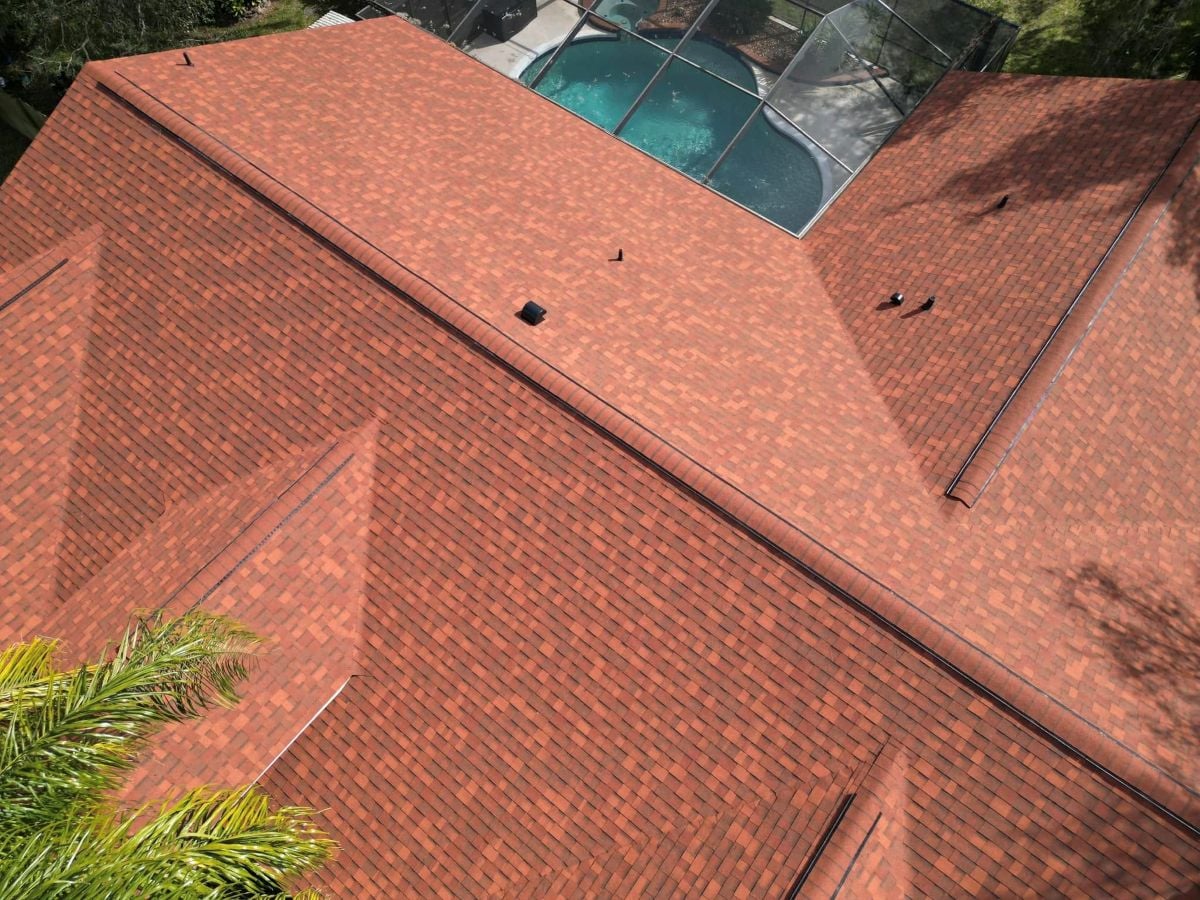
- Ridge vents: Installed along the peak of the roof to allow hot air to escape naturally
- Soffit vents: Located under the eaves to bring in cooler outside air for intake
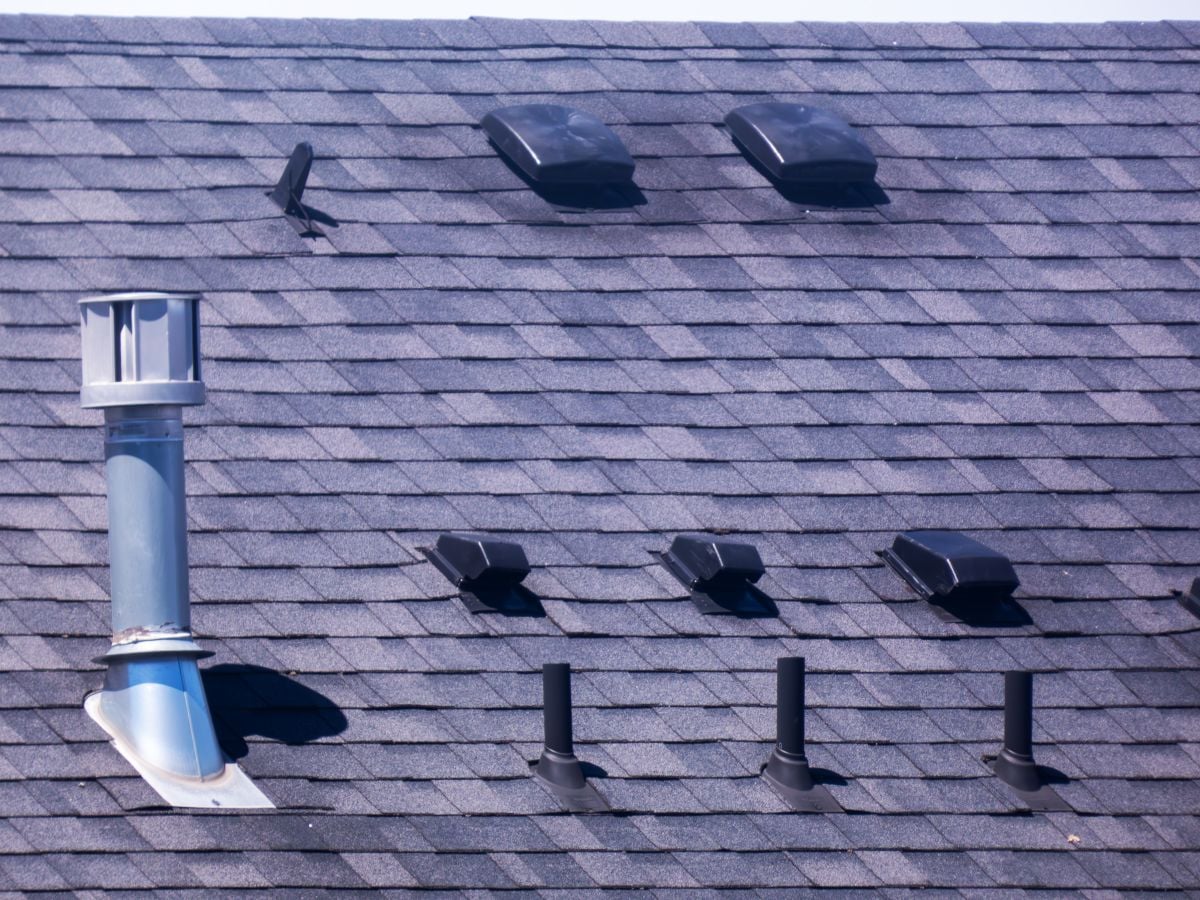
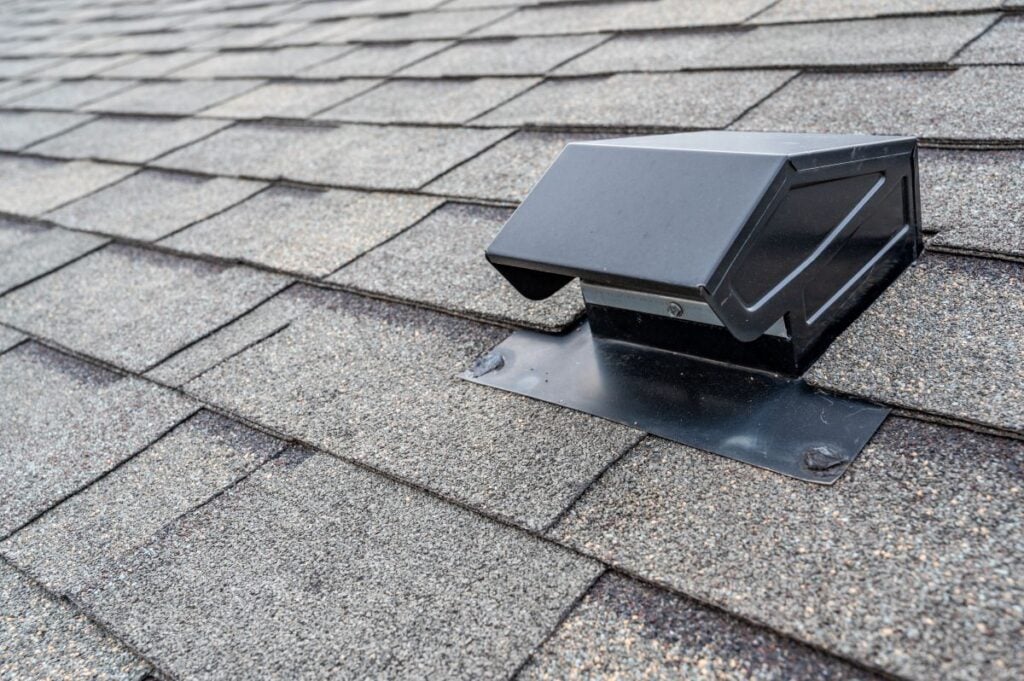
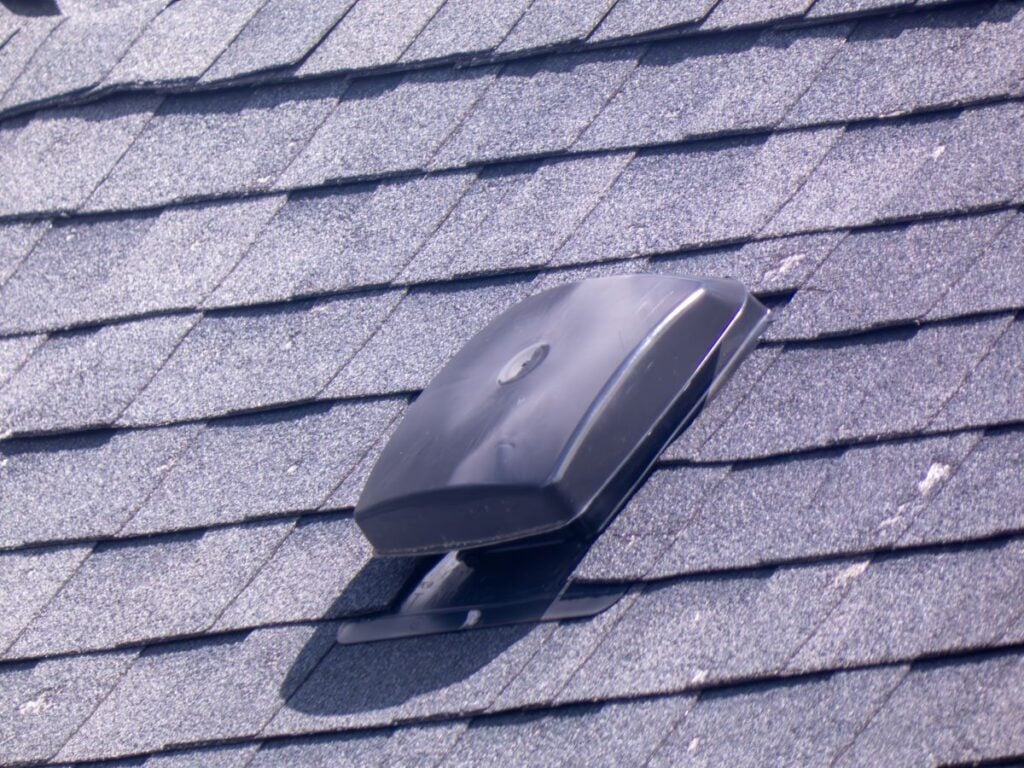
- Static roof vents: Fixed vents placed on the roof surface to release heat
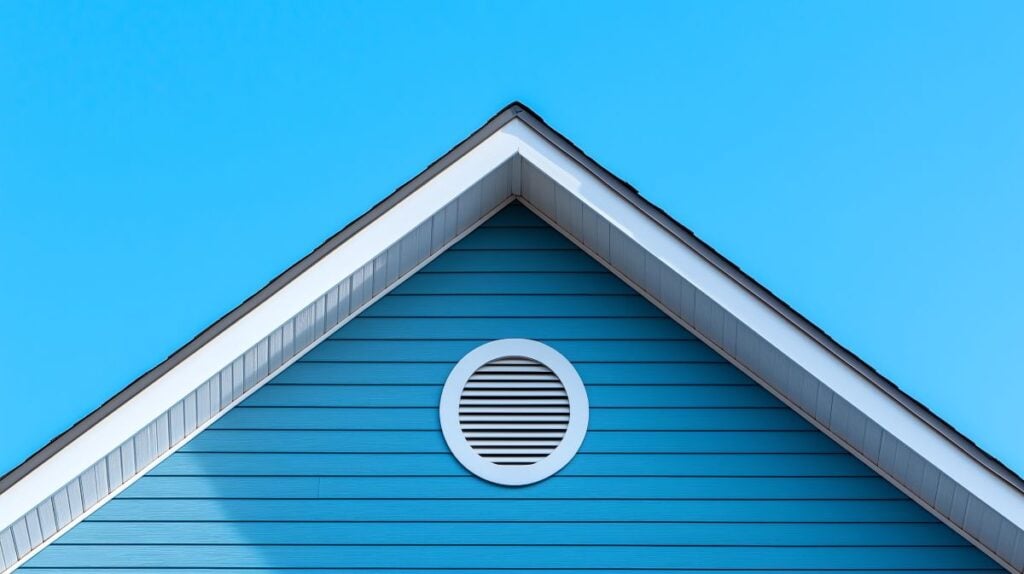
- Gable vents: Positioned on the sides of the attic to support cross ventilation
- Powered attic fans: Use electricity or solar power to actively move air
- Turbine vents: Spin with wind to pull hot air out of the attic
A well designed system typically includes both intake and exhaust components to maintain consistent airflow. Choosing the right products helps ensure your ventilation system works efficiently as part of the overall roofing structure.
Signs Your Roof Ventilation May Be Poor
Poor ventilation often goes unnoticed until it begins to cause visible problems. Recognizing these signs early can help prevent more serious damage.
- Excessive attic heat: Extremely high temperatures in the attic
- Moisture or condensation: Visible dampness or mold growth
- High energy bills: Increased cooling costs without clear cause
- Premature roof aging: Shingles wearing out faster than expected
How to Improve Roof Ventilation
Improving ventilation can make a noticeable difference in your home’s comfort and roof performance. Solutions may vary depending on your current system and attic design.
Add Intake and Exhaust Vents
A balanced system requires both intake and exhaust to allow proper airflow through the attic.
Upgrade Existing Ventilation
Replacing outdated or insufficient vents can improve airflow and efficiency.
Schedule a Professional Evaluation
A roofing contractor can assess your current ventilation system and recommend improvements based on your home’s needs.
Improve Your Roof With Shingle Masters
Roof ventilation is an essential part of maintaining a healthy, efficient home. Proper airflow helps protect your roof, reduce energy costs, and prevent long term damage.
Shingle Masters helps homeowners evaluate ventilation systems and identify opportunities for improvement. Whether you are addressing an existing issue or planning upgrades, our team provides guidance and solutions that support long term performance.
Contact Shingle Masters today to schedule an inspection and improve the performance of your roofing system. We proudly serve homeowners in Brandon and across the Tampa Bay area.