8 Min Read
 11/05/2026
Stucco siding is one of the most popular exteriors in the Tampa Bay area, and for good reason. It handles heat beautifully, resists pests, and gives homes that classic Florida look. But sooner or later, almost every stucco wall develops cracks, and knowing which ones are harmless and which ones call for stucco repair can save you from costly water damage down the road. If you’ve spotted cracks on your home, our team offers professional stucco repair and replacement services to get your walls back in shape.
In this guide, we’ll cover:
- Root causes: Why stucco cracks in the first place.
- Crack types: Five common cracks and what each one says about your home.
- Urgency guide: A quick table showing which cracks to watch and which to fix now.
- The repair process: What happens during a professional stucco repair.
- Common questions: Answers to what homeowners ask us most about cracked stucco.
Why Stucco Cracks in the First Place
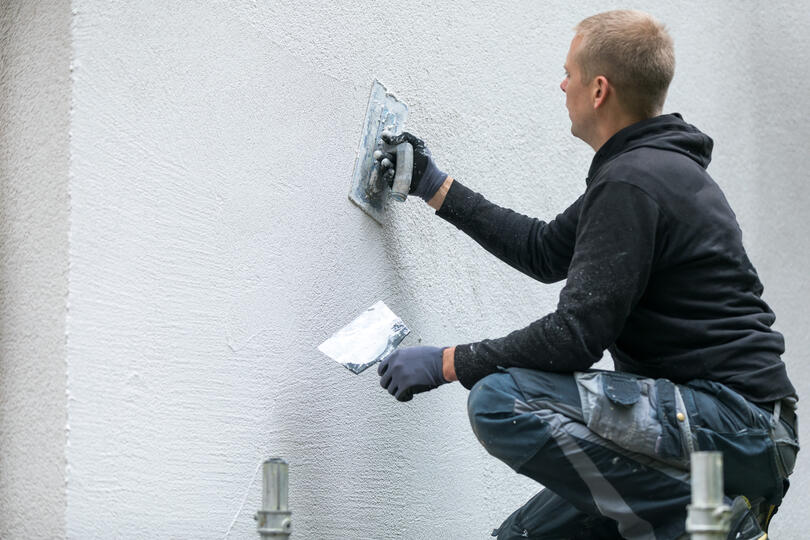
Traditional stucco is a cement based material, so it naturally shrinks as it cures and moves slightly as temperatures change. In fact, according to Walls & Ceilings magazine, a few hairline shrinkage cracks are normal and typically appear about one to two weeks after the base coat is applied. Beyond that early shrinkage, several everyday forces keep putting stress on your walls:
- Temperature swings: Hot afternoons followed by sudden rain showers cause stucco to expand and contract over and over.
- Moisture: Water that slips behind the surface can rust metal lath and weaken the stucco from within.
- Settlement: As a house settles into the soil, small shifts in the foundation can transfer stress to the walls above.
- Impact and storms: Flying debris, strong winds, and even a bumped ladder can chip or crack the surface.
- Installation issues: The wrong stucco mix, stucco applied too thin, or walls finished without proper control joints tend to crack early.
Homes in Riverview face all of these stresses, especially during long, wet summers. It also helps to know which type of stucco you have. Synthetic stucco, also called an exterior insulation finishing system or EIFS, is a foam based system that cracks and fails differently than traditional stucco, so the right repair method depends on what’s covering your exterior walls.
5 Common Cracks and What They Mean
Most stucco cracks aren’t cause for alarm, but each type tells you something about what’s happening behind the surface. The same patterns can also show up on a stucco ceiling over a porch or lanai, where moisture tends to collect. Here’s how to read the most common ones.
- Hairline cracks: These thin, shallow minor cracks are usually shrinkage or minor thermal movement and are mostly cosmetic. Sealing them with a quality elastomeric coating helps keep water out before it becomes a problem.
- Spider web cracks: A fine, web like pattern spread across a section of wall, often called map cracking, usually points to curing or mixing issues in the top coat. It rarely signals structural trouble, but large areas may need refinishing to restore protection.
- Diagonal cracks at windows and doors: Corners of openings concentrate stress, so cracks often angle out from them. These can let water reach window frames and should be sealed and checked for moisture.
- Stair step cracks: On concrete block homes, cracks that zigzag along mortar joints often point to settlement or movement in the block wall. These deserve a professional inspection, since the cause may go deeper than the stucco.
- Wide or growing cracks: Any crack wider than about 1/8 inch, one that keeps getting longer, or crumbling stucco along its edges can signal structural movement or serious moisture damage. These need attention right away to protect the wall behind them.
Which Stucco Cracks Need Attention Now
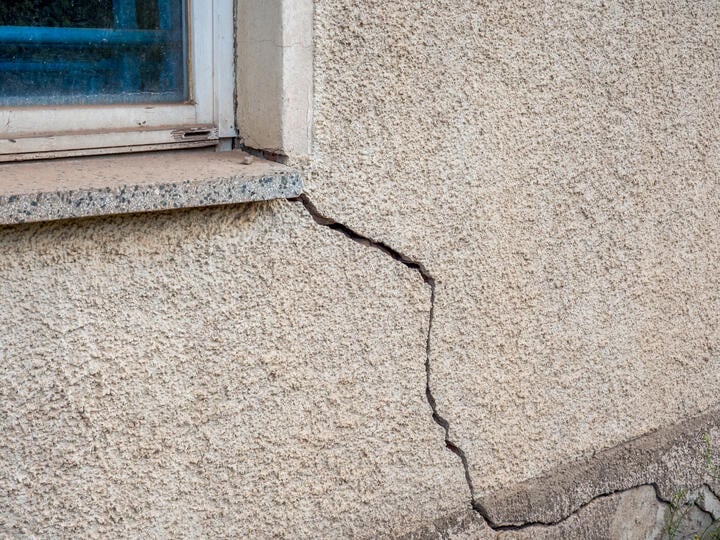
Use this quick guide to decide whether to keep an eye on a crack or schedule an inspection. When in doubt, a professional stucco inspection is always the safer choice.
| Crack Type | What It Usually Means | Concern Level | Recommended Action |
| Hairline | Normal shrinkage or thermal movement | Low | Monitor and seal during routine maintenance |
| Spider web | Surface curing or mix issues | Low to moderate | Refinish or recoat larger areas |
| Diagonal at openings | Stress concentrated at corners | Moderate | Seal and check for moisture around frames |
| Stair step | Settlement or block wall movement | Moderate to high | Schedule a professional inspection |
| Wide or growing | Structural movement or water damage | High | Call a stucco contractor right away |
How Professional Stucco Repair Works
A lasting stucco repair is about more than filling a crack. The goal is to fix the cause, keep water out, and blend the patch so it disappears into the rest of the wall.
- Inspection: A technician examines the crack pattern, width, and location to identify what caused it.
- Moisture check: Testing around the damaged stucco reveals whether water has reached the lath, sheathing, or framing.
- Crack preparation: Dirt and loose stucco are cleaned away and the crack is widened slightly, since new stucco should never be applied over a dirty or crumbling surface.
- Patching and texture matching: New stucco or a flexible stucco patch compound is applied and textured to match the existing stucco, and for deeper stucco repairs, a scratch coat goes on first and multiple coats are often needed to ensure durability.
- Curing: Each coat is protected from rapid drying and extreme weather while it cures, which matters even more in hot Florida sun and sudden summer storms.
- Sealing and painting: Allow the stucco patch to cure fully before applying paint or primer, then finish with an elastomeric coating that protects the repair and helps it blend in with the surrounding stucco.
We’re proud to serve home and business owners in Riverview, FL, and nearby communities with stucco repair, siding, roofing, and more, so help is always close to home.
Frequently Asked Questions About Stucco Repair
Cracked stucco tends to raise the same handful of questions for most homeowners. Here are straightforward answers to a few we hear often.
Can I repair stucco cracks myself?
Small hairline cracks can sometimes be handled as a DIY stucco repair using a stucco repair kit or elastomeric caulk. The challenge is matching the texture and color so the repair doesn’t stand out, and making sure no moisture is trapped underneath. For anything wider than a hairline, cracks near windows, or stair step patterns, professional help is the safer choice. A contractor can find the root cause and fix it properly instead of just covering up the symptom. If you do tackle a small repair yourself, wear safety gear such as goggles, gloves, and a dust mask.
How much does stucco repair cost?
Stucco repair costs vary based on the size of the damaged area, how many cracks need attention, and whether there’s hidden water damage behind the surface. A few small cracks sealed during routine maintenance cost far less than a stucco repair project that requires having a section of stucco removed and rebuilt. Texture matching and repainting can also affect the final price. The most accurate way to know your cost is an onsite inspection and a written estimate that breaks down materials and labor.
Can stucco cracks lead to leaks or mold?
Yes, if they’re left unsealed for too long. Cracks give rain a direct path behind the stucco, where moisture can rust metal lath, soak wood framing, and create the dark, damp conditions mold loves. In Florida’s humid climate, that damage can build quietly for months before you notice stains, peeling paint, or musty smells inside. Sealing cracks early is one of the simplest ways to protect your walls and indoor air quality. It’s also wise to avoid using a pressure washer on cracked stucco, since high pressure water can force moisture deeper into the wall.
Does homeowners insurance cover stucco repair?
It depends on what caused the stucco damage and the details of your policy. Cracks caused by a sudden event, such as a hurricane, falling tree, or vehicle impact, may be covered after your deductible. Cracks from normal settlement, aging, or poor original installation are usually considered maintenance and aren’t covered. If you suspect storm damage, take photos right away, contact your insurer promptly, and ask a contractor for a detailed inspection report to support your claim.
Restore Your Walls With Shingle Masters
Stucco cracks are easy to ignore, but the right repair at the right time can protect your home for years to come. At Shingle Masters Roofing & Construction, our family owned team has more than 20 years of experience caring for Tampa Bay homes, from the roof all the way down to the walls. We’ll find what’s causing your cracks, explain your options clearly, and complete repairs that blend in and hold up to Florida weather.
Whether you live in Riverview or a nearby community, we’re ready to help you keep your exterior stucco strong and beautiful. Schedule your free estimate today and let our team take a closer look at your stucco.