 10 Min Read
 09/15/2026
Tile roof storm repair can become necessary after high winds, heavy rain, hail, or flying debris damages a tile roofing system. Even when a roof looks mostly intact from the ground, cracked or broken tiles can expose the materials beneath them and create vulnerable areas where water can enter.
Florida homeowners should pay particular attention to tile roof damage after severe weather because problems aren’t always immediately obvious. If you notice damaged tiles after a storm, restore your tile roof before minor damage has an opportunity to spread.
- Broken tiles: Hail, branches, and wind-driven debris can fracture individual clay or concrete tiles.
- Missing tiles: Strong winds can loosen or displace tiles and leave underlying materials more exposed.
- Hidden damage: Problems with flashing, attachment points, or underlayment may not be visible from the ground.
- Water intrusion: Damage around tiles, valleys, or penetrations can create a path for rainwater into the roofing system.
What Happens to a Tile Roof During Severe Weather?
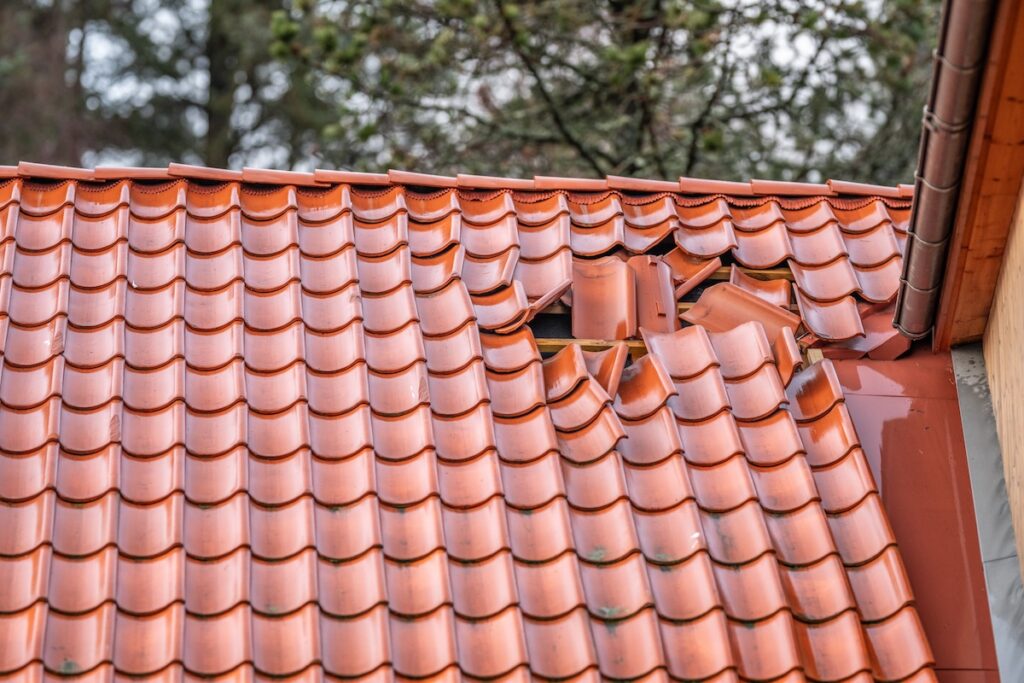
Tile roofing systems are durable, but severe weather can place significant stress on both the tiles and the components beneath them. High winds can shift tiles, hail can cause fractures, and flying debris can create direct impact damage.
The visible roof tile is only one part of the system. Underlayment, flashing, fasteners, roof decking, valleys, and penetrations all contribute to keeping water outside, so a post-storm inspection should consider more than obvious surface damage.
4 Signs Your Tile Roof May Need Storm Repair
Some storm damage is easy to see immediately, while other problems can remain hidden until the next heavy rainfall. These four warning signs can help you determine when professional tile roof repair may be necessary.
1. Cracked or Broken Roof Tiles
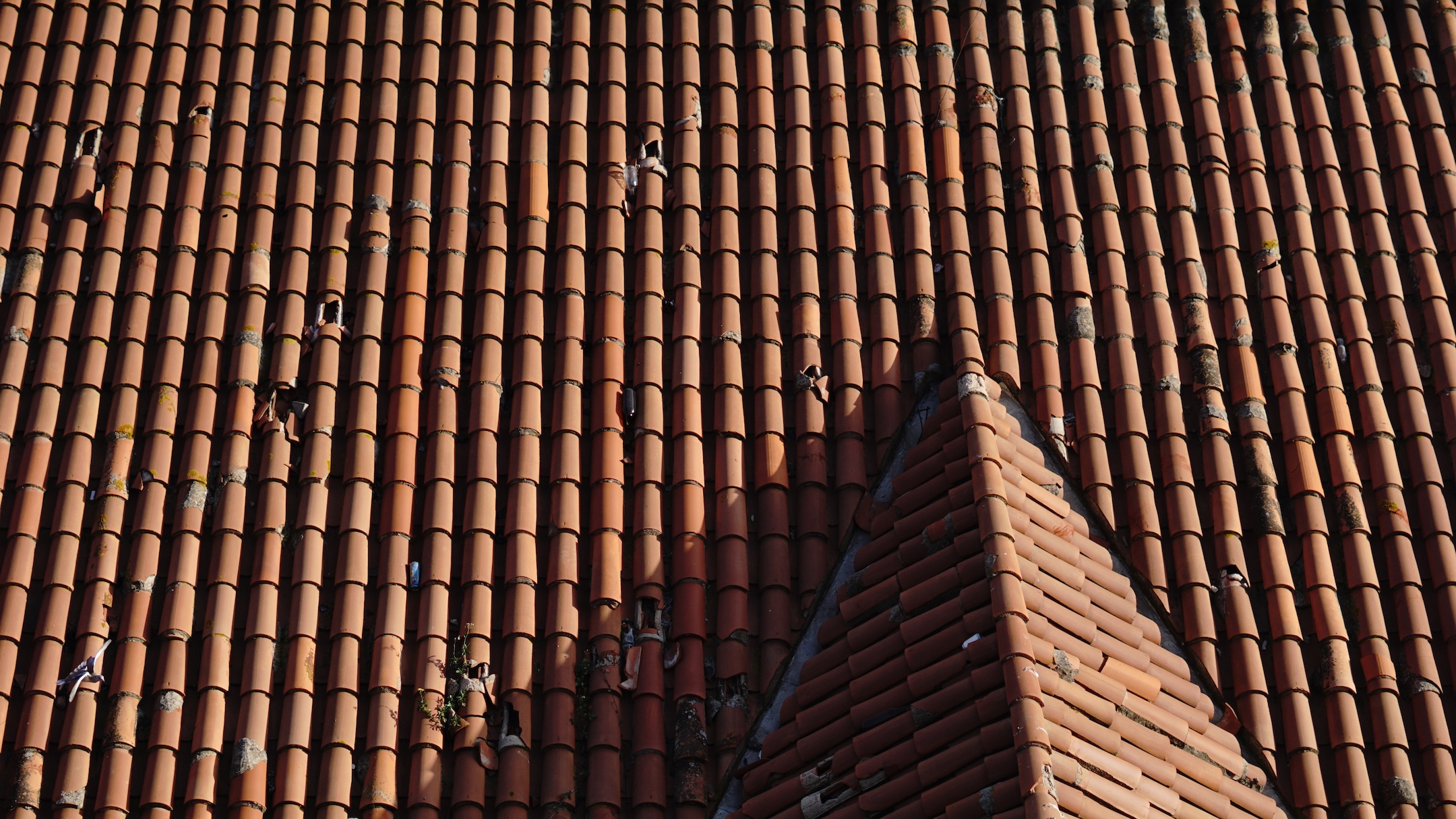
Cracked tiles are among the most recognizable signs of storm damage. Hail, falling branches, and wind-driven debris can fracture clay tile or concrete tile materials even when the surrounding roof appears unaffected.
- Visible cracks: Fracture lines can weaken the tile and expose underlying roofing components to more water.
- Broken sections: Pieces can separate entirely after a strong impact, leaving an obvious opening in the roof surface.
- Debris impacts: Airborne branches and objects can create isolated areas of cracked or broken tile.
- Widespread damage: Multiple damaged tiles may indicate that the storm affected more of the roof than initially appears.
2. Missing or Displaced Tiles
High winds can loosen, shift, or completely remove roof tiles. A displaced tile may be harder to recognize than missing tiles, but movement can still disrupt the overlapping pattern that helps the roof manage rainwater.
- Open spaces: Missing tiles leave the roofing assembly more directly exposed to weather.
- Shifted rows: Tiles that no longer align with surrounding materials may have moved during the storm.
- Loose tiles: Tiles can remain on the roof while no longer being properly secured.
- Adjacent tiles: Damage to one piece can affect nearby tiles or leave their edges more exposed.
3. Interior Water Stains or Leaks
Sometimes tile roof storm damage first becomes noticeable inside the home. Ceiling stains, damp drywall, peeling paint, or active dripping can indicate that rain has entered through a damaged portion of the roofing system.
- Ceiling stains: Brown or yellow discoloration can indicate moisture has reached interior materials.
- Damp drywall: Wet or soft areas around ceilings and upper walls can signal water intrusion.
- Musty odors: Persistent damp smells can indicate concealed moisture even without an active drip.
- Active leaks: Water entering during rainfall should be addressed promptly before additional storms worsen the damage.
4. Damaged Flashing, Ridges, or Roof Edges
Storm damage roof repairs aren’t always limited to individual tiles. High winds and debris can affect flashing, ridges, valleys, and roof edges that play an important role in directing water away from vulnerable areas.
- Loose ridge tiles: Elevated ridge and hip areas can shift or become damaged under strong wind forces.
- Flashing damage: Separated or bent flashing around vents, walls, and other transitions can create water-entry points.
- Roof edge problems: Perimeter components can loosen because of substantial wind pressure.
- Valley damage: Displaced roofing materials or debris can interfere with areas responsible for carrying large amounts of rainwater.
What Should You Do Immediately After a Storm?
Once severe weather has passed and it’s safe to inspect your property, begin from the ground and inside the home. Documenting visible storm damage can help you understand whether the roof needs closer attention without risking additional damage by walking across the tiles.
- Check the yard: Look for pieces of roof tile, branches, or roofing debris that may have fallen during the storm.
- Scan the roof: Look for missing tiles, unusual gaps, shifted sections, or damaged ridge areas from a safe location.
- Check indoors: Examine ceilings and upper walls for staining, dampness, or other signs of water intrusion.
- Take photographs: Document visible interior and exterior damage shortly after the weather event.
- Protect belongings: Move furniture or valuables away from active leaks when it can be done safely.
- Arrange an inspection: Have suspicious areas evaluated before another storm tests the damaged roof.
Can One Broken Tile Cause a Roof Leak?
One broken tile doesn’t automatically mean water will immediately begin dripping into your home. Tile roofing systems include protective materials beneath the finished surface, and the underlayment plays an important role in managing moisture.
However, a broken tile shouldn’t be ignored. It can expose underlying materials to more direct sunlight and rain, while wind-driven water may reach areas previously protected by the overlapping tile. If the underlayment is already aging or damaged, one newly broken tile can make an existing vulnerability more serious.
How High Winds and Hail Damage Tile Roofs
High winds and hail can damage a tile roof in different ways. Wind creates uplift that can shift tiles or loosen their attachment points, while hail and wind-driven debris can cause direct impact damage to both clay tile and concrete tile.
- Shifted tiles: Strong gusts can move tiles out of position and interfere with their normal overlap.
- Loose attachments: Wind forces can disturb the components responsible for securing individual tiles.
- Hail impacts: Sufficiently forceful hail can chip, fracture, or break individual roof tiles.
- Flying debris: Branches and other objects can cause cracked or broken areas during severe weather.
- Exposed sections: Corners, edges, hips, and ridges can experience substantial wind pressure.
Some impact damage is immediately obvious, while smaller cracks can be difficult to identify from below. Older roofing materials that have experienced years of Florida sun and weather may also respond differently to impacts than newer tiles.
Why the Underlayment Matters After Tile Damage
Tiles form the visible exterior surface, but they aren’t the only component protecting the property from water. Underlayment provides an important secondary barrier and becomes particularly important when individual tiles are cracked, shifted, or missing.
If storm damage leaves underlayment exposed, the material can face more direct weather and UV exposure. That’s why effective tile roof repair should consider what happened beneath the visibly damaged tiles instead of simply replacing broken pieces.
What Does Tile Roof Repair Cost After a Storm?
Tile roof repair cost varies because no two storm-damaged roofs require exactly the same work. Replacing a few damaged tiles is considerably different from addressing widespread storm damage, compromised flashing, deteriorated underlayment, or leaks affecting multiple areas.
Clay tile roof repair can also involve different matching and replacement considerations than concrete tile repair. Roof pitch, accessibility, replacement tile availability, labor, and concealed damage can further affect the scope and price.
For those reasons, an inspection provides a more meaningful estimate than relying on a standard per-tile repair cost.
Repair or Replace a Storm-Damaged Tile Roof?
Not every storm-damaged tile roof requires replacement. When damage is confined to a small area and the surrounding tile roofing system remains in good condition, individual tile repair or localized work may be enough.
- Individual tile replacement: Isolated damaged tiles may be replaced when surrounding materials remain serviceable.
- Flashing repair: Damaged flashing around walls, vents, valleys, and transitions may require separate attention.
- Underlayment repair: Problems beneath the tiles may need to be corrected before the finished surface is restored.
- Larger repairs: Widespread damaged tiles or multiple leaking areas may require work beyond isolated replacement.
- Roof replacement: Significant deterioration throughout the roofing system can make replacement worth considering instead of repeated repairs.
The roof’s age, repair history, underlayment condition, and extent of the recent storm damage should all factor into the decision.
How to Help Protect Your Tile Roof Before the Next Storm
No roof can be made immune to severe weather, but routine maintenance can help identify vulnerable areas before another storm arrives. Existing problems are worth addressing while they’re still manageable rather than waiting for high winds and heavy rain to make them worse.
- Address cracked tiles: Existing cracks or loose pieces can become more vulnerable during severe weather.
- Maintain nearby trees: Removing unstable branches can reduce the chance of large limbs striking the roof.
- Check adjacent tiles: Tiles surrounding a damaged area may also have shifted or sustained impact damage.
- Keep drainage clear: Gutters and drainage components should be able to move heavy rainfall away efficiently.
- Investigate leaks: Existing water intrusion should be addressed before another storm introduces additional moisture.

FAQs About Tile Roof Storm Repair
Storm damage can affect much more than the visible tile surface. Understanding when to seek tile repair and what can be repaired helps homeowners make better decisions after severe weather.
Can I replace a broken roof tile myself?
Replacing one tile may look straightforward, but walking across clay or concrete roofing can crack adjacent tiles and creates a significant fall hazard. Damage beneath the tile may also involve underlayment or attachment components that aren’t visible from above.
Does a missing tile mean my roof will leak?
Not necessarily immediately because underlayment provides additional protection beneath the tiles. However, missing tiles expose more of the roofing system to rain, sunlight, and weather, so the affected area shouldn’t be left unaddressed.
How do I know if hail damaged my tile roof?
Look for broken pieces, chips, visible cracks, or other changes after a hailstorm. Because smaller fractures can be difficult to identify from the ground, a professional inspection may be appropriate after significant hail.
How much does tile roof repair cost?
Tile roof repair cost depends on the amount of damage, roof accessibility, tile type, labor, replacement material availability, and whether underlayment or flashing also requires work. The actual repair scope needs to be evaluated before an accurate price can be determined.
Can storm-damaged tiles be repaired without replacing the roof?
Yes. Isolated damaged tiles may be repairable when the surrounding roofing system remains in good condition. Widespread storm damage, recurring leaks, or deteriorated underlying materials can make a larger roofing project more appropriate.
Don’t Let the Next Storm Find the Damage
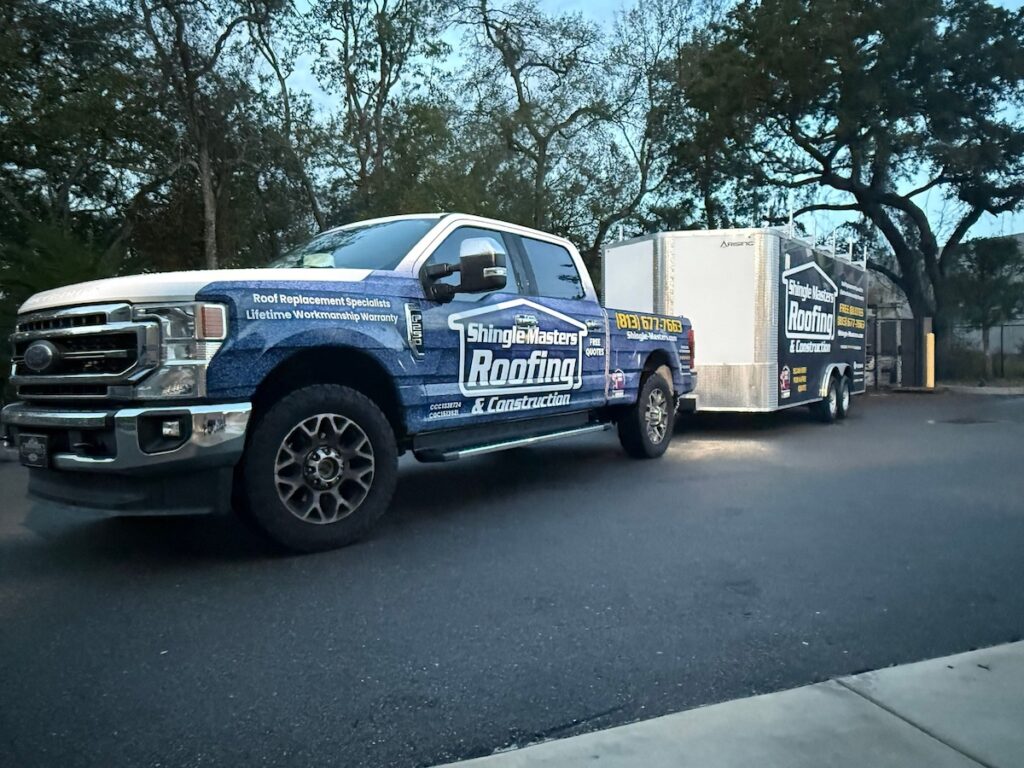
A tile roof can look relatively normal after severe weather while still having cracked tiles, missing tiles, damaged flashing, or vulnerable underlayment. Identifying these problems before another period of heavy Florida rain can help keep localized storm damage from becoming a larger roofing issue.
Shingle Masters can evaluate the roofing system and explain what was damaged, what requires attention, and whether tile repair or a broader solution makes sense for your property.
If severe weather has recently moved through your area, check your storm damage before the next storm puts your roof to the test.