 7 Min Read
 04/27/2026
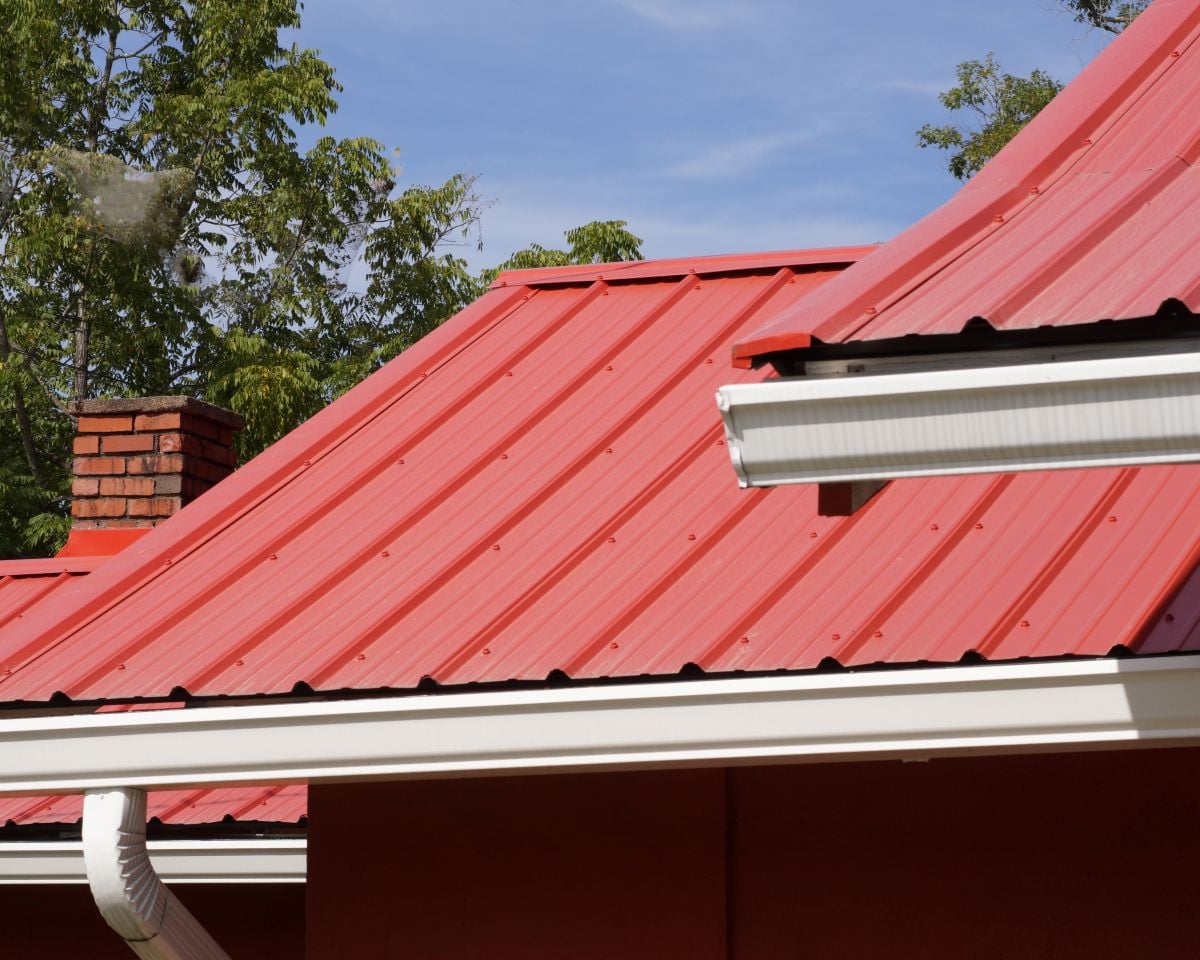
Metal roofing installation is becoming an increasingly popular choice for homeowners looking for durability, energy efficiency, and long term value. With advancements in materials and installation techniques, metal roofs are now more versatile and accessible than ever. Homeowners in Brandon and across the Tampa Bay area are embracing metal roofing for its ability to handle Florida’s demanding climate. Understanding how installing a metal roof works and what to expect can help you make a confident decision for your home.
In this guide, we will walk through everything homeowners should know about installing a metal roof.
- Installation process: What happens from start to finish
- Material options: Different types of metal roofing systems
- Cost considerations: What impacts pricing in 2026
- Long term benefits: Why metal roofs continue to grow in popularity
Why Homeowners Are Choosing Metal Roofing
Metal roofing has evolved significantly over the years, offering both performance and visual appeal. Homeowners are choosing metal roofs not just for durability, but also for their ability to handle harsh weather conditions and reduce long term maintenance needs.
In climates like Florida, metal roofing performs well against heat, heavy rain, and strong winds. Modern systems are designed to last longer and require fewer repairs compared to traditional materials.
- Durability: Resistant to cracking, shrinking, and erosion
- Weather performance: Handles wind and rain effectively
- Low maintenance: Requires fewer repairs over time
- Energy efficiency: Reflects heat and reduces cooling costs
7 Steps in the Metal Roofing Installation Process
Installing a metal roof involves several important steps to ensure long term performance. Understanding this process helps homeowners know what to expect during the project and how roofing contractors use specific tools and techniques.
1. Roof Inspection and Preparation
The process begins with a full inspection of the existing roof. Contractors evaluate the structure and determine whether any repairs are needed before installation begins. Proper preparation ensures a smooth installation process and helps avoid delays.
- Structural review: Checks roof deck condition
- Material planning: Confirms system type and layout
- Preparation steps: Addresses any existing damage
2. Removing Old Roofing Materials
In most cases, old roofing materials are removed to create a clean surface. This step allows contractors to inspect the underlying structure more thoroughly and prepare for installing new materials.
- Material removal: Clears shingles or existing roofing
- Debris cleanup: Maintains a safe worksite
- Surface preparation: Prepares for new installation
3. Inspecting and Repairing the Roof Deck
Once the roof deck is exposed, it is inspected for damage or weak areas. Any necessary repairs are completed before moving forward. This ensures the new roof has a solid foundation.
- Damage check: Identifies rot or structural issues
- Repairs: Reinforces weak areas
- Surface readiness: Prepares for underlayment
4. Installing Underlayment
Underlayment is installed to provide an additional layer of protection. It acts as a barrier against moisture and helps protect the roof deck from water intrusion. Our guide on roof underlayment explains the different types available and how each one supports long-term roof performance, especially near vulnerable areas like the eave.
- Moisture barrier: Helps prevent leaks
- Full coverage: Protects entire roof surface
- Secure installation: Ensures proper alignment
5. Installing Metal Panels or Shingles
The metal roofing system is installed according to manufacturer specifications. Panels are carefully aligned and secured using fasteners and a properly placed screw system to ensure durability and weather resistance. Many installation guides outline specific fastening patterns to prevent movement and leaks.
- Panel placement: Ensures consistent layout of panels
- Fastening system: Uses fasteners and screws to secure materials
- Detail work: Focuses on seams and edges
6. Flashing and Trim Installation
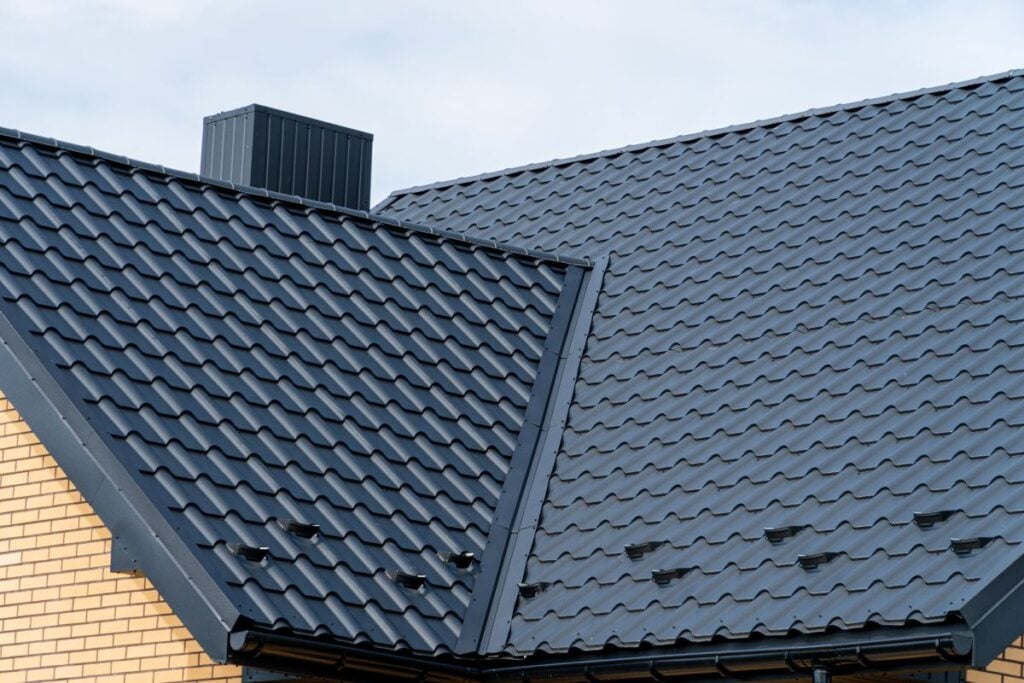
Flashing and trim are installed around roof features to prevent water intrusion. These components are essential for sealing vulnerable areas and completing the roofing system.
- Edge protection: Secures roof perimeter along the eave
- Leak prevention: Seals around vents and valleys
- Finishing details: Enhances overall performance
7. Final Inspection and Cleanup
Once installation is complete, the roof is inspected to ensure quality and performance standards are met. Contractors remove all debris and confirm everything is installed correctly.
- Quality check: Confirms proper installation
- Final adjustments: Addresses any remaining details
- Cleanup: Removes debris and leftover materials
We’re proud to serve home and business owners in Bradenton, Tampa, and nearby communities with metal roofing installation guidance and more.
Types of Metal Roofing Materials
Different types of metal roofing materials offer unique benefits depending on your home and preferences. Choosing the right option can impact both cost and performance.
- Steel roofing: Durable and commonly used for residential homes
- Aluminum roofing: Lightweight and resistant to corrosion
- Copper roofing: Premium option with a distinctive appearance
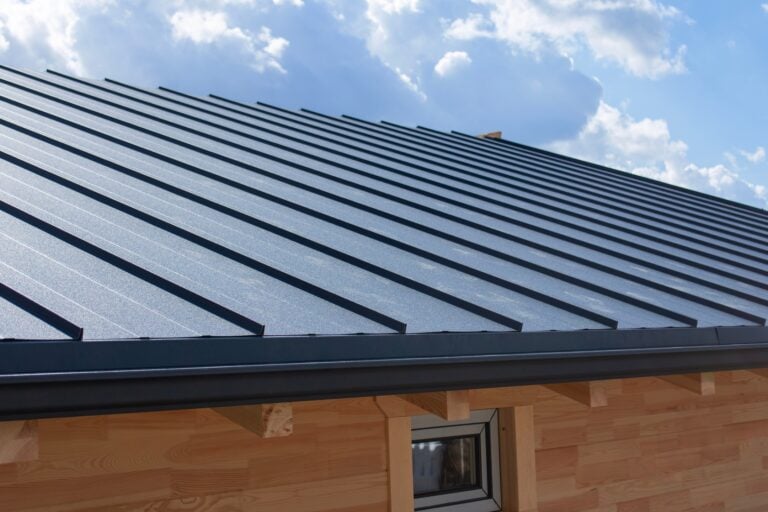
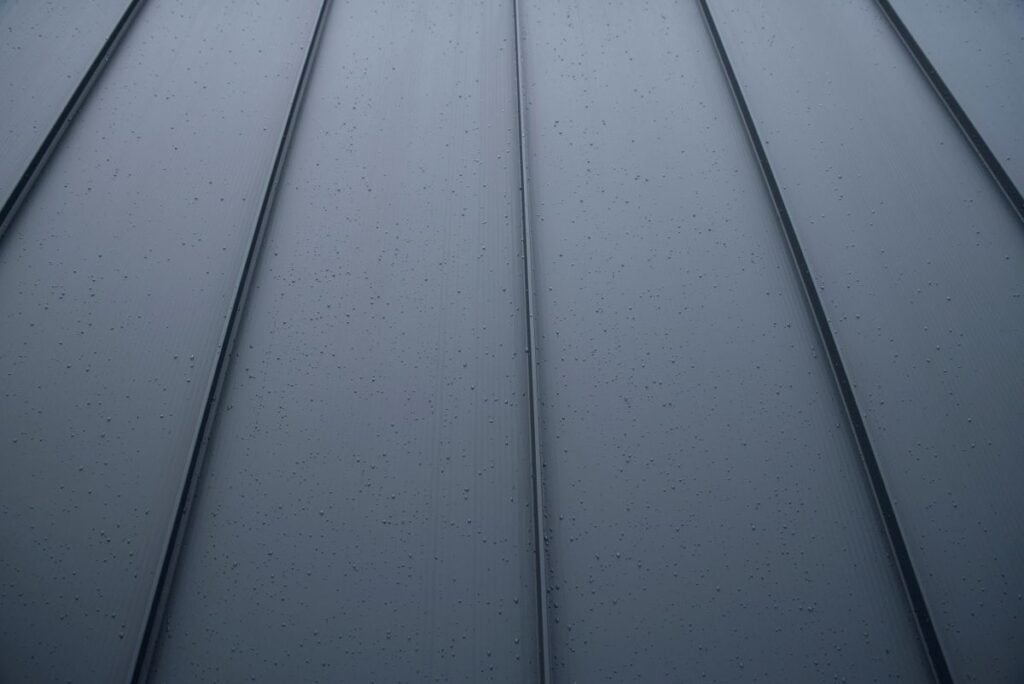
- Standing seam panels: Modern look with concealed fasteners
Each material offers different advantages, and a roofing professional can help determine the best fit for your home.
Metal Roofing Installation Cost Factors
The cost of installing a metal roof can vary based on several factors. Understanding these variables helps homeowners better estimate the investment required.
| Cost Factor | Impact on Pricing |
| Roof size | Larger roofs increase total cost |
| Material type | Premium metals cost more |
| Labor complexity | Installation difficulty affects pricing |
| Roof design | Complex layouts require more time |
Metal roofing installation may have a higher upfront cost compared to other materials, but it often provides long term value through durability and reduced maintenance.
Benefits of Metal Roofing Installation
Metal roofing offers several advantages that make it a strong option for homeowners. These benefits go beyond appearance and contribute to long term performance.
Long Lifespan
Metal roofs are designed to last for decades with proper installation and maintenance. Many systems can last 40 to 70 years, making them a long term investment. For a detailed breakdown of what affects metal roof longevity in Florida’s climate, our guide on how long a metal roof lasts covers the key factors. This extended lifespan reduces the need for frequent replacement.
Energy Efficiency
Metal roofing reflects sunlight, which helps reduce heat absorption. This can lead to lower cooling costs, especially in warmer climates. Over time, this efficiency can contribute to noticeable savings.
Low Maintenance
Compared to other roofing materials, metal roofs require less upkeep. They are resistant to many common issues such as cracking or warping. This helps homeowners save on maintenance over time.
Modern Appearance
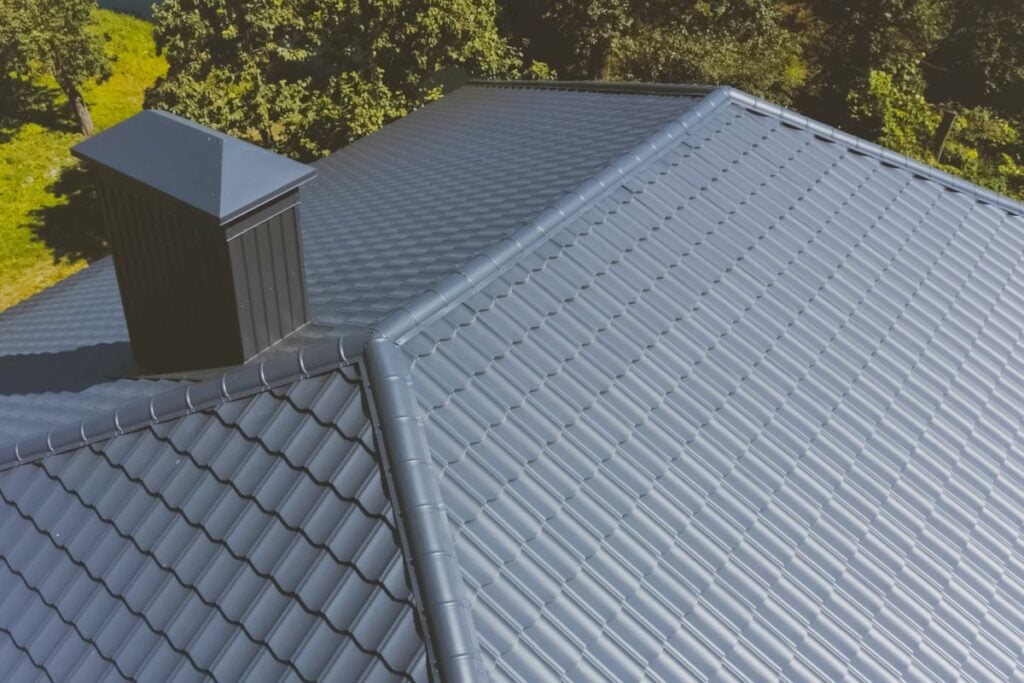
Metal roofing offers a clean, modern look that works well with many architectural styles. With a variety of colors and finishes available, homeowners can customize the appearance of their roof.
Is Metal Roofing Right for Your Home?
Metal roofing is a strong option for many homeowners, but it is important to consider your specific needs and goals. Factors such as budget, home design, and long term plans all play a role in the decision.
Working with experienced professionals ensures proper use of tools, roof brackets, and safety equipment during installation. This helps guarantee the roof is installed correctly and performs as expected over time.
Upgrade Your Home With Shingle Masters
Metal roofing installation offers durability, efficiency, and long term value when done correctly. Understanding the process and benefits helps homeowners make informed decisions about their roofing system.
Shingle Masters works with homeowners to provide expert installation and guidance tailored to each project. Whether you are upgrading your roof or exploring new options, our team is here to help.
Contact Shingle Masters today to schedule an inspection and take the next step toward a stronger, more reliable roof. We proudly serve homeowners in Clearwater and across the Tampa Bay area.