 7 Min Read
 05/13/2026
How long does a metal roof last? In most cases, a properly installed metal roof can last anywhere from 40 to 70 years or more. The exact lifespan depends on factors like material type, installation quality, climate, and ongoing maintenance. Homeowners in Apollo Beach and throughout the Tampa Bay area benefit from understanding these factors when comparing metal roofs to traditional shingle roofs, where the difference in longevity becomes even more clear.
In this guide, we will break down lifespan expectations and key maintenance tips.
- Average lifespan: What to expect from different metal roofing systems
- Key factors: What impacts durability over time
- Maintenance tips: How to extend roof life
- Warning signs: When repairs or roof replacement may be needed
How Long Does a Metal Roof Last?
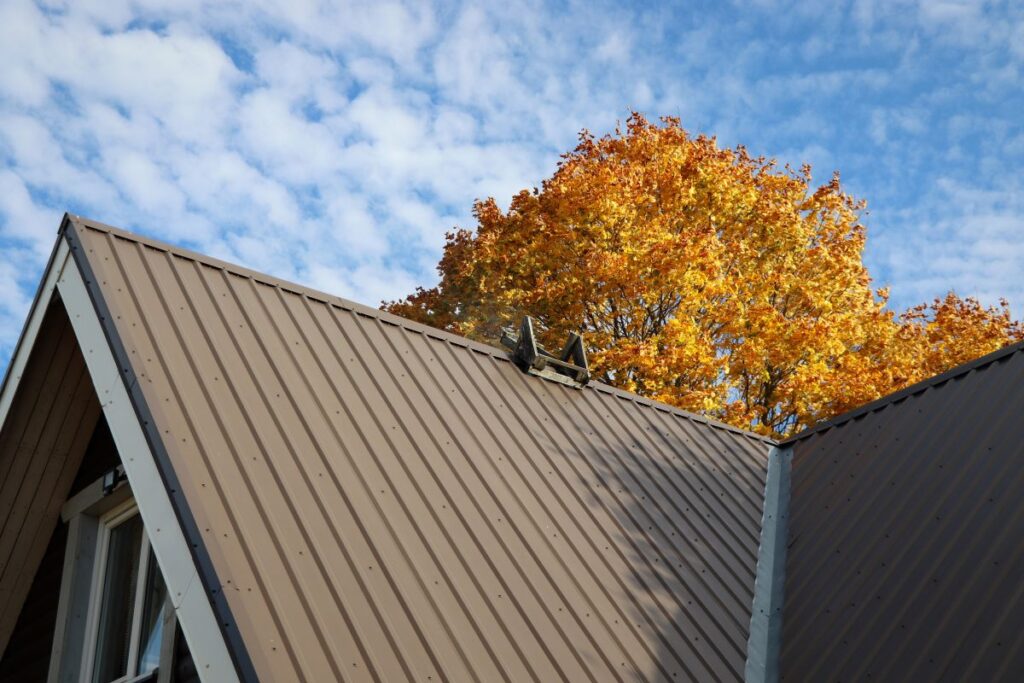
Metal roofs are known for their durability and long lifespan compared to traditional roofing materials. While shingle roofs may last 20 to 30 years, metal roofing systems often last significantly longer with proper care.
Different types of metal roofing materials offer varying lifespans. Factors like exposure to weather, installation quality, and maintenance all play a role in how long your roof will perform.
- Steel roofing: Typically lasts 40 to 60 years
- Aluminum roofing: Often lasts 50+ years and resists corrosion
- Copper and zinc roofs: Can last 70 years or more with minimal maintenance
- Standing seam metal roofs: Designed for long term durability and performance
Metal Roof Lifespan by Environment
Where your home is located plays a major role in how long your roof will last. Environmental conditions can either extend or shorten the lifespan depending on exposure levels.
Homes in coastal areas may experience more corrosion due to salt air, while homes in hot climates deal with prolonged UV exposure. In contrast, milder climates may allow metal roofing systems to reach the higher end of their lifespan range.
- Coastal areas: Increased risk of corrosion from salt exposure
- Hot climates: UV exposure may wear coatings faster
- Storm prone regions: Wind and debris can impact panels
- Moderate climates: Often allow for maximum lifespan potential
What Affects the Lifespan of a Metal Roof?
Several factors influence how long a metal roof will last. Understanding these variables helps homeowners make better decisions about installation and upkeep.
Climate and Weather Exposure
Harsh weather conditions can impact the longevity of any roofing system. Metal roofs perform well in most environments, but constant exposure to heavy rain, salt air, or extreme heat can wear down protective coatings over time. It is also a common misconception that metal roofs attract lightning, but in reality, they do not increase the likelihood of a strike and can safely disperse energy if one occurs.
Installation Quality
Installation plays a major role in lifespan. Improper fastening, poor sealing, or misaligned panels can lead to leaks and early failure. Working with experienced professionals ensures the system performs as intended for decades. Our guide on metal roofing installation covers the full process and what to expect from a professional installation.
Roofing Material Type
Not all metal roofs are the same. Higher quality materials like aluminum or copper and zinc roofs tend to last longer and resist corrosion better than lower grade metals. The choice of material directly impacts longevity.
Maintenance and Upkeep
Regular maintenance helps prevent small issues from becoming major problems. Cleaning debris, checking fasteners, and monitoring for damage all contribute to a longer lasting roof and help delay the need for roof replacement.
5 Maintenance Tips to Extend Metal Roof Lifespan
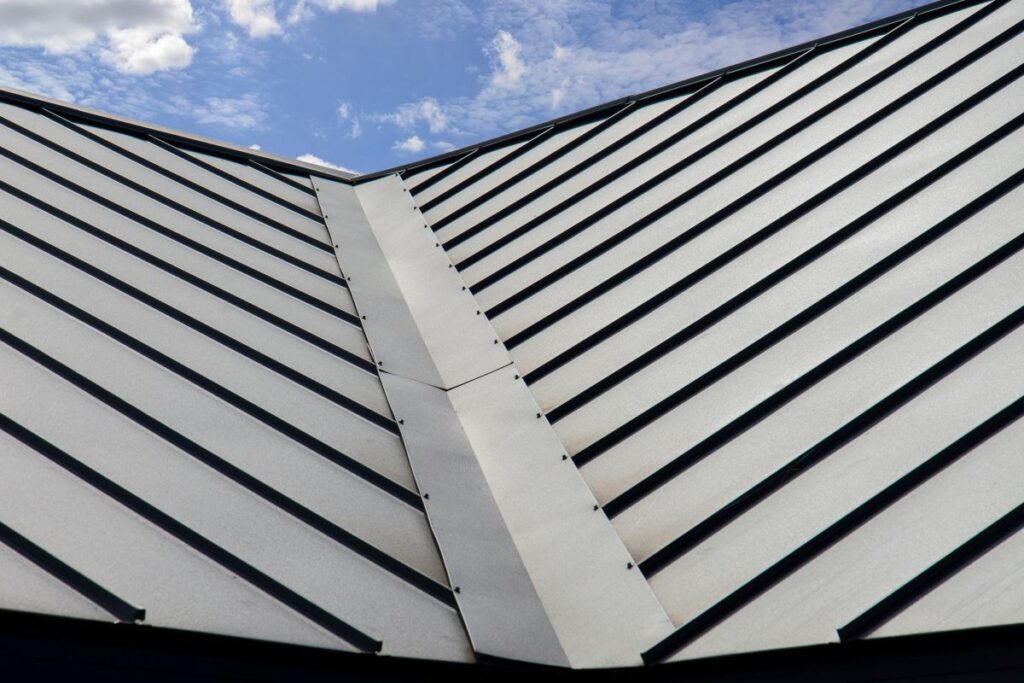
Proper care can significantly extend the life of your roof. These practical steps help keep your metal roofing system in strong condition over time.
1. Schedule Routine Inspections
Regular inspections help catch minor issues early. A professional can identify loose fasteners, small leaks, or early signs of wear before they worsen. This proactive approach helps maintain long term performance.
- Check for damage: Look for loose panels or fasteners
- Inspect seams: Ensure proper sealing
- Monitor wear: Identify early signs of aging
2. Keep the Roof Surface Clean
Debris like leaves and dirt can trap moisture and lead to corrosion. Keeping the roof clean helps preserve protective coatings and prevents buildup that could affect performance.
- Remove debris: Prevent moisture retention
- Clear valleys: Avoid water pooling
- Maintain surface: Reduce long term wear
3. Inspect Fasteners and Seals
Fasteners and sealants play a critical role in keeping the roof watertight. Over time, they may loosen or degrade due to temperature changes and weather exposure.
- Tighten fasteners: Prevent movement
- Check sealants: Look for cracks or gaps
- Replace worn parts: Maintain protection
4. Maintain Protective Coatings
Metal roofs rely on coatings to resist rust and weather damage. If coatings begin to fade or wear, reapplying them can extend the roof’s lifespan and improve performance.
- Watch for fading: Early sign of wear
- Recoat when needed: Protect exposed metal
- Prevent corrosion: Extend durability
5. Ensure Proper Drainage
Water should move off the roof efficiently to prevent standing water and long term damage. Proper drainage protects both the roof and surrounding components. If your gutters are showing signs of wear, our guide on gutter replacement covers when it’s time for a new system.
- Clean gutters: Prevent blockages
- Check downspouts: Ensure proper flow
- Monitor runoff: Avoid pooling
We’re proud to serve home and business owners in Brandon, Tampa, and nearby communities with metal roofing guidance and more.
Common Metal Roof Issues Over Time
Even though metal roofs are highly durable, they can still develop issues over time. Knowing what to look for helps homeowners address problems early and avoid larger repairs.
- Loose fasteners: Can lead to panel movement or leaks
- Sealant breakdown: May allow water intrusion at seams
- Surface scratches: Can expose metal to corrosion
- Panel expansion: Temperature changes may affect alignment
Addressing these issues early helps preserve the roof and extend its lifespan.
Signs Your Metal Roof May Need Repair or Replacement
Even durable roofs eventually show signs of wear. Recognizing these indicators helps homeowners take action before problems worsen.
- Visible rust or corrosion: Indicates coating failure
- Loose or damaged panels: May affect performance
- Leaks or water intrusion: Requires immediate attention
- Aging system: Nearing the end of its lifespan
Metal Roof vs Other Roofing Materials
Understanding how metal roofing compares to other options can help homeowners make informed decisions when comparing metal roofs to alternatives like shingle roofs.
| Roofing Material | Average Lifespan |
| Metal roofing | 40–70+ years |
| Asphalt shingles | 20–30 years |
| Tile roofing | 50+ years |
| Wood shakes | 20–40 years |
Metal roofing stands out for its durability and long term value compared to many alternatives.
Is a Metal Roof Worth the Investment?
Metal roofs typically have a higher upfront cost, but their long lifespan and low maintenance needs often make them a worthwhile investment. Over time, homeowners benefit from fewer repairs and delayed roof replacement needs. According to the U.S. Department of Energy, substituting a cool roof for a conventional roof can reduce the annual air conditioning energy use of a single-story building by up to 15% — and metal roofing’s natural reflectivity makes it one of the most energy-efficient upgrades a homeowner in a warm climate like Tampa can make.
Choosing metal roofing can provide long term protection, energy efficiency, and peace of mind when properly installed and maintained.
Protect Your Roof With Shingle Masters
Understanding how long a metal roof lasts helps homeowners make informed decisions about their roofing system. With proper installation and maintenance, metal roofs can provide decades of reliable performance.
Shingle Masters works with homeowners to evaluate roofing options and provide expert installation and maintenance guidance. Whether you are planning an upgrade or maintaining your current roof, our team is here to help.
Contact Shingle Masters today to schedule an inspection and keep your roof performing at its best. We proudly serve homeowners in Land O’ Lakes and across the Tampa Bay area.