 7 Min Read
 05/18/2026
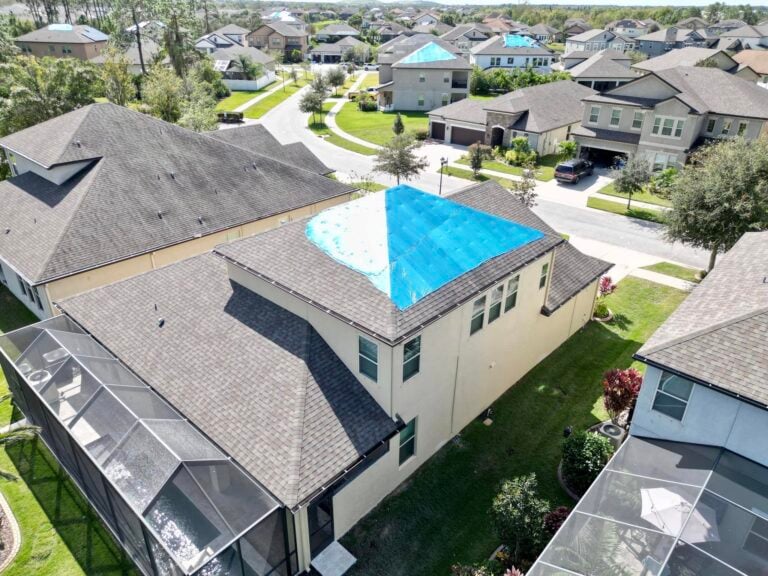
Storm damage roof repair is essential for protecting your home after severe weather. High winds, heavy rain, hail, and debris can all impact your roof’s performance and lead to long term issues if not addressed quickly. Homeowners in Clearwater and throughout the Tampa Bay area need to understand the different types of roof damage and how they are repaired so they can take the right steps after a storm.
In this guide, we will cover the most common types of storm related roof damage and the solutions available.
- Damage types: What storms can do to your roof
- Repair solutions: How issues are fixed
- Inspection tips: What to look for after a storm
- Prevention: How to reduce future damage
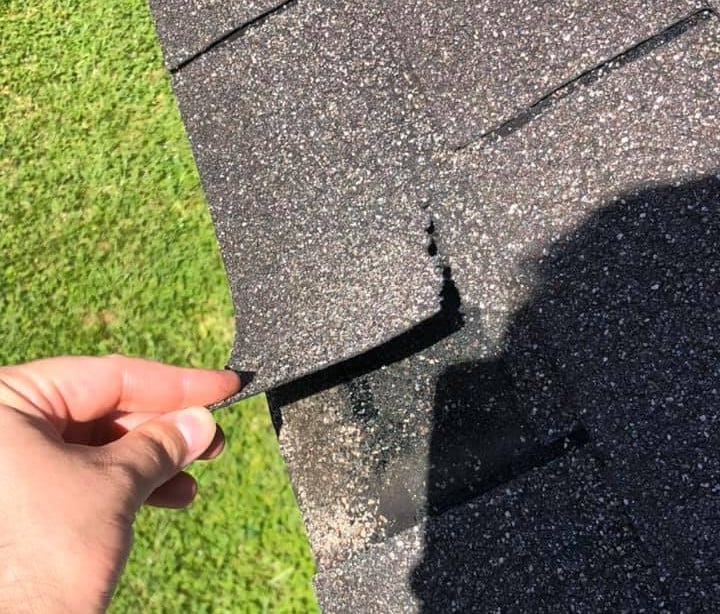
Why Storm Damage Roof Repair Matters
After a major storm, even small roofing issues can quickly turn into larger problems. Water intrusion, structural damage, and weakened materials can all impact the safety of your home. Prompt repairs help prevent further damage and reduce the need for a full roof replacement.
Storm damage can also affect other parts of your home, including gutters, siding, and the roof deck. Addressing problems early helps maintain the integrity of the entire roofing system.
- Leak prevention: Stops water from entering your home
- Structural protection: Preserves the roof deck and framing
- Cost control: Avoids more expensive repairs later
- Home safety: Maintains overall protection
6 Types of Storm Damage & How to Fix Them
Different weather conditions can cause different types of roof damage. Knowing what to look for helps homeowners identify issues early and take action.
1. Wind Damage
Strong winds can lift, loosen, or completely remove roofing materials. This is especially common with asphalt shingles and older roofs.
- Missing shingles: Leaves the roof exposed
- Lifted edges: Weakens surrounding shingles
- Loose materials: Can lead to further damage
Solution: Damaged shingles are replaced, and surrounding areas are secured to prevent additional lifting. If the damage is widespread, a full roof shingle replacement may be the most effective long-term solution. In severe cases, partial or full roof replacement may be recommended.
2. Hail Damage
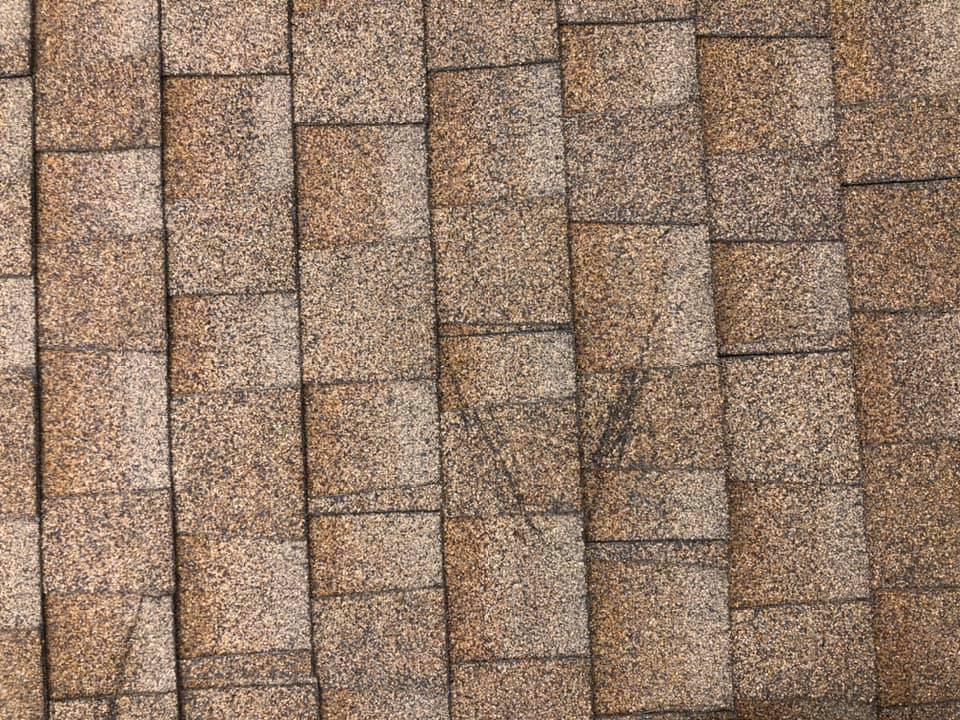
Hail can cause impact damage to roofing materials, leading to cracks, dents, or granule loss. This type of damage may not always be visible from the ground. According to the Insurance Institute for Business & Home Safety, hail causes an estimated $10 billion in annual U.S. property damage — with roofs bearing the brunt of the impact, making a professional inspection after every hailstorm essential for identifying damage that may not be visible from the ground.
- Dented surfaces: Common on metal roofing
- Granule loss: Weakens shingle protection
- Cracks or fractures: Leads to leaks over time
Solution: A professional inspection is needed to assess the extent of the damage. Repairs may include replacing affected sections or upgrading materials for better durability.
3. Water Damage and Leaks
Heavy rain can expose weak points in your roof, leading to leaks and moisture buildup. Water damage can spread quickly if not addressed.
- Interior stains: On ceilings or walls
- Active leaks: During or after storms
- Mold growth: From trapped moisture
Solution: Leaks are sealed, damaged materials are replaced, and underlying issues such as worn underlayment are repaired to restore protection.
4. Fallen Debris Damage
Branches, trees, and other debris can cause significant damage during storms. Impact can break shingles, puncture roofing materials, or damage the roof deck.
- Punctures: Holes in the roofing surface
- Broken shingles: From impact force
- Structural damage: To decking or framing
Solution: Debris is removed, damaged areas are repaired or replaced, and structural components are reinforced if needed.
5. Flashing Damage
Flashing around vents, chimneys, and roof edges can become loose or damaged during storms. This creates vulnerable areas for water intrusion.
- Loose flashing: Allows water to seep in
- Bent metal: Reduces effectiveness
- Seal failure: Leads to leaks
Solution: Flashing is repaired or replaced, and sealants are reapplied to ensure a watertight seal.
6. Gutter and Drainage Damage
Storms can also affect gutters and drainage systems, which play a key role in protecting your roof. If your gutter system has been compromised, our guide on gutter installation covers what to expect when upgrading to a new system.
- Clogged gutters: Prevent proper water flow
- Detached sections: Reduce drainage efficiency
- Overflow issues: Lead to water damage
Solution: Gutters are repaired or replaced, and drainage systems are cleared to ensure proper water flow away from the home.
We’re proud to serve home and business owners in Carrollwood, Tampa, and nearby communities with storm damage roof repair and more.
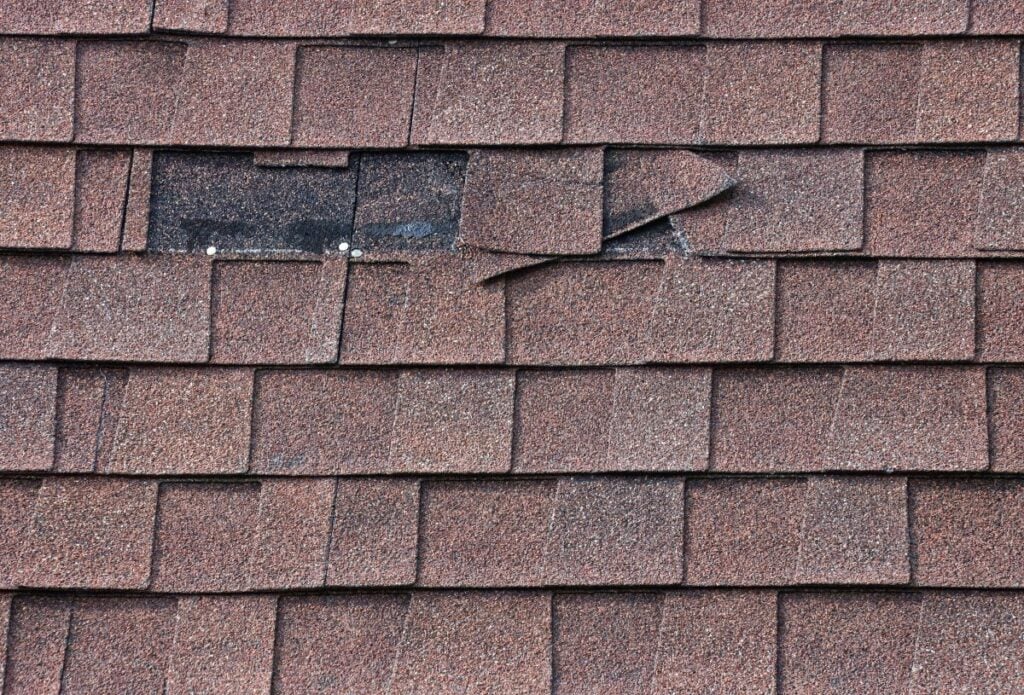
Roof Inspection Tips After Storm Damage
A thorough inspection after a storm helps catch both visible and hidden roof damage before it turns into a bigger problem. Even minor issues can worsen over time, so taking a careful look at key areas of your home can help protect your roof and prevent costly repairs.
- Ground-Level Check: Look for missing shingles, debris, or uneven roof lines from a safe distance
- Gutter Inspection: Check for granules, clogs, or loose sections that may indicate roof damage
- Interior Signs: Watch for water stains, musty odors, or peeling paint inside your home
- Professional Evaluation: Schedule an inspection to identify hidden damage and ensure proper repairs
Storm Damage Roof Repair Costs
The cost of repairs depends on the type and extent of the damage. Minor repairs are typically more affordable, while severe damage may require larger investments.
| Damage Type | Typical Cost Range |
| Minor shingle repair | Lower cost |
| Leak repair | Moderate cost |
| Structural repair | Higher cost |
| Full roof replacement | Highest cost |
Costs vary based on materials, labor, and the complexity of the repair.
Preventing Future Storm Damage
While storms cannot be avoided, there are steps homeowners can take to reduce the risk of damage.
- Regular inspections: Identify weak areas early
- Routine maintenance: Keep roofing materials in good condition
- Upgrade materials: Use impact resistant options
- Trim trees: Reduce risk of falling debris
Preventative measures can help extend the life of your roof and reduce the likelihood of major repairs.
FAQs About Storm Damage Roof Repair
Homeowners often have questions after a storm hits, especially when it comes to identifying damage and deciding what steps to take next. Understanding the repair process and what to expect can help you act quickly and protect your home.
How do I know if my roof has storm damage?
Common signs include missing shingles, dents from hail, leaks, or debris on the roof. Some damage may not be visible from the ground, which is why a professional inspection is recommended.
Should I repair or replace my roof after a storm?
It depends on the extent of the damage. Minor issues can often be repaired, while widespread damage or structural concerns may require a full roof replacement.
How soon should I schedule storm damage roof repair?
Repairs should be scheduled as soon as possible to prevent further damage. Delaying repairs can lead to leaks, mold, and more expensive issues over time.
Will insurance cover storm damage roof repair?
Many homeowner insurance policies cover storm related damage, but coverage depends on your policy. Documenting damage and working with a professional roofing contractor can help with the claims process.
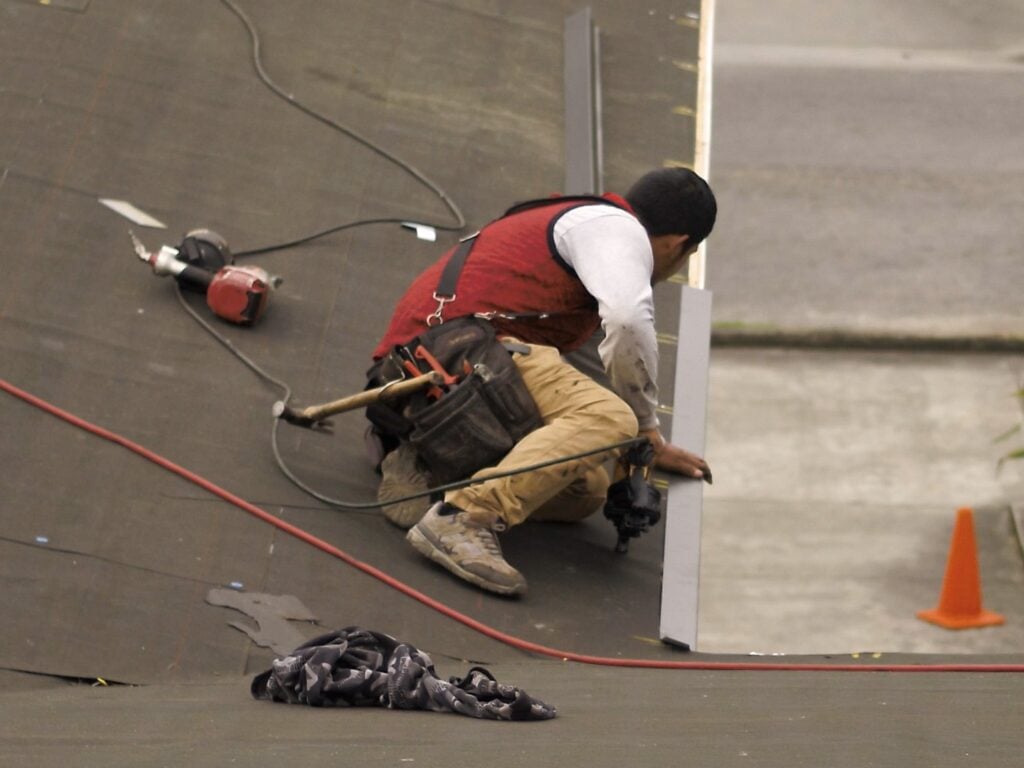
Protect Your Home With Shingle Masters
Storm damage roof repair is critical for maintaining the safety and performance of your home after severe weather. Addressing issues quickly helps prevent long term damage and costly repairs.
Shingle Masters works with homeowners to assess storm damage and provide reliable repair solutions. Whether you need minor repairs or a full roof replacement, our team is here to help. Contact Shingle Masters today to schedule an inspection and restore your roof with confidence. We proudly serve homeowners in Brandon and across the Tampa Bay area.