 10 Min Read
 09/24/2026
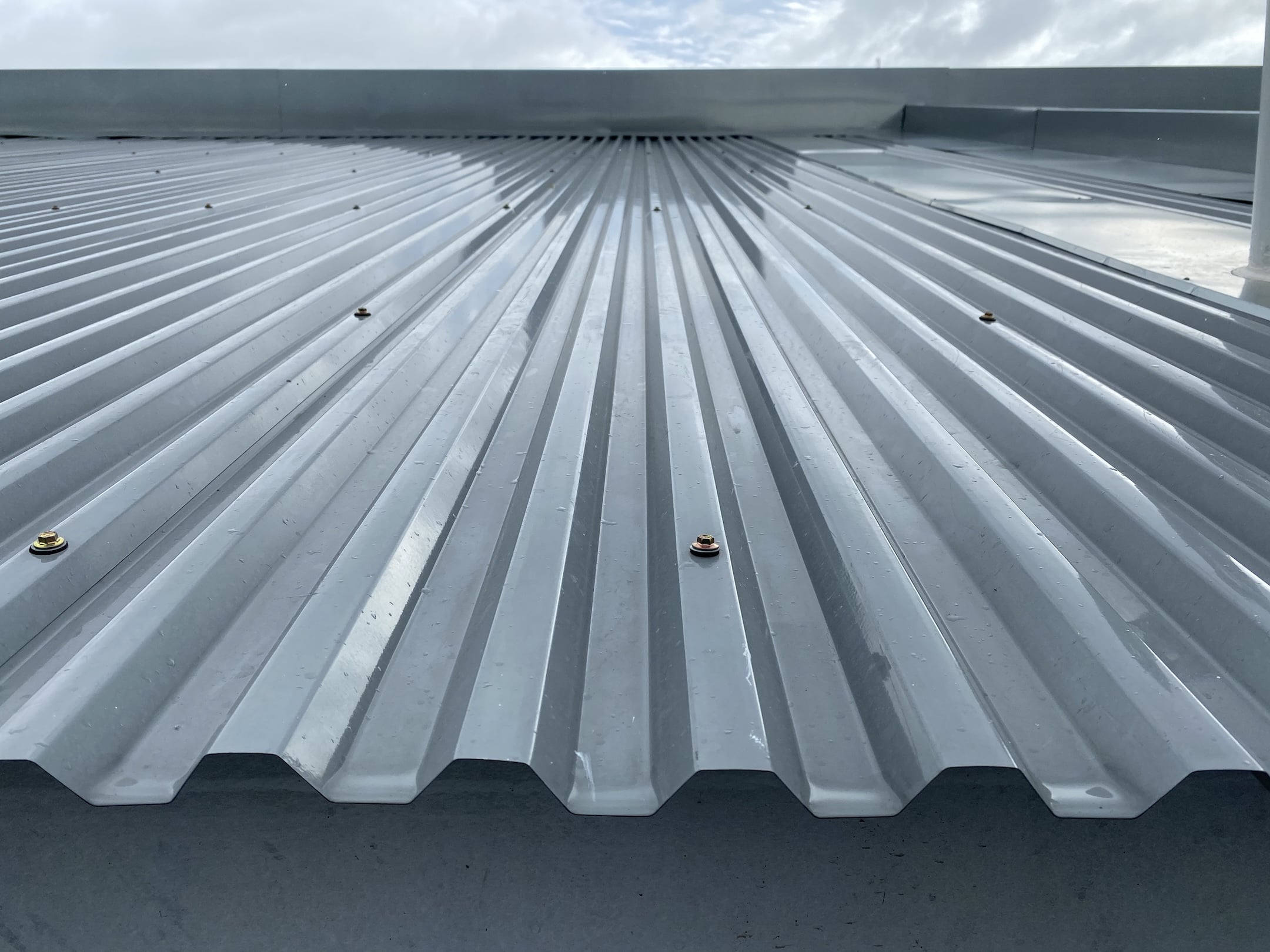
A metal roof coating can help protect an existing metal roofing system from UV exposure, moisture, corrosion, and everyday weathering while creating a continuous protective layer across the roof surface. For the right roof, a coating can also improve energy efficiency and help extend its useful roof life.
But applying roof coatings isn’t automatically the answer to every roofing problem. The condition of the panels, seams, fasteners, flashing, and underlying roof all matter. If your commercial metal roof is showing signs of age, explore metal roofing options before assuming roof replacement is your only choice.
- Weather protection: Coatings create an additional barrier against rain, sunlight, and environmental exposure.
- Leak prevention: Properly applied systems can help protect vulnerable seams, fasteners, and roof penetrations.
- Reflectivity: Certain reflective coatings can reduce the amount of solar heat absorbed by metal surfaces.
- Roof longevity: Coating a suitable existing roof can delay deterioration and potentially extend its service life.
What Is a Metal Roof Coating?
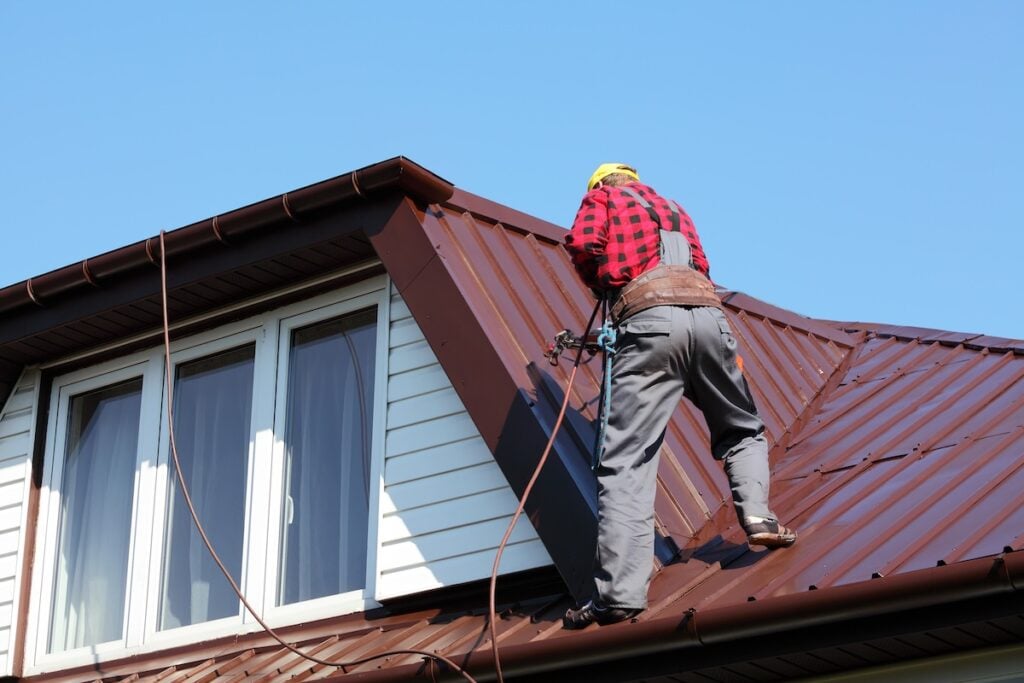
A metal roof coating is a fluid-applied roofing material installed over an existing metal roofing surface. Once cured, it forms a protective layer designed to help shield the roof from weather, UV radiation, and moisture.
Several coating options are available, including acrylic, elastomeric, and silicone coatings. The appropriate product depends on the existing roofing system, its condition, drainage characteristics, climate, and the goals of the roof project.
A coating shouldn’t be confused with simply painting a metal roof. Roof coatings are specifically designed as protective roofing products and require proper surface preparation and application to perform as intended.
5 Things a Metal Roof Coating Can Do
The benefits of coating a metal roof go beyond changing its appearance. When the existing roof is a suitable candidate and the system is properly installed, a coating can address several challenges associated with aging metal roofing.
1. Add Protection Against Water
Metal roofing panels themselves resist water well, but a complete roof contains seams, fasteners, flashing, roof penetrations, and transitions. These areas can become vulnerable as materials age and move.
- Seams: Panel connections can receive additional protection against moisture.
- Fasteners: Exposed fastener locations can become potential leak points as components age.
- Flashing: Roof transitions can be incorporated into the coating system where appropriate.
- Penetrations: Areas around vents, pipes, and equipment require careful detailing before coating.
2. Protect the Roof From UV Exposure
Florida sunlight places metal roofing systems under constant UV exposure. Over time, sunlight and heat can contribute to deterioration of existing finishes, sealants, and other roofing components.
Roof coatings provide another layer between the existing metal surface and the elements. UV protection can help slow weather-related deterioration and preserve a roof that’s still structurally suitable for restoration.
- Sun exposure: Coatings shield the underlying roof surface from direct UV radiation.
- Existing finishes: A coating can protect aging surfaces after appropriate preparation.
- Sealants: Proper restoration addresses vulnerable areas before the final coating is applied.
- Long-term wear: Reduced exposure can help slow deterioration of suitable roofing components.
3. Improve Roof Reflectivity
Some metal roof coatings are designed with highly reflective surfaces that reduce solar heat absorption. Rather than absorbing as much sunlight, the coated surface reflects a greater portion of incoming solar energy.
Highly reflective coatings can reduce cooling costs by approximately 10% to 15% in some circumstances, although actual energy efficiency improvements depend on the building, insulation, HVAC system, climate, coating performance, and other factors.
Reflectivity can be particularly attractive for commercial buildings and flat roofs with large areas exposed to Florida’s solar heat throughout the day.
4. Help Manage Thermal Movement
Metal naturally expands as it heats and contracts as it cools. Over years of repeated temperature changes, that movement can place stress on seams, fasteners, sealants, and other parts of the roofing system.
Elastomeric coatings are designed to remain flexible so they can accommodate some movement of the underlying roof. They also provide UV protection that can reduce weather-related stress on suitable metal roof applications.
- Daily temperature changes: Metal panels repeatedly expand and contract as temperatures fluctuate.
- Flexible protection: Elastomeric materials are designed to move rather than remain completely rigid.
- Seam protection: Properly detailed seams receive another layer of weather protection.
- Reduced exposure: Reflective surfaces can help limit solar heat absorption.
5. Extend the Life of a Suitable Metal Roof
One of the biggest reasons building owners consider coating is the possibility of restoring an aging roof rather than immediately replacing it. If the metal panels and supporting system remain in appropriate condition, restoration can address vulnerable areas and create a new protective surface.
That can potentially extend roof life while helping property owners avoid premature roof replacement and other costly repairs. A coating won’t reverse structural deterioration, however, so the existing roofing system must still provide a serviceable foundation.
Acrylic vs Silicone Metal Roof Coatings
Acrylic and silicone coatings are two common options, but they have different characteristics. Choosing between them should be based on roof conditions rather than simply selecting whichever product has the lower price.
Acrylic Coatings
Acrylic coatings are durable and relatively economical elastomeric coatings. They’re often valued for reflectivity, UV resistance, and their ability to create a flexible protective surface.
- Cost-conscious option: Acrylic products can offer an economical approach to suitable restoration projects.
- Reflectivity: White and other reflective acrylic coatings can reduce solar heat absorption.
- UV performance: Acrylic coatings can perform well on roofs exposed to substantial sunlight.
- Flexibility: Elastomeric properties allow the coating to accommodate some roof movement.
Silicone Coatings
Silicone coatings are commonly considered where moisture resistance and exposure to ponding water are important concerns. Products such as GAF High Solids Silicone are examples of silicone-based coating options designed for roof restoration applications.
- Water resistance: Silicone performs well in environments with frequent moisture exposure.
- UV stability: It can withstand substantial exposure to sunlight.
- Roof conditions: Drainage and existing roof condition still need to be evaluated before installation.
- Project cost: Preparation, repairs, reinforcement, coating thickness, accessibility, and roof complexity affect the final price.
What About Rubber Roof Coatings?
The term rubber roof coating can be used broadly for flexible coating products, which can make it confusing when comparing materials. A rubber roof coating isn’t automatically interchangeable with silicone or acrylic products, and rubber roofing itself can refer to membrane systems used on low-slope roofs.
The existing roofing material should therefore guide product selection. Compatibility matters because a coating needs to properly adhere to the surface beneath it and perform under the conditions that particular roof experiences.
Does a Metal Roof Coating Stop Leaks?
A properly designed coating system can help address certain leak vulnerabilities, but applying coating over an unidentified leak isn’t a reliable repair strategy.
Before coating begins, the roof should be evaluated for loose fasteners, deteriorated seams, corrosion, damaged flashing, punctures, and other defects. Those problems may require repairs or preparation before the coating system is installed.
If water has already reached insulation, decking, or structural components, simply covering the exterior surface may leave the underlying problem unresolved.
When Is a Metal Roof a Good Candidate for Coating?
Roof coating works best when the existing metal roof remains fundamentally serviceable. The goal is to restore and protect a viable roofing system, not conceal extensive deterioration.
- Surface aging: The existing finish may be weathered while the panels themselves remain usable.
- Minor corrosion: Limited surface corrosion may be treatable after appropriate preparation.
- Aging seams or fasteners: Vulnerable areas may be repaired and detailed as part of restoration.
- UV exposure: A reflective coating can provide additional protection on sun-exposed roofs.
- Suitable structure: Panels, decking, and structural components need to be in appropriate condition for restoration.
When Shouldn’t You Coat a Metal Roof?
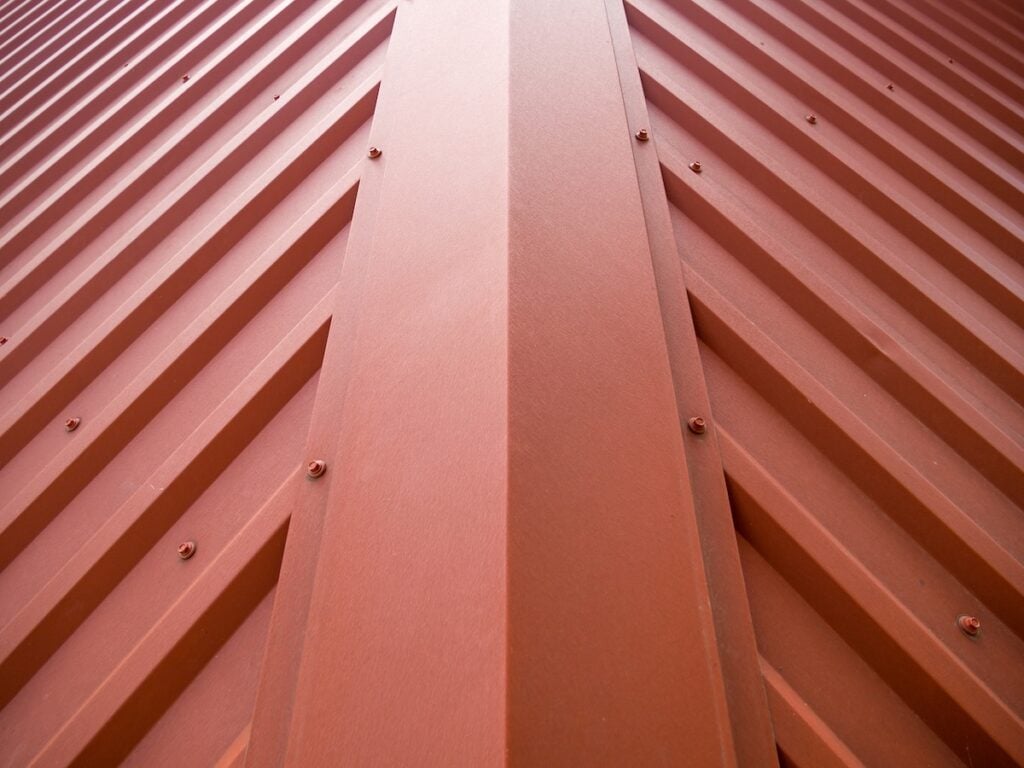
There are situations where coating may not be the appropriate solution. Extensive corrosion, badly deteriorated panels, significant structural problems, widespread trapped moisture, or recurring failures can indicate that more substantial repairs or roof replacement should be considered.
Applying a coating without correcting those conditions can conceal problems rather than solve them. The existing roofing system needs to be evaluated first so the coating has a stable, properly prepared surface to adhere to.
How Is Metal Roof Coating Applied?
Successful coating depends heavily on preparation. A roof that isn’t properly cleaned, repaired, and prepared can experience adhesion problems regardless of the quality of the coating itself.
- Inspection: The existing metal roof is evaluated for damage, corrosion, leaks, and unsuitable areas.
- Cleaning: Dirt, oxidation, debris, and other contaminants are removed from the roof surface.
- Repairs: Loose fasteners, damaged panels, seams, flashing, and penetrations are addressed as needed.
- Detailing: Vulnerable roof areas may receive reinforcement or additional treatment.
- Coating: The selected product is applied at the specified coverage and thickness.
How Long Does Metal Roof Coating Last?
There isn’t one lifespan for every coated metal roof. Performance depends on the coating material, application thickness, surface preparation, roof drainage, UV exposure, maintenance, workmanship, and the condition of the underlying metal roof.
Routine inspections remain important after coating. Damage around rooftop equipment, drainage problems, punctures, or other localized issues should be addressed rather than allowing them to compromise a larger portion of the restored surface.
FAQs About Metal Roof Coatings
Roof coatings can be useful restoration tools, but their effectiveness depends on matching the coating system to the condition of the existing roof.
Is coating a metal roof worth it?
It can be when the existing roof remains a good candidate for restoration. Coating may provide additional weather protection, reflectivity, and roof life without immediately removing an otherwise viable metal roofing system.
Can you coat a rusty metal roof?
Limited surface corrosion may be treatable with proper cleaning, preparation, and compatible products. Extensive corrosion or metal deterioration may require panel replacement or a larger roofing solution before coating should be considered.
Does a roof coating make a building cooler?
Reflective coatings can reduce solar heat absorption at the roof surface. Highly reflective coatings may reduce cooling costs by around 10% to 15% in some buildings, but actual energy savings vary considerably based on the property.
How much does silicone roof coating cost?
Silicone coating costs depend on roof condition, preparation requirements, coating specifications, labor, accessibility, and project complexity. The total roof project should be evaluated rather than comparing coating material prices alone.
Is acrylic or silicone better for a metal roof?
Neither is automatically better for every roof. Acrylic coatings can provide a durable, economical elastomeric option with strong reflectivity, while silicone may be advantageous where moisture and ponding-water resistance are greater concerns.
See If Your Metal Roof Is Ready for a Coating
A metal roof coating can be a practical way to protect a serviceable roofing system, improve reflectivity, and address weather-related wear without automatically moving to complete replacement. The important first step is determining whether the existing roof is actually a good candidate.
Shingle Masters can inspect your metal roofing system, identify areas that need attention, and explain which coating options, repairs, or other roofing solutions make sense. You’ll know our service fee up front, with no hidden costs and no surprise charges, because trust begins with telling you the truth.
Want to know what your roof actually needs? See what your roof needs with Shingle Masters.