 9 Min Read
 10/13/2026
Galvalume vs aluminum roof is a useful comparison for Florida homeowners deciding between two durable metal roofing materials. Both can provide long service lives and strong weather resistance, but they perform differently when it comes to corrosion, coastal exposure, weight, cost, and long-term maintenance.
The right choice often comes down to where your home is located and what conditions the roof will face. If you’re considering a new metal roof, explore your metal roofing options to see which material makes sense for your property.
- Galvalume: Galvalume steel uses an aluminum-zinc protective coating over a steel core.
- Aluminum: Naturally corrosion resistant and particularly useful in coastal environments.
- Weight: Aluminum is considerably lighter than steel-based Galvalume.
- Cost: A Galvalume metal roof is generally the more budget-friendly option.
- Location matters: Salt exposure can make material selection especially important near Florida’s coastline.
What Is Galvalume Roofing?
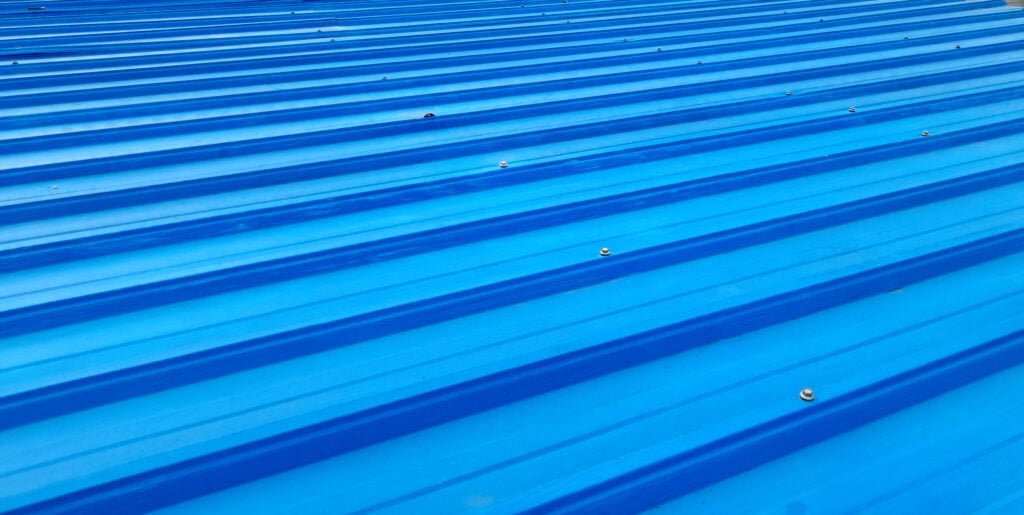
Galvalume roofing starts with a steel substrate covered by a protective coating made primarily from aluminum and zinc. This construction gives homeowners the strength of steel while providing corrosion protection that makes Galvalume useful for a variety of metal roofing systems.
Galvalume is widely used for standing seam metal roofing and other residential and commercial applications because it combines durability, relatively low weight, and cost efficiency. Its protective coating is especially important because the underlying steel can become vulnerable to corrosion if that layer is significantly compromised.
What Is an Aluminum Roof?
Aluminum roofing uses aluminum rather than coated steel as its primary metal roofing material. One of its biggest advantages is its natural corrosion resistance. When exposed to oxygen, aluminum forms a protective oxide layer that helps defend the underlying metal.
That characteristic makes aluminum particularly attractive for coastal properties, where salt in the air creates a challenging environment for many roofing materials. Aluminum standing seam systems can also provide a lightweight roofing option capable of handling Florida rain, sunlight, and severe weather when properly designed and installed.
4 Differences Between Galvalume and Aluminum Roofing
Both materials can produce high-quality metal roofs, but their differences become important when matching a roofing material to a particular home and environment.
1. Corrosion and Coastal Performance
Corrosion is one of the biggest considerations when comparing these materials. A Galvalume roof relies on its aluminum-zinc coating for corrosion resistance, while aluminum provides corrosion resistance without an underlying steel core. That difference becomes especially important in Florida’s coastal environments.
- Galvalume: Its metallic coating provides corrosion protection for the underlying steel.
- Aluminum: Naturally develops a protective oxide layer when exposed to air.
- Coastal properties: Aluminum is commonly chosen where salt exposure is a major concern.
- Scratches: Significant damage that exposes the steel substrate can be more consequential for Galvalume.
- Manufacturer requirements: Coastal restrictions and warranty terms can vary by roofing product.
2. Weight and Physical Characteristics
Aluminum is lighter than steel, giving it an advantage when minimizing roof weight is a priority. Metal roofing in general is relatively lightweight compared with some other roofing materials, but aluminum takes that benefit further.
Galvalume steel remains a relatively lightweight option while offering the rigidity associated with a steel substrate. Aluminum is a softer metal than steel, however, so comparable aluminum panels may be more susceptible to visible denting from sufficiently strong impacts.
- Aluminum: Extremely lightweight and naturally corrosion resistant.
- Galvalume: Heavier than aluminum but still relatively lightweight as a roofing material.
- Impact performance: Panel thickness, profile, support, and impact force all influence denting.
- Handling: Material weight can affect transportation and installation.
3. Cost and Long-Term Value
Galvalume generally costs less than aluminum, making it attractive for homeowners who want the benefits of a metal roof without moving into a more expensive material category. Aluminum’s higher material cost reflects characteristics such as its natural corrosion resistance and suitability for demanding coastal environments.
- Material choice: Aluminum generally carries the higher upfront price.
- Roof size: Larger roofs amplify differences in material costs.
- Panel profile: Standing seam and other panel designs can have different pricing.
- Roof complexity: Valleys, penetrations, hips, and roof geometry affect labor.
- Environment: Paying more for corrosion resistance may make sense when the property experiences significant salt exposure.
The lowest initial price isn’t necessarily the lowest long-term cost if the selected metal isn’t appropriate for the home’s environment.
4. Appearance, Finishes, and Energy Performance
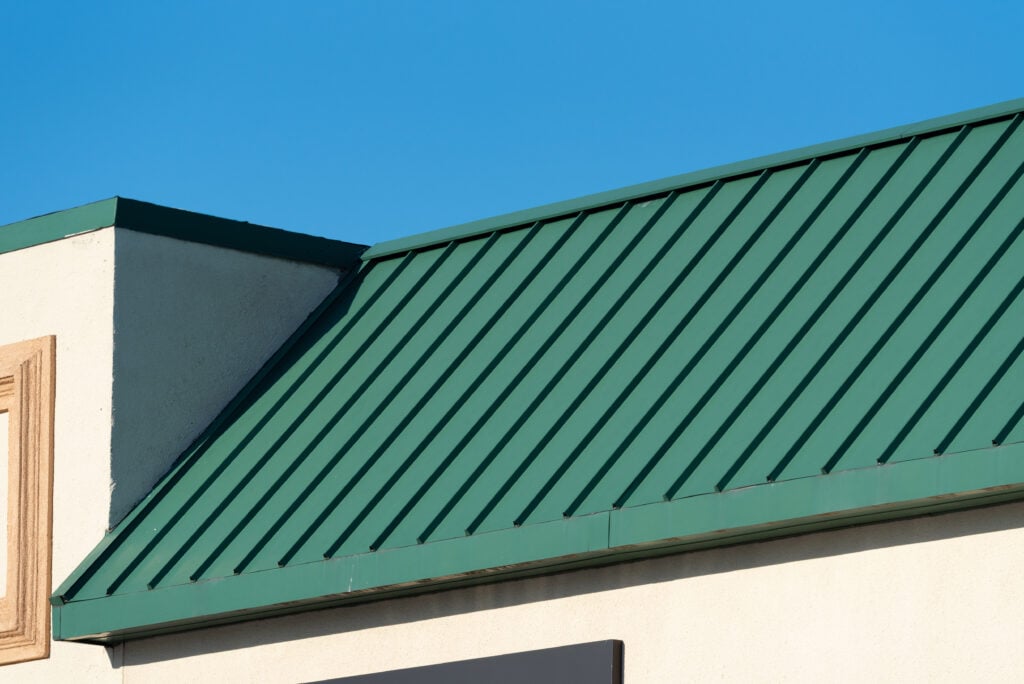
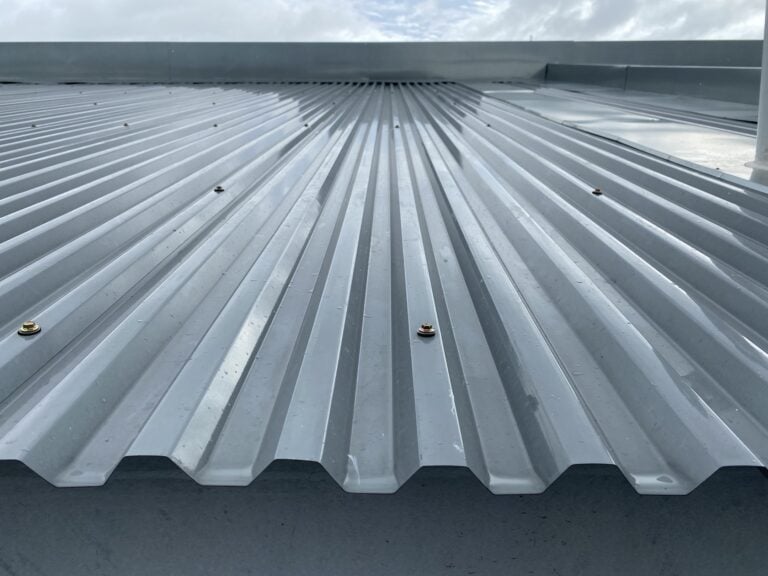
Both Galvalume and aluminum roofing can create a clean, modern appearance and are available in numerous profiles, colors, and finishes. Galvalume is sometimes installed with its characteristic metallic appearance exposed, while painted Galvalume and aluminum systems can provide a wider range of finished looks.
Those finishes aren’t purely cosmetic. A quality protective coating can provide another defense against UV exposure and weathering, while reflective finishes can reduce the amount of solar heat absorbed by the roof surface.
- Color options: Both materials can be produced in a variety of finished colors.
- Reflectivity: Lighter and reflective finishes can reduce solar heat absorption.
- UV protection: Quality finishes help protect roofing surfaces from Florida sunlight.
- Energy performance: Insulation, ventilation, air sealing, and attic design also influence cooling demands.
How Does Galvalume Compare With Galvanized Steel?
Galvalume and galvanized steel both begin with a steel core, but the coatings protecting that steel are different. Traditional galvanized steel uses a pure zinc coating, while Galvalume combines aluminum and zinc in its protective metallic layer.
That distinction affects how the materials resist corrosion and weathering. Homeowners comparing galvanized metal with Galvalume should therefore look beyond the fact that both are steel roofing products and consider the coating, finish, environment, and specifications of the complete roofing system.
Is Aluminum Better for Coastal Florida Homes?
Aluminum has a significant advantage when saltwater exposure is a major concern. Its natural corrosion resistance makes it particularly well suited to coastal environments where salt spray and humid air can be hard on metal building materials.
That doesn’t mean every Florida homeowner needs an aluminum roof. A home well inland faces different environmental conditions than a beachfront property, so proximity to saltwater, manufacturer requirements, warranty terms, compatible fasteners, and expected maintenance should all be considered before selecting a material.
Does Galvalume Rust?
Galvalume is designed for corrosion resistance, but it isn’t completely immune to deterioration. Its aluminum-zinc coating helps shield the steel substrate from moisture and environmental exposure.
If that protection becomes compromised or the material is used in an unsuitable environment, corrosion can eventually affect the underlying steel. Cut edges, scratches, incompatible materials, trapped moisture, and certain environmental exposures can all influence performance, making proper handling and installation important.
Which Metal Handles Florida Weather Better?
Both materials can perform well in Florida when the roof system is properly designed and installed. Material alone doesn’t determine how a roof will respond to severe weather, and corrosion resistance shouldn’t be confused with wind resistance.
- Panel system: Standing seam and exposed-fastener systems use different attachment methods.
- Fastening: Clips, screws, spacing, and installation details influence performance.
- Roof deck: The panels rely on a properly prepared and sealed roof deck as part of the overall assembly.
- Edge details: Eaves, rakes, ridges, and corners can experience significant forces during high winds.
- Product approvals: The specific roofing system should meet applicable requirements for the property and location.
Aluminum’s corrosion resistance can be particularly valuable near the coast, while Galvalume’s steel substrate provides a strong and economical option for many other Florida properties.
How Long Do Galvalume and Aluminum Roofs Last?
Both materials can provide decades of service when correctly specified, installed, and maintained. Giving either material one universal lifespan would be misleading because actual roof life depends heavily on environmental conditions, installation quality, finish, maintenance, drainage, and roof design.
Coastal exposure deserves particular attention because salt can create a more aggressive environment for roofing materials. Likewise, poorly executed seams, flashing, or fasteners can create problems regardless of which metal was selected.
Which Metal Roof Requires More Maintenance?
Neither Galvalume nor aluminum should be considered maintenance-free. Both benefit from periodic inspections that look for loose or damaged components, coating deterioration, debris accumulation, flashing problems, and changes around penetrations.
Coastal properties may need additional attention because salt exposure affects more than the roof panels themselves. Fasteners, flashing, gutters, and other metal components should also be checked for compatibility and signs of deterioration.
FAQs About Galvalume vs Aluminum Roofing
Choosing between these metals usually comes down to the environment around the property, project budget, desired appearance, and specifications of the complete roofing system.
Is Galvalume cheaper than aluminum roofing?
Galvalume is generally the less expensive material. Aluminum typically commands a higher price because of the material itself and characteristics such as its natural corrosion resistance.
Is aluminum roofing good near the ocean?
Yes. Aluminum’s natural resistance to corrosion makes it a popular roofing material for coastal environments. The complete system still needs compatible fasteners, flashing, finishes, and proper installation.
Can Galvalume be used near the coast?
It depends on the particular product, manufacturer requirements, warranty terms, and level of salt exposure. Homeowners near saltwater should verify those details before selecting a Galvalume roofing system.
Is Galvalume the same as galvanized steel?
No. Both use a steel substrate, but their protective metallic coatings differ. Traditional galvanized steel primarily uses a pure zinc coating, while Galvalume uses an aluminum-zinc coating.
Does aluminum roofing dent easily?
Aluminum is softer than steel, so it can be more susceptible to visible denting under certain impacts. Actual performance depends on panel thickness, profile, support, and the force of the impact rather than the metal type alone.
Choose the Right Metal Roof With Shingle Masters
Galvalume and aluminum can both provide durable metal roofing, but the conditions around your home can make one material more appropriate than the other. Shingle Masters can evaluate your roof, location, budget, and priorities and explain how available metal roofing systems differ.
You’ll know our service fee up front, with no hidden costs and no surprise charges, because trust begins with telling you the truth. We’ll help you understand the practical differences between materials without pushing you toward an option your home doesn’t need.
Thinking about making the switch to metal? Talk through your options with Shingle Masters.