 10 Min Read
 10/22/2026
When a hurricane approaches Florida, your roof becomes one of your home’s most important lines of defense. In a metal roof vs shingle roof hurricane comparison, both systems can provide strong protection when they’re properly designed and installed, but they respond to extreme wind and flying debris differently.
The roofing material itself is only part of the equation. Installation quality, roof deck condition, fastening methods, underlayment, flashing, roof shape, and wind rating can all affect how a roof performs during severe weather. If you’re considering a more storm-ready roofing system, explore metal roofing options from Shingle Masters.
- Wind matters: Hurricanes can place significant uplift pressure on roofing materials.
- Proper installation is critical: Even durable materials depend on correct fastening and detailing.
- Debris creates another threat: Windborne objects can damage both metal and shingles.
- The whole system counts: Roof decking, underlayment, flashing, and attachments all contribute to performance.
How Do Hurricanes Damage Residential Roofs?
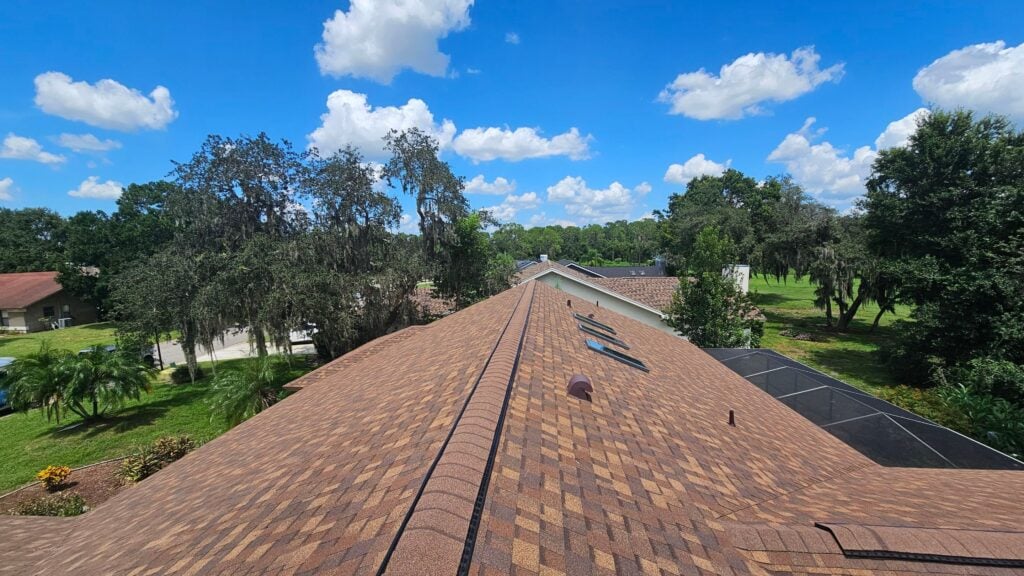
Hurricane damage isn’t limited to rain falling from above. High winds can create pressure differences around a home and attempt to lift roofing materials away from the roof deck. Roof edges, corners, ridges, and other vulnerable areas can experience particularly strong forces.
Wind-driven rain can then enter through damaged materials, flashing, vents, or other openings. Flying branches and debris introduce impact damage as another concern. That’s why comparing roofing materials requires looking beyond whether metal or shingles simply feel stronger.
5 Hurricane Performance Differences Between Metal and Shingle Roofs
Both roofing systems can be appropriate for Florida homes, but their materials and installation methods create meaningful differences during severe storms.
1. Metal Roofing Can Offer Strong Wind Resistance
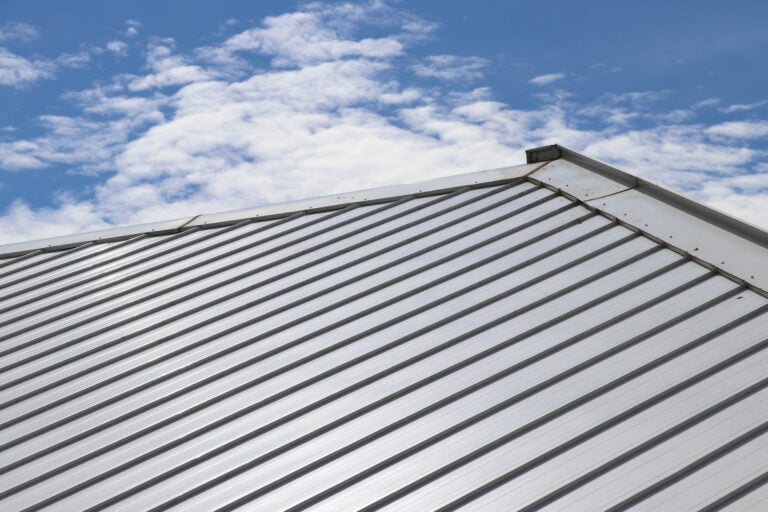
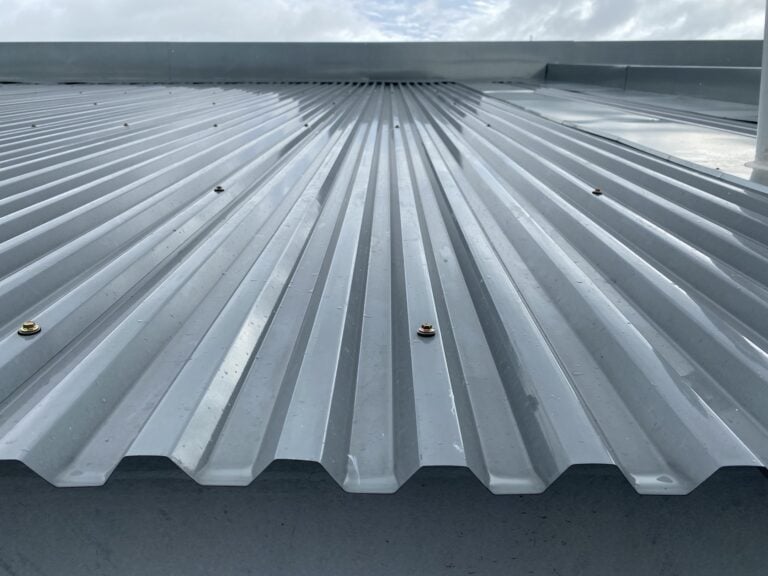
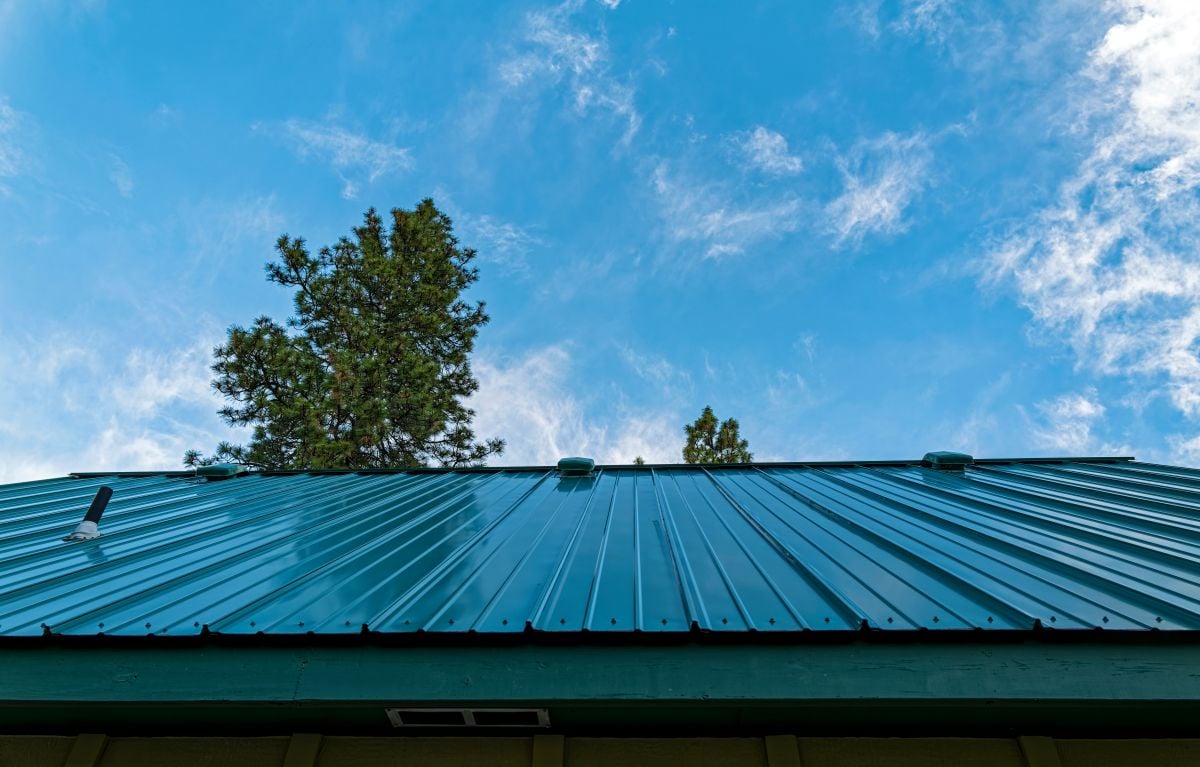
Metal roofing systems are mechanically attached to the structure. Standing seam metal roofs can use concealed clips or fasteners, while other systems may use exposed screws depending on their design. When properly engineered and installed, these systems can be designed for demanding wind conditions.
- Continuous panels: Metal panels generally cover larger areas than individual shingles.
- Mechanical attachment: Panels are secured to the roof structure using a defined fastening system.
- Standing seams: Raised seams connect adjoining panels while helping manage water.
- System-specific ratings: Wind performance depends on the exact product, attachment pattern, roof design, and installation.
A metal roof isn’t automatically hurricane-proof. Poorly secured panels, weak edge details, incorrect fasteners, or installation errors can still lead to storm damage.
2. Asphalt Shingles Depend Heavily on Proper Sealing
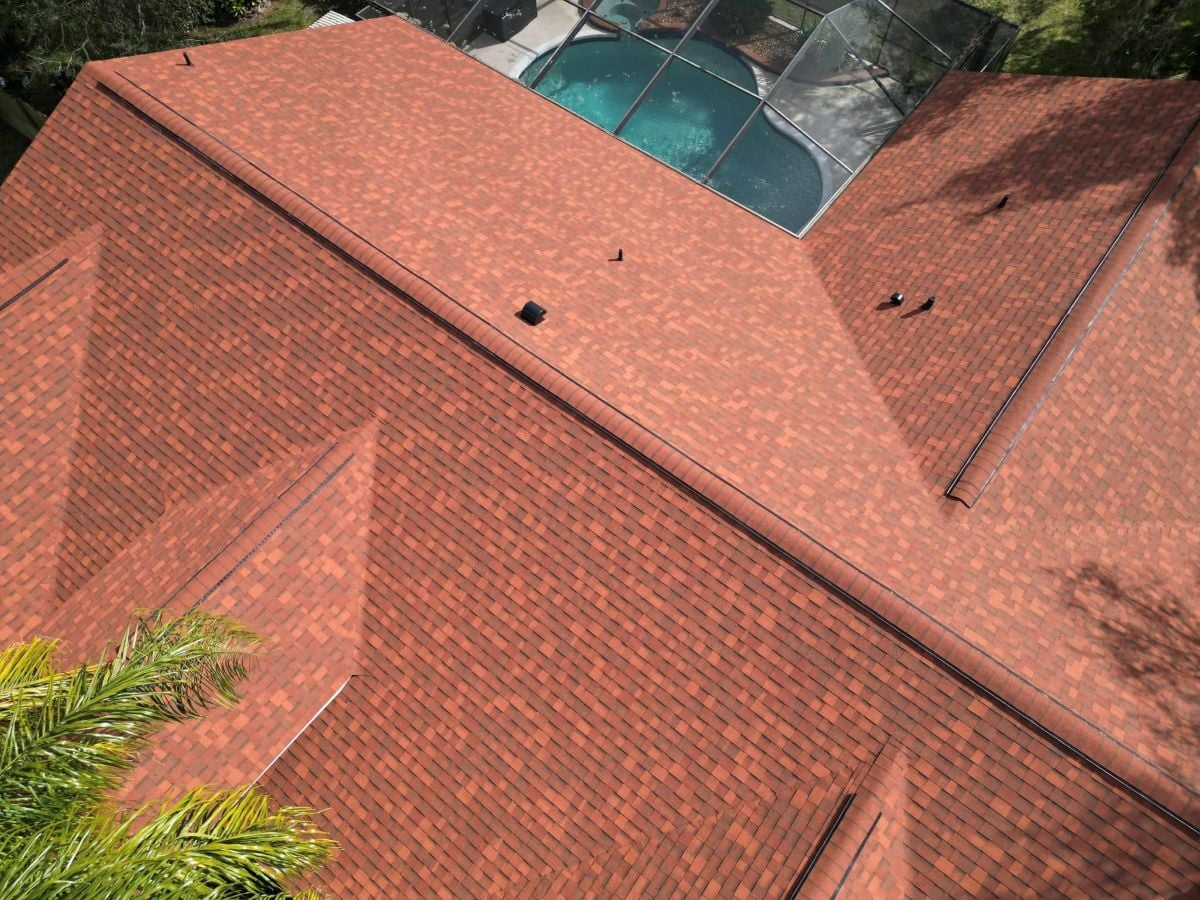
Modern architectural shingles can be manufactured for high-wind conditions. Asphalt shingles tend to rely on a combination of mechanical fasteners, overlapping courses, and seal strips to resist wind uplift, making correct installation especially important.
- Nailing pattern: Fastener quantity and placement can affect wind performance.
- Seal strips: Shingles rely partly on adhesive sealing to resist lifting.
- Roof edges: Perimeter shingles require careful installation because edges can experience high wind pressure.
- Existing shingles: Loose, damaged, or aging shingles may be more vulnerable when a major storm arrives.
Quality shingles installed according to the manufacturer’s requirements can provide substantial wind resistance, but shingles that haven’t properly sealed or have already deteriorated can present additional weak points.
3. Flying Debris Can Damage Either Material
Hurricanes can turn branches, building materials, and other objects into windborne debris. Metal roofing is durable, but significant impacts can dent panels or damage seams and coatings. Metal shingles can also experience impact damage depending on the force and type of debris. Asphalt shingles may lose granules, crack, tear, or become punctured.
The condition underneath the visible roofing also matters. A damaged roof covering doesn’t necessarily mean water immediately enters the home if the underlayment and roof deck remain intact, but any significant impact should be inspected after the storm.
4. Metal Has Fewer Individual Pieces to Lose
A typical shingle roof contains thousands of individual shingles or shingle tabs, creating many edges that can potentially be affected by uplift. Metal panels cover substantially larger sections of the roof.
That difference can affect how storm damage appears:
- Shingle roofs: Damage may involve scattered missing, lifted, creased, or torn shingles.
- Metal roofs: Damage may involve panels, seams, fasteners, flashing, or edge components.
- Both systems: Damage at ridges, eaves, penetrations, and flashing can compromise water resistance.
Fewer panels don’t guarantee better storm performance by themselves. The attachment system still has to withstand the forces acting on the roof.
5. Installation Quality Can Matter as Much as Material
Choosing between metal and shingles is only one part of building a storm-resistant roof. A premium roofing material can still perform poorly if the system beneath it or the installation details are inadequate.
Important components include:
- Roof deck: The decking provides the foundation for the roofing system.
- Underlayment: This creates another layer of protection beneath the primary roof covering.
- Fasteners: Correct type, quantity, spacing, and placement are essential.
- Flashing: Valleys, walls, vents, and other transitions need proper detailing.
- Edge components: Eaves and rakes require secure installation because wind pressures can be significant there.
What Happens When Hurricane Winds Get Under a Roof?
Wind uplift occurs when pressure differences create forces that pull upward on a roofing system. If wind finds a vulnerable edge or poorly secured component, damage can begin in one location and potentially spread.
This is why a few loose shingles, exposed screws, or a poorly secured metal edge shouldn’t be dismissed before hurricane season. Once part of the roof covering is compromised, additional portions of the system may become more exposed to wind and rain.
Roof shape can also influence wind behavior. Corners, edges, ridges, and overhangs don’t experience exactly the same pressures as the center of a roof, making correct detailing throughout the system important.
How Does Wind-Driven Rain Affect Metal and Shingle Roofs?
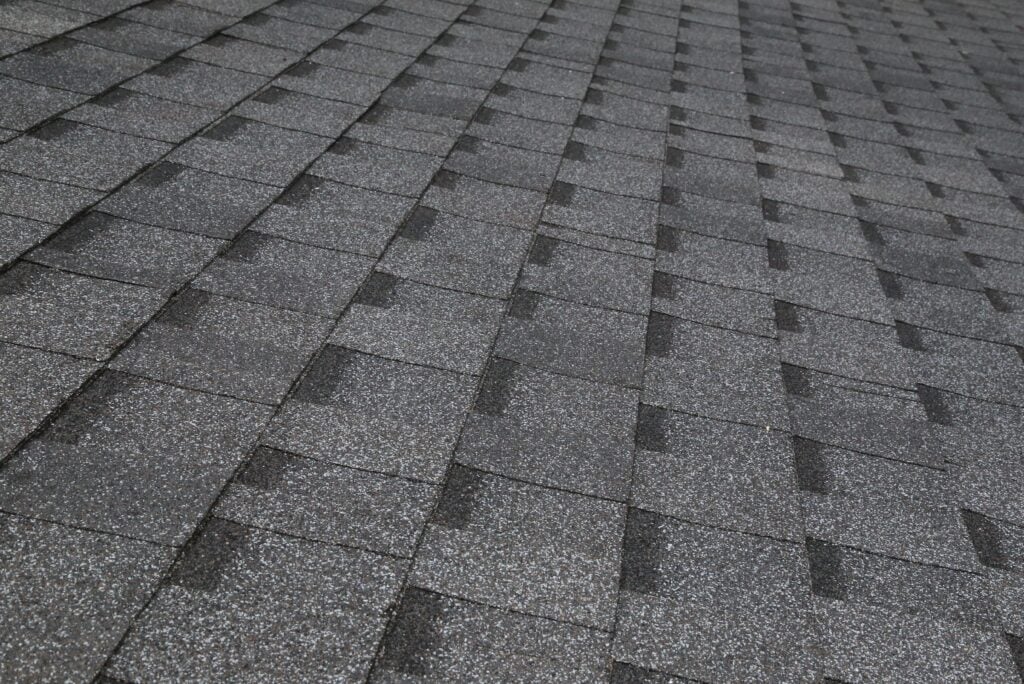
A roof’s job during a hurricane isn’t simply to stay attached. It also needs to manage large amounts of rain being pushed by strong winds.
Metal roofing uses overlapping or mechanically joined panels, flashing, closures, and other components to manage water. Shingle roofs use overlapping courses that shed water downward toward the eaves. With either material, damaged flashing, penetrations, missing components, or installation defects can provide pathways for moisture.
A properly installed underlayment provides additional protection beneath the visible roofing material, making the complete roof assembly important during severe weather.
Does Roof Age Change Hurricane Performance?
Yes. An older roof may have conditions that weren’t present when it was first installed. Shingles can become brittle, lose granules, crack, or develop weakened seals. Metal roofing can develop issues around fasteners, sealants, flashing, coatings, or previous repairs.
The expected service life also differs considerably between the two materials. Metal roofs commonly last around 40 to 70 years, while asphalt shingles typically last about 15 to 30 years. Actual lifespan depends on the product, installation, maintenance, weather exposure, and other conditions.
Before hurricane season, homeowners should pay attention to:
- Missing, lifted, or cracked shingles.
- Loose or damaged metal panels.
- Deteriorated flashing.
- Exposed or problematic fasteners.
- Damaged ridge or edge components.
- Previous leaks or water stains.
- Tree branches hanging over the roof.
Age alone doesn’t determine whether a roof will fail during a storm, but existing weaknesses can become more consequential when severe weather arrives.
What Else Should You Compare Before Choosing a Roof?
Hurricane performance may be a major consideration in Florida, but most homeowners also want a new roof to perform well during everyday conditions. Cost, appearance, maintenance, longevity, and energy efficiency can all affect the decision between metal and shingles.
Metal roofs can reduce cooling costs by approximately 10% to 25% in some homes by reflecting more solar radiation and reducing heat gain. Asphalt shingles absorb more heat, and roof and attic temperatures can climb above 140°F under hot conditions. Actual cooling performance depends on roof color, coatings, insulation, ventilation, attic design, and the home itself.
When comparing options, consider:
- Lifespan: Metal roofs can last 40 to 70 years, while asphalt shingles generally last 15 to 30 years.
- Energy efficiency: Reflective metal roofing can help reduce cooling costs, especially in hot climates.
- Appearance: Architectural shingles and metal roofing both work with a range of architectural styles.
- Maintenance: Each system has different inspection and maintenance needs.
- Installation cost: Price per square foot installed depends on the material, roof complexity, removal requirements, and labor.
If you plan to install metal roofing, the specific system matters more than the word “metal” alone. The same applies to asphalt shingles: product quality, wind rating, installation requirements, and roof design should all be considered.
What About Impact Resistance?
Wind isn’t the only concern during a hurricane. Impact resistance becomes important when debris strikes the roof.
Certain roofing products are tested for impact resistance, and some asphalt shingles are specifically manufactured as impact-resistant shingles. Metal roofing can also provide substantial durability against impacts, although strong enough debris can dent or damage panels.
Product ratings should be evaluated for the specific roof being considered rather than assuming every metal roof or every architectural shingle provides identical performance.
Is a Metal Roof Hurricane-Proof?
No roofing material should be treated as hurricane-proof. Storm intensity, wind direction, debris, building design, installation, and existing roof condition can all affect the outcome.
A metal roof can provide strong wind performance when the complete system is designed and installed appropriately. A properly installed shingle roof using products intended for high-wind applications can also provide substantial protection.
For Florida homeowners, the more useful question is whether the specific roofing system is appropriate for the property and installed according to applicable requirements.
Should You Replace Shingles With Metal Before Hurricane Season?
Not necessarily. A homeowner with a shingle roof in good condition shouldn’t assume replacement is automatically required simply because hurricane season is approaching.
If the roof is aging, repeatedly leaking, missing shingles, or showing widespread deterioration, an inspection can help determine whether repair or replacement makes sense. Homeowners already planning a new roof can then compare metal and asphalt shingles based on storm performance alongside cost, lifespan, appearance, maintenance, and potential energy savings.
FAQs About Metal and Shingle Roofs in Hurricanes
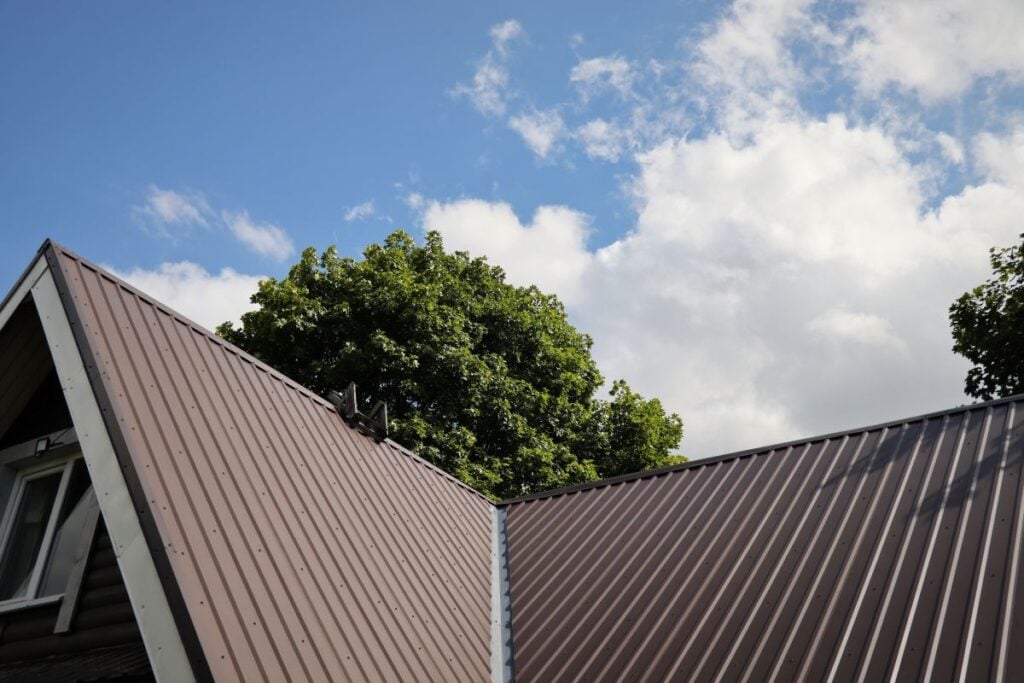
Hurricane performance depends on more than roofing material, so understanding how the entire roof system works can help homeowners make a more informed decision.
Can shingles withstand hurricane winds?
Some asphalt shingles are manufactured and tested for high-wind applications. Their performance depends on the specific product, fastening requirements, installation quality, roof design, and condition of the shingles when the storm arrives.
Can a metal roof come off during a hurricane?
Yes. Metal roofing isn’t immune to hurricane damage. Panels or other components can be damaged or detached when wind forces exceed the system’s capabilities or when vulnerable installation details fail.
Are standing seam metal roofs good for hurricanes?
Standing seam metal roofs can be designed for demanding wind conditions, but performance varies by system. Panel profile, clips, fasteners, spacing, edge details, substrate, and installation all affect how the finished roof performs.
Is metal roofing more energy efficient than shingles?
Metal roofing can offer energy-efficiency advantages, particularly when reflective colors or coatings are used. Metal roofs may reduce cooling costs by roughly 10% to 25% in some situations, while traditional asphalt shingles tend to absorb more solar heat. Actual savings vary based on the home and roofing system.
Which roof lasts longer, metal or shingles?
Metal roofs commonly have an expected lifespan of approximately 40 to 70 years, compared with roughly 15 to 30 years for asphalt shingles. Climate, maintenance, installation quality, and the specific roofing product can shorten or extend those ranges.
Prepare Your Roof for Florida Storms With Shingle Masters
Metal and asphalt shingles can both provide dependable roofing systems, but hurricane performance depends on much more than the material visible from the street. Product selection, fastening, roof deck condition, flashing, underlayment, installation quality, and ongoing maintenance all play a role.
Shingle Masters can inspect your current roof and discuss roofing options based on your home’s condition and needs. You’ll know our service fee up front, with no hidden costs and no surprise charges, because trust begins with telling you the truth.
Before the next major storm arrives, schedule a roof inspection with Shingle Masters to better understand the condition of the roof protecting your home.