 9 Min Read
 09/22/2026
Flat roof maintenance plays an important role in protecting a low-slope roofing system from leaks, premature deterioration, and costly repairs. Unlike sloped roofs, flat roofs don’t shed water as quickly, making drainage, membrane condition, flashing, and routine inspections especially important.
Florida’s heavy rainfall, intense UV exposure, heat, and severe weather can put additional stress on flat roofing systems. Proper flat roof maintenance can help extend the life of the roof and reduce the chance that minor wear develops into significant water damage. For businesses and commercial properties, protect your commercial roof with a roofing system suited to the demands of your building.
- Keep drains clear: Leaves, branches, and other debris can interfere with drainage systems and contribute to standing water.
- Watch the membrane: Cracks, punctures, blisters, and separated seams can create potential entry points for moisture.
- Check after storms: Wind and debris can damage the roof surface even when there isn’t an immediate interior leak.
- Schedule inspections: Regular flat roof maintenance can identify problems that aren’t obvious from the ground.
Why Does Flat Roof Maintenance Matter?
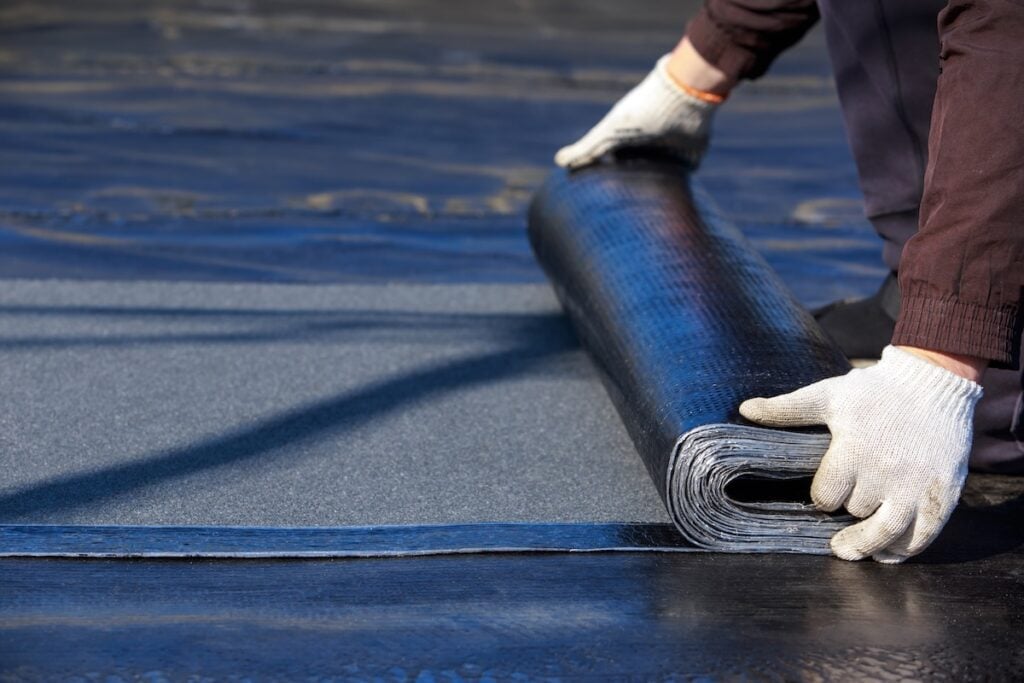
A flat roof isn’t completely level. It’s designed with a slight slope that directs rainwater toward drains, scuppers, or gutters. Proper drainage is essential because blocked drainage paths or low areas can allow water to remain on the roof surface longer than intended.
Routine maintenance gives property owners an opportunity to catch drainage problems, membrane damage, deteriorated flashing, and other issues before they become more extensive.
5 Flat Roof Maintenance Tips for a Longer-Lasting Roof
Maintaining a flat roof doesn’t need to be complicated. The priority is keeping water moving, protecting roofing materials, and catching small changes before they compromise other parts of the roofing system.
1. Keep Drains and Gutters Clear
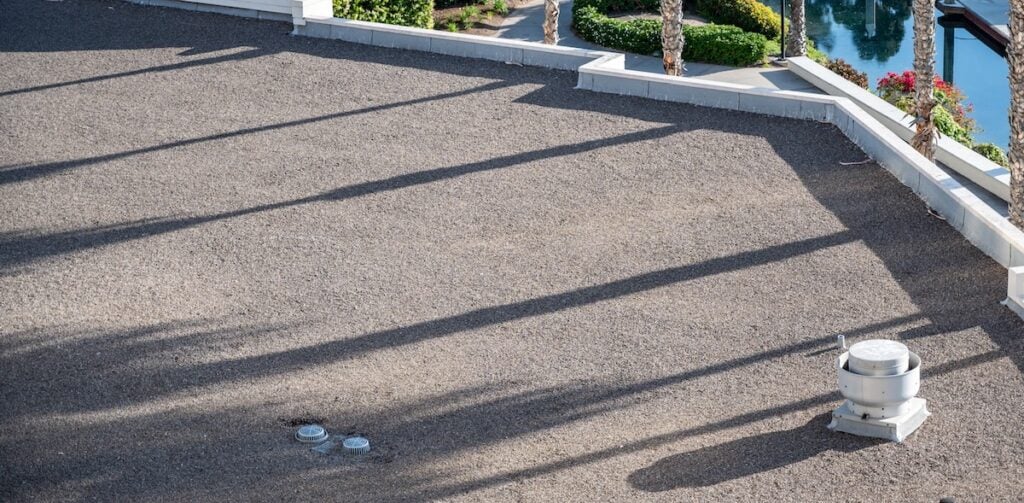
Proper drainage is one of the most important parts of maintaining a flat roof. Leaves, branches, dirt, and other debris can collect around drains or scuppers and prevent rainwater from leaving the roof efficiently.
- Check drainage points: Drains, scuppers, and gutters should remain free of visible obstructions.
- Remove accumulated debris: Leaves and organic material can hold moisture against the roof surface.
- Watch during rainfall: Slow drainage can reveal areas where the drainage system isn’t moving water effectively.
- Look for staining: Water marks around drains may indicate repeated pooling or drainage issues.
2. Watch for Ponding and Standing Water
Some moisture immediately following rain isn’t necessarily unusual, but water that remains on a flat roof can indicate a drainage or slope problem. Persistent standing water increases stress on roofing materials and can accelerate deterioration.
- Notice recurring puddles: Water collecting in the same location after multiple storms deserves attention.
- Check low areas: Depressions in the roof surface can develop as materials or structural components change over time.
- Inspect nearby seams: Ponding water can make existing membrane vulnerabilities more consequential.
- Address the cause: Simply removing the water doesn’t correct the drainage problem responsible for it.
3. Inspect the Roof Membrane
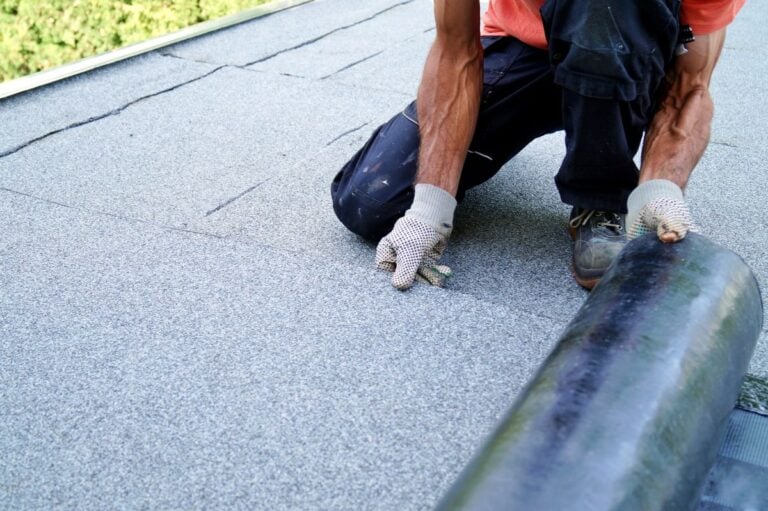
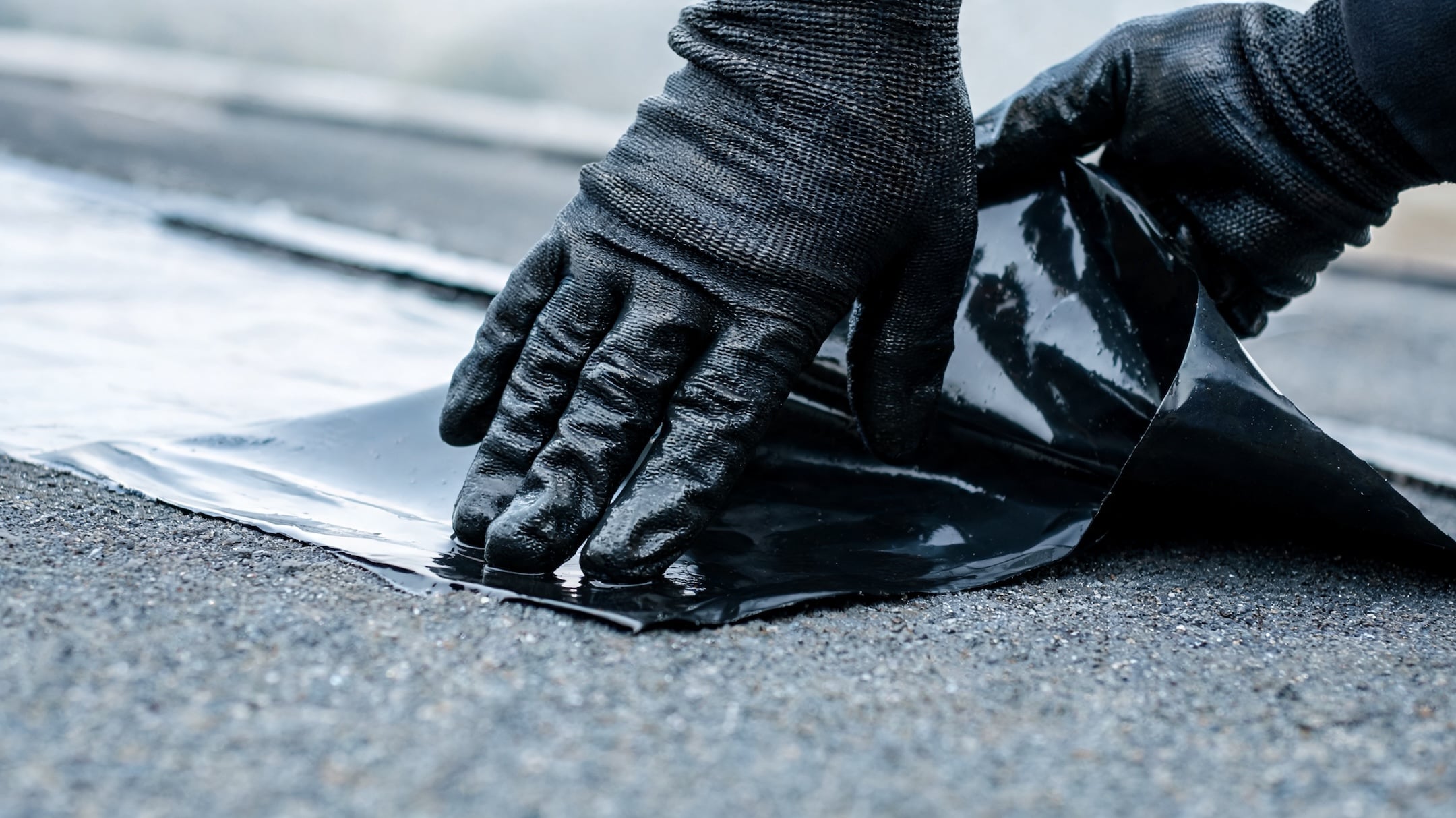
The roof membrane provides the primary weather-resistant surface on many flat roofing systems. Its condition should be monitored for changes that could eventually allow moisture into the assembly.
- Open seams: Separated membrane sections can create vulnerable areas for water intrusion.
- Punctures: Tools, debris, or unnecessary foot traffic can damage some roofing materials.
- Blisters: Raised areas can indicate changes within or beneath the roofing membrane.
- Surface deterioration: UV exposure and age can gradually affect the condition of the roof surface.
4. Check Flashing and Roof Penetrations
Flat roofs often contain vents, pipes, HVAC units, drains, parapet walls, and other penetrations or transitions. These areas require proper installation and careful detailing because they interrupt the continuous roofing surface.
- Flashing: Look for sections that appear loose, separated, cracked, or otherwise deteriorated.
- HVAC areas: Equipment and surrounding roofing materials should be checked for damage after service work.
- Pipe penetrations: Seals and flashing around pipes can deteriorate with age and weather exposure.
- Parapet walls: Transitions where the roof meets vertical surfaces can become vulnerable if materials separate.
5. Schedule Routine Professional Inspections
Some flat roof problems aren’t easy to identify without roofing experience. A professional inspection can evaluate membrane seams, flashing, proper drainage, penetrations, and other components that may appear normal to an untrained eye.
Inspections can be particularly useful after severe storms or as the roof gets older. Finding a small membrane problem early may allow for a focused repair instead of waiting until trapped moisture affects insulation, decking, or interior materials.
How Often Should a Flat Roof Be Inspected?
There isn’t one inspection schedule that applies to every roofing system. Roof age, roofing materials, surrounding trees, previous repairs, weather exposure, and the amount of rooftop equipment can all affect how frequently attention is needed.
- After severe storms: High winds and flying debris can damage membranes and flashing.
- After heavy rainfall: Check for drainage problems or areas where water repeatedly collects.
- After rooftop work: HVAC technicians or other contractors can accidentally puncture or disturb roofing materials.
- When leaks appear: Interior water stains or moisture shouldn’t be ignored simply because exterior damage isn’t obvious.
- As the roof ages: Older roofing systems generally benefit from closer monitoring for deterioration.
What Causes Flat Roofs to Wear Out Faster?
A flat roof’s lifespan depends on more than age. Roofing material, proper installation, drainage, maintenance, UV exposure, and foot traffic can all influence how quickly deterioration occurs.
Florida conditions add another challenge. Strong sunlight heats roofing surfaces for extended periods, while frequent rain tests seams, flashing, and drainage systems. Tropical storms can introduce high winds, airborne debris, and large volumes of water in a short period.
Poor drainage can compound these stresses because water remains on the roof instead of moving away efficiently. That’s why keeping drainage paths clear is one of the simplest but most valuable parts of proper maintenance.
Should You Walk on a Flat Roof to Maintain It?
A flat surface may look safer to walk on than a steep roof, but unnecessary foot traffic can still damage roofing materials. Tools, footwear, dropped equipment, and repeated traffic can puncture or wear certain membranes.
There may also be weak or slippery areas that aren’t obvious from above. Property owners can monitor visible drainage and interior warning signs without turning routine maintenance into a DIY rooftop inspection.
When rooftop access is required, having a professional roofer evaluate the system helps reduce the chance of causing additional damage while looking for an existing problem.
Signs Your Flat Roof Needs More Than Maintenance
A well maintained flat roof can still eventually require repairs. Maintenance is intended to preserve a functioning system, not cover up active failures, so recurring leaks or widespread deterioration deserve professional attention.
- Recurring roof leaks: A leak that repeatedly returns may indicate a problem beyond one isolated surface defect.
- Widespread membrane damage: Extensive cracking, separation, or deterioration can signal broader aging.
- Persistent ponding: Water that regularly remains in the same areas may point to drainage or structural concerns.
- Wet insulation: Moisture beneath the membrane can affect more of the roof assembly than is visible from above.
- Repeated costly repairs: Continually repairing different areas can indicate that the overall system is approaching the end of its useful service life.
Can Regular Maintenance Extend a Flat Roof’s Lifespan?
Regular flat roof maintenance can help the system reach more of its potential service life by reducing avoidable deterioration. Keeping drainage systems functional, correcting minor membrane damage, and addressing flashing problems early can prevent small vulnerabilities from facing months or years of additional weather exposure.
Maintenance can’t make an aging roofing system last indefinitely. Eventually, materials deteriorate and roof replacement becomes the more practical option. The purpose of maintenance is to protect the roof you have while helping you recognize when repairs or replacement become necessary.
Flat Roof Maintenance After Florida Storms
A roof that looked fine before a storm can develop damage from wind, rain, or airborne debris. After significant weather, property owners should look for changes rather than assuming the absence of an immediate leak means the roof wasn’t affected.
- Check for debris: Branches and other objects can puncture or scrape the roof surface.
- Look for standing water: Blocked drains can quickly become apparent after heavy rainfall.
- Watch the interior: New ceiling stains, damp areas, or musty odors can indicate water intrusion.
- Inspect rooftop equipment: Wind can affect HVAC components and the roofing materials surrounding them.
- Document visible changes: Photographs can make it easier to track whether a questionable area is getting worse.
FAQs About Flat Roof Maintenance
Good maintenance focuses on keeping the roofing system clean, well-drained, and free from unresolved damage. These common questions can help property owners understand what deserves attention between professional inspections.
How do you maintain a flat roof?
Keep drains and gutters clear, monitor the roof for standing water, watch for membrane damage, check flashing and penetrations, and arrange professional inspections when necessary. Problems should be addressed before repeated weather exposure makes them more extensive.
Is standing water bad for a flat roof?
Persistent standing water can place additional stress on the roofing system and may indicate poor drainage or a low area. Water that repeatedly remains well after rainfall should be evaluated rather than treated as a normal feature of every flat roof.
Can I clean my own flat roof?
Some ground-level maintenance may be manageable, but walking on a flat roof introduces fall risks and can damage certain membranes. Avoid aggressive tools or cleaning methods that could puncture, scrape, or otherwise harm the roofing material.
How do I know if my flat roof needs repair?
Recurring leaks, membrane punctures, separated seams, deteriorated flashing, persistent ponding water, or interior moisture can indicate that maintenance alone isn’t enough. A professional inspection can determine the extent of the problem.
When should a flat roof be replaced?
Replacement may become appropriate when deterioration is widespread, moisture has affected multiple layers, repairs are becoming frequent, or the roofing system has reached the end of its practical service life. Roof age alone shouldn’t be the only deciding factor.
Maintain Your Flat Roof With Shingle Masters
Proper flat roof maintenance is most effective when small problems are identified before they have time to affect larger portions of the roofing system. Shingle Masters can evaluate your roof’s membrane, drainage, flashing, penetrations, and overall condition to help determine what actually needs attention.
You’ll know our service fee up front, with no hidden costs and no surprise charges, because trust begins with telling you the truth. Whether your flat roof needs maintenance, a focused repair, or a larger roofing solution, we’ll explain what we find and help you understand your options.
Ready to stay ahead of leaks and wear? Schedule a roof check with Shingle Masters.