 7 Min Read
 06/17/2026
How long does a tile roof last? It’s one of the most common questions homeowners ask when considering this durable roofing option. Tile roofs are known for their longevity, strength, and ability to withstand harsh weather conditions, making them a popular choice for residential roofing. Whether you’re planning a new installation or considering a tile roofing system, understanding lifespan and maintenance requirements can help you maximize your investment and avoid unexpected issues down the road.
Tile roofing is often viewed as a long-term solution, but its performance depends on several factors including installation quality, climate, and ongoing maintenance. By learning what impacts durability, homeowners can make smarter decisions about repairs, inspections, and overall roof care.
- Average lifespan: How long tile roofs typically last
- Material differences: Clay vs concrete tile durability
- Maintenance tips: How to extend roof life
- Warning signs: When repairs or replacement are needed
What Is the Average Lifespan of a Tile Roof?
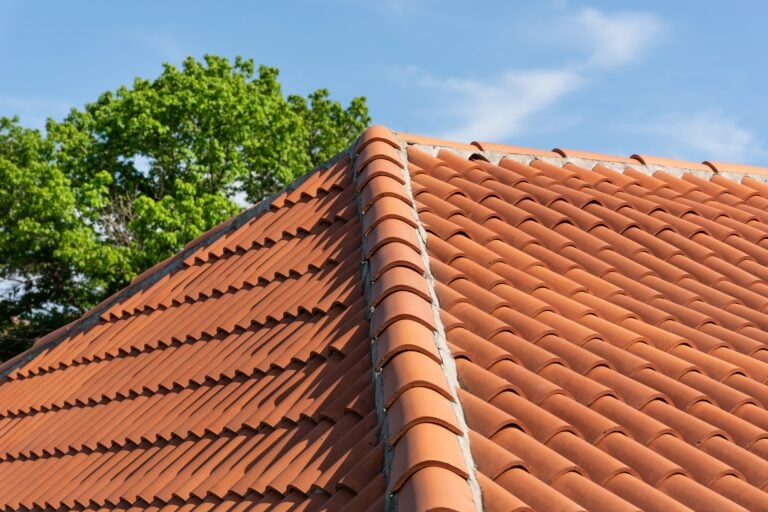
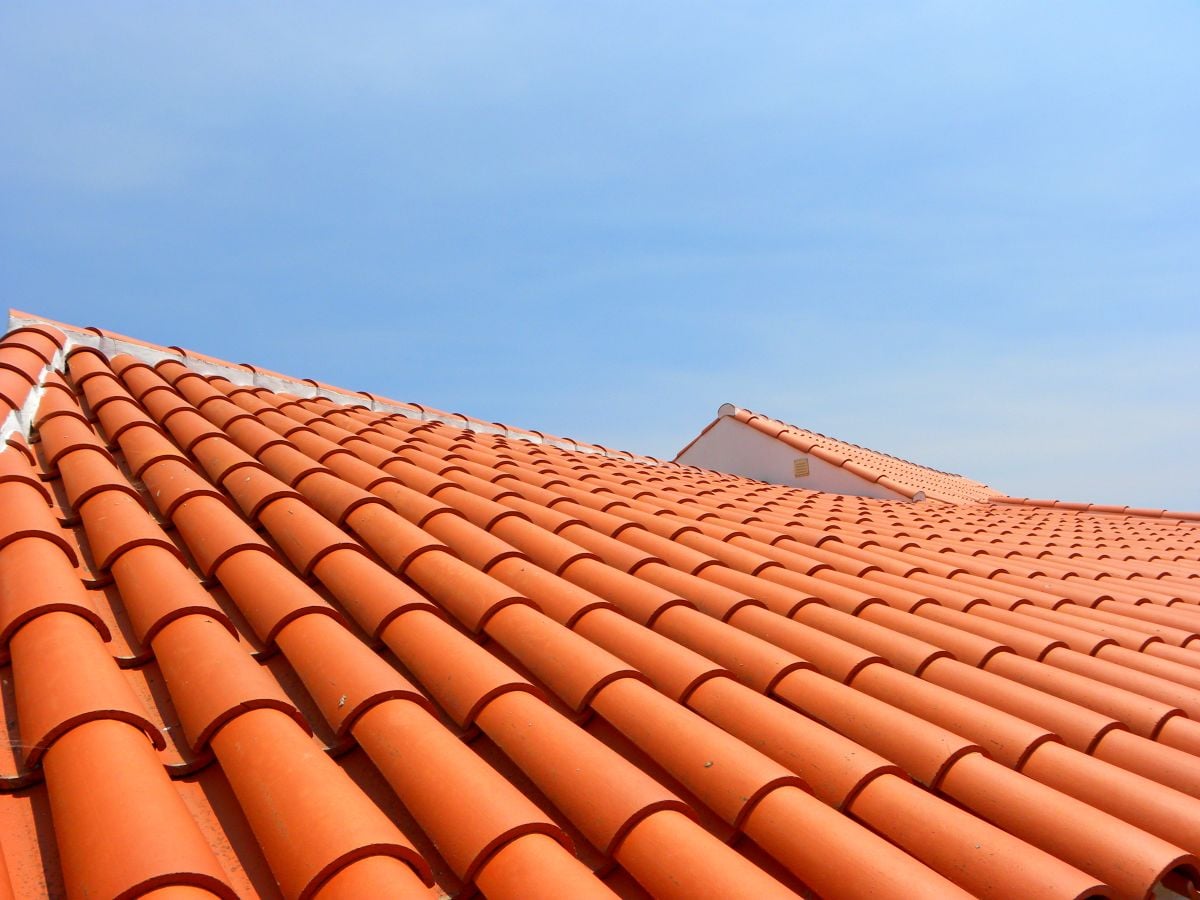
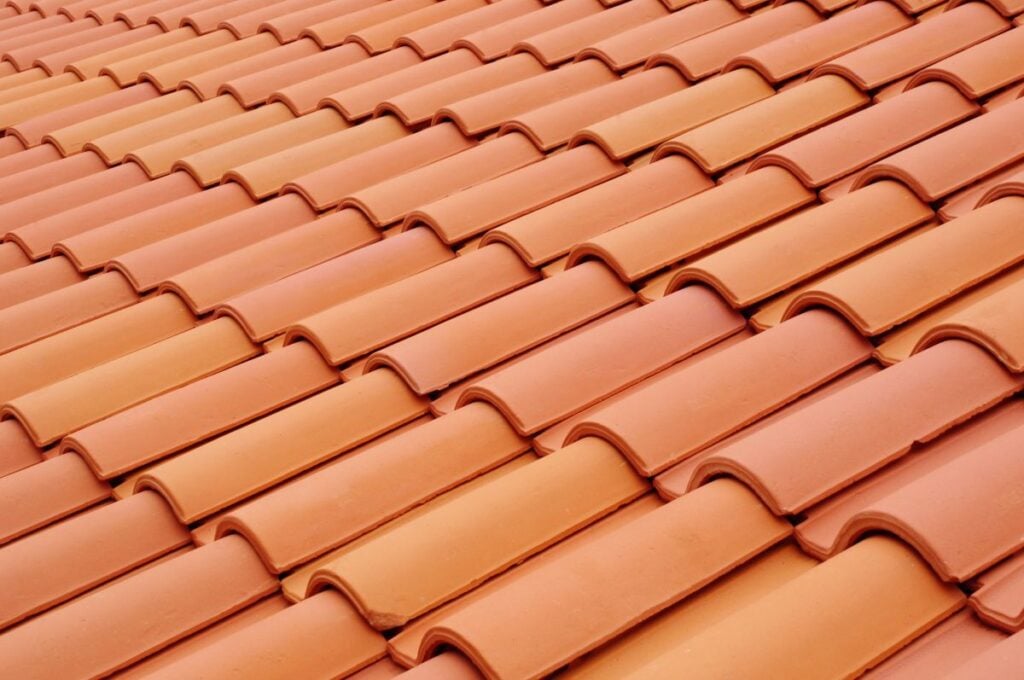
Tile roofs are among the longest-lasting roofing materials available, making them a top choice for homeowners looking for durability and long-term value. Depending on the type of tile and environmental conditions, they can last anywhere from 50 to over 100 years, significantly outperforming other roofing systems.
Clay tiles typically last longer than concrete tiles due to their natural composition and resistance to weathering. Concrete tiles, while slightly less durable over time, still offer excellent performance and are often more cost-effective upfront. Both materials provide strong protection against elements like sun exposure, rain, and wind.
- Clay tile roofs: 75–100+ years with proper maintenance
- Concrete tile roofs: 50–75 years on average
- Underlayment lifespan: 20–30 years before replacement is needed
It’s important to note that while the tiles themselves can last decades, the underlayment beneath them plays a critical role in waterproofing and may need to be replaced during the roof’s lifespan.
7 Factors That Affect Tile Roof Lifespan
Several factors influence how long a tile roof will last. Even the most durable roofing materials can wear down prematurely if these elements are not properly managed.
1. Tile Material
The type of tile used has a direct impact on lifespan and performance. Higher quality materials generally offer better resistance to weather and wear.
- Clay tiles: Known for longevity and resistance to fading
- Concrete tiles: Durable but may absorb more moisture over time
- Manufacturing quality: Impacts consistency and durability
Choosing high-quality materials from the start can significantly extend the life of your roof.
2. Climate Conditions
Weather exposure is one of the biggest factors affecting tile roof durability. Homes in regions with extreme heat, heavy rainfall, or frequent storms may experience faster wear.
- UV exposure: Causes gradual material breakdown
- Heavy rain: Tests drainage and waterproofing
- Storm impact: Can crack or dislodge tiles
Homes in coastal or humid environments may also require more frequent inspections.
3. Roof Installation Quality
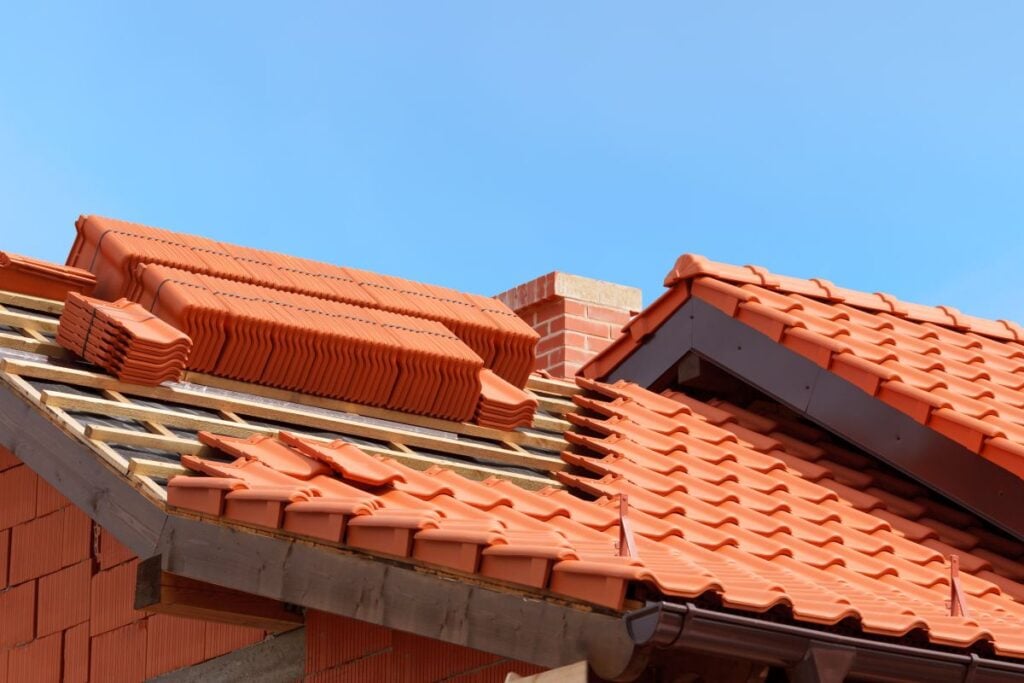
Proper installation is critical for maximizing the lifespan of any roofing system. Even high-end materials can fail early if installed incorrectly.
- Correct alignment: Prevents shifting and gaps
- Secure fastening: Protects against wind damage
- Proper sealing: Reduces risk of leaks
Working with experienced roofing contractors ensures your tile roof performs as expected.
4. Roof Structure
Tile roofs are heavier than many other roofing materials, which means the underlying structure must be properly designed to support the load.
- Reinforced framing: Prevents sagging over time
- Load distribution: Maintains structural integrity
- Long-term stability: Supports overall roof performance
If the structure isn’t properly prepared, it can lead to long-term issues.
5. Maintenance Frequency
Routine maintenance is one of the most important factors in extending tile roof lifespan. Small issues can quickly become major problems if ignored.
- Regular inspections: Catch damage early
- Debris removal: Prevents water buildup
- Tile replacement: Maintains protective barrier
Consistent upkeep ensures your roof continues performing at a high level.
6. Underlayment Condition
The underlayment is a crucial part of your roofing system, acting as a secondary barrier against water intrusion.
- Waterproof layer: Protects the roof deck
- Shorter lifespan: Needs replacement before tiles
- Hidden wear: Requires professional inspection
Ignoring underlayment issues can lead to leaks even if the tiles appear intact.
7. Foot Traffic and Damage
Tile roofs are durable but not designed to handle excessive foot traffic. Walking on the roof improperly can cause cracks or breakage.
- Fragile surfaces: Can crack under pressure
- Falling debris: Causes impact damage
- Improper access: Leads to avoidable repairs
Limiting access and using professionals for inspections helps prevent damage.
How to Maintain a Tile Roof for Maximum Lifespan
Proper maintenance is key to extending the life of your tile roof. Following a consistent care routine helps prevent damage, improves performance, and reduces long-term repair costs.
- Schedule regular roof inspections: Identify small issues before they become major problems
- Clean gutters and drainage systems: Prevent water buildup and overflow
- Remove debris from the roof surface: Avoid moisture retention and mold growth
- Replace damaged or cracked tiles promptly: Maintain full protection
- Check underlayment condition periodically: Ensure waterproofing remains effective
- Limit foot traffic on the roof: Prevent unnecessary damage
- Work with professional roofing contractors: Ensure proper repairs and maintenance
Taking these steps helps homeowners protect their investment and maximize the lifespan of their roofing system.
Signs Your Tile Roof Needs Repairs
Even long-lasting tile roofs require occasional maintenance and repairs. Recognizing the early warning signs can help prevent more serious damage and costly repairs.
- Cracked or missing tiles: Leaves roof exposed to elements
- Water leaks or stains: Indicates underlayment failure
- Sagging areas: May point to structural issues
- Mold or moss growth: Suggests trapped moisture
Addressing these problems early can help extend the life of your roof and prevent further damage.
Tile Roof vs Other Roofing Materials
Tile roofing stands out when compared to other roofing materials, particularly in terms of longevity and durability. While the initial investment may be higher, the long-term value often outweighs the cost.
- Tile roofs: 50–100+ years
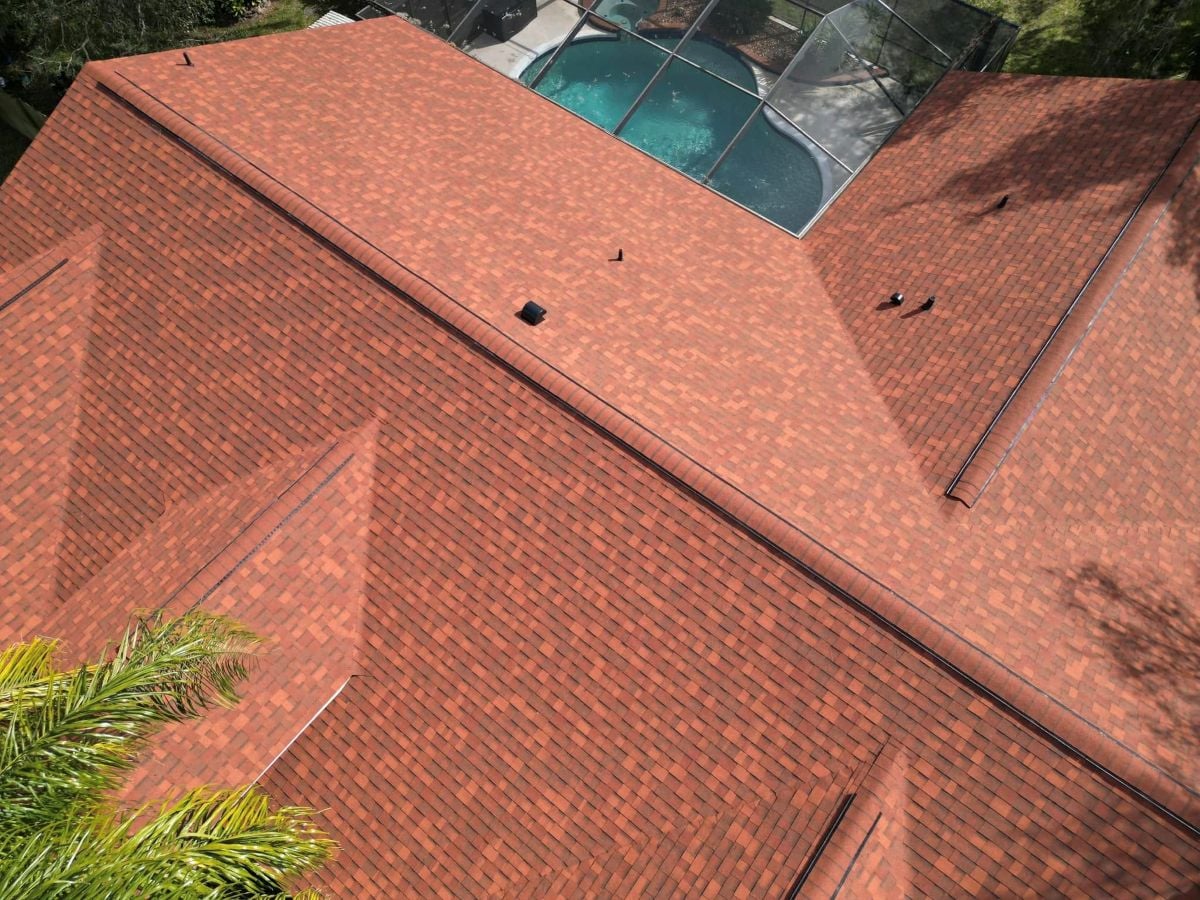
- Asphalt shingles: 20–30 years
- Metal roofs: 40–70 years
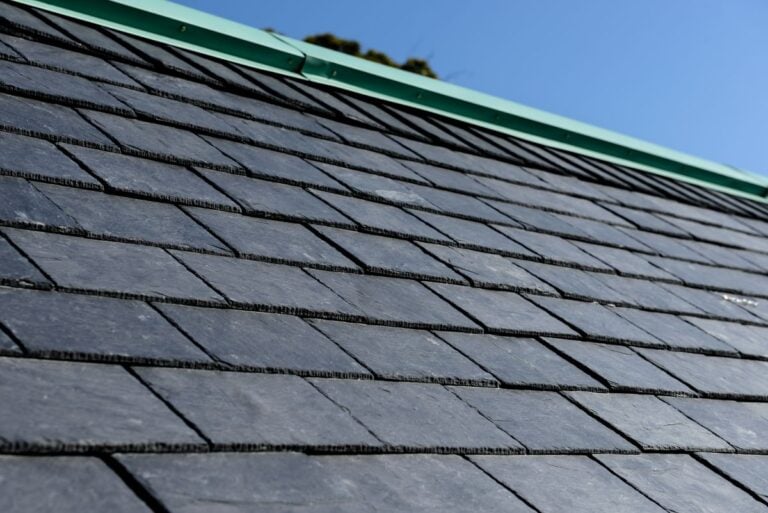
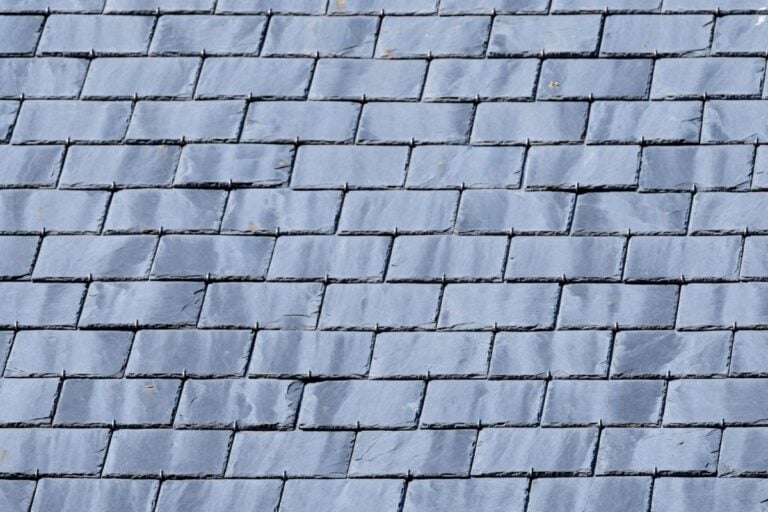
- Slate roofs: 75–150 years
Tile roofing offers a strong balance of durability, aesthetics, and long-term performance, making it a popular choice for homeowners looking for a lasting solution.
FAQs About Tile Roof Lifespan
Homeowners often have questions about tile roofing and what to expect over time. Understanding these answers can help guide maintenance and replacement decisions.
How long does a tile roof really last?
Tile roofs can last 50 to 100 years or more depending on the material, installation quality, and maintenance practices.
Do tile roofs require a lot of maintenance?
Tile roofs are relatively low maintenance, but regular inspections and minor repairs are important to ensure long-term performance.
Does underlayment need to be replaced?
Yes, underlayment typically needs replacement every 20–30 years, even if the tiles remain in good condition.
Are tile roofs worth the investment?
Yes, their durability, longevity, and resistance to weather make them a strong long-term value despite higher upfront costs.
Can a tile roof last over 100 years?
In some cases, clay tile roofs can exceed 100 years with proper installation and maintenance.
Protect Your Tile Roof With Shingle Masters
Tile roofs offer unmatched durability, but proper maintenance is key to maximizing their lifespan. Understanding how long a tile roof lasts and what affects its performance helps you make informed decisions about your home.
Shingle Masters provides expert tile roofing, inspections, and maintenance services to keep your roof in top condition. Whether you need minor repairs or a full evaluation, working with experienced professionals ensures your roof performs at its best for years to come.
Reach out today to schedule an inspection and protect your investment.