 6 Min Read
 06/08/2026
Tile roof lifespan is one of the biggest reasons homeowners choose this roofing material. Known for its durability and classic aesthetic, tile roofing can last significantly longer than many other roof types. Whether you’re considering tile for a new home or planning a roof replacement, understanding what impacts longevity can help you make a smarter long term investment.
- Material quality: Clay vs concrete tile performance
- Climate conditions: How weather affects durability
- Installation quality: Why proper roof installation matters
- Maintenance habits: Extending the life of your roof
What Is the Average Tile Roof Lifespan?
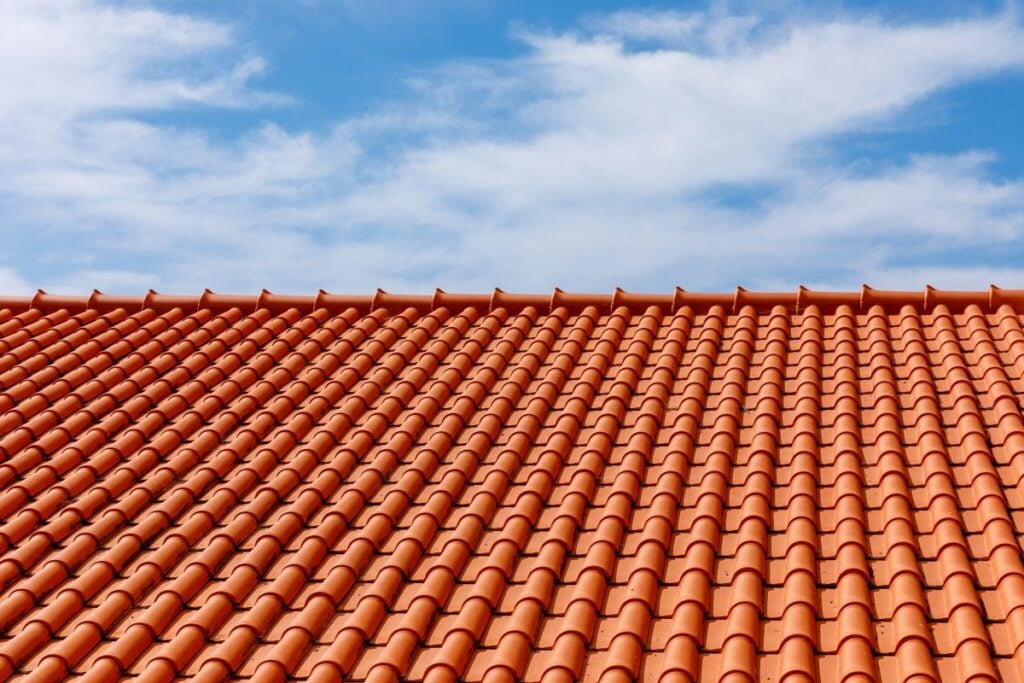
Tile roofs are among the longest-lasting roofing systems available. On average, a properly installed tile roof can last between 50 and 100 years, depending on the materials used and environmental conditions.
Clay tiles tend to last longer than concrete tiles, but both offer exceptional durability compared to asphalt shingles or other roofing materials. While the tiles themselves may last decades, the underlayment beneath them may require replacement sooner.
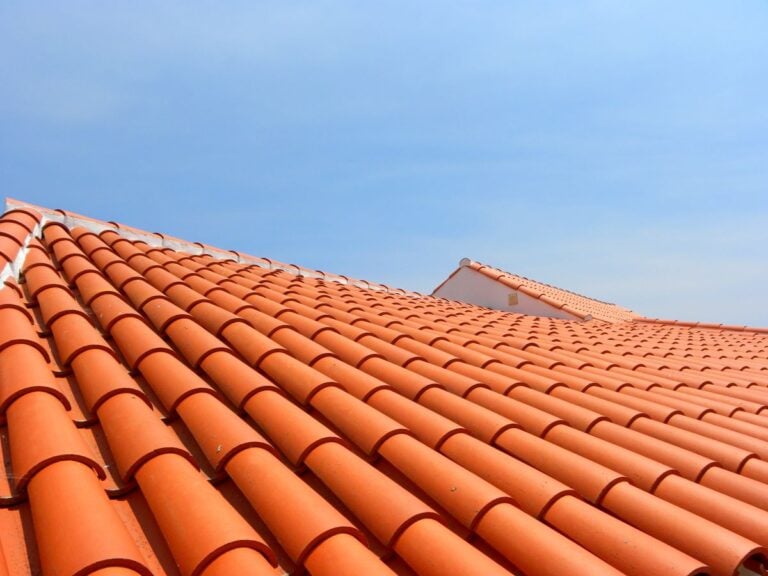
- Clay tile roofs: 75–100+ years
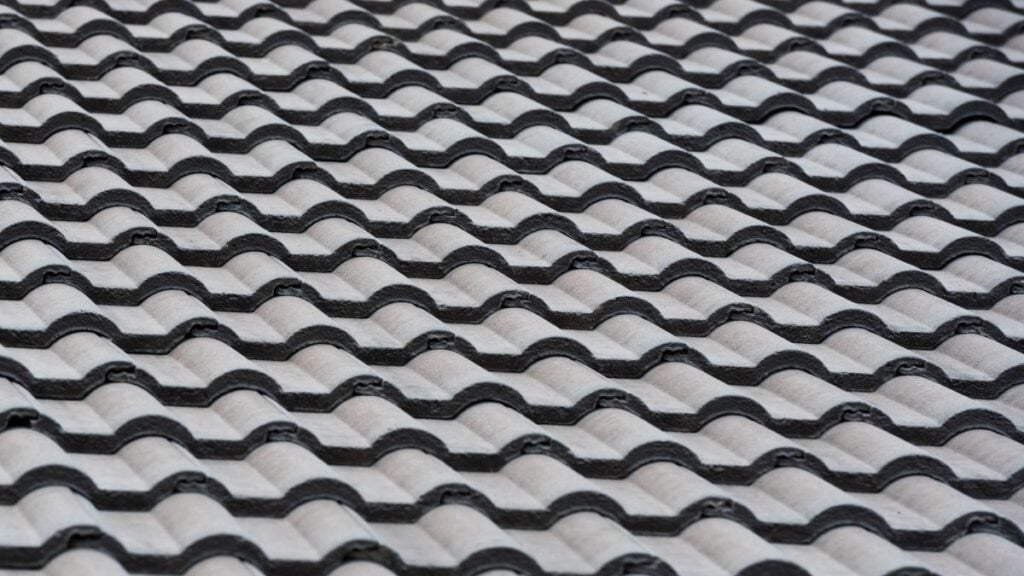
- Concrete tile roofs: 50–75 years
- Underlayment lifespan: 20–30 years
This makes tile roofing a long-term investment for residential properties.
7 Factors That Affect Tile Roof Lifespan
Several key factors determine how long your tile roof will last. Even high-quality materials can fail early without proper care or installation.
1. Type of Tile Material
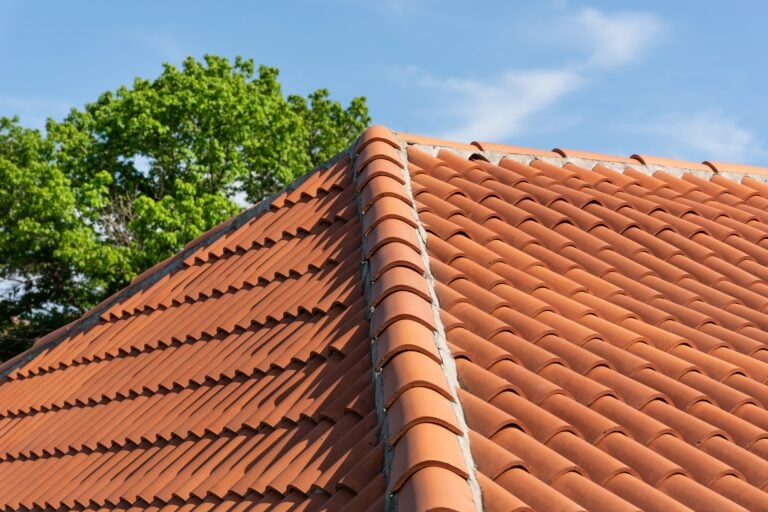
The type of tile used plays a major role in overall lifespan. Clay tiles are more resistant to weathering, while concrete tiles are slightly more affordable but may wear down faster. According to the National Roofing Contractors Association, clay or concrete tile is a durable roofing material widely used in the Southwest and Florida, available in a variety of colors and finishes — though tile is significantly heavier than many other roof types, meaning structural verification is essential before replacing another roofing material with tile.
- Clay tiles: Longer lifespan, higher cost
- Concrete tiles: Durable but slightly shorter lifespan
- Natural variation: Quality differences between manufacturers
2. Climate and Weather Exposure
Weather conditions have a direct impact on tile roof durability. In areas with intense sun, heavy rain, or storms, roofing materials are exposed to more stress over time.
- UV exposure: Breaks down materials gradually
- Heavy rain: Tests drainage and underlayment
- Storm damage: Can crack or dislodge tiles
3. Quality of Roof Installation
Proper roof installation is critical to maximizing tile roof lifespan. Even the best materials can fail if installed incorrectly.
- Correct spacing and alignment: Prevents shifting
- Secure fastening: Reduces risk of wind damage
- Proper underlayment: Protects against moisture
Improper roof installation can lead to leaks, structural issues, and costly repairs much sooner than expected.
4. Roof Structure and Support
Tile roofs are heavier than many other roof types, so the underlying structure must be strong enough to support the weight.
- Reinforced framing: Prevents sagging
- Proper load distribution: Protects structural integrity
- Long-term stability: Ensures safe performance
Homes not designed for tile may require structural upgrades before installation.
5. Maintenance and Inspections
Regular maintenance plays a major role in extending the life of your tile roof. While tiles are durable, neglect can lead to hidden issues.
- Routine inspections: Catch small problems early
- Debris removal: Prevents water buildup
- Replacing broken tiles: Maintains system integrity
Consistent care helps avoid costly repairs and extends overall lifespan.
6. Underlayment Condition
The underlayment beneath the tiles is a critical component of your roofing system. Even if tiles remain intact, worn underlayment can lead to leaks.
- Waterproof barrier: Protects roof deck
- Shorter lifespan: Needs replacement before tiles
- Hidden wear: Requires professional inspection
Many homeowners overlook this layer, but it plays a key role in roof performance.
7. Foot Traffic and External Damage
Walking on tile roofs can cause cracking or breakage if not done carefully. External factors like falling debris can also impact durability.
- Fragile under pressure: Tiles can crack easily
- Storm debris: Causes impact damage
- Improper handling: Leads to unnecessary repairs
Limiting access to your roof helps preserve its condition.
Tile Roof vs Other Roofing Materials
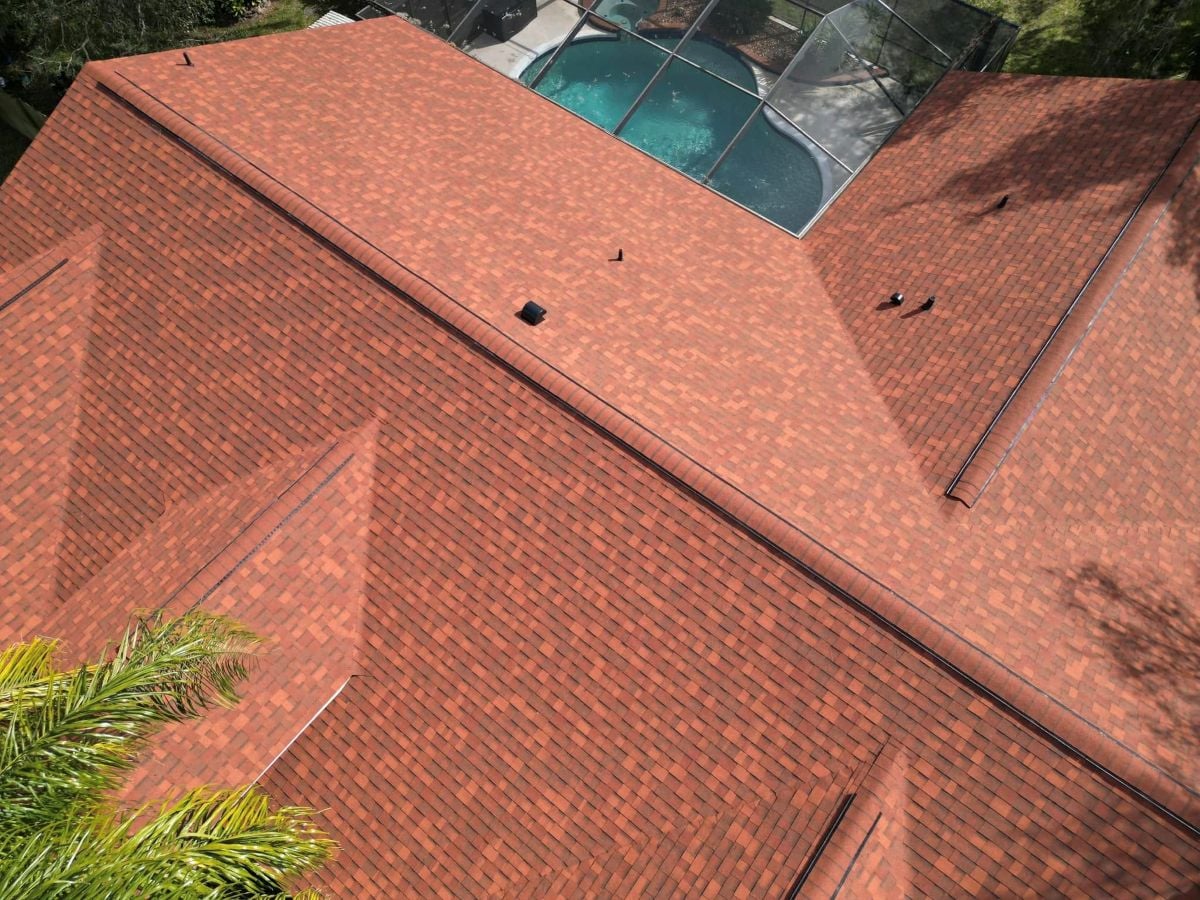
When comparing tile roofs to other roof types, the lifespan difference is significant. While asphalt shingles are common, they typically last only 20–30 years, making tile a more durable long-term option.
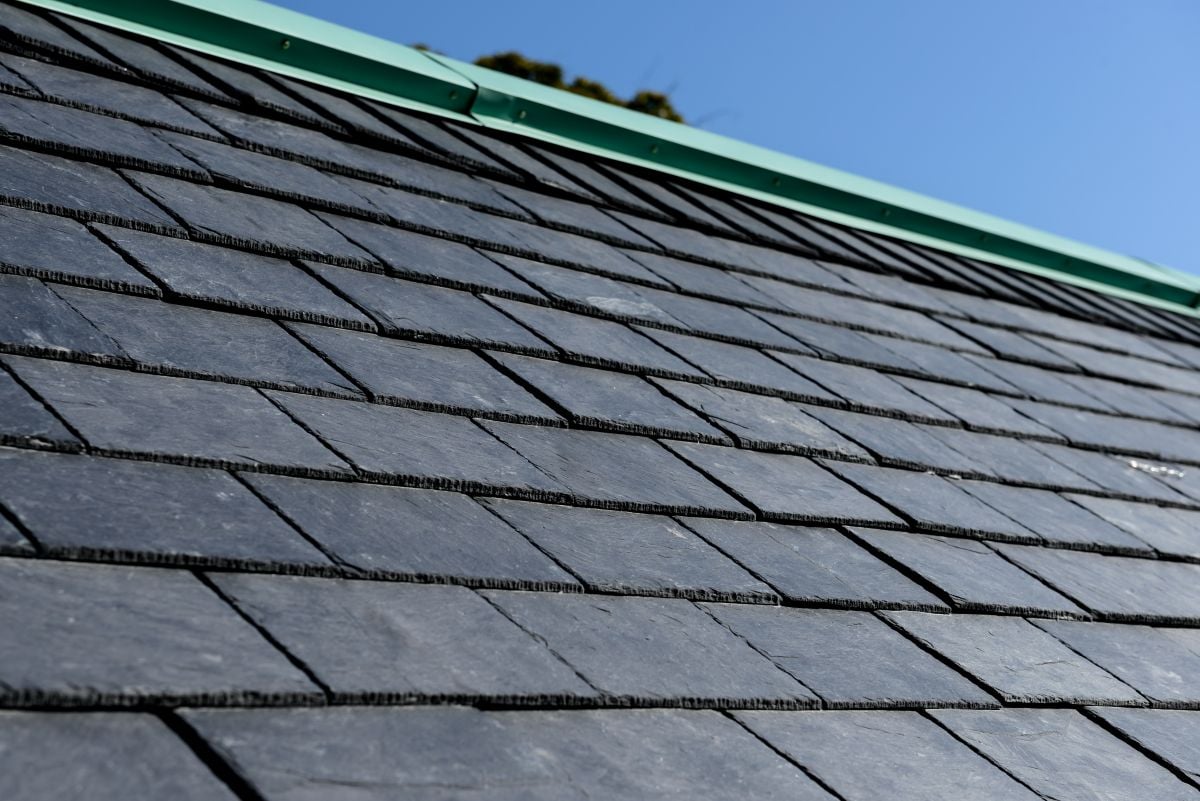
Metal roofing and slate also offer long lifespans, but tile remains a popular choice for its balance of durability and aesthetic appeal.
- Tile roofs: 50–100 years
- Asphalt shingle roofs: 20–30 years
- Metal roofs: 40–70 years
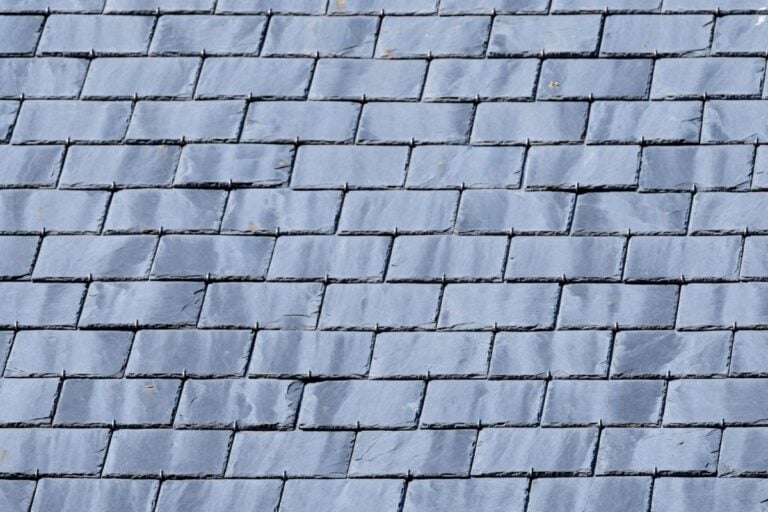
- Slate roofs: 75–150 years
Choosing the right material depends on your budget, home structure, and long-term goals.
Signs Your Tile Roof May Need Attention
Even long-lasting roofs require occasional repairs or maintenance. Knowing the warning signs can help you address issues before they become major problems.
- Cracked or broken tiles: Visible surface damage
- Leaks or water stains: Indicates underlayment issues
- Sagging areas: Structural concerns
- Mold or moss growth: Moisture retention
Addressing these issues early can prevent more extensive damage.
How to Extend the Life of a Tile Roof
Taking proactive steps can significantly extend your tile roof lifespan. While the material itself is durable, proper care ensures long-term performance.
- Schedule annual inspections: Identify problems early
- Keep gutters clear: Ensure proper drainage
- Avoid walking on tiles: Prevent cracks
- Work with professionals: Ensure quality repairs
A well-maintained tile roof can last for decades beyond its expected lifespan.
FAQs About Tile Roof Lifespan
Homeowners often have questions about how tile roofs perform over time and what to expect.
How long does a tile roof really last?
Tile roofs can last anywhere from 50 to 100 years depending on material, installation, and maintenance. Clay tiles generally last longer than concrete options.
Do tile roofs require a lot of maintenance?
Tile roofs require less maintenance than many other roof types, but regular inspections and occasional repairs are still necessary to maintain performance.
Can a tile roof last longer than its expected lifespan?
Yes, with proper care and maintenance, many tile roofs exceed their expected lifespan, especially in mild climates.
Is the underlayment replaced before the tiles?
In most cases, yes. The underlayment typically needs replacement after 20–30 years, even if the tiles are still in good condition.
Are tile roofs worth the investment?
While the upfront cost is higher, the long lifespan and durability often make tile roofs a cost-effective option over time.
Protect Your Investment With Professional Roofing Services
A tile roof is one of the most durable roofing options available, but its lifespan depends heavily on installation quality and ongoing maintenance. Understanding the factors that affect durability helps you make informed decisions about your home.
If you want to ensure your roof lasts as long as possible, working with experienced professionals is key.
Get in touch with our team today to schedule an inspection and keep your roof performing at its best.