 7 Min Read
 07/28/2026
Is a metal roof worth it? Weighing the metal roof pros and cons usually comes down to three things: durability, energy efficiency, and long-term value. Metal roofing has become an increasingly popular option due to its ability to withstand extreme weather conditions, reduce energy costs, and last significantly longer than traditional asphalt shingles. If you’re considering upgrading your existing roof, exploring a professional metal roofing system can help you determine if it’s the right fit for your home.
A properly installed metal roof can outperform a traditional asphalt shingle roof in both lifespan and durability. With over 12 billion square feet of asphalt shingles ending up in landfills each year, many homeowners are turning to metal roofing as a more sustainable alternative.
- Pros and cons: What to expect from metal roofing
- Cost vs value: Long-term return on investment
- Performance factors: Durability and energy efficiency
- Comparison: Metal vs other roofing materials
What Is a Metal Roof?
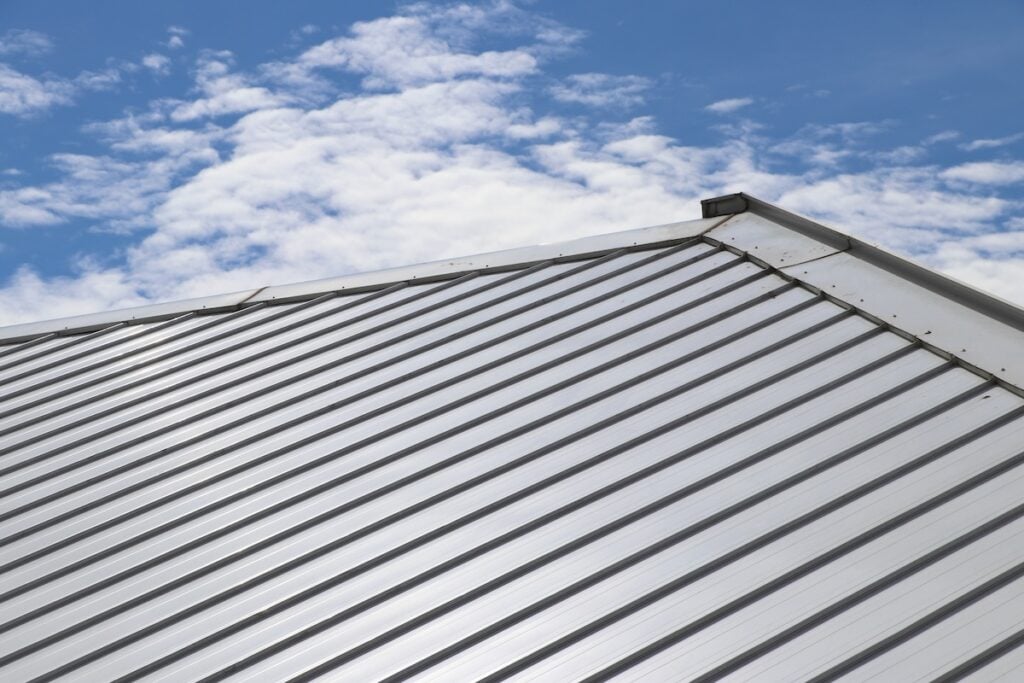
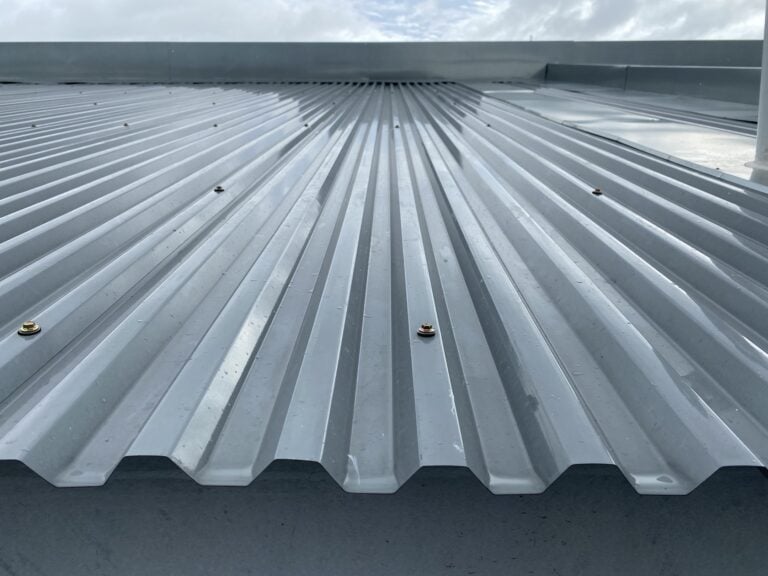
A metal roof is a roofing system made from various metal roofing materials such as steel, aluminum, copper, or zinc. These systems are designed to provide long-term protection while offering a wide range of styles for residential and commercial buildings.
Most metal roofs are constructed using metal panels or shingles, with popular styles including standing seam systems and stone coated steel. A quality metal roof often uses concealed fasteners and protective coatings to improve durability and reduce the risk of leaks.
- Standing seam systems: Durable with hidden fasteners
- Metal panels: Common in modern roofing systems
- Copper and zinc roofs: Premium options with extended lifespan
- Aluminum roofing: Corrosion-resistant, making it ideal for coastal areas
- Stone coated steel: Combines strength with visual appeal
Pros of Metal Roofing
Metal roofs offer several advantages that make them one of the most durable roofing materials available, especially for homeowners focused on long-term performance.
- Long lifespan: Most metal roofs last 40–70+ years
- Durability: Resistant to cracking, shrinking, and severe weather conditions
- Energy efficiency: Energy efficiency metal roofs reflect sunlight and reduce cooling costs
- Low maintenance: Requires fewer repairs than traditional asphalt shingles
- Fire resistance: Non-combustible materials improve safety
Metal roofing can also contribute points toward LEED sustainability certifications, making it a strong option for environmentally focused homeowners.
In addition, metal roofs are designed to shed water and snow efficiently, helping prevent moisture buildup and long-term structural damage.
Cons of Metal Roofing
While metal roofing offers long-term advantages, it’s important to understand the potential drawbacks before making a decision. These factors often depend on installation quality and material choice.
- Higher upfront cost: More expensive than traditional asphalt shingles
- Noise factor: Rain on metal roofs produces more of a rumbling sound than a tinny one, but it can still be noticeable
- Expansion and contraction: Materials can shift with temperature changes
- Specialized labor: Not all contractors are experienced with metal systems
To reduce noise, many installations include sound-dampening underlayment, which helps minimize sound from rain or hail and improves interior comfort.
Another concern is whether metal roofs leak. In most cases, leaks are not caused by the material itself but by poor installation. A properly installed metal roof with quality materials is highly resistant to water intrusion.
6 Factors That Determine If a Metal Roof Is Worth It
Several key factors influence whether a metal roof is a worthwhile investment. Looking at both upfront costs and long-term benefits helps homeowners make a more informed decision.
- Initial installation cost: Higher than an asphalt roof but offset by longevity
- Lifespan: A quality metal roof can last decades longer than traditional asphalt shingles
- Energy efficiency: Reflective properties reduce cooling costs
- Maintenance needs: Requires fewer repairs over time
- Weather resistance: Performs well in high winds and extreme weather
- Sustainability: Recyclable materials and reduced landfill waste
Metal Roof vs Other Roofing Materials
Comparing metal roofing to other materials helps highlight where it stands in terms of durability, cost, and long-term performance. Each material has its own advantages depending on the homeowner’s priorities.
- Metal roofs: Long lifespan, durable, energy efficient
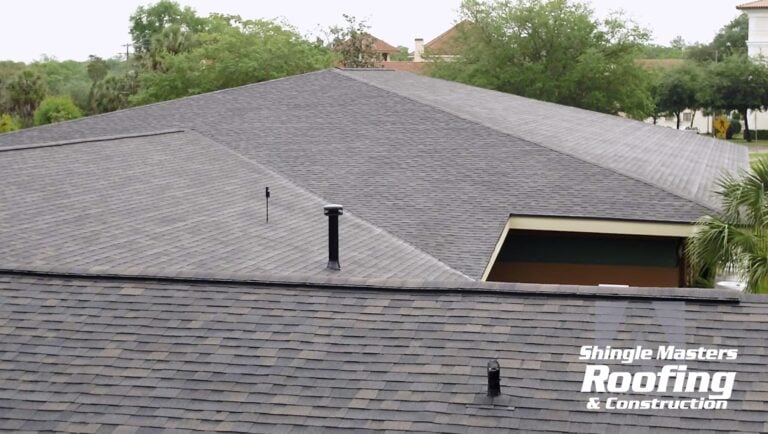
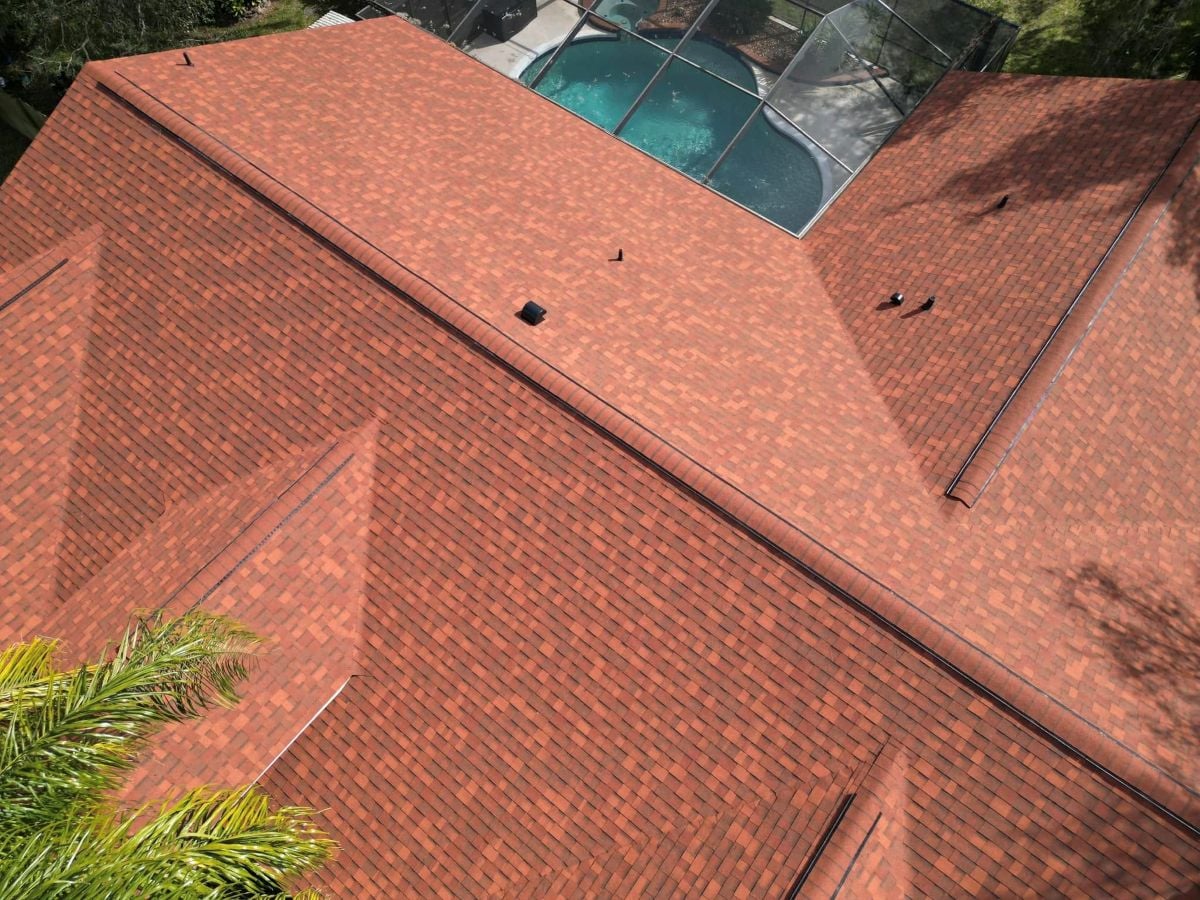
- Asphalt shingles: Lower upfront cost but shorter lifespan
- Tile roofs: Long-lasting but heavier and more expensive
- Wood shingles: Higher maintenance and less weather resistant
Compared to a traditional asphalt roof, metal roofing systems provide better protection against severe weather and require fewer replacements over time.
Long-Term Value of Metal Roofing
Understanding long-term value is key when deciding whether a metal roof is worth the investment. While the upfront cost is higher, the return over time often makes it a more cost-effective option than traditional asphalt shingles.
- Extended lifespan: Metal roofs last 40–70+ years, reducing the need for multiple replacements
- Lower long-term costs: Fewer repairs and maintenance needs compared to other roofing materials
- Energy savings: Reflective surfaces reduce heat absorption and lower cooling expenses
- Storm durability: Holds up well against high winds, heavy rain, and severe weather conditions
- Reduced risk of damage: Less likely to crack, warp, or deteriorate over time
- Sustainability benefits: Many metal roofing materials are recyclable and reduce landfill waste
- Increased home value: Long lifespan and efficiency can improve resale appeal
Common Myths About Metal Roofs
There are several misconceptions about metal roofing that can influence homeowner decisions. Understanding what’s true and what’s not helps you make a more confident choice.
- Metal roofs attract lightning: This is a myth
- Metal roofs leak easily: Proper installation prevents this
- They are too noisy: Underlayment significantly reduces sound
- They look industrial: Many styles mimic traditional roofing
FAQs About Metal Roof Pros and Cons
These common questions help clarify performance, cost, and whether metal roofing is the right long-term investment for your home. Understanding these factors makes it easier to compare metal roofing to traditional materials and choose the best option.
Is a metal roof better than an asphalt shingle roof?
In many cases, yes. Metal roofs last longer, require less maintenance, and offer better protection against weather compared to asphalt shingles. While the upfront cost is higher, the long-term durability often makes it the better investment.
Do metal roofs attract lightning?
No, metal roofs do not increase the likelihood of a lightning strike and are non-combustible. This makes them a safe roofing option, even in areas that experience frequent storms.
Are metal roofs energy efficient?
Yes, metal roofs reflect solar heat, which helps reduce cooling costs and improve indoor comfort. This energy efficiency is especially beneficial in warmer climates.
Can metal roofs leak?
Metal roofs rarely leak when properly installed. Most issues are caused by poor installation rather than the materials themselves, which is why choosing an experienced contractor is important.
How long do most metal roofs last?
Most metal roofs last between 40 and 70 years, with some premium materials lasting even longer. This extended lifespan is one of the main reasons homeowners choose metal roofing.
Are metal roofs good for coastal areas?
Yes, aluminum roofing is corrosion-resistant, making it a strong choice for coastal environments. It holds up well against salt exposure and humid conditions.
Upgrade Your Roof With Shingle Masters
Choosing the right roofing material is an important decision, and metal roofing offers a strong combination of durability, efficiency, and long-term value. Understanding the pros and cons helps you determine if it’s the right fit for your home.
Shingle Masters provides expert metal roofing installation, inspections, and guidance to help homeowners make informed decisions. Whether you’re upgrading your existing roof or planning a new project, our team is here to help.
Reach out today to schedule a consultation and explore your metal roofing options.