 7 Min Read
 03/02/2026
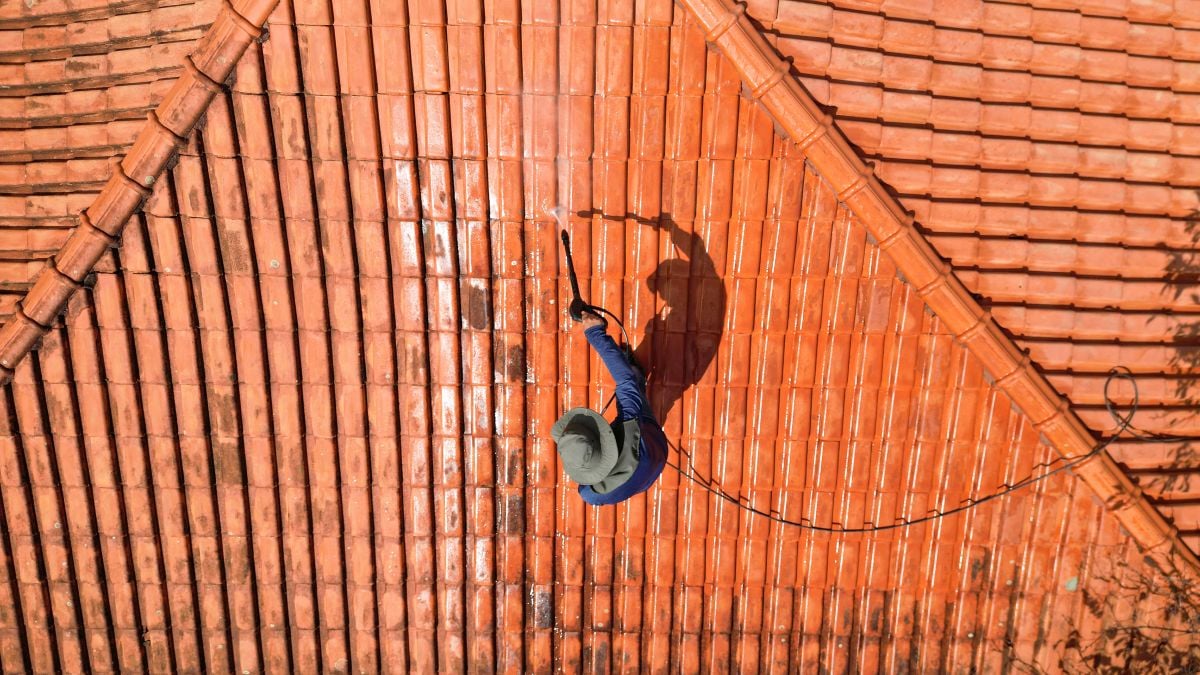
Roof washing is an important part of home maintenance that helps protect your roofing materials from long term damage. Over time, roofs collect dirt, algae, moss, and debris that can shorten their lifespan and reduce curb appeal. Homeowners in Brandon, FL, and throughout the Tampa Bay area often wonder when cleaning their roof becomes necessary instead of optional.
In this guide, we will cover the key things homeowners should understand about roof washing.
- Signs your roof may need cleaning: Visible streaks, moss, or debris buildup often signal the need for maintenance.
- How roof washing protects materials: Cleaning removes algae and organic growth that can damage shingles.
- The difference between cosmetic stains and harmful buildup: Not all discoloration requires the same type of cleaning.
- When professional cleaning is recommended: Some situations require specialized equipment and effective techniques to clean safely.
Understanding these factors can help you make informed decisions about protecting your roof and maintaining the value of your home. We’re proud to serve home and business owners in Riverview, FL, and nearby communities with roof washing guidance and more.
Why Roof Washing Matters for Homeowners
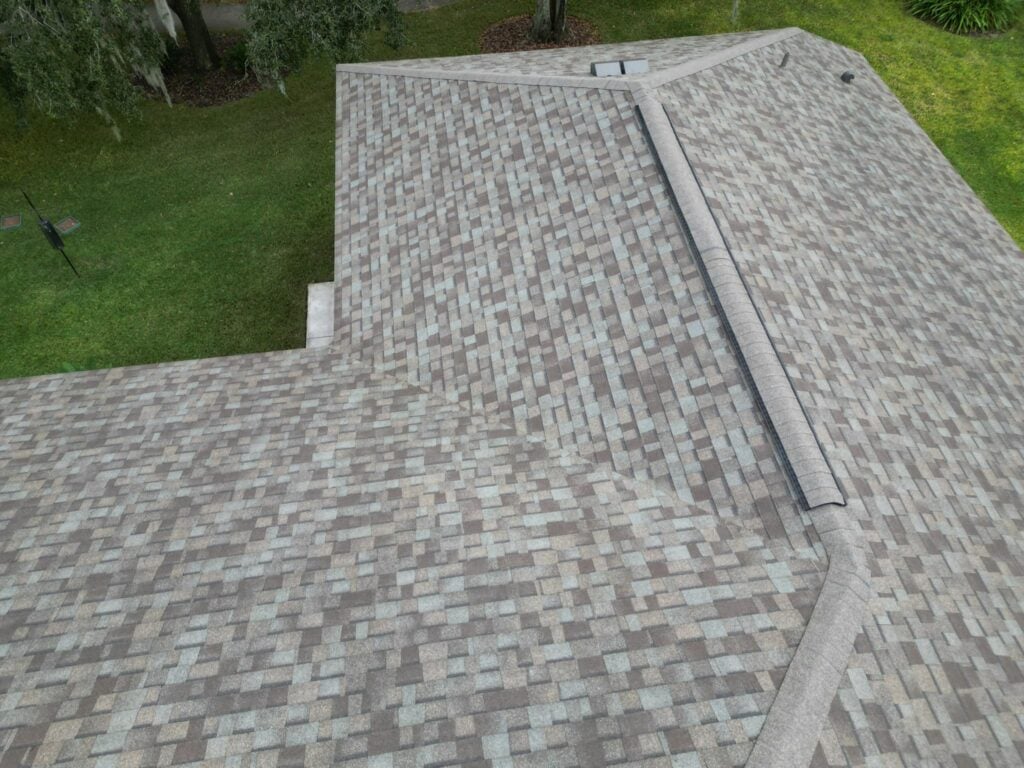
Roof washing helps maintain both the appearance and durability of your roof. Over time, roofs collect algae, moss, dirt, and organic debris that can weaken roofing materials. In humid climates like Florida, frequent rain and high moisture levels create the ideal environment for algae and moss growth. When buildup sits on the roof surface for extended periods, it can trap moisture against shingles and accelerate aging. Ignoring these issues often leads to costly repairs that could have been avoided with regular roof cleaning or a professional soft wash roof treatment.
- Moisture retention: Organic growth can trap water against shingles and increase the risk of deterioration.
- Surface wear: Algae and moss may weaken the protective granules that help shingles resist weather exposure.
- Drainage problems: Leaves and debris can block proper water runoff and cause pooling on the roof surface. Keeping your gutter system properly installed and clear of debris is essential for maintaining healthy drainage.
- Lower curb appeal: Dark streaks and stains can make a home look older or poorly maintained.
Why Algae Growth Appears on Roofs
Many homeowners first notice dark streaks across their roof caused by a type of algae known as Gloeocapsa magma. These airborne spores land on roofing materials and feed on the limestone filler commonly found in asphalt shingles. Once algae begin growing, they can slowly spread across the roof surface and create the streaked appearance seen on many homes. Over time, moss and lichen can also develop, compounding the damage and making professional roof cleaning even more important.
Over 80% of the United States falls within what the roofing industry calls the “algae danger zone” with the Southeast carrying the highest risk due to its intense heat and humidity. In humid climates like those found throughout Florida, algae growth can develop more quickly because moisture and heat provide ideal conditions for spores to spread.
7 Signs It Is Time to Schedule Roof Washing
Sometimes it can be difficult to determine whether roof discoloration is simply cosmetic or a sign that cleaning is necessary. If you notice several of the following conditions, it may be time to consider a professional roof cleaning service.
- Dark streaks on shingles: Algae growth often appears as long black streaks running down roof slopes.
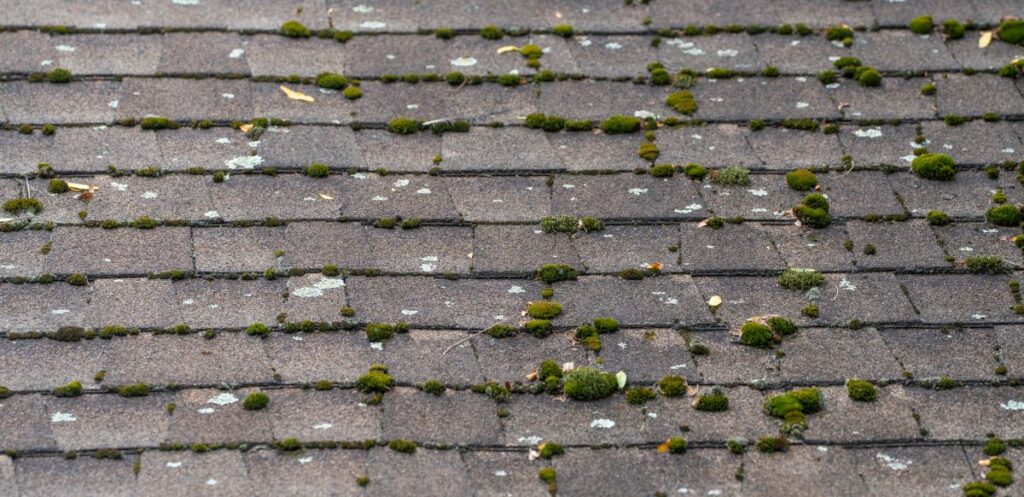
- Moss or plant growth: Moss can lift shingles and allow moisture to enter beneath the roof system.
- Debris accumulation: Leaves and twigs that collect on the roof can trap moisture and accelerate deterioration.
- Uneven roof coloration: Sections of the roof appearing darker than others may indicate algae buildup.
- Noticeable mold or mildew: Mold patches may develop in areas where moisture remains trapped.
- Storm debris buildup: Heavy storms can leave organic material on the roof that begins to break down over time.
- Older roof with staining: Aging roofs may develop visible staining as protective coatings begin wearing down.
Recognizing these warning signs early allows homeowners to address buildup before it leads to more serious roofing problems.
Roof Washing Methods Compared
Different roof washing techniques are used depending on the type of roofing material and the severity of buildup present. Understanding these methods helps homeowners know what to expect during the cleaning process.
| Roof Washing Method | How It Works | Best For | Risk Level |
| Soft washing | Uses low pressure water and eco friendly cleaning solution to remove algae and stains | Shingle roofs and delicate materials | Low |
| Pressure washing | Uses higher pressure water to remove stubborn buildup | Durable materials such as metal or tile roofs | Moderate |
| Manual debris removal | Clearing leaves and organic debris by hand before washing | Roof valleys and gutters | Low |
Most roofing professionals recommend softwashing because it removes algae and stains without damaging the protective granules that help shingles resist weather exposure. This soft washing method uses a gentle cleaning solution that breaks down organic growth rather than blasting it away with pressure. Pressure washing can be too aggressive for many roofing materials and may shorten the lifespan of shingle roofs if used improperly. Professional roof cleaning teams also follow strict safety protocols throughout the process and perform final inspections to confirm the roof has been thoroughly cleaned.
How Often Should a Roof Be Washed?
The ideal frequency for roof washing depends on factors such as climate, nearby trees, and roofing materials. Homes located in humid regions may experience algae growth much faster than homes in dry environments. Understanding how long a roof lasts can also help you determine when regular maintenance like washing becomes especially important to maximize your roof’s remaining lifespan.
Climate and Humidity
Warm temperatures and high humidity create the perfect environment for algae and moss growth. Homes in coastal or subtropical climates often require regular roof cleaning more frequently because moisture remains on the roof surface longer.
Tree Coverage
Homes surrounded by large trees may accumulate leaves, pollen, and organic debris more quickly. Shaded areas of the roof tend to stay damp longer, which can promote algae, moss and lichen development.
Roofing Materials
Some asphalt shingles include algae resistant technology designed to slow the growth of stains. While these shingles help reduce discoloration, they do not completely prevent algae from forming over time. This applies to shingle roofs as well as tile roofs, each of which may require different cleaning approaches as part of ongoing home maintenance.
Keep Your Roof Protected With Shingle Masters
Keeping your roof clean is one of the simplest ways to extend its lifespan and protect your home’s appearance. Algae, moss, and debris may seem harmless at first, but they can gradually weaken roofing materials if left untreated and lead to costly repairs down the road.
Shingle Masters understands the environmental challenges Florida roofs face, from intense sun to frequent rain and humidity. Our team uses effective techniques and eco friendly cleaning solutions to help homeowners evaluate their roofs and determine whether washing, maintenance, or repairs are necessary to keep their roofing system performing properly. From final inspections to full cleanings, we follow thorough safety protocols to protect both your home and our crew.
If you are noticing dark streaks or debris buildup on your roof, the professionals at Shingle Masters are ready to help. Our experienced team proudly serves homeowners in Apollo Beach, Clearwater, and throughout the Tampa Bay area with reliable roof cleaning service designed to protect homes for years to come.