 14 Min Read
 09/01/2026
Comparing metal roof vs shingle roof cost is an important step when planning a roof replacement. Asphalt shingles generally have a lower upfront price, while metal roofing requires a higher initial investment but can offer a longer service life and lower maintenance needs. If asphalt shingles are at the top of your list, explore your shingle options to see how different systems can fit your home and budget.
The right choice isn’t simply about finding the lowest price. Roof size, pitch, material, installation requirements, Florida weather, maintenance, and how long you plan to stay in your home can all influence which roofing system delivers better value.
- Upfront price: Asphalt shingles generally cost less to purchase and install, making them an accessible option for homeowners focused on keeping initial replacement expenses manageable.
- Long-term value: Metal roofing costs more initially, but its longer potential service life can reduce how often a homeowner needs to consider another full roof replacement.
- Installation differences: Labor, roof complexity, tear-off requirements, underlayment, flashing, and ventilation can substantially change the final cost of either roofing system.
- Florida conditions: Heat, heavy rain, high winds, humidity, and coastal exposure should all be considered alongside price when comparing roofing materials.
Metal Roof vs Shingle Roof Cost in 2026
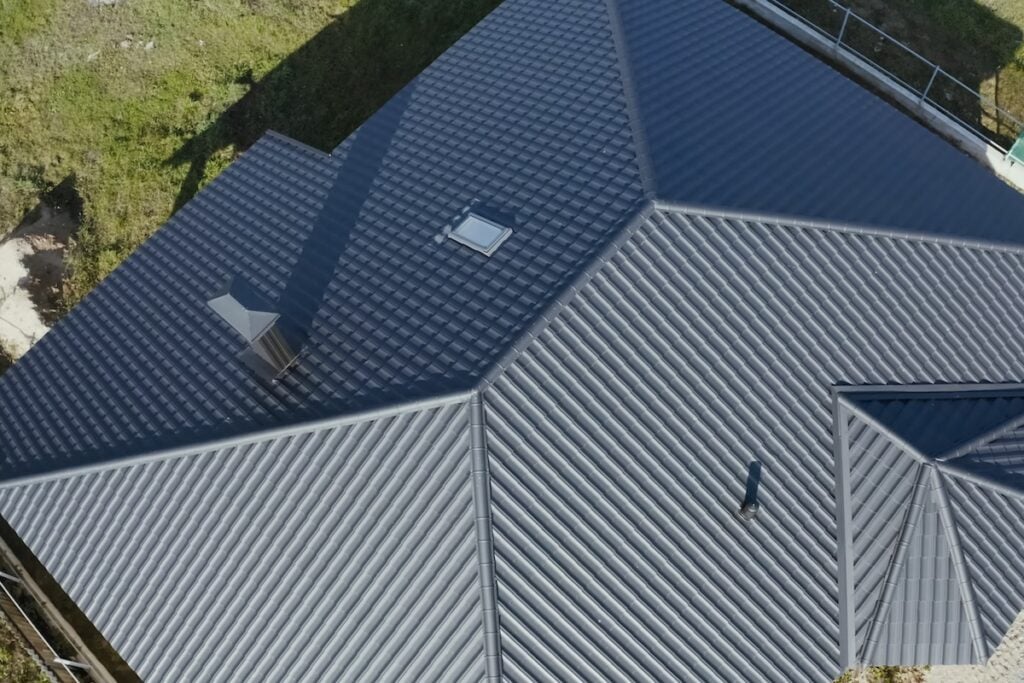
There can be a substantial upfront price difference between a metal roof and an asphalt shingle roof. Asphalt shingles are typically the less expensive system to install, while standing seam and other premium metal systems require a larger initial budget.
Exact 2026 prices vary considerably by home and material, so cost-per-square-foot figures should be treated as planning ranges rather than quotes. The most useful comparison is a detailed estimate for both systems on the same roof.
- Asphalt shingles: Typically provide the lower initial material and installation cost, particularly when choosing standard architectural shingles.
- Metal roofing: Usually requires a larger upfront investment because the materials and installation methods can be more specialized.
- Premium materials: Designer shingles, standing seam panels, aluminum, and other upgrades can increase costs beyond entry-level roofing products.
- Project-specific costs: Roof size, slope, access, tear-off, decking repairs, permits, and flashing details can all change the final estimate.
Why Does a Metal Roof Cost More Than Shingles?
Metal roofing usually costs more because you’re not simply paying for a different visible roof surface. The materials, accessories, fabrication, fastening systems, and installation requirements can all differ from an asphalt shingle roof.
Standing seam metal roofing can be particularly labor-intensive because panels must be carefully measured, positioned, secured, and integrated with roof penetrations and flashing.
- Material expenses: Steel, aluminum, and premium metal roofing products generally have a higher material price than conventional asphalt shingles.
- Specialized labor: Metal roof installation requires knowledge of panel layout, fastening systems, flashing details, expansion, contraction, and manufacturer requirements.
- Custom components: Roof edges, valleys, ridges, penetrations, and other details may require specially sized or fabricated metal components.
- Installation time: Complex metal systems can take more time to install correctly, increasing the labor portion of the project.
8 Factors That Affect Metal Roof vs Shingle Roof Cost
A price-per-square-foot estimate is useful for early planning, but it doesn’t tell the whole story. Two similarly sized homes can have significantly different roof replacement costs because roof area, pitch, architecture, existing materials, and underlying conditions vary.
1. Roof Size
Contractors calculate material requirements based on the actual roof surface rather than simply using your home’s interior square footage. Garages, porches, overhangs, additions, and roof pitch can all increase the amount of roofing material needed, making roof size an important factor in both metal and shingle roof pricing.
- Total roof area: More square footage requires additional shingles or metal panels, underlayment, fasteners, and other roofing components.
- Waste allowance: Larger and more complex roofs may require extra material to account for cuts, overlaps, and installation waste.
- Labor requirements: More roof surface requires additional installation time, increasing labor costs regardless of the roofing material selected.
2. Roof Pitch
Steeper roofs can require additional safety precautions, equipment, labor, and installation time compared with lower-slope surfaces. Because crews need to move materials and work safely across the roof, pitch can affect both metal and shingle installation costs and should be considered alongside total square footage.
- Safety requirements: Steep slopes may require additional fall-protection equipment and more careful staging throughout the installation.
- Installation speed: Crews may need more time to position materials and complete detailed work safely on steep roof surfaces.
- Labor costs: More demanding installation conditions can increase the labor portion of the overall roofing estimate.
3. Roofing Material
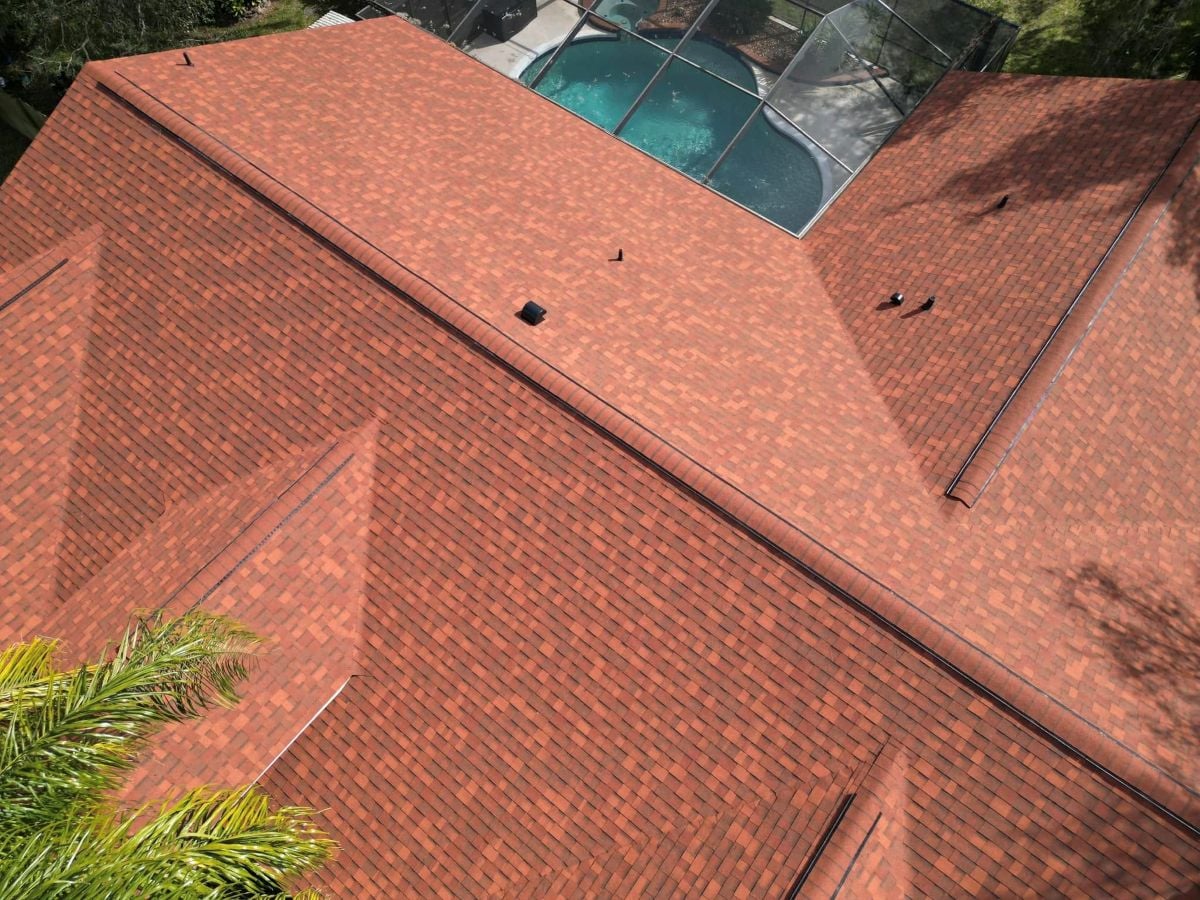
Roofing prices vary considerably within each material category, so homeowners should compare specific products rather than simply comparing metal with shingles. Standard architectural shingles, premium shingles, exposed-fastener metal, standing seam steel, and aluminum roofing can each fall into different price ranges. Architectural shingles also provide better curb appeal than basic shingles because their dimensional construction creates more depth and visual variation across the roof.
- Asphalt options: Standard architectural shingles typically cost less than premium designer or specialty shingle products while offering more visual dimension than basic shingles.
- Metal options: Exposed-fastener steel, standing seam steel, and aluminum can have significantly different material and installation costs.
- Product quality: Manufacturer, finish, warranty coverage, impact ratings, and product specifications can all influence the final material price.
4. Roof Complexity
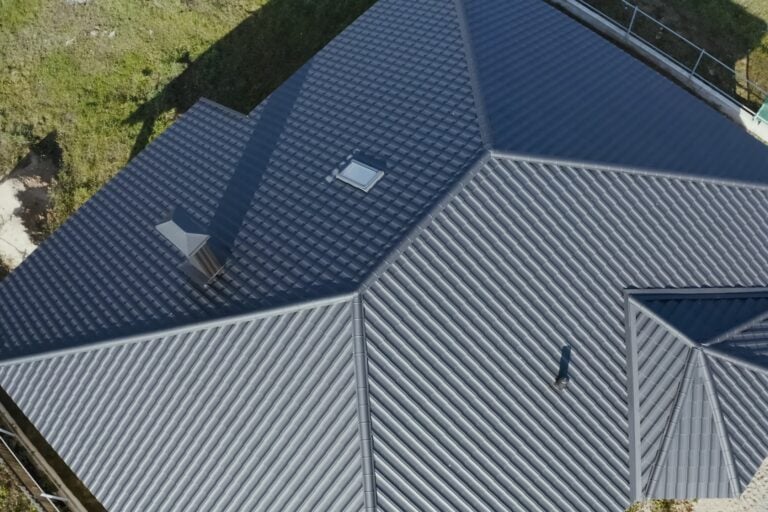
A simple gable roof is generally easier to replace than a roof with multiple valleys, hips, dormers, skylights, chimneys, and other penetrations. Every additional detail can require more cutting, flashing, fitting, or fabrication, which increases both material requirements and the amount of labor needed.
- Valleys and hips: These areas require careful installation and additional materials to manage water correctly.
- Roof penetrations: Skylights, vents, chimneys, and plumbing penetrations require detailed flashing and sealing work.
- Complex rooflines: Multiple sections and transitions can increase installation time as well as material waste.
5. Tear-Off and Disposal
Removing the existing roof is another part of the total roof replacement cost, and the amount of work depends on the roofing material being removed, the number of existing layers, and property access. Tear-off also exposes the roof deck, allowing the contractor to identify problems that may have been hidden beneath the old roofing system.
- Existing layers: Multiple layers of old shingles can require additional labor and disposal compared with removing a single roofing layer.
- Debris disposal: Removing old roofing materials involves hauling and disposal expenses that contribute to the total project cost.
- Hidden conditions: Damage discovered after tear-off may require additional work before the new roofing system can be installed.
6. Roof Deck Repairs
Once the existing roofing material is removed, contractors may discover soft, deteriorated, or damaged roof decking that wasn’t visible during an exterior inspection. Compromised decking should be repaired before new shingles or metal roofing are installed so the new system has a stable and properly prepared foundation.
- Rotten decking: Moisture-damaged sections may need to be removed and replaced before roofing installation can continue.
- Structural support: A stable roof deck provides the necessary foundation for underlayment, shingles, and metal roofing components.
- Additional materials: The amount and type of replacement decking required can increase the project’s final price.
7. Underlayment and Roofing Components
Your completed roof consists of much more than the visible asphalt shingles or metal panels. Underlayment, flashing, drip edge, ventilation, fasteners, ridge materials, and waterproofing details all contribute to the overall project price and work together as part of the complete roofing system.
- Underlayment: The material installed beneath the finished roofing provides an additional protective layer over the roof deck.
- Flashing components: Valleys, walls, chimneys, and roof penetrations require correctly installed flashing to help manage water.
- Ventilation system: Proper intake and exhaust ventilation can help manage heat and moisture inside the attic.
- Fastening system: Metal panels and asphalt shingles use different fastening methods that influence material and labor requirements.
8. Labor and Location
Labor rates, permitting requirements, material availability, and applicable building requirements can vary depending on where your home is located. Florida homeowners may also need to consider wind exposure, coastal conditions, accessibility, and local installation requirements when comparing the final cost of metal and shingle roofing.
- Installation labor: More complicated roofing systems generally require additional time and specialized installation experience.
- Local requirements: Permitting and applicable building requirements can influence the scope and total price of a roof replacement.
- Property access: Homes with limited equipment or material access may require additional setup and labor during installation.
- Florida conditions: Local weather, wind, humidity, and coastal exposure should be considered when selecting and installing a roofing system.
Shingle Roof Cost: Why Asphalt Remains Popular
Asphalt shingles remain a common choice for residential roofs because they combine a comparatively affordable upfront price with broad style and color availability.
For homeowners who aren’t looking to make the larger initial investment associated with metal, architectural shingles can provide a practical balance between price, appearance, and performance. They also provide better curb appeal than basic shingles because their dimensional profiles can create a more textured and finished appearance.
- Lower upfront investment: Asphalt shingles generally cost less than metal roofing, making the initial roof replacement expense easier to manage.
- Architectural appearance: Architectural shingles provide greater depth and visual interest than basic shingles, making them popular with homeowners focused on curb appeal.
- Style flexibility: Architectural shingles are available in numerous colors and profiles that can complement different Florida home styles.
- Repair options: Isolated shingle damage can sometimes be repaired without replacing the entire roofing system, depending on its age and overall condition.
Shingle roofs do require ongoing care. Regular inspections and appropriate cleaning can help control moss and algae growth, particularly in humid environments where organic growth and staining may become more noticeable.
Metal Roof Cost: What Are You Paying For?
The higher metal roof cost is tied partly to material construction, longevity, and the specialized nature of installation. Metal roofs can also offer a distinctive appearance that appeals to homeowners willing to make a larger initial investment.
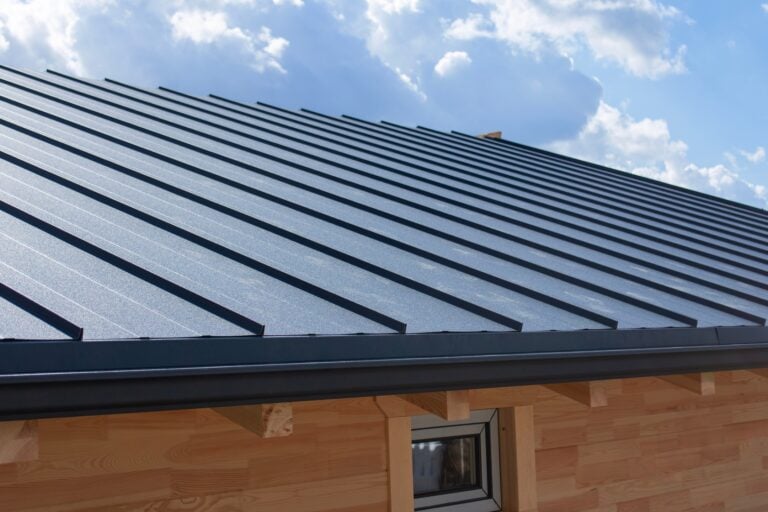
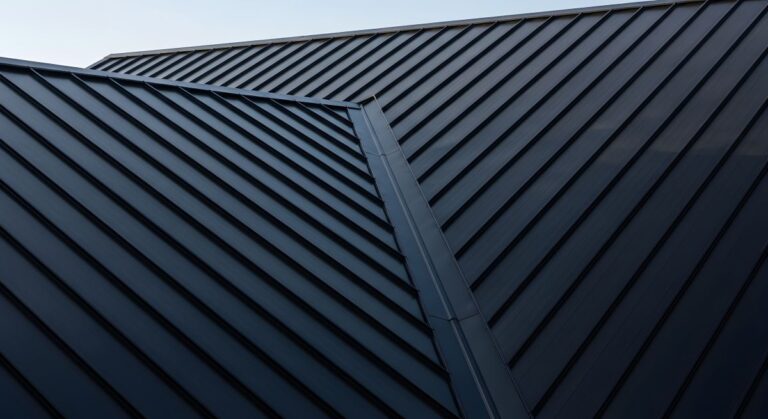
The specific roofing system matters. Standing seam metal roofing uses concealed fasteners and raised seams, while exposed-fastener systems use a different installation approach. Steel and aluminum can also have different material costs and performance characteristics.
- Long-term durability: A properly selected and installed metal roofing system can provide decades of service when maintained appropriately.
- Weather performance: Certain metal roofing systems can achieve a Class 4 impact-resistance rating, offering a high level of resistance to hail impacts when tested to the applicable standard.
- Lower replacement frequency: A longer potential lifespan may mean fewer complete roof replacements over an extended period of homeownership.
- Premium appearance: Standing seam panels provide clean vertical lines that can complement contemporary, coastal, and traditional architectural styles.
Metal Roof vs Shingle Roof Lifespan
Lifespan is one of the biggest reasons homeowners look beyond the upfront metal roof vs shingle roof cost. Asphalt shingles typically last around 15 to 30 years, although the actual service life depends on the type of shingle, installation quality, maintenance, ventilation, sun exposure, and weather conditions.
Metal roofing can potentially remain in service considerably longer than an asphalt shingle roof. Actual lifespan still isn’t determined by roofing material alone. Installation quality, ventilation, maintenance, weather exposure, product selection, and the home’s location all influence how long a roof performs.
For homeowners planning to remain in the same property for many years, comparing potential replacement cycles can provide a clearer picture of long-term cost than comparing installation prices alone.
Which Roof Has Better Long-Term Value?
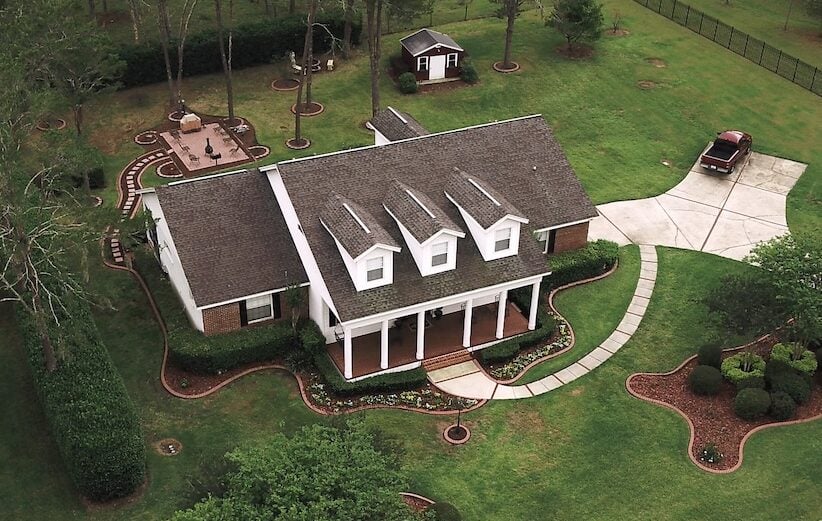
Long-term value depends on what you expect from the roof, your available budget, and how long you plan to own the property. The cheapest system today isn’t automatically the least expensive choice over several decades, especially when replacement frequency and ongoing maintenance are included in the comparison.
- Shingles for affordability: Asphalt shingles can make sense when controlling the initial roof replacement cost is one of your biggest priorities.
- Metal for longevity: Metal roofing may provide stronger long-term value for homeowners who expect to remain in their property for decades.
- Maintenance considerations: Shingle roofs should be inspected and cleaned as appropriate to help prevent moss and algae growth and identify damaged areas before problems worsen.
- Complete system value: Underlayment, ventilation, flashing, warranties, workmanship, and installation quality deserve consideration alongside the visible roofing material.
Is a Metal Roof Worth the Higher Cost?
A metal roof may be worth the higher cost if longevity, lower replacement frequency, weather performance, and a particular architectural appearance are priorities. The availability of metal roofing systems with high impact-resistance ratings may also appeal to homeowners concerned about severe weather and hail.
Asphalt shingles may be the better financial fit when initial budget is the primary consideration or when a homeowner prefers the appearance and familiarity of a traditional shingle roofing system. Architectural shingles can also provide a substantial visual upgrade over basic shingles without moving to the higher initial price of metal.
Ultimately, the decision should be based on comparable project estimates for your actual home rather than material prices alone. Comparing the complete scope of work makes it easier to understand exactly what you’re receiving for the investment.
FAQs About Metal Roof vs Shingle Roof Cost
Comparing metal roof vs shingle roof cost involves more than looking at the initial estimate. Homeowners should consider installation, lifespan, maintenance, material quality, roof complexity, and how long they expect to own the home to determine which option provides better overall value.
Is a metal roof more expensive than shingles?
Yes. Metal roofing generally has a higher upfront material and installation cost than asphalt shingles. The size of the price difference depends on the metal system, shingle product, roof design, labor requirements, and any additional work the property needs.
Which is cheaper, metal or shingles?
Asphalt shingles are generally cheaper upfront. They remain a popular choice for homeowners who want to control the initial cost of a roof replacement while still having numerous color, style, and product options, including architectural shingles that offer improved curb appeal.
How long do asphalt shingles last?
Asphalt shingles typically last about 15 to 30 years, but actual lifespan can vary considerably. Shingle quality, installation, ventilation, maintenance, Florida heat, storms, and other environmental conditions can all affect how quickly a roof ages.
Does a metal roof save money long term?
It can. A longer potential service life may reduce the number of complete roof replacements needed over several decades. Whether those savings outweigh the initial price difference depends on the particular roofing systems being compared, maintenance costs, and how long you own the home.
Can metal roofs resist hail?
Certain metal roofing products can achieve a Class 4 impact-resistance rating, which is the highest classification under the applicable impact-testing system. Homeowners should check the rating of the specific roofing product rather than assuming every metal roof carries the same level of hail resistance.
Is standing seam metal more expensive?
Standing seam metal roofing generally sits toward the premium end of residential metal roofing systems. Concealed fasteners, panel fabrication, specialized installation, and detailed flashing work can all contribute to its higher price.
Do shingle roofs require regular cleaning?
Shingle roofs should be kept free of conditions that encourage moss and algae growth. Appropriate maintenance and cleaning can help preserve appearance and prevent organic growth from remaining on the roofing surface for extended periods.
Does roof size affect the price difference?
Yes. Because metal roofing generally carries a higher material and installation cost, the absolute price difference between metal and asphalt shingles can become larger as roof area increases. Roof pitch and architectural complexity can widen that difference further.
Compare Your Roofing Options With Shingle Masters
Metal and asphalt roofing can both make sense depending on your budget, home, and long-term priorities. Instead of looking only at the initial price, consider what you’re receiving for that investment, including materials, installation quality, project management, maintenance requirements, and long-term performance.
Shingle Masters can help homeowners evaluate their roofing needs and understand which option makes sense for their property, priorities, and budget.
If you’re deciding between metal and shingles, compare your roofing options with the Shingle Masters team to get a clearer picture of the right fit for your home.