 12 Min Read
 09/08/2026
Shingle roof cost is one of the first things homeowners consider when planning a roof replacement, but there isn’t one universal price that applies to every property. Roof size, shingle type, pitch, tear-off requirements, labor costs, decking condition, and the complexity of the roof all influence the actual cost.
Asphalt shingles remain a popular roofing material because they offer a practical combination of affordability, durability, and design flexibility. If you’re comparing materials for a new shingle roof, see what shingles offer before deciding which system makes sense for your home.
- Roof size: Larger roofs require more roof shingles, underlayment, flashing, fasteners, and installation labor.
- Shingle type: Basic, architectural, and premium shingles can have substantially different material costs.
- Existing roof condition: Damaged decking or other hidden problems discovered during tear-off can increase roof replacement costs.
- Roof complexity: Valleys, hips, dormers, skylights, steep slopes, and other details can increase labor and material requirements.
How Much Does a Shingle Roof Cost in 2026?
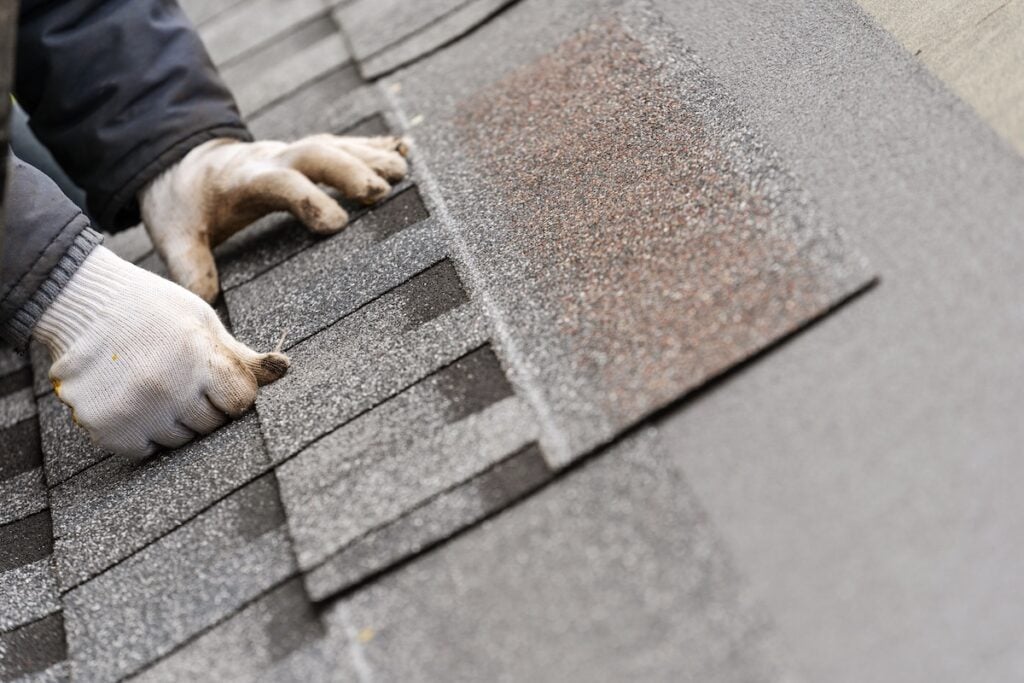
The cost of a new asphalt shingle roof depends on the complete roofing system rather than the price of the shingles alone. Materials, labor, removal of existing roofing material, underlayment, flashing, ventilation, permits, disposal, and necessary repairs can all contribute to the final roof cost.
Online averages can be useful for early budgeting, but shingle roof costs vary considerably from one property to another. Two homes with similar interior square footage may have very different roof areas and installation requirements, which is why an on-site assessment provides a much more useful estimate.
9 Factors That Affect Shingle Roof Cost
Understanding what goes into a roofing estimate can help homeowners compare quotes from roofing contractors more accurately. These nine factors can significantly influence the actual cost of an asphalt shingle roof in 2026.
1. Total Roof Size
Roofing contractors price a project according to the actual roof surface rather than simply using the square footage of the living space below it. Pitch, overhangs, attached garages, porches, and other sections can make the roof considerably larger than the home’s interior footprint.
- More roofing material: A larger roof requires additional shingles, underlayment, flashing, fasteners, and accessories.
- Additional labor: Greater roof area means crews need more time to complete removal and installation, increasing labor costs.
- Cost per square foot: Roof size plays an important role when contractors calculate material and installation requirements.
- Waste allowance: Contractors must account for cuts, starter shingles, ridge materials, and normal installation waste.
2. Shingle Type
Not all asphalt shingles cost the same. Basic three-tab shingles are generally positioned toward the lower end of the market, while architectural asphalt shingles provide a more dimensional appearance and premium designer shingles can imitate roofing materials such as slate or wood shakes.
- Basic shingles: These typically provide a simpler appearance and lower material cost.
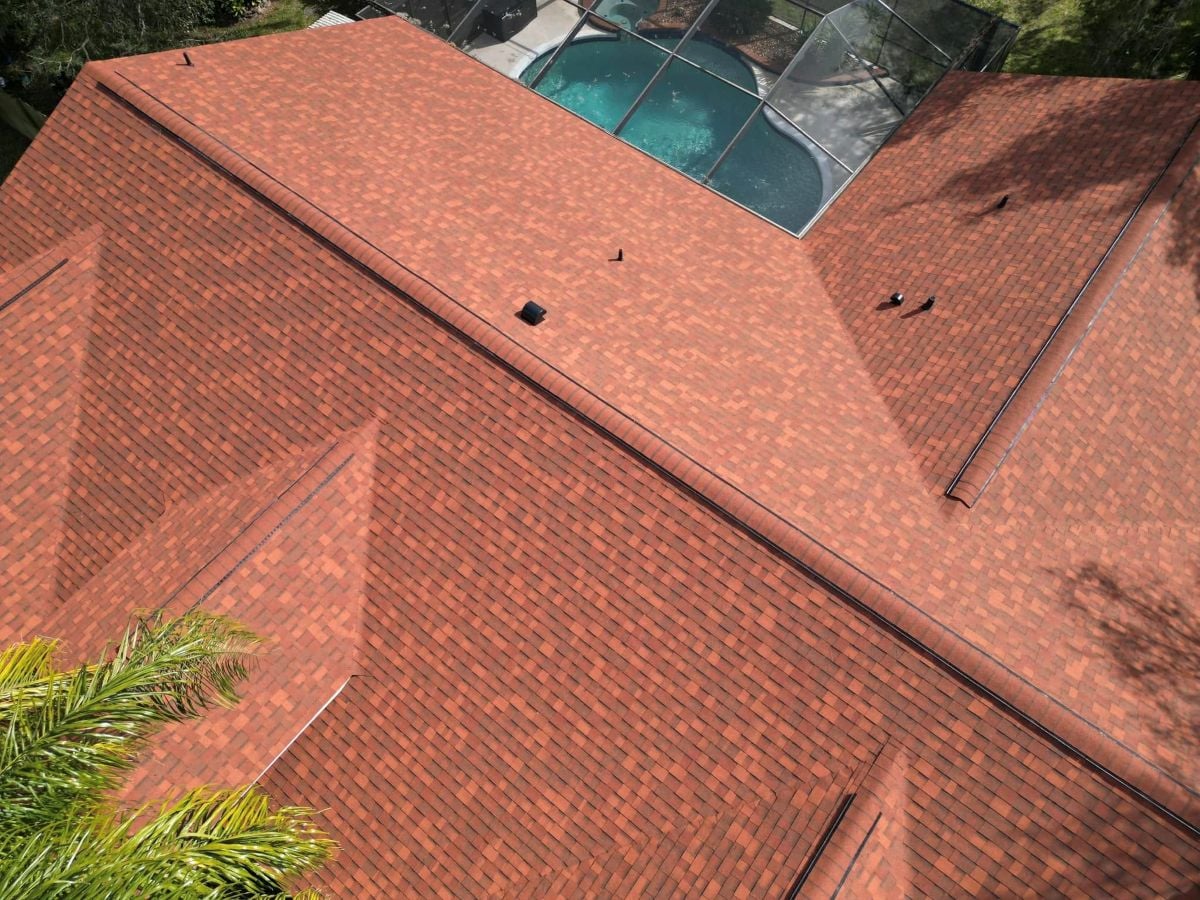
- Architectural asphalt shingles: Their layered construction creates additional dimension and greater curb appeal than basic shingles.
- Premium shingles: Designer products can increase material costs while providing distinctive profiles, colors, and visual depth.
- Product selection: Manufacturer, product line, warranty, color, and performance specifications can all influence pricing.
3. Roof Pitch
The slope of the roof can affect how difficult and time-consuming the roof installation becomes. Steeper roofs may require additional safety equipment and more careful movement of workers and roofing materials, increasing the labor involved in completing the project.
- Safety equipment: Steep roofing can require additional fall-protection measures and staging.
- Installation speed: Crews generally move more slowly when working on difficult slopes.
- Material handling: Shingle bundles and other materials may require additional effort to position safely.
- Labor requirements: Increased difficulty can contribute to higher labor costs.
4. Existing Roofing Material Removal
For many roof replacement projects, the existing roofing material needs to be removed before the new roofing system is installed. Tear-off adds labor and generates debris that must be collected, transported, and properly disposed of.
- Existing roof layers: Multiple layers can require more time and labor to remove.
- Debris volume: Larger roofs produce more roofing material that must be transported away from the property.
- Site access: Limited driveway or property access can make debris handling more difficult.
- Deck inspection: Removing old shingles exposes the roof deck so its condition can be evaluated before installation continues.
5. Roof Deck Condition
The roof deck provides the structural surface beneath the shingles and underlayment. If sections of the existing roof deck are rotten, soft, deteriorated, or otherwise unsuitable for installation, repairs may be necessary before the new roofing materials can be installed correctly.
- Moisture damage: Previous roof leaks can deteriorate portions of the decking without producing obvious exterior signs.
- Soft areas: Weak decking may need to be removed and replaced before new shingles are installed.
- Hidden damage: Some decking problems aren’t visible until the existing roof has been removed.
- Additional work: Extensive deck repairs can increase both material and labor costs.
6. Roof Complexity
Roof architecture can have a major effect on shingle roof cost. A straightforward gable roof generally requires less cutting and detailed installation than a roof containing numerous valleys, hips, dormers, walls, skylights, and intersecting roof sections.
- Valleys: These areas require additional waterproofing and careful shingle installation to properly manage water.
- Hips and ridges: Additional ridge and hip lines require specialized shingles or finishing materials.
- Penetrations: Pipes, vents, skylights, and chimneys introduce areas that require flashing and detailed installation.
- Complex shapes: Multiple roof sections can increase material waste and installation time.
7. Underlayment and Waterproofing
Roof shingles are only the visible portion of a complete roofing system. Underlayment and waterproofing components beneath and around them provide additional protection for the roof deck and are an important part of the total installation cost.
- Roof underlayment: This protective layer is installed between the roof deck and asphalt shingles.
- Waterproofing details: Vulnerable roof areas may require additional materials based on the roof design and applicable requirements.
- Drip edge: Edge components help direct water away from vulnerable portions of the roof assembly.
- Complete system: Comparing estimates should include the materials beneath the shingles rather than focusing solely on the shingle brand.
8. Flashing and Ventilation
Flashing directs water away from roof transitions and penetrations, while proper attic ventilation helps manage heat and moisture. Both are important parts of an asphalt shingle roof and can affect the total roof installation price.
- Roof flashing: Chimneys, walls, valleys, vents, and other transitions may require new or replacement flashing.
- Attic ventilation: Intake and exhaust vents need to work together to support proper airflow through the attic.
- Existing components: Older or damaged ventilation and flashing components may need replacement during the roofing project.
- Installation details: More penetrations and transitions generally mean additional materials and labor.
9. Labor and Location
Labor costs vary based on project difficulty, property access, local requirements, and the amount of work involved. Florida homeowners also need a roofing system installed with the state’s heat, rain, humidity, and severe weather conditions in mind.
- Installation difficulty: Steep or complicated roofs generally require more labor than simple roof designs.
- Property access: Limited space for equipment, materials, or debris can make the project more time-consuming.
- Local requirements: Permits and applicable building requirements can influence the project’s scope and cost.
- Weather conditions: Installation schedules may also need to account for Florida’s frequent rain and severe weather.
How Shingle Type Changes the Price
Choosing between basic, architectural, and premium shingles can make a noticeable difference in the final roof cost. Material selection also affects appearance, product specifications, and the overall character of the finished roof.
Architectural asphalt shingles are especially common because they provide more visual dimension than basic shingles without moving into some of the higher price ranges associated with specialty roofing materials such as a slate roof.
- Three-tab shingles: Generally provide a straightforward appearance and tend to sit toward the more economical end of asphalt roofing.
- Architectural asphalt shingles: Layered construction creates a dimensional appearance and can improve curb appeal compared with basic shingles.
- Designer shingles: Premium profiles can recreate aspects of slate, shake, or other high-end roofing appearances.
- Impact-resistant options: Certain products are designed and tested for increased resistance to impacts, which may affect their price.
Does Roof Size Determine the Final Price?
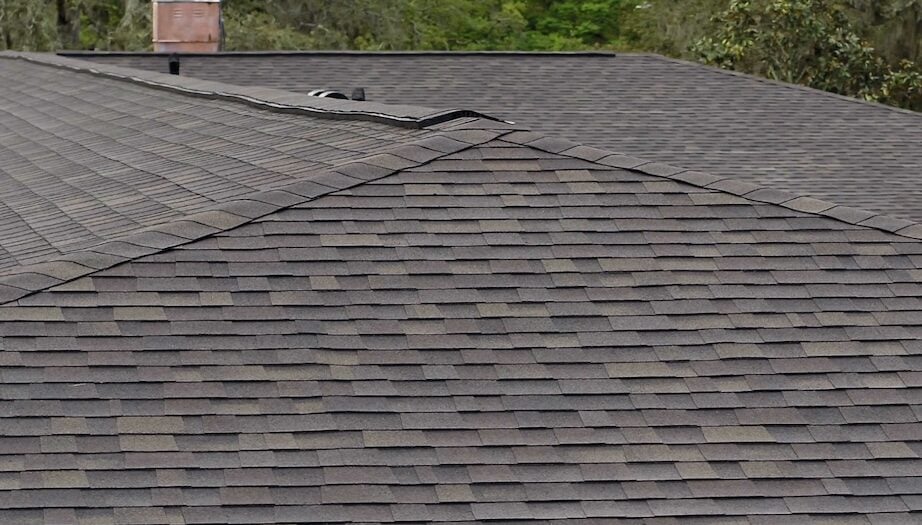
Roof size has a major influence on cost, but multiplying a home’s square footage by an online roofing price rarely produces an accurate estimate. Roofing contractors need to calculate the actual roofing surface, including slopes, overhangs, garages, porches, and other covered areas.
Roofing materials are also commonly measured in squares, with one roofing square representing 100 square feet of roof area. Material waste must then be considered because valleys, hips, edges, and complex roof shapes require shingles to be cut and fitted.
That means two 2,000-square-foot homes can have substantially different roof replacement costs if one has a simple roofline and the other has a steep, complicated design.
What Hidden Costs Can Affect a Shingle Roof Replacement?
Some roof replacement costs can’t be fully determined until the existing roof is removed. A roof can appear relatively normal from the exterior while moisture damage, deteriorated decking, or previous installation problems remain concealed underneath the shingles.
- Damaged decking: Rotten or weakened sections may need replacement before the new roofing system can be installed.
- Multiple roof layers: Additional existing roofing material can increase tear-off time, debris, and disposal costs.
- Flashing repairs: Deteriorated flashing around walls, chimneys, or penetrations may need to be replaced.
- Ventilation corrections: Existing attic ventilation problems may need to be addressed as part of the roofing project.
- Unexpected deterioration: Hidden moisture or structural problems can change the scope once the old roofing materials are removed.
Is a Cheaper Shingle Roof Always the Better Deal?
A lower estimate can be attractive, but homeowners should compare what each roofing proposal actually includes. One estimate may include tear-off, underlayment, flashing, ventilation, disposal, and specific roof shingles while another leaves some of those items out.
The roof installation itself matters as much as the roofing material. A higher-quality shingle doesn’t compensate for poor flashing, inadequate preparation, or installation that doesn’t follow appropriate requirements.
When comparing bids from roofing contractors, look at the complete roofing system and scope of work rather than choosing based on the final number alone.
How Long Do Asphalt Shingles Last?
Asphalt shingles commonly provide years of dependable service, but lifespan varies according to product type, installation, maintenance, ventilation, and environmental exposure. Florida’s heat, UV radiation, humidity, rain, and severe storms can all influence how an asphalt shingle roof ages.
Regular inspections can help identify missing shingles, damaged flashing, granule loss, lifted edges, leaks, and other problems before they develop into larger repair needs. Keeping roof shingles free from excessive debris and addressing moss or algae appropriately can also help maintain their condition.
A roof’s age should therefore be considered alongside its actual condition. Two roofs installed in the same year may age differently depending on exposure, workmanship, materials, and maintenance.
Repair vs Replacement: Which Costs Less?
A roof repair normally costs less upfront than replacing the entire roof, but that doesn’t automatically make repair the most economical long-term decision. The extent of damage, roof age, number of previous repairs, and overall condition all matter when determining whether repair or roof replacement makes sense.
- Localized damage: A small problem affecting an otherwise healthy roof may be suitable for repair.
- Recurring leaks: Multiple leaks can indicate deterioration beyond a single damaged area.
- Older roofing: Investing repeatedly in an aging roof may eventually provide diminishing value.
- Widespread damage: Extensive deterioration can make roof replacement more practical than repeatedly repairing individual areas.
How to Budget for a New Shingle Roof
Start by treating online price estimates as a planning tool rather than a guaranteed project cost. A detailed roofing estimate should account for the specific size, condition, architecture, and installation requirements of your home.
It’s also useful to leave room in your budget for conditions that may only become visible after tear-off. Roof deck deterioration is a common example because the full condition of the decking can’t always be determined while the old shingles and underlayment remain in place.
Most importantly, compare the scope behind each estimate. Understanding exactly which roofing material, installation steps, warranties, repairs, labor costs, and services are included gives you a better basis for comparing prices.
FAQs About Shingle Roof Cost
Shingle roof costs vary from one home to another because the final estimate reflects much more than the shingles themselves. Roof size, architecture, roofing material selection, tear-off requirements, labor costs, decking condition, and installation details all contribute to the total investment.
What is the biggest factor in shingle roof cost?
Roof size is one of the largest factors because it directly affects how much roofing material and labor the project requires. However, pitch, complexity, shingle selection, tear-off requirements, and hidden deck repairs can also make a substantial difference in the actual cost.
Are architectural asphalt shingles more expensive?
Architectural asphalt shingles generally cost more than basic three-tab shingles because they use a more dimensional construction and provide a different appearance. The exact difference depends on the manufacturer, product line, performance features, and roofing contractor.
Does removing the existing roofing material cost extra?
Tear-off and disposal are part of the overall labor and project requirements for many roof replacements. Roof replacement costs can increase when multiple roofing layers need to be removed or when property access makes debris handling more difficult.
Can roof decking increase replacement costs?
Yes. If sections of the existing roof deck are rotten, damaged, or structurally unsuitable, they may need to be replaced before new shingles can be installed. Because some decking damage remains concealed until tear-off, this can become an additional project expense.
Should I choose the cheapest roofing estimate?
Not necessarily. Compare the roof shingles, underlayment, flashing, ventilation, tear-off, disposal, warranties, workmanship, and other items included in each proposal. A lower number doesn’t represent better value when important parts of the roofing system aren’t included.
Get a Clearer Price for Your Shingle Roof
The most useful shingle roof cost isn’t a national average or an online calculator. It’s an estimate based on your actual roof, including its size, pitch, condition, roofing material, ventilation, flashing, and architectural details.
Shingle Masters can evaluate your existing roof and help you understand the work involved before you make a decision. You’ll know the service fee up front, with no hidden costs and no surprise charges, because trust begins with telling you the truth.
When you’re ready to move beyond rough online estimates, price your new roof with Shingle Masters.