 5 Min Read
 08/18/2026
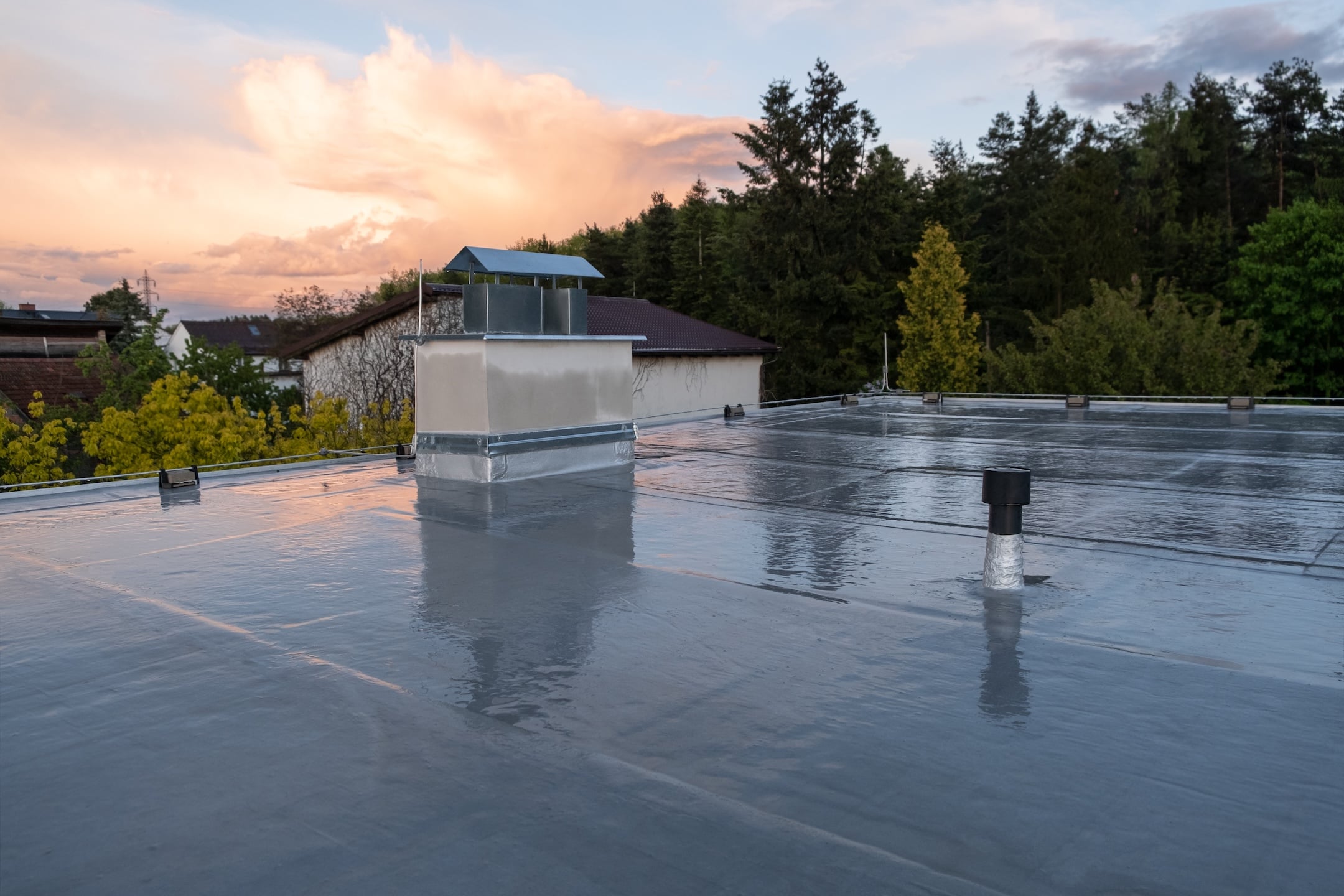
Modified bitumen roofing is a durable and cost-effective solution commonly used on flat roof and low slope roofs. As a modern evolution of built up roofing, this modified bitumen roofing system is designed to handle extreme weather while delivering long-term protection. If you’re considering upgrading or maintaining your roofing system, working with flat and low-slope roofing solutions built to last can help determine if this option is right for your property.
This type of bitumen roofing is widely used across residential properties, commercial and industrial buildings, and additions where traditional materials may not perform well. Understanding how modified bitumen systems work can help you make a more informed decision.
- Material overview: What modified bitumen is made of
- Performance factors: Durability and flexibility
- Installation methods: How it’s applied
- Cost vs value: Long-term benefits
What Is Modified Bitumen Roofing?
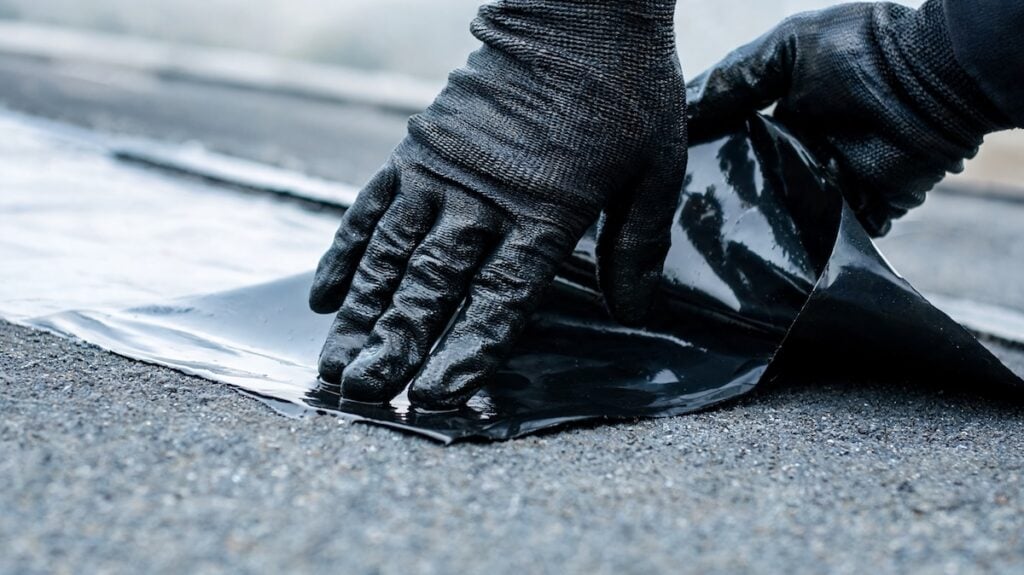
Modified bitumen roofing is an asphalt-based roofing system that improves on traditional built up roofing systems by adding modifiers for flexibility and strength. These systems are designed specifically for flat roof and low slope roofs where water drainage is limited.
A modified bitumen roofing system typically includes multiple layers, with modified bitumen membranes forming the primary waterproof barrier. Many systems use SBS roofing membranes, which improve elasticity and resistance to temperature changes.
- Modified bitumen membranes: Create a waterproof seal
- Layered protection: Similar to built up roofing
- SBS roofing membranes: Improve flexibility
- Durable roofing system: Designed for longevity
5 Key Benefits of Modified Bitumen Roofing
Modified bitumen roofing is a reliable option because it balances affordability, durability, and performance. It is widely used on both residential and commercial and industrial buildings due to its ability to withstand environmental stress.
1. Strong Waterproof Protection
A modified bitumen roofing system is designed to create a watertight barrier across the roof surface. The use of layered modified bitumen membranes helps protect against leaks and long-term water damage.
- Seam protection: Reduces water intrusion
- Durable membrane: Shields roof surface
- Moisture resistance: Performs in wet climates
- Leak prevention: Long-term protection
2. Flexibility in Extreme Temperatures
Modified bitumen systems are built to handle temperature changes without cracking. This makes them ideal for regions where roofing materials are exposed to heat, cold, and seasonal shifts.
- Thermal flexibility: Expands and contracts safely
- Crack resistance: Withstands weather changes
- SBS roofing membranes: Improve elasticity
- Reliable performance: Handles climate stress
3. Easy Maintenance and Repairs
One advantage of a mod bit roofing system is how easy it is to maintain. Small issues can often be addressed without replacing the entire roofing system.
- Simple repairs: Fix localized damage
- Accessible surface: Easy to inspect
- Lower maintenance costs: Reduces expenses
- Extended lifespan: Maintains performance
4. Multiple Installation Methods
Modified bitumen installed can be applied using several installation methods, allowing flexibility based on building structure and environment. This makes it adaptable for different roof designs.
- Torch-down systems: Heat-applied membranes
- Cold-applied systems: Adhesive installation
- Self-adhered sheets: Cleaner application
- Versatile installation methods: Fits many structures
5. Cost-Effective Roofing Option
Compared to other flat roofing options, modified bitumen roofing offers strong value. It provides durability similar to built up roofing systems but at a more affordable cost.
- Lower upfront cost: Budget-friendly option
- Durable system: Reduces replacement frequency
- Repair-friendly: Minimizes long-term costs
- Strong ROI: Reliable performance
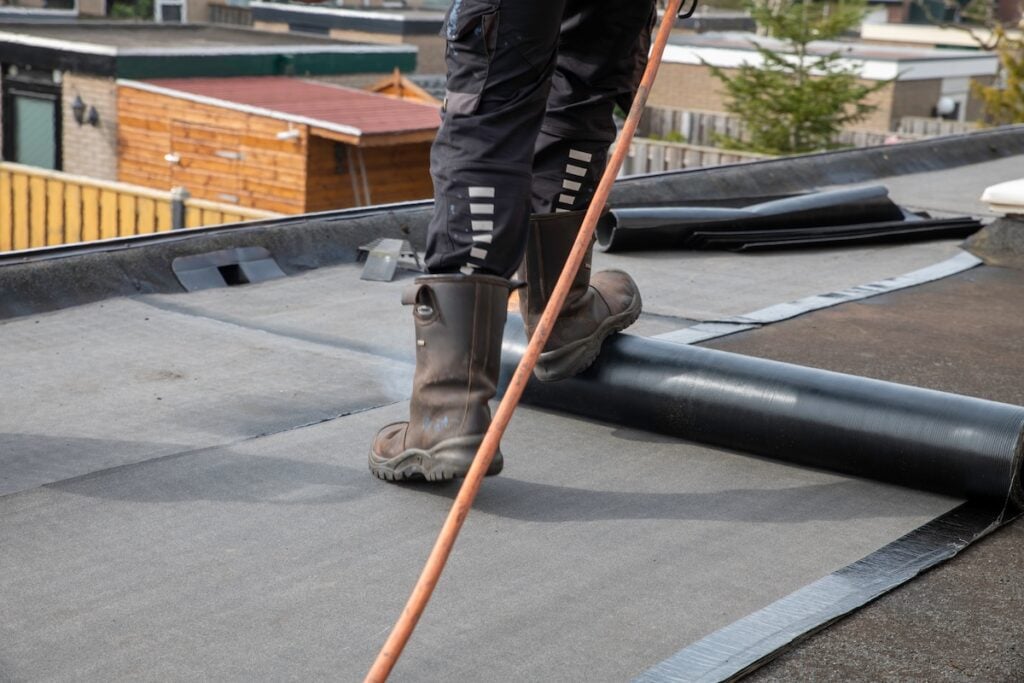
How Modified Bitumen Roofing Is Installed
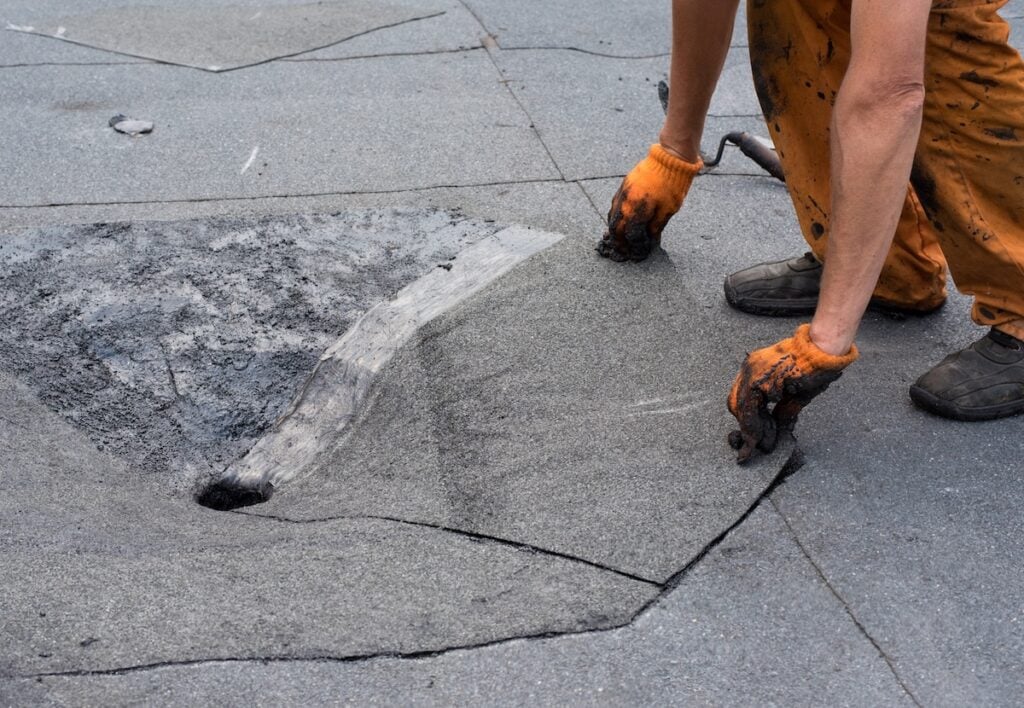
Proper installation is critical for ensuring long-term performance. Modified bitumen installed correctly creates a durable and watertight roofing system that protects the structure below.
- Roof surface prep: Clean and stabilize base
- Base layer install: Foundation for system
- Membrane placement: Apply modified bitumen membranes
- Sealing process: Heat or adhesive bonding
- Final inspection: Ensure full coverage
Cost vs Long-Term Value
Modified bitumen roofing provides strong long-term value, especially for flat roof and low slope roofs. Its durability and repair flexibility make it a cost-effective solution for many property owners.
- Affordable installation: Lower than premium systems
- Durable lifespan: Handles environmental stress
- Reduced maintenance: Fewer major repairs
- Long-term savings: Extends roof life
When Modified Bitumen Roofing Makes Sense
This roofing system is best suited for properties where flat or low slope roofs require durable, weather-resistant protection. It is especially common in commercial and industrial buildings.
- Flat roof structures: Ideal application
- Low slope roofs: Designed for performance
- Commercial and industrial buildings: Common use case
- Budget-conscious projects: Cost-effective solution
FAQs About Modified Bitumen Roofing
Modified bitumen roofing is widely used, but many homeowners still have questions about how modified bitumen systems perform and whether they are the right choice.
How long does a modified bitumen roofing system last?
Most modified bitumen roofing systems last between 20–30 years depending on installation quality and maintenance. Regular inspections can extend the lifespan.
What are modified bitumen membranes made of?
Modified bitumen membranes are made from asphalt combined with modifiers like rubber or plastic, often including SBS roofing membranes for added flexibility.
Is modified bitumen better than built up roofing?
Modified bitumen improves on built up roofing by offering better flexibility, easier installation methods, and stronger resistance to temperature changes.
Where is modified bitumen roofing most commonly used?
It is commonly used on flat roof structures, low slope roofs, and commercial and industrial buildings where durability is important.
Can modified bitumen be repaired easily?
Yes, one of the benefits of mod bit roofing systems is that they are repair-friendly and allow for localized fixes.
Protect Your Roof With Shingle Masters
Modified bitumen roofing offers a durable, flexible, and cost-effective solution for flat and low-slope roofs. Understanding how this roofing system works helps homeowners make informed decisions.
Shingle Masters provides expert commercial roofing services, inspections, and installation tailored to your property’s needs.
Reach out today to schedule an inspection and protect your roof.