
 7 Min Read
 11/26/2026
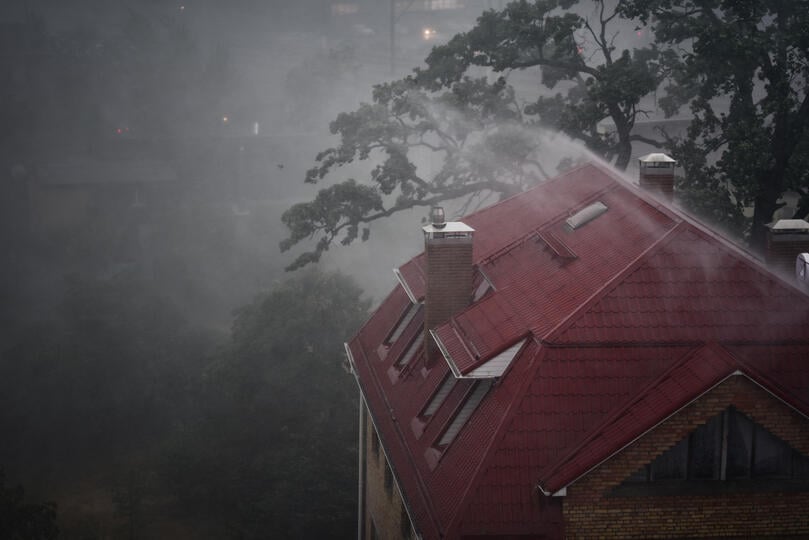
When a hurricane hits, the biggest threat to your roof isn’t always the rain. Powerful winds create upward pressure that can lift a roof right off the walls if it isn’t properly secured. That’s where hurricane straps come in. These small metal connectors tie your roof framing to the walls below, giving your home a much better chance of riding out a major storm. If you’re worried about how your roof will hold up this season, our team offers storm damage and roof protection services to help Florida homeowners prepare.
In this guide, we’ll cover:
- The basics: What hurricane straps are and how they work.
- Key benefits: Four ways straps protect your roof and home.
- Connection types: A comparison of common roof to wall connections.
- Upgrade signs: How to tell if your home needs hurricane straps.
- Common questions: Answers to what homeowners ask us most about storm protection.
What Are Hurricane Straps?
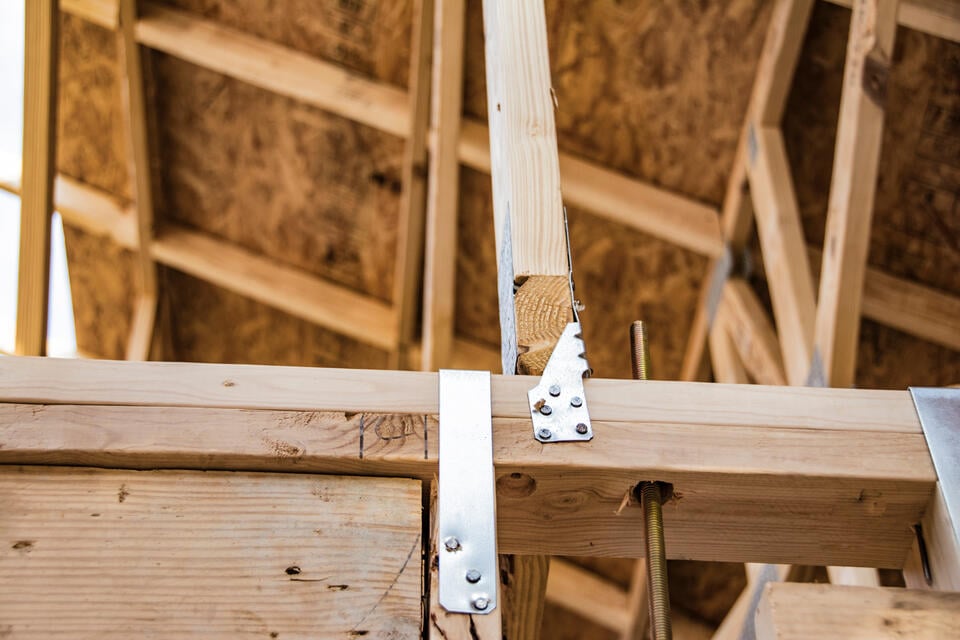
Hurricane straps, also called hurricane clips or hurricane ties, are metal connectors, usually made from galvanized steel, that fasten your roof trusses or rafters to the top of your walls. Brands like Simpson Strong-Tie make a full range of these connectors, which are also sold as seismic ties or rafter ties because they help homes in other regions withstand seismic events. The type your home has makes a big difference in how well it resists wind. Most roof to wall connections fall into one of these categories:
- Toe nails: Nails driven at an angle through the truss into the top plate, offering the least resistance to uplift.
- Clips: Metal connectors attached to one side of the truss and the wall, providing a solid upgrade over nails alone.
- Single wraps: Straps that wrap over the top of the truss and fasten to the wall, adding much stronger holding power.
- Double wraps: Straps installed on both sides of each truss for the highest level of protection.
4 Ways Hurricane Straps Protect Your Roof
Hurricane straps work quietly behind the scenes, but they play a major role in how your home performs during a storm. Here’s how they help.
- Resisting wind uplift: High winds flowing over a roof create suction that pulls upward on the structure. Straps anchor the roof framing so it stays attached to the walls instead of lifting away.
- Creating a continuous load path: Strong connections carry wind forces from the roof through the walls and down to the foundation. This continuous load path spreads stress across the whole structure instead of concentrating it at one weak point.
- Preventing water intrusion: When the roof stays firmly attached, the decking and roof covering are far less likely to shift or peel away. That helps keep rain out and prevents the interior water damage that often follows major storms.
- Lowering insurance costs: Upgraded roof to wall connections can earn credits on a wind mitigation inspection. Many Florida homeowners see lower homeowners insurance premiums once these improvements are documented.
Comparing Roof to Wall Connection Types
Not all connections offer the same level of protection. This table shows how the most common options compare, from the weakest to the strongest.
| Connection Type | How It Attaches | Uplift Resistance | Wind Mitigation Benefit |
| Toe nails | Angled nails through the truss into the wall | Lowest | Little to none |
| Clips | Metal connector on one side of the truss | Moderate | Moderate |
| Single wraps | Strap wrapped over the truss and fastened to the wall | High | Strong |
| Double wraps | Straps wrapped over both sides of each truss | Highest | Strongest |
Homes with single or double wraps generally perform best in high winds and tend to receive the most favorable wind mitigation ratings.
Does Your Home Need Hurricane Straps?
Many older homes were built before modern wind codes required strong roof to wall connections. Florida now addresses this during reroofing, and the Florida Building Code requires roof to wall connections to be improved when the roof is replaced on older homes in the windborne debris region with an insured value of $300,000 or more, as long as the work stays within 15 percent of the reroofing cost. Even if your home doesn’t fall under that rule, these signs suggest an upgrade is worth considering:
- Older construction: Homes built before 2002 were not held to the current statewide building code and may rely on toe nails, while new construction must meet today’s stronger wind requirements.
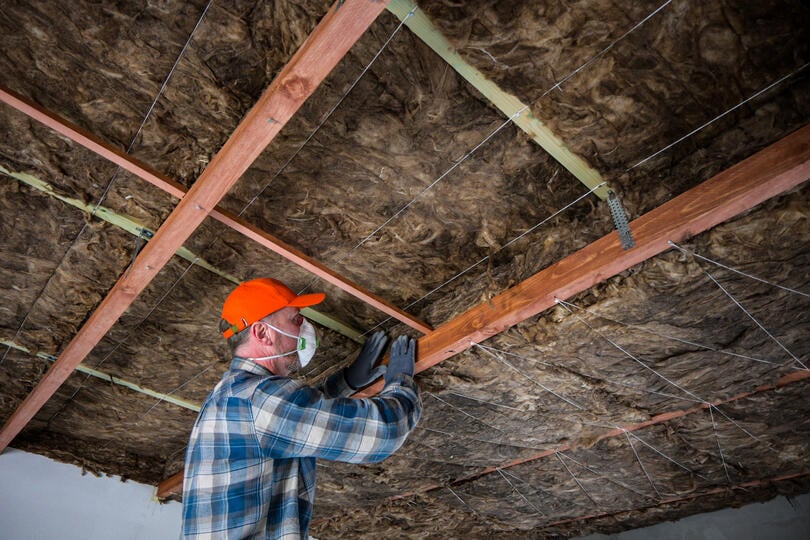
- No visible straps in the attic: If you can see the tops of your walls and find only nails, your roof may be underprotected.
- Upcoming roof replacement: Reroofing is the easiest and most cost effective time to install hurricane straps.
- A weak wind mitigation report: A low rating on roof to wall attachment points to an opportunity for improvement.
- Recent storm damage: Shifted trusses, loose decking, or roof leaks after a storm can signal weak connections.
Many homes in Sun City Center were built decades ago, so roof to wall upgrades are especially worth discussing during a roof replacement. We’re proud to serve home and business owners in Sun City Center, FL, and nearby communities with roofing, storm damage repair, and more.
Frequently Asked Questions About Hurricane Straps
Hurricane straps raise plenty of practical questions, especially for owners of older homes. Here are answers to a few we hear often.
Can hurricane straps be added to an existing home?
Yes, installing hurricane ties on an existing home is often possible. The easiest time is during a roof replacement, when crews can reach the tops of the walls by removing sections of the old roof decking. Straps can sometimes be installed from inside the attic or under the eaves, though tight spaces can make that more challenging. A licensed contractor can evaluate your roof framing, recommend the most practical approach, and make sure the work meets local building codes. Proper installation matters, since straps only perform as designed when they’re fastened with the correct nails in the right locations.
Do hurricane straps lower homeowners insurance?
In many cases, they can. Florida insurers offer wind mitigation credits for features that reduce storm damage, and roof to wall connections are one of the key items on a wind mitigation inspection form. Upgrading from toe nails to clips or wraps can improve your rating and may lower your premium. The exact savings depend on your insurer, policy, and home’s other features, so it’s worth scheduling an inspection after installation to document the improvement properly.
How much does hurricane strap installation cost?
Hurricane strap installation cost depends on the size and shape of your roof, the number of trusses, how easy the connections are to reach, and the type of straps required. Installing straps during a roof replacement is usually far more affordable than a standalone retrofit, since crews already have access to the framing. Labor cost can rise for homes with tight attics or complex rooflines. A contractor can provide a detailed estimate that shows exactly what’s included and how the work will be done.
How can I tell if my home has hurricane straps?
The simplest way is to look in your attic with a flashlight where the roof trusses meet the top of the exterior walls. Metal clips or straps wrapped around the trusses mean you have some level of protection, while visible nails alone usually mean toe nail connections. If your attic is hard to access or you aren’t sure what you’re seeing, a wind mitigation inspection will identify your connection type and document it for insurance purposes.
Strengthen Your Roof With Shingle Masters
Hurricane straps are one of the most important upgrades you can make to protect your home from storm damage. At Shingle Masters Roofing & Construction, our family owned team has more than 20 years of experience helping Tampa Bay homeowners build stronger, safer roofs that stand up to Florida weather. We’ll evaluate your roof to wall connections, explain your options clearly, and help you make upgrades that offer real peace of mind before the next storm arrives.
Whether you live in Sun City Center or a nearby community, we’re ready to help you prepare for storm season with confidence. Schedule your free estimate today and let our team help keep your roof right where it belongs.