 9 Min Read
 10/06/2026
Impact resistant shingles are designed to withstand harder impacts than standard asphalt shingles, making them an option worth considering for homeowners concerned about hail, flying debris, and severe Florida weather. They generally cost more upfront, but the added durability can help reduce the likelihood of certain types of impact damage.
That doesn’t mean every homeowner automatically needs them. Roof design, location, budget, product rating, and installation quality all matter. If you’re comparing roofing shingles for a new roof, explore stronger shingle options before deciding whether the additional protection makes sense.
- Impact protection: These shingles are manufactured to provide greater impact resistance against hail and debris.
- Greater durability: Reinforced construction can reduce cracking and other impact-related damage.
- Higher upfront cost: Impact resistant products generally cost more than traditional asphalt shingles.
- Potential long-term value: Fewer impact-related repairs may help offset part of the initial price difference over time.
What Are Impact Resistant Shingles?
Impact resistant shingles are asphalt roofing products engineered and tested to withstand impacts that could damage conventional shingles. Manufacturers may use reinforced materials, modified asphalt, stronger backing, or other construction methods to improve resistance.
You’ll often see these roofing materials discussed using impact resistance ratings. One widely recognized testing standard is UL 2218, which evaluates how roofing materials withstand impacts from steel balls of different sizes.
Class 4 is the highest classification under this particular test. However, a Class 4 impact resistant shingle isn’t hail-proof or incapable of being damaged during severe weather.
5 Reasons Homeowners Consider Impact Resistant Shingles
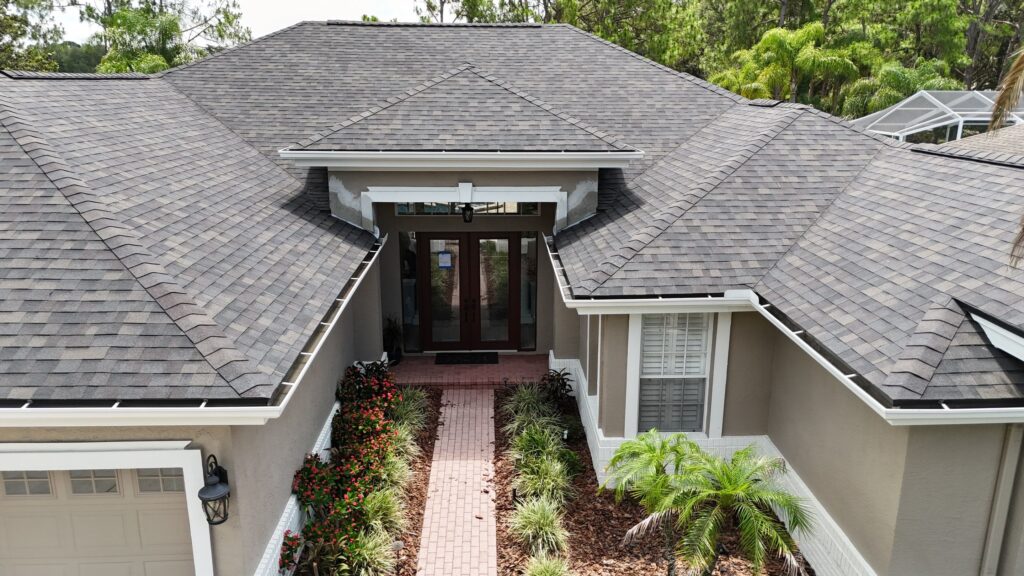
The extra cost makes the most sense when the additional features align with the risks your roof actually faces. For Florida homeowners, severe storms, wind-driven debris, and long-term weather exposure can make an impact resistant roof worth considering.
1. Greater Resistance to Hail Damage
Hail can strike a roof with enough force to crack shingles, loosen granules, or damage the material beneath the visible surface. Hail resistant shingles are designed to withstand stronger impacts before experiencing certain forms of damage.
- Reinforced construction: Products may incorporate stronger materials or modified asphalt.
- Reduced cracking: Greater flexibility can help some shingles absorb an impact without immediately splitting.
- Class 4 options: Some products achieve the highest UL 2218 impact classification.
- Added protection: Improved resistance can be valuable in areas where hail and severe storms occur.
2. Better Protection From Flying Debris
Hail isn’t the only thing that can strike a roof. Florida thunderstorms and tropical weather can send branches and other debris toward the home.
Resistant shingles provide another level of durability when the roof encounters these hazards. The actual outcome still depends on the size, weight, speed, and shape of whatever strikes the roof, so no asphalt shingle should be considered indestructible.
- Small branches: Reinforced shingles may better tolerate some impacts from wind-driven debris.
- Storm debris: Stronger construction can reduce vulnerability to certain impact events.
- Roof edges: Exposed sections can face particularly demanding conditions during high winds.
- Underlying protection: Underlayment and the roof deck remain important even with upgraded shingles.
3. Fewer Impact-Related Repairs
A stronger roofing material may reduce the likelihood that relatively minor impacts result in damaged shingles requiring repair. That can be particularly valuable when severe weather occurs repeatedly during the roof’s service life.
Impact resistance doesn’t eliminate normal maintenance. Flashing can still deteriorate, shingles can still age, and sufficiently severe storms can damage even high-performance roofing products.
The benefit is greater resistance to one of the common sources of storm damage.
4. Potential Insurance Benefits
Some insurance companies offer discounts for qualifying impact resistant roofing products, although availability and requirements vary by insurer, policy, location, and specific product.
Don’t assume installing Class 4 shingles will automatically reduce your premium. Contact your insurance provider before choosing materials and ask whether a particular product qualifies for an available discount.
If a discount is available, it can be factored into the broader cost comparison between standard and impact resistant shingles.
5. Additional Peace of Mind During Storm Season
Homeowners can’t control when severe weather arrives, but they can choose roofing materials designed to handle demanding conditions.
Impact resistant shingles can provide additional confidence for homeowners concerned about hail and debris. They aren’t a replacement for correct installation, proper underlayment, flashing, ventilation, or routine roof maintenance, but they can strengthen one part of the overall roofing system.
What Does a Class 4 Impact Rating Mean?
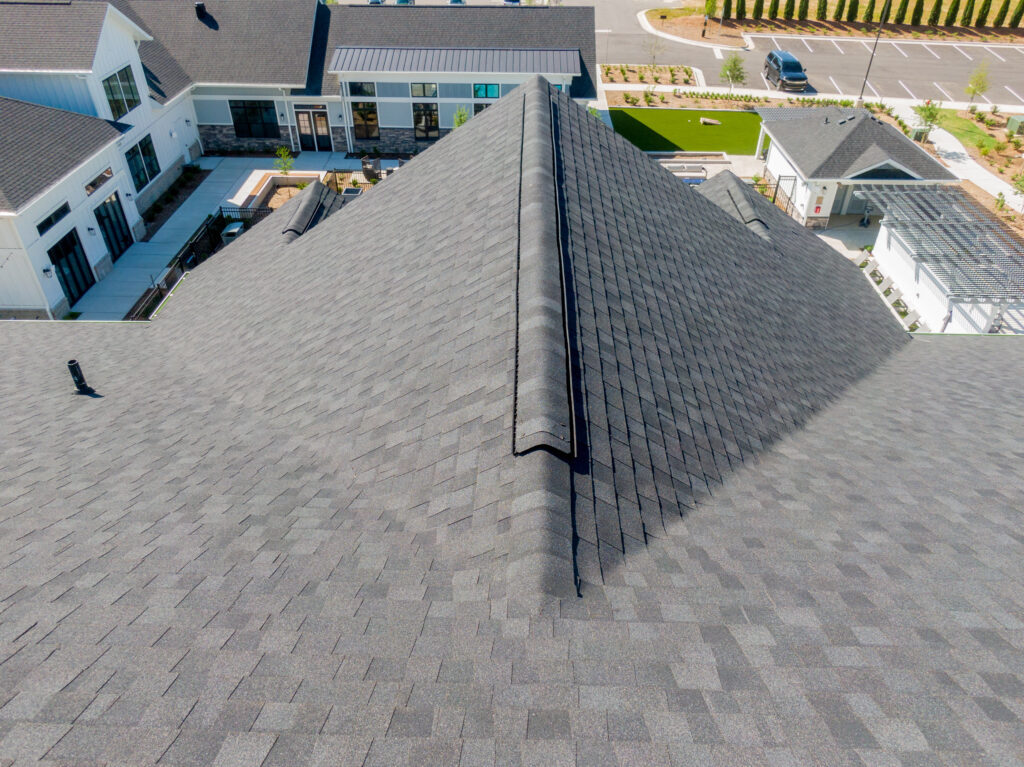
Class 4 is commonly associated with UL 2218 testing. During testing, steel balls of specified sizes are dropped onto roofing samples from specified heights to simulate impact. The roofing material is then evaluated for resulting damage.
The classifications range from Class 1 through Class 4, with Class 4 representing the highest level within that testing standard.
For homeowners comparing impact resistance ratings shingles may carry, the important distinction is that a Class 4 rating represents tested impact performance. It does not guarantee that the shingles will survive every hailstorm, falling branch, or hurricane without damage.
How Much More Do Impact Resistant Shingles Cost?
Impact resistant shingles generally carry a higher material price than conventional asphalt shingles. The exact difference depends on the manufacturer, product line, roof size, availability, and installation requirements.
The shingles themselves also aren’t the only expense involved in a new roof.
- Roof size: Larger roofs require more materials and labor.
- Roof complexity: Valleys, hips, penetrations, and steep sections can increase installation requirements.
- Tear-off: Removing and disposing of the existing roofing contributes to project cost.
- Deck repairs: Deteriorated decking discovered during replacement may need attention.
- Underlayment and flashing: These components remain essential regardless of the shingle selected.
Rather than comparing shingle prices alone, homeowners should look at the complete installed cost and what they’re receiving for the additional investment.
Are Impact Resistant Shingles the Same as Architectural Shingles?
Not necessarily. “Architectural” describes a style and construction category, while “impact resistant” refers to a performance characteristic.
Many impact resistant products are architectural shingles, but that doesn’t mean every architectural shingle carries an enhanced impact rating. Two shingles that look similar from the ground can have different construction and performance specifications.
When comparing products, check the actual impact classification rather than assuming a thicker or more dimensional-looking shingle is impact resistant.
Do Impact Resistant Shingles Last Longer?
Potentially, but impact resistance and lifespan aren’t the same thing. A product that better withstands hail or debris may avoid damage that could otherwise shorten the life of the roof, but it still experiences normal aging.
Florida roofs contend with:
- UV exposure: Constant sunlight gradually affects asphalt shingles.
- Heat: High surface temperatures contribute to normal material aging.
- Humidity: Moist conditions can encourage algae and other roof-related concerns.
- Heavy rain: Flashing, underlayment, and drainage details remain important.
- High winds: Shingle fastening and wind ratings matter separately from impact resistance.
A high impact rating therefore shouldn’t be treated as a guarantee of a specific roof lifespan.
Are Impact Resistant Shingles Worth It in Florida?
Florida homeowners have slightly different considerations than homeowners in regions where large hail is the primary roofing threat. Wind, tropical storms, airborne debris, intense UV exposure, and heavy rain can all influence roofing decisions.
Impact resistant shingles may make sense when you want additional protection from hail and flying debris, especially when the price difference fits comfortably within your roofing budget. However, impact resistance shouldn’t overshadow other specifications that are important for Florida roofs.
- Impact rating: Determine whether the shingle has a recognized tested classification.
- Wind rating: Compare wind resistance separately rather than assuming impact resistance covers both.
- Warranty: Review what the manufacturer actually covers and for how long.
- Installation requirements: Performance ratings can depend on following specific installation methods.
- Overall roof system: Underlayment, decking, flashing, ventilation, and workmanship still matter.
When Might Standard Shingles Make More Sense?
Impact resistant shingles aren’t automatically necessary for every property. Quality traditional asphalt shingles may still provide an appropriate combination of durability, appearance, and cost.
Standard shingles may deserve consideration when the upgrade creates a significant budget difference, hail risk is relatively limited, or other roofing improvements should take priority.
For example, investing in proper decking repairs, quality underlayment, flashing, ventilation, and professional installation can be more important than upgrading one material while compromising elsewhere in the system.
FAQs About Impact Resistant Shingles
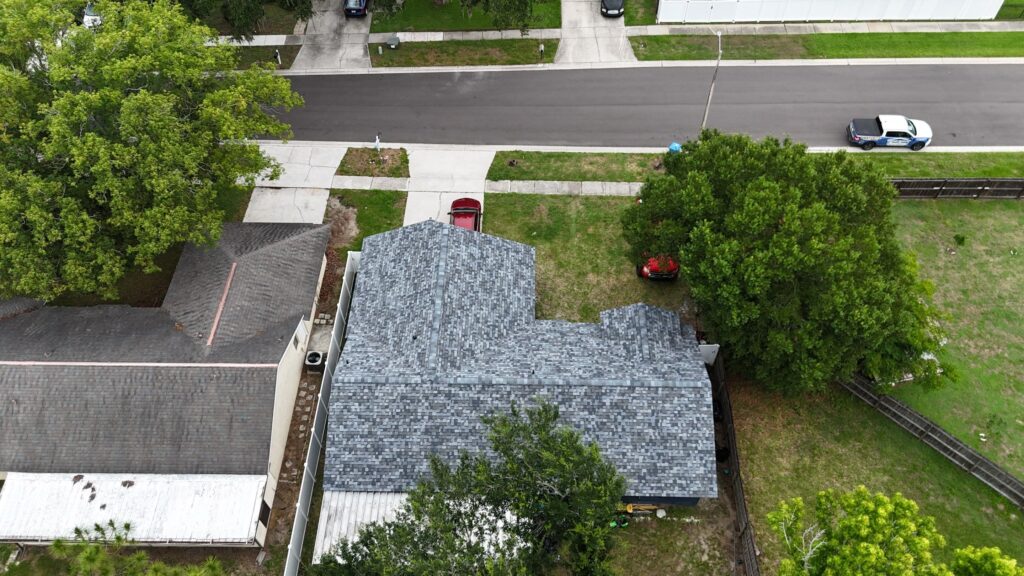
Impact resistance is one roofing feature among many, so understanding what these products can and can’t do is important before paying more for them.
Are Class 4 shingles hail-proof?
No. Class 4 represents a high level of performance under a particular impact test, but sufficiently severe hail or debris can still damage the roof. Impact resistant should not be interpreted as impact-proof.
Can impact resistant shingles lower homeowners insurance?
Some insurance companies offer discounts for qualifying roofing materials, but programs vary by company and policy. Ask your insurer about the exact shingle you’re considering before factoring a potential discount into your decision.
Can you tell impact resistant shingles apart by looking at them?
Not necessarily. Many look similar to conventional architectural shingles once installed. Product specifications and certification are more reliable indicators than appearance.
Do impact resistant shingles protect against hurricanes?
They can provide additional resistance to certain debris impacts, but impact ratings and wind ratings measure different performance characteristics. Hurricane performance also depends on installation, fastening, roof design, underlayment, and other components.
Are impact resistant shingles more expensive?
Generally, yes. They typically carry a higher upfront material cost because of their reinforced construction and performance characteristics. Whether that additional cost makes sense depends on your property, budget, weather risks, and the specific products being compared.
Build a Stronger Roof With Shingle Masters
Impact resistant shingles can add another layer of protection against hail and storm damage, but choosing the right roof involves more than finding the highest impact rating. Shingle Masters can help you compare impact resistance, wind performance, warranties, appearance, and cost based on what makes sense for your Florida home.
You’ll know our service fee up front, with no hidden costs and no surprise charges, because trust begins with telling you the truth. We’ll explain the available options so you can decide whether the additional cost of impact resistant roofing is worthwhile for your property.
Want to explore tougher roofing options? Compare shingles with us today.