 9 Min Read
 10/01/2026
A new shingle roof is a major investment, and the warranty can provide valuable protection if something goes wrong. But a shingle roof warranty doesn’t mean every leak, damaged shingle, or roofing problem will automatically be covered.
Most homeowners need to understand two different types of protection: the manufacturer’s warranty on the roofing materials and the contractor’s workmanship coverage. Knowing the difference—and the exclusions that may apply—can prevent surprises later. If you’re planning a new roof, see what quality shingles offer with Shingle Masters.
- Material and labor coverage differ: A manufacturer’s warranty isn’t the same as a workmanship warranty.
- Coverage can change over time: Some warranties provide stronger protection during an initial period.
- Installation matters: Improper installation can affect whether a manufacturer honors a claim.
- Storm damage is different: Hurricanes, hail, and falling debris aren’t automatically covered by a standard product warranty.
How Does a Shingle Roof Warranty Work?
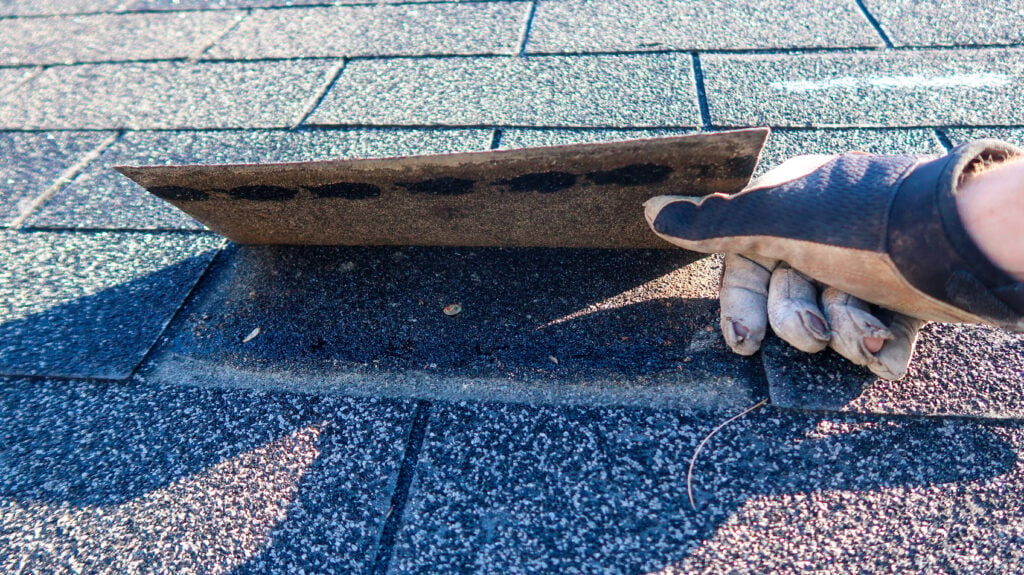
Roof warranties are designed to protect against specific problems rather than guarantee that nothing will ever happen to your roof. The exact coverage depends on the shingle manufacturer, product line, contractor agreement, and warranty level selected.
For that reason, homeowners should keep the actual warranty documents provided with their roof. Marketing terms such as “lifetime warranty” can sound straightforward, but the written terms determine what’s covered, for how long, and under what conditions.
5 Things Homeowners Should Know About Shingle Warranties
Understanding a few basic distinctions makes roofing warranties much easier to evaluate. Before assuming a repair will be covered, determine what caused the problem and which portion of the warranty could apply.
1. Manufacturer Warranties Cover the Shingles
The shingle manufacturer generally provides coverage related to manufacturing defects in its roofing products. If shingles fail because of a covered defect, the manufacturer’s warranty may provide replacement materials or additional coverage depending on the specific warranty.
- Manufacturing defects: Problems caused by how the shingles were produced may qualify.
- Coverage period: Warranty lengths and coverage levels vary by product.
- Material replacement: Some warranties cover replacement shingles without covering every related project expense.
- Enhanced warranties: Certain manufacturers offer upgraded coverage when eligibility requirements are satisfied.
Normal aging isn’t the same thing as a manufacturing defect. Shingles naturally change as they’re exposed to sunlight, heat, rain, and weather.
2. Workmanship Coverage Is Separate
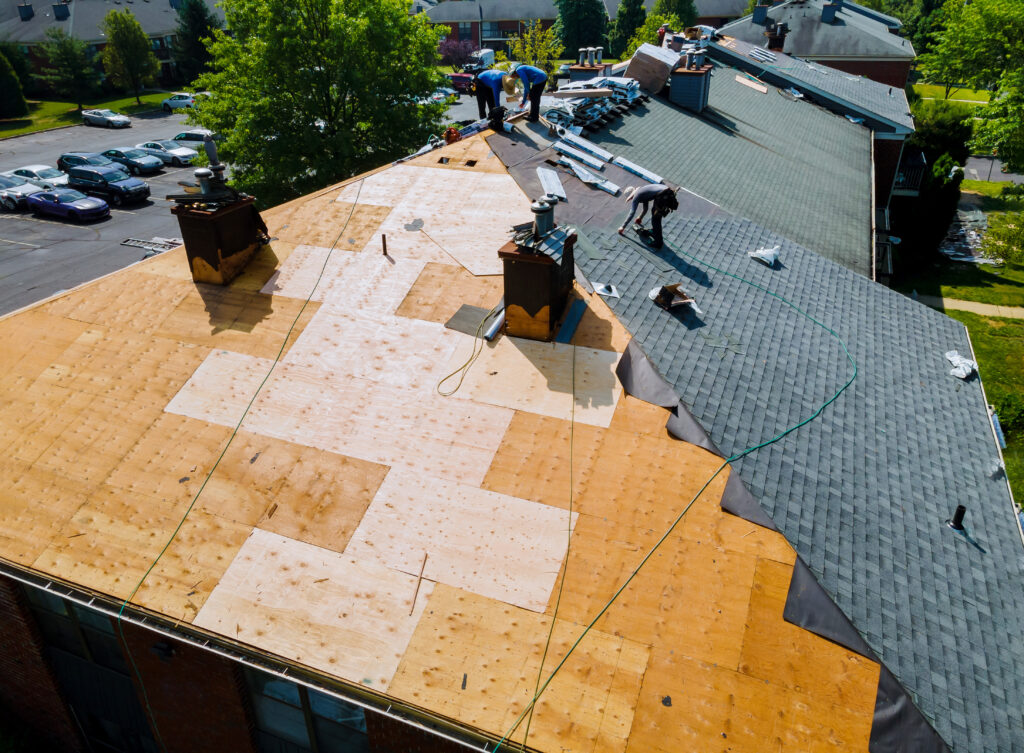
A manufacturer’s warranty generally isn’t intended to cover mistakes made during installation. That’s where the roofing contractor’s workmanship coverage becomes important.
Workmanship protection can address covered installation-related problems according to the contractor’s terms. Examples could involve improperly installed flashing, fastening mistakes, or another installation detail that results in a roofing problem.
This distinction matters because two roofs using the exact same shingles can perform very differently if one is installed correctly and the other isn’t.
3. “Lifetime” Doesn’t Always Mean Forever
The word “lifetime” can create confusion. A lifetime shingle warranty doesn’t necessarily mean the manufacturer will replace the entire roof at no cost 40 or 50 years after installation.
Warranty terms may define “lifetime” in a specific way and can include an initial non-prorated period followed by prorated coverage. As the roof gets older, the amount or type of coverage available may change.
Before choosing shingles based on warranty length alone, look at:
- How the manufacturer defines the coverage period.
- Whether coverage becomes prorated.
- Which costs are included.
- Whether labor is included.
- Whether tear-off and disposal are included.
- Whether the warranty can transfer to another homeowner.
4. Installation Requirements Can Affect Coverage
Manufacturers specify how their roofing products should be installed. Fastener placement, number of nails, underlayment, ventilation, flashing, roof slope, and other details may all be addressed in installation requirements.
A warranty shouldn’t be viewed separately from the roofing system itself. Proper installation helps the roof perform as intended and can also be important when determining whether a future warranty claim qualifies.
- Fasteners: Incorrect nail placement can create problems.
- Ventilation: Some warranty terms may include ventilation requirements.
- Roof deck: The shingles need an appropriate installation surface.
- Approved components: Enhanced systems may require specific accessories or materials.
5. Registration and Documentation Matter
Depending on the manufacturer and warranty, registration or other documentation may be required to receive certain levels of coverage. Even when registration isn’t necessary, maintaining records can make a future claim easier to navigate.
Homeowners should keep copies of:
- The roofing contract.
- Final invoice.
- Warranty documentation.
- Shingle manufacturer and product information.
- Installation date.
- Contractor information.
- Photos and records from future inspections or repairs.
Keeping these documents together can save considerable time if a roofing issue appears years later.
What’s Usually Not Covered by a Shingle Warranty?
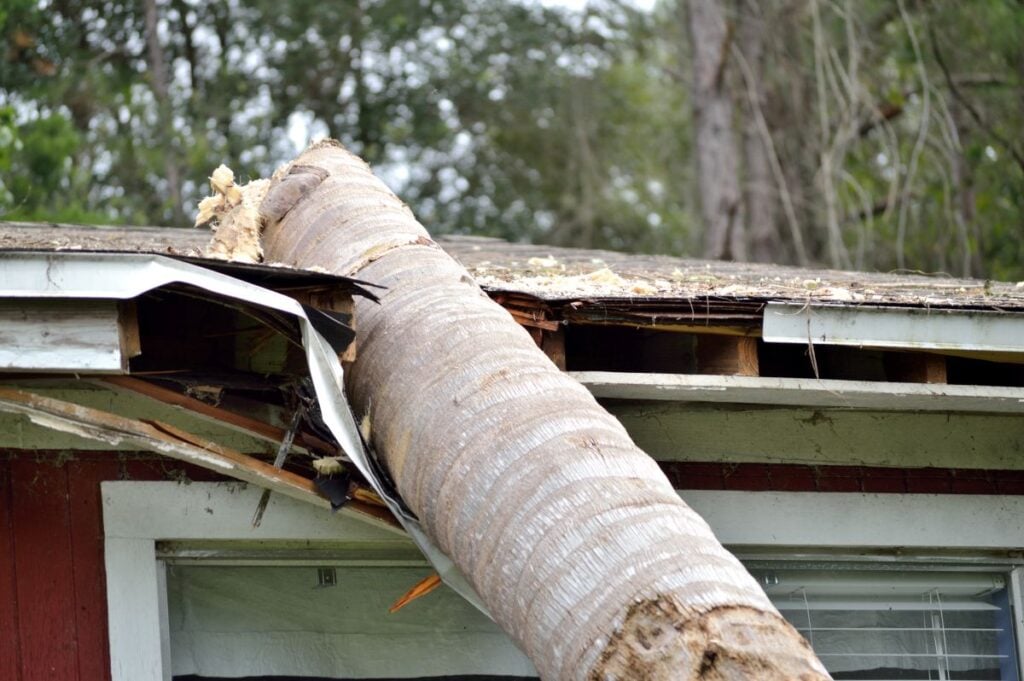
One of the biggest misconceptions about roof warranties is that they function like protection against every possible source of damage. They don’t.
Specific exclusions vary, but standard shingle warranties may exclude problems caused by:
- Severe weather: Hurricane, hail, tornado, or wind damage beyond covered product ratings or terms.
- Falling objects: Trees, branches, and other debris can physically damage shingles.
- Improper installation: Manufacturer coverage generally doesn’t replace contractor workmanship responsibility.
- Structural movement: Problems originating in the building or roof deck may fall outside product coverage.
- Unauthorized alterations: Later work involving penetrations or modifications can affect coverage.
- Poor maintenance: Neglect or conditions specifically excluded by the warranty may create claim problems.
Always check the actual manufacturer’s warranty rather than assuming a particular exclusion applies to every product.
Are Hurricane and Wind Damage Covered?
This is particularly important for Florida homeowners. A manufacturer’s shingle warranty and insurance coverage serve different purposes.
Shingles may carry wind ratings or manufacturer wind-warranty provisions when installed according to specified requirements. However, that doesn’t mean a standard manufacturer’s warranty pays for all damage caused by a hurricane.
If extreme weather physically damages an otherwise properly manufactured roof, the issue may fall outside a product-defect warranty. The exact circumstances, warranty terms, and any applicable property insurance coverage need to be reviewed separately.
What About Algae and Discoloration?
Some shingles include separate limited coverage related to algae resistance or staining. The length and terms of that coverage can differ from the primary material warranty.
Florida’s warm, humid environment makes algae resistance particularly relevant. However, discoloration isn’t necessarily evidence that shingles are defective. Homeowners should check whether their specific product includes algae-related coverage and what conditions apply.
Can Roof Repairs Void a Warranty?
A repair doesn’t automatically mean your entire warranty disappears, but who performs the work, which materials are used, and how the repair is completed can matter under specific warranty terms.
This becomes especially important when another contractor adds vents, solar equipment, flashing, or other roof penetrations after the original installation.
Before significant work is performed on a roof that’s still under warranty, review the warranty requirements and document what was changed.
Is a Roof Warranty Transferable?
Some warranties can transfer to a subsequent homeowner, but restrictions may apply. The manufacturer may limit how many times coverage can transfer, require notification within a specific period, or change the level of coverage after a transfer.
If you’re selling a home with a relatively new roof, transferable coverage can be useful documentation for the buyer. Keep the warranty paperwork available rather than relying solely on the age of the roof.
What Should You Ask Before Getting a New Shingle Roof?
Don’t wait until there’s a leak to figure out what your warranty means. Before installation, ask the roofing contractor to explain both the manufacturer and workmanship protection.
Useful questions include:
- Who provides the material warranty?
- What manufacturing defects are covered?
- How long does full coverage last?
- Does coverage become prorated?
- What labor costs are included?
- What does the contractor’s workmanship coverage include?
- Are there registration requirements?
- Is the warranty transferable?
- What could cause a claim to be denied?
- Who should you contact if a problem develops?
Getting these answers before the project begins makes it easier to compare roofing proposals beyond price alone.
Manufacturer Warranty vs. Workmanship Warranty
These warranties work together, but they protect against different types of problems.
Manufacturer warranty: Primarily relates to qualifying defects in the roofing materials themselves.
Workmanship warranty: Relates to covered problems resulting from the contractor’s installation.
If shingles were manufactured incorrectly, that may involve the manufacturer. If perfectly good shingles were installed incorrectly, that may involve workmanship coverage. Determining the actual cause of a problem is therefore an important first step in any warranty claim.
FAQs About Shingle Roof Warranties
Roof warranties vary significantly between manufacturers and contractors, so the paperwork provided with your specific roofing system should always be the final reference.
How long is a shingle roof warranty?
Warranty periods vary by manufacturer and product. Some architectural shingles are marketed with limited lifetime warranties, but coverage terms and benefits can change as the roof ages.
Does a shingle warranty cover roof leaks?
It depends on why the roof is leaking. A leak caused by a covered manufacturing defect may be treated differently from one caused by installation, storm damage, flashing failure, structural movement, or another excluded condition.
Does a roof warranty cover labor?
Some warranty levels may include certain labor costs, while basic material warranties may provide more limited protection. Review exactly which expenses are included rather than assuming the entire repair will be paid for.
Does replacing one damaged shingle void the warranty?
Not necessarily. However, repairs should be performed in accordance with applicable manufacturer requirements, and homeowners should keep records of work completed on a roof that’s still under warranty.
What happens if the roofing contractor goes out of business?
Manufacturer material coverage and contractor workmanship coverage are separate. What remains available depends on the warranties issued, their terms, and who is responsible for each type of coverage.
Understand Your Roof Protection With Shingle Masters
A good roofing warranty is easier to appreciate when you understand exactly what it protects. Manufacturer coverage, workmanship protection, exclusions, registration requirements, and transfer rules can all affect what happens if your roof develops a problem later.
Shingle Masters can help you understand the roofing system being installed and the warranty information that comes with it. You’ll know our service fee up front, with no hidden costs and no surprise charges, because trust begins with telling you the truth.
Have questions about your current roof or a future replacement? Schedule an inspection with Shingle Masters and get the information you need before making your next move.