 5 Min Read
 07/30/2026
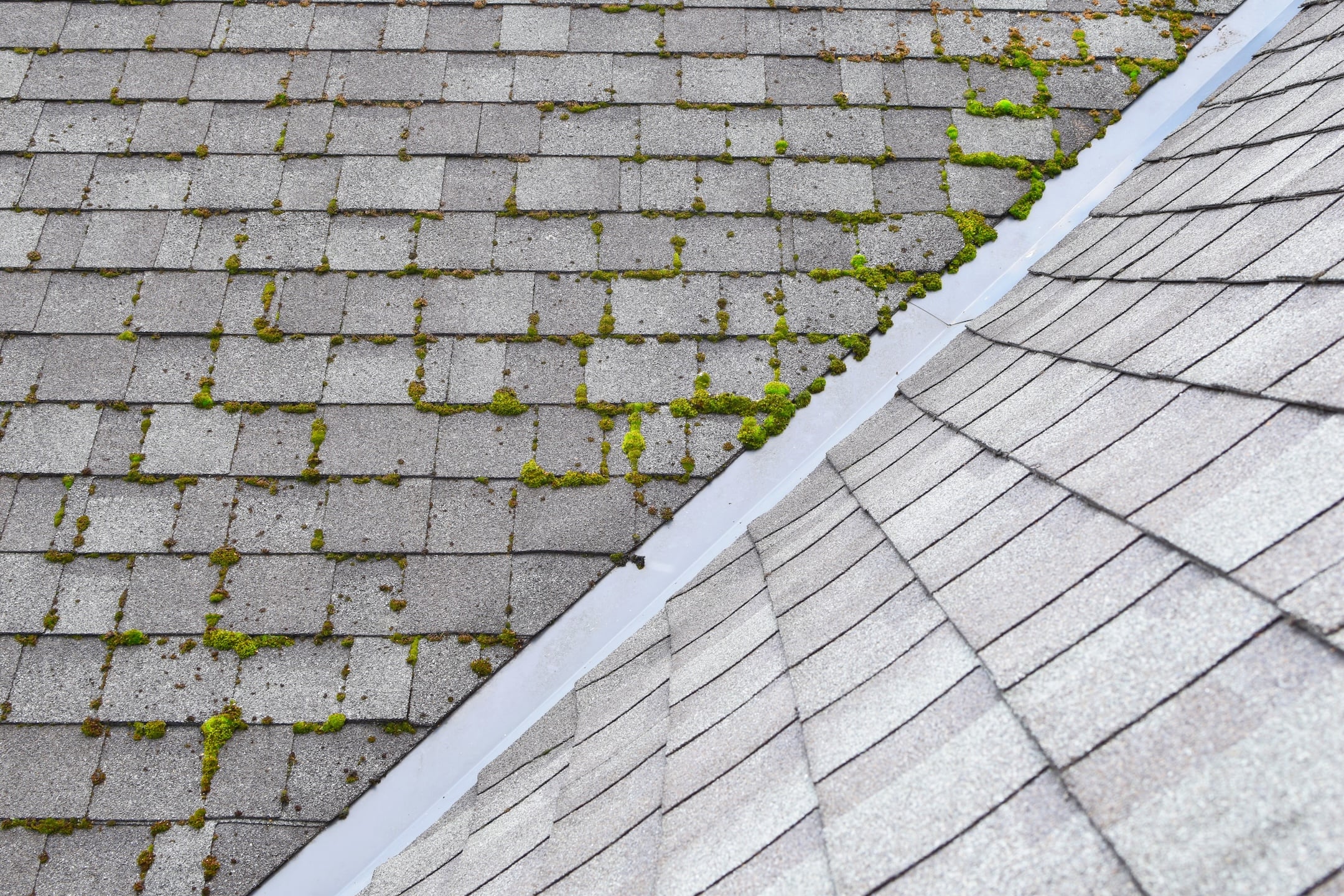
Algae stains on roof shingles are a common issue for homeowners, especially in humid or shaded environments. These dark streaks not only affect your home’s curb appeal but can also signal moisture-related problems that may impact your existing roof over time. If left untreated, algae growth can contribute to premature wear on roofing materials. For homeowners noticing buildup, working with a professional shingle roofing service can help assess the condition of your roof shingles and determine the best approach for cleaning or maintenance.
- Causes: What leads to algae growth
- Removal methods: How to safely clean shingles
- Prevention tips: Stop algae from returning
- When to act: Signs it’s time for professional help
What Are Algae Stains on Roof Shingles?
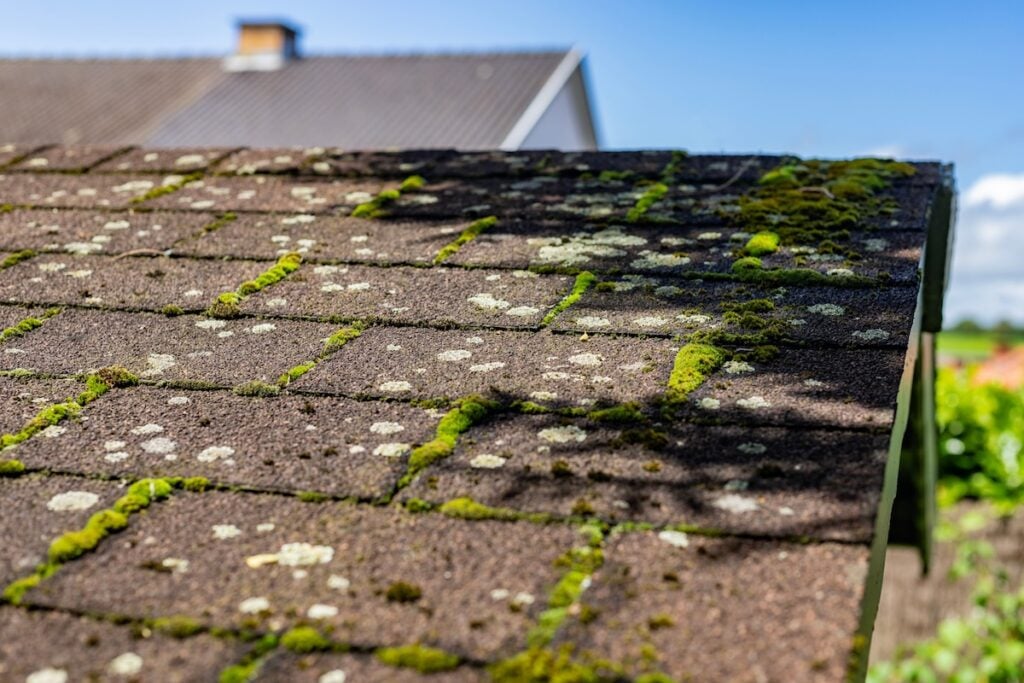
Algae stains on roof shingles are typically caused by blue green algae, a type of airborne organism that feeds on materials found in asphalt shingles. Over time, this algae growth appears as dark streaks across the surface of your roof.
While often mistaken for moss and algae buildup, roof algae behaves differently and spreads more quickly under the right conditions. These stains are primarily cosmetic at first but can lead to deeper issues if ignored.
- Dark streaks: The most visible sign of algae growth
- Common on asphalt shingles: Due to limestone filler content
- Spreads easily: Airborne spores travel between homes
- Unlike algae confusion: Often mistaken for other roof issues
What Causes Algae Growth on Roof Shingles?
Understanding what leads to algae growth helps homeowners take steps to prevent roof algae before it becomes widespread.
- High humidity: Moist environments encourage algae growth
- Overhanging tree branches: Create shade and trap moisture
- Poor ventilation: Traps heat and moisture in roofing systems
- Debris buildup: Leaves and dirt hold water on the roof
- Shaded roof areas: Promote faster algae development
These conditions create the perfect environment for future algae growth, especially in regions with frequent rain or limited sunlight.
6 Steps to Remove Algae Stains from Roof Shingles
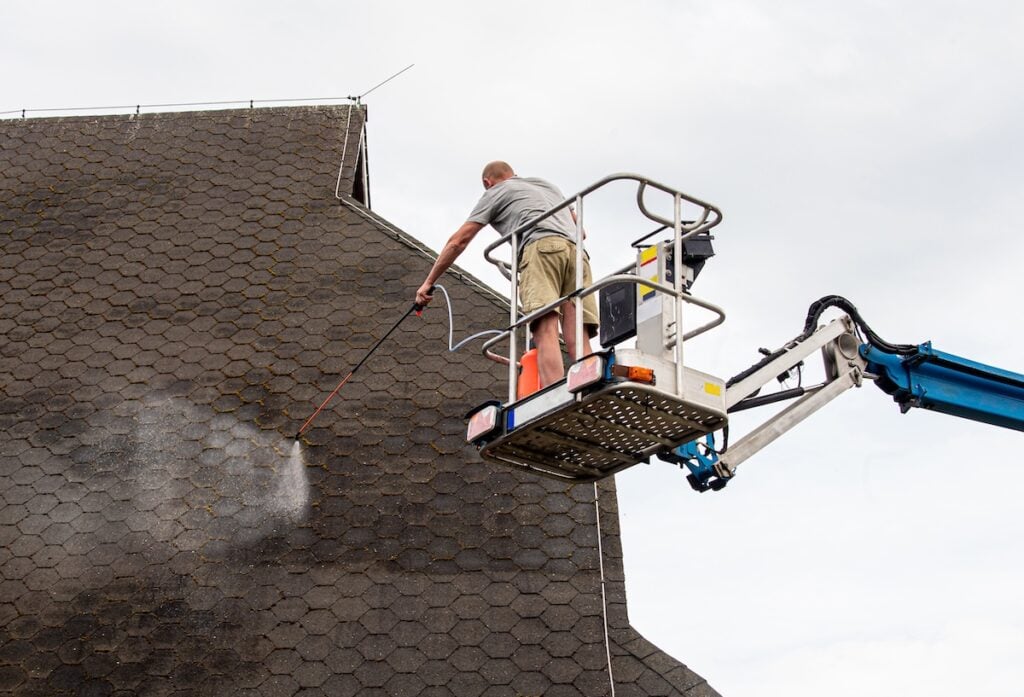
Removing algae stains properly is key to protecting your roofing materials. Using the wrong tools, like a pressure washer, can cause damage and shorten the lifespan of your roof.
- Use a roof-safe cleaning solution: Designed specifically for roof algae removal without damaging shingles
- Apply gently to affected areas: Focus on dark streaks and visible algae growth
- Avoid using a pressure washer: High pressure can strip protective granules from asphalt shingles
- Rinse with low-pressure water: Safely remove residue without harming the surface
- Treat moss and algae together if present: Address both to prevent regrowth
- Repeat treatment if needed: Heavier buildup may require additional cleaning
Proper roof cleaning helps restore your roof’s appearance while preserving its structure.
Can Algae Damage Your Roof?
While algae stains may seem cosmetic, they can contribute to long-term roofing issues if left untreated.
- Moisture retention: Keeps shingles damp for longer periods
- Accelerated wear: Can shorten the life of roofing materials
- Granule deterioration: Weakens protection on asphalt shingles
- Heat absorption: Dark streaks reduce energy efficiency
Addressing algae early helps prevent costly repairs and long-term damage.
How to Prevent Algae Stains on Roof Shingles
Preventing algae growth is one of the most effective ways to maintain your roof and avoid frequent roof cleaning.
- Trim overhanging tree branches: Increase sunlight and airflow
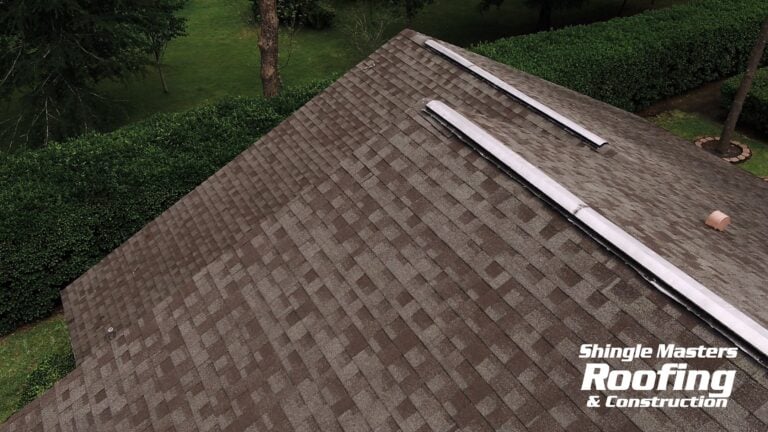
- Install zinc or copper strips: Zinc or copper strips help prevent roof algae from forming
- Keep roof surfaces clean: Remove debris that holds moisture
- Upgrade to algae resistant shingles: Designed to reduce algae growth
- Schedule regular inspections: Catch early signs before spreading
These steps help prevent future algae growth and extend the lifespan of your roofing system.
When to Call a Roofing Professional
Some cases of roof algae require professional attention, especially when the issue continues to return.
- Widespread staining: Covers large areas of the roof
- Recurring algae growth: Indicates underlying issues
- Visible damage: Cracked or worn shingles
- Older existing roof: May need deeper inspection
Many roofing companies also offer free roof inspections to evaluate the condition of your roof and recommend next steps.
FAQs About Algae Stains on Roof Shingles
Algae stains are a common concern, especially in humid climates where roof algae spreads quickly. Understanding removal and prevention helps homeowners protect their roof shingles long term.
Are algae stains on roof shingles harmful?
Algae stains are mostly cosmetic at first, but they can trap moisture and lead to faster wear over time. Addressing algae growth early helps protect your roofing materials and prevent long-term damage.
Can I use a pressure washer for roof algae removal?
No, using a pressure washer can damage asphalt shingles by removing protective granules. A low-pressure cleaning method is always recommended for safe roof cleaning.
What’s the difference between moss and algae?
Moss and algae are often confused, but moss is thicker and holds more moisture, while algae appears as dark streaks. Both can impact your roof differently and may require separate treatments.
How do I prevent roof algae from coming back?
To prevent roof algae, keep your roof clean, trim overhanging tree branches, and consider installing zinc or copper strips. These methods help reduce moisture and limit algae growth.
Are algae resistant shingles worth it?
Yes, algae resistant shingles are designed to slow algae growth and reduce staining over time. While not completely algae-proof, they are a strong preventative option.
Protect Your Roof With Shingle Masters
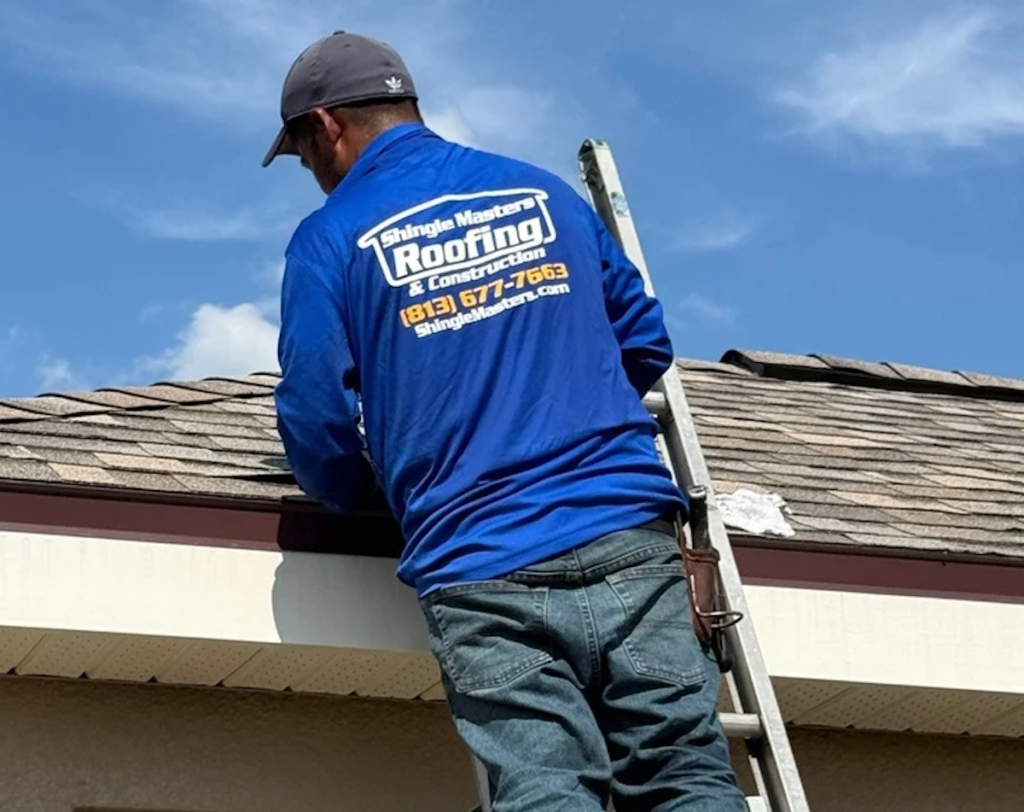
Algae stains on roof shingles may seem minor, but they can lead to larger issues if left untreated. Understanding how to handle roof algae removal and prevent future algae growth helps maintain your roof’s performance.
Shingle Masters provides expert inspections, roof cleaning guidance, and repair services to keep your roofing system in top condition.
Reach out today to schedule an inspection and keep your roof looking its best.