 9 Min Read
 09/17/2026
Architectural shingles vs 3 tab shingles is a common comparison for homeowners choosing the right roofing material for a new asphalt roof. Both options use asphalt-based roofing materials, but they differ in construction, appearance, durability, wind resistance, lifespan, warranties, and cost.
For Florida homeowners, those differences matter because roofs face intense sunlight, heavy rain, humidity, and severe weather. If you’re deciding what belongs on your home, compare your shingle options before choosing based on price alone.
- Appearance: Architectural shingles provide a dimensional, layered look and can even mimic the appearance of cedar shakes or slate.
- Durability: Architectural shingles are generally thicker and can provide superior durability compared with standard 3-tab products.
- Cost: 3-tab shingles typically have the lower upfront material cost.
- Longevity: Under optimal conditions, some architectural shingles may last up to 50 years.
Architectural Shingles vs 3-Tab at a Glance
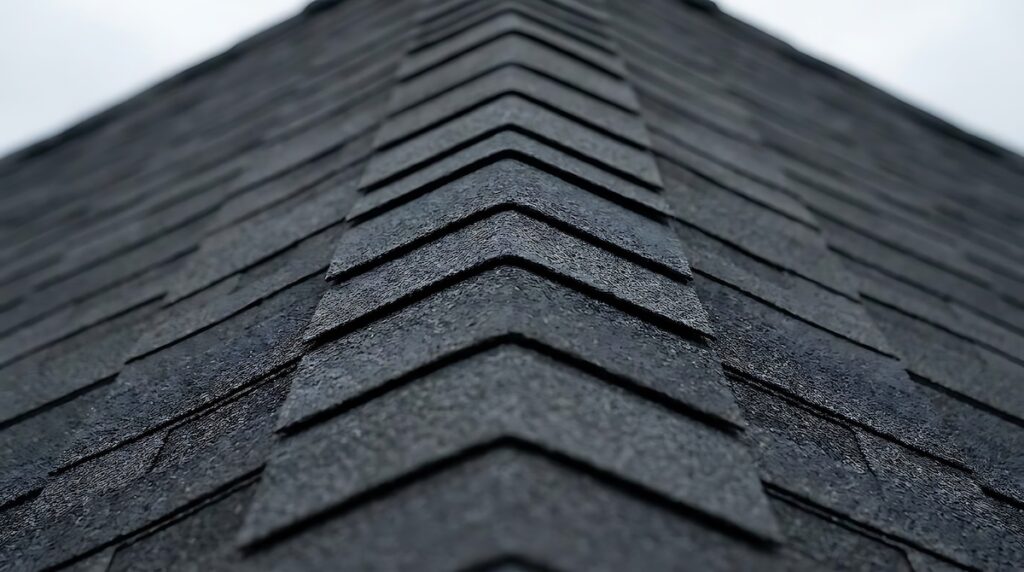
Although both are asphalt shingles, their construction creates meaningful differences in performance and appearance. Architectural shingles use a laminated design that adds thickness and dimension, while 3-tab shingles use a simpler shingle strip with evenly spaced tabs.
- Construction: Architectural shingles typically contain more material and have a heavier, laminated profile.
- Appearance: Dimensional shingles create varied shadow lines, while three-tab shingles produce a consistent repeating pattern.
- Weather resistance: Architectural products generally provide greater durability against demanding weather conditions.
- Lifespan: An architectural shingle roof generally has a longer expected service life than basic 3-tab roofing.
- Warranties: 3-tab shingles typically have warranties of 20 to 30 years, while some architectural shingles may even offer lifetime warranties.
- Price: Architectural shingles have a higher upfront cost, while traditional 3-tab shingles are generally less expensive.
5 Differences Between Architectural and 3-Tab Shingles
Choosing between these roofing materials involves more than deciding which shingle looks better. Construction, durability, weather resistance, longevity, warranty coverage, and overall project cost should all factor into the decision.
1. Appearance and Curb Appeal
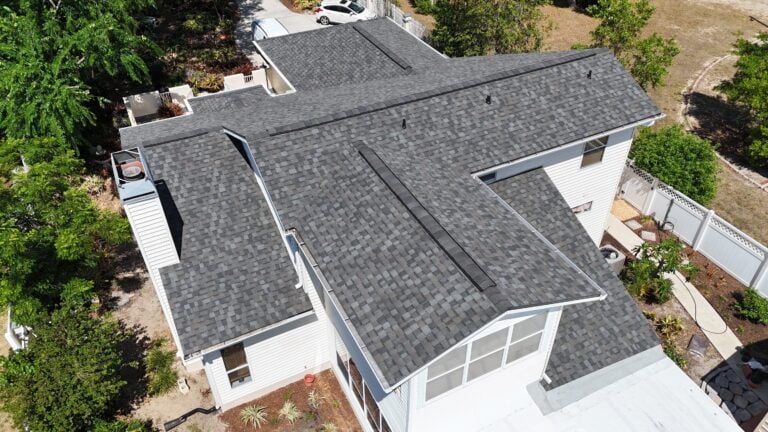
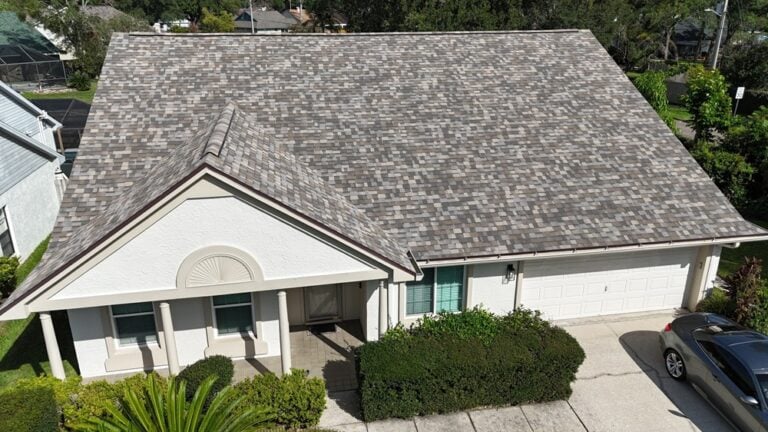
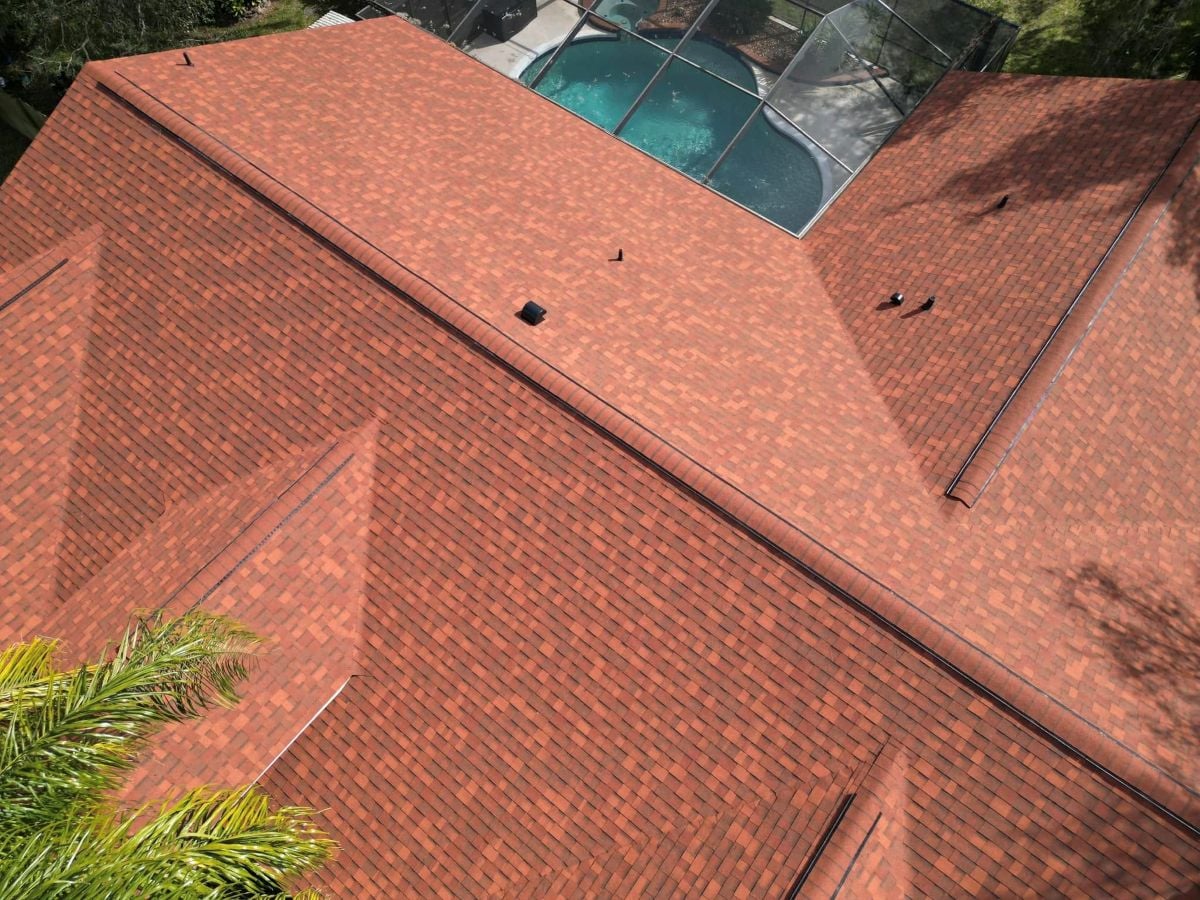
Architectural shingles use varying shapes, layers, and shadow lines to give a roof greater visual depth. Often described as dimensional or laminated shingles, some products are designed to mimic the appearance of higher-end materials such as cedar shakes or slate.
- Architectural shingles: Dimensional profiles can give the roof a richer, more substantial appearance.
- 3-tab shingles: Uniform tabs create clean and consistent horizontal lines.
- Premium-inspired styles: Certain architectural products recreate some of the visual depth associated with cedar or slate roofing.
- Color choices: Both types are available in numerous colors, depending on the manufacturer and product line.
2. Thickness and Construction
Architectural asphalt shingles typically use a heavier laminated construction than traditional three-tab shingles. Instead of the flatter shingle strip associated with a basic 3-tab design, architectural products use additional layers to create both dimension and a more substantial finished material.
- Multiple layers: Laminated shingles create additional thickness and visual depth.
- Simpler profile: 3-tab products use a flatter construction with recognizable tab cutouts.
- Weight: Architectural products generally contain more roofing material and weigh more.
- Complete system: Both still rely on a sound roof deck, underlayment, flashing, ventilation, and professional installation.
3. Durability and Wind Performance
Durability is especially important for Florida homeowners. Architectural shingles are generally designed for superior durability and may be available with greater wind resistance than traditional 3-tab shingles.
- Heavier construction: Additional material creates a more substantial finished asphalt shingle.
- Wind resistance: Ratings vary, so compare the specifications of the exact products being considered.
- Impact options: Some architectural shingles are available with enhanced impact-resistant features.
- Installation quality: Even highly rated shingles require professional installation and correct fastening to perform as intended.
4. Lifespan and Warranties
Architectural shingles generally offer a longer expected lifespan than 3-tab shingles. Under optimal conditions, architectural shingles may last up to 50 years, although Florida weather, installation quality, ventilation, maintenance, and the specific product can all affect actual roof life.
- 3-tab warranties: These shingles typically come with manufacturer warranties of approximately 20 to 30 years.
- Architectural warranties: Some architectural shingles may carry lifetime limited warranties, depending on the manufacturer and product.
- Actual lifespan: Warranty length shouldn’t be treated as a guarantee that a roof will remain problem-free for that entire period.
- Florida conditions: UV exposure, heat, humidity, rain, and storms can influence how quickly asphalt roofing ages.
5. Cost and Long-Term Value
Architectural shingles cost more upfront than 3-tab shingles because they use additional material and a more complex laminated construction. For many homeowners, however, the higher upfront cost may be worthwhile when greater durability, longer potential service life, and dimensional curb appeal are priorities.
- Upfront price: 3-tab shingles are typically the more economical material.
- Long-term value: Superior durability and potential longevity can make architectural shingles worth the additional investment for some homeowners.
- Curb appeal: Architectural shingles provide visual depth that may be valuable when updating a home’s exterior.
- Total project price: Labor, tear-off, roof deck repairs, flashing, underlayment, and disposal also affect the final cost.
Which Shingle Performs Better in Florida?
Florida’s climate makes durability and weather resistance particularly important. Roofs routinely experience strong sunlight, high temperatures, heavy rainfall, humidity, and potentially severe winds, so the cheapest roofing material isn’t necessarily the right roofing material for every property.
Architectural shingles are often attractive for Florida homes because of their heavier construction and availability in products with enhanced wind or impact specifications. Homeowners should still compare the exact manufacturer’s ratings rather than assuming every architectural shingle performs identically.
- Wind resistance: Check the rating and installation requirements for the specific shingle product.
- Impact resistance: Certain architectural products offer enhanced performance against impacts.
- UV exposure: Florida sunlight can contribute to gradual deterioration of asphalt roofing materials.
- Roof ventilation: Proper ventilation helps manage attic heat and moisture.
- Installation: Fastening, flashing, underlayment, and professional installation remain critical regardless of shingle type.
Are 3-Tab Shingles Cheaper?
Yes. 3-tab shingles generally have a lower upfront material price than architectural shingles. Their simpler construction uses less material, which helps keep the initial purchase price down.
However, the shingles themselves represent only one part of a complete roof replacement. Homeowners should compare the entire project rather than assuming a less expensive shingle will create an equally large reduction in the final estimate.
- Tear-off: Existing roofing materials may need to be removed and disposed of.
- Underlayment: A protective layer beneath the shingles remains necessary with either option.
- Flashing: Valleys, walls, vents, and other transitions require appropriate water-management details.
- Deck repairs: Deteriorated decking discovered after tear-off can increase the scope of work.
- Labor: Roof pitch, size, complexity, and the number of roofing squares influence installation costs regardless of the selected shingle.
Which Type Offers Better Curb Appeal?
Architectural shingles are generally the winner when visual dimension is the priority. Their layered construction creates varied shadow lines that can give the roof more depth than the uniform appearance of traditional 3-tab shingles.
The ability of architectural shingles to mimic cedar shakes or slate can also give homeowners more flexibility when they want an upscale appearance while staying within the asphalt shingle category.
- Traditional homes: Dimensional shingles can add texture without dramatically changing the character of the property.
- Premium appearance: Certain profiles can recreate elements of the look associated with cedar or slate.
- Uniform appearance: 3-tab shingles remain an option for homeowners who prefer straightforward, repeating roof lines.
- Color selection: Both categories offer multiple colors, although availability varies among manufacturers and product lines.
Can You Replace 3-Tab With Architectural Shingles?
In many roof replacement projects, homeowners can move from an existing 3-tab roof to architectural shingles. Once the old roofing is removed, the roof deck can be inspected and the new roofing system installed using the selected materials.
Homeowners who choose architectural shingles during replacement can also use the project as an opportunity to reconsider the complete roofing system rather than simply recreating the previous roof.
- Roof decking: Damaged or deteriorated areas can be identified after the old roofing is removed.
- Underlayment: New protective materials can be installed beneath the architectural shingles.
- Flashing: Roof transitions and penetrations can be evaluated during the replacement.
- Ventilation: Existing intake and exhaust ventilation can be considered as part of the complete system.
- Shingle selection: Homeowners can reconsider color, warranty coverage, weather resistance, and appearance.
What About Maintenance?
Neither option is maintenance-free. Both architectural and 3-tab roofs should be monitored for damage, especially following severe Florida weather.
Missing shingles, lifted edges, granule loss, damaged flashing, algae growth, and signs of water intrusion deserve attention regardless of which asphalt roofing material is installed. Regular inspections can help identify localized issues before they become larger problems.
FAQs About Architectural Shingles vs 3-Tab Shingles
The better shingle depends on what matters most for your roof, including budget, appearance, expected lifespan, weather resistance, warranty coverage, and how long you plan to remain in the home.
Are architectural shingles better than 3-tab shingles?
Architectural shingles generally provide greater thickness, dimensional appearance, superior durability, and expected longevity. They also offer more visual variety, including products designed to resemble cedar shakes or slate, while 3-tab shingles remain attractive when keeping upfront costs lower is the priority.
How long can architectural shingles last?
Under optimal conditions, some architectural shingles may last up to 50 years. Actual service life can be shorter depending on Florida weather, professional installation, attic ventilation, maintenance, storm exposure, and the specific product installed.
What warranties do 3-tab shingles have?
3-tab shingles typically have manufacturer warranties in the 20- to 30-year range. Warranty terms vary by product and manufacturer, so homeowners should review exactly what is covered and for how long before selecting a shingle.
Do architectural shingles have lifetime warranties?
Some architectural shingles may have lifetime limited warranties. The word “lifetime” doesn’t necessarily mean every type of damage or roofing expense is covered indefinitely, so it’s important to understand the manufacturer’s specific terms, limitations, and exclusions.
Which shingles are better for a Florida home?
Architectural shingles will often be the stronger overall choice for homeowners prioritizing durability, wind resistance, longevity, and curb appeal. Homeowners may choose architectural shingles when those benefits justify the higher upfront cost, but the right choice still depends on the home’s design, location, budget, and product specifications.
Why Choose Shingle Masters for Your Shingle Roof?
Choosing between architectural and 3-tab shingles is easier when you have a roofing contractor who can explain how each option fits your home, budget, and priorities. Shingle Masters helps Florida homeowners compare roofing materials without pushing them toward an option they don’t need.
Our team can evaluate your existing roof, walk you through available shingle options, and explain architectural shingles cost alongside differences in durability, appearance, wind resistance, warranties, and long-term value. You’ll know our service fee up front, with no hidden costs and no surprise charges, because trust begins with telling you the truth.
Ready to find the right shingles for your home? Talk with Shingle Masters today.