 9 Min Read
 10/29/2026
Choosing the best flat roof material for a Florida home means finding a system that can handle intense sun, heavy rain, high humidity, and long periods of heat. Because flat and low-slope roofs don’t shed water as quickly as steep-slope roofs, material selection and proper drainage become especially important.
There isn’t one roofing material that’s automatically right for every property. TPO, modified bitumen, PVC, and other systems each have advantages depending on the roof design, budget, drainage, and how the building is used. If you’re comparing options for a low-slope property, explore our commercial roofing services at Shingle Masters.
- Florida heat matters: UV exposure and high temperatures can put roofing materials under constant stress.
- Drainage is critical: Flat roofs need positive drainage even though they appear level.
- Installation matters: Seams, flashing, penetrations, and edges need careful attention.
- Roof use matters: HVAC equipment, foot traffic, and other rooftop features can influence material choice.
What Makes a Good Flat Roof Material in Florida?
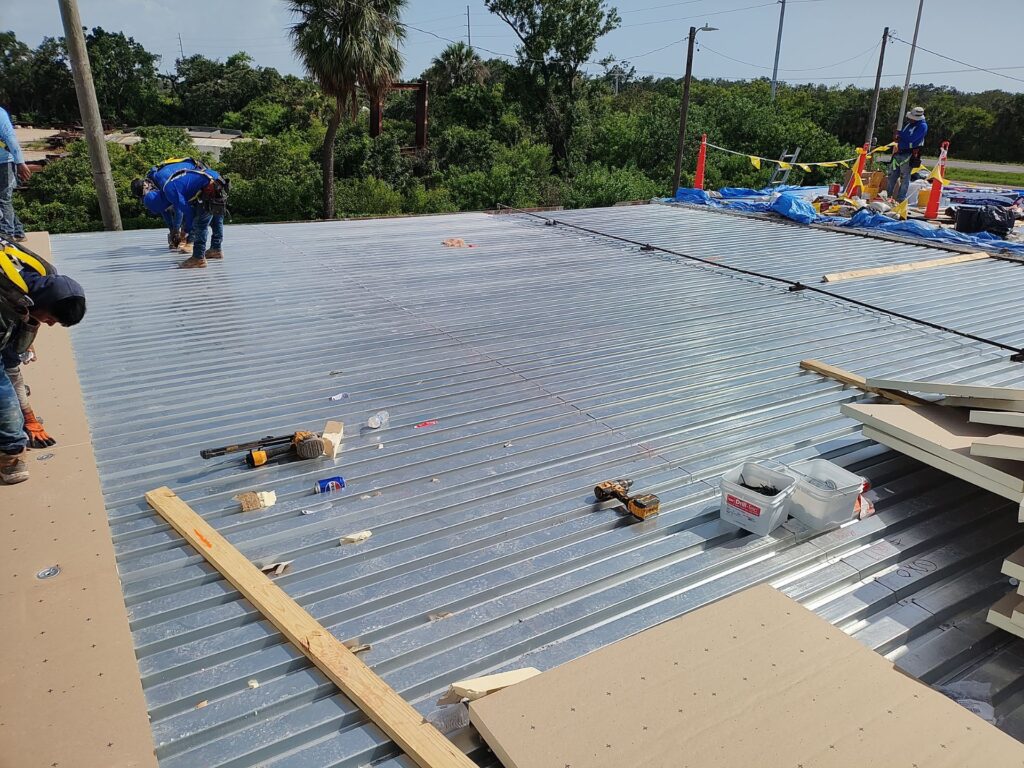
Florida’s climate creates a demanding environment for low-slope roofing. A suitable system needs to resist moisture while also tolerating prolonged UV exposure and temperature changes.
The roof itself also has to be considered as a complete system. Insulation, roof deck condition, drainage, flashing, penetrations, and installation quality can have just as much influence on long-term performance as the membrane covering the surface.
4 Flat Roof Materials to Consider
Different flat roof systems solve similar problems in different ways. Understanding how the major options are constructed can make it easier to discuss which system fits your property.
1. TPO Roofing
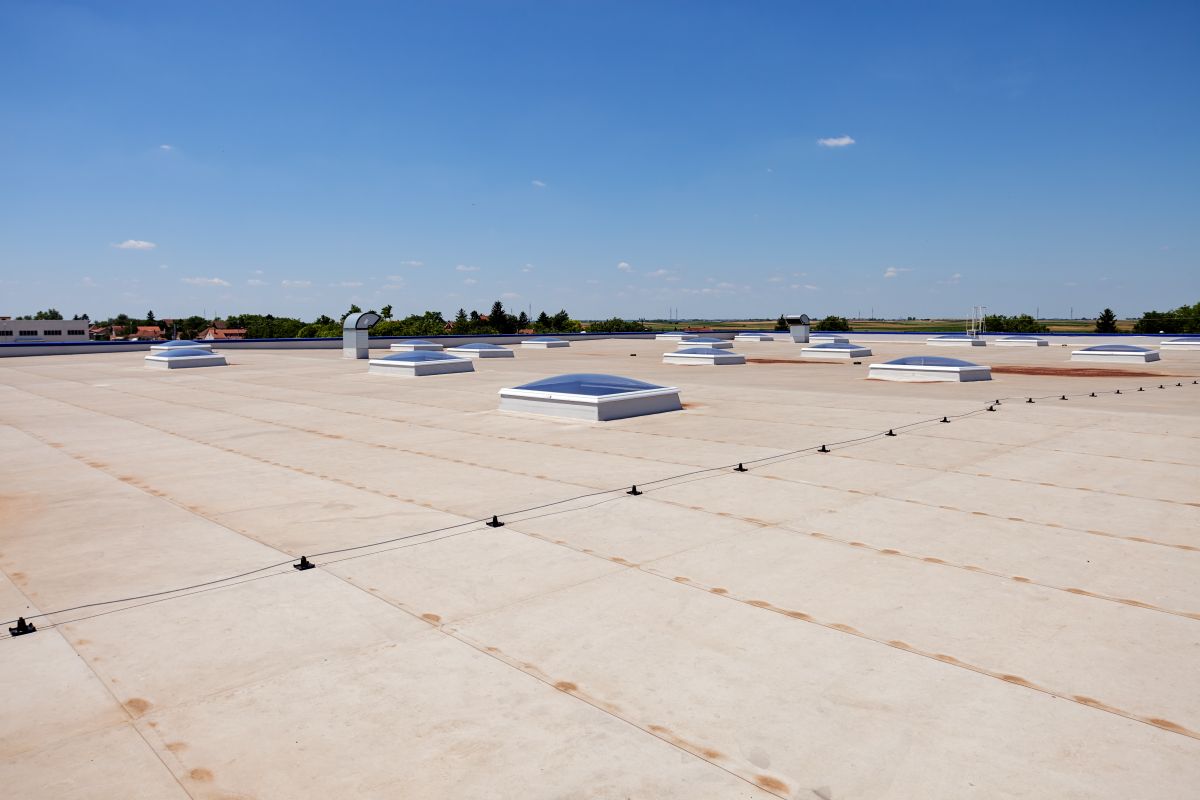
Thermoplastic polyolefin, better known as TPO, is a single-ply roofing membrane commonly used on low-slope buildings. The membrane is available in large sheets, with adjoining sections typically heat-welded together to create a continuous roofing surface.
White TPO is especially recognizable because its light-colored surface can reflect a portion of the sun’s energy rather than absorbing as much heat as darker materials.
- Reflective surface: Light-colored membranes can help limit solar heat absorption.
- Heat-welded seams: Properly installed seams create a continuous membrane.
- Low-slope application: TPO is specifically used for flat and low-slope roofing.
- Large sheets: Fewer individual pieces are required compared with shingles.
TPO performance depends heavily on proper installation. Seams, flashing, roof penetrations, edges, and drainage details all need to be installed correctly.
2. Modified Bitumen Roofing
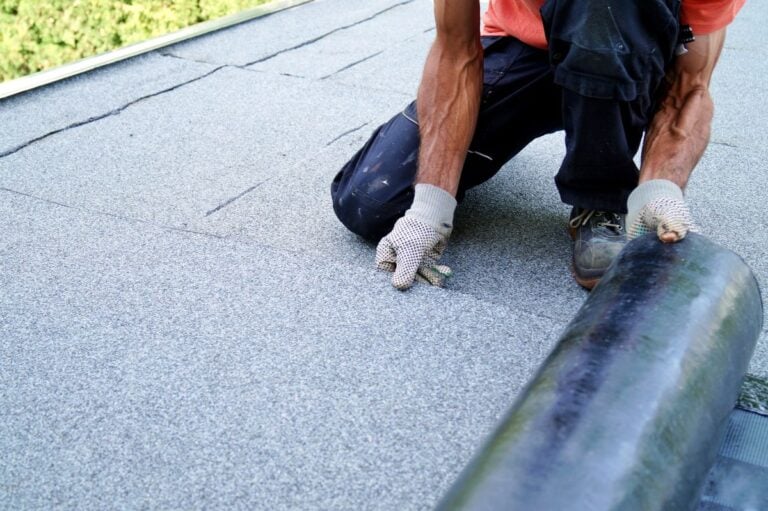
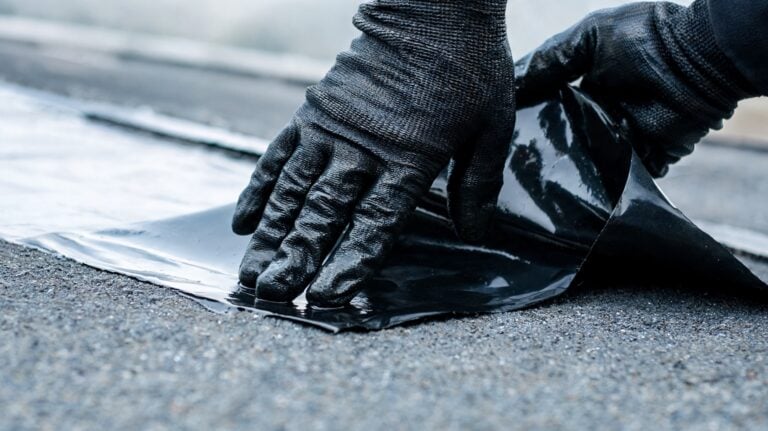
Modified bitumen roofing combines asphalt with modifiers that improve flexibility and performance. It’s often installed in sheets and can use different application methods depending on the specific product.
One advantage of modified bitumen is its familiar asphalt-based construction. It can be a practical option for roofs where durability and resistance to routine rooftop activity are important.
- Asphalt-based: The system builds on materials long used in low-slope roofing.
- Multiple installation methods: Products can be adhered or installed using other approved techniques.
- Durable surface: Certain systems can tolerate regular rooftop conditions well.
- Repairability: Localized areas may be addressed when damage is appropriately identified.
Like other flat roof materials, modified bitumen needs adequate drainage. A durable membrane shouldn’t be used as a substitute for correcting significant ponding or structural problems.
3. PVC Roofing
PVC is another single-ply membrane used on flat and low-slope roofs. Like TPO, its seams are typically heat-welded, creating a continuous surface across the roof.
PVC can be particularly useful where resistance to certain chemicals, oils, or grease is important. That’s one reason it’s frequently associated with restaurants and some commercial properties, although suitability depends on the individual building.
- Heat-welded seams: Membrane sections are joined to create a watertight surface.
- Reflective options: Light colors can help reflect solar energy.
- Chemical resistance: PVC can perform well in environments involving certain contaminants.
- Low-slope design: It’s manufactured specifically for these types of roofing applications.
The roof layout and expected use should be considered before deciding whether PVC’s particular characteristics justify selecting it over another membrane.
4. Built-Up Roofing
Built-up roofing, often called BUR, uses multiple layers of asphalt and reinforcing materials to create a substantial low-slope roofing system. A protective surface, such as aggregate or another approved finish, may be installed over the assembly.
Its layered construction has made BUR a longstanding option for flat roofs, although the installation process differs considerably from modern single-ply membranes.
- Multiple layers: The system gains protection from a layered assembly.
- Proven approach: Built-up roofing has been used on low-slope buildings for decades.
- Substantial system: Multiple plies create a robust roof covering.
- Different installation process: Labor, weight, and roof structure should be considered.
Because BUR can be heavier than some membrane systems, the existing building and roof structure need to be appropriate for the planned assembly.
Which Flat Roof Material Handles Florida Heat Well?
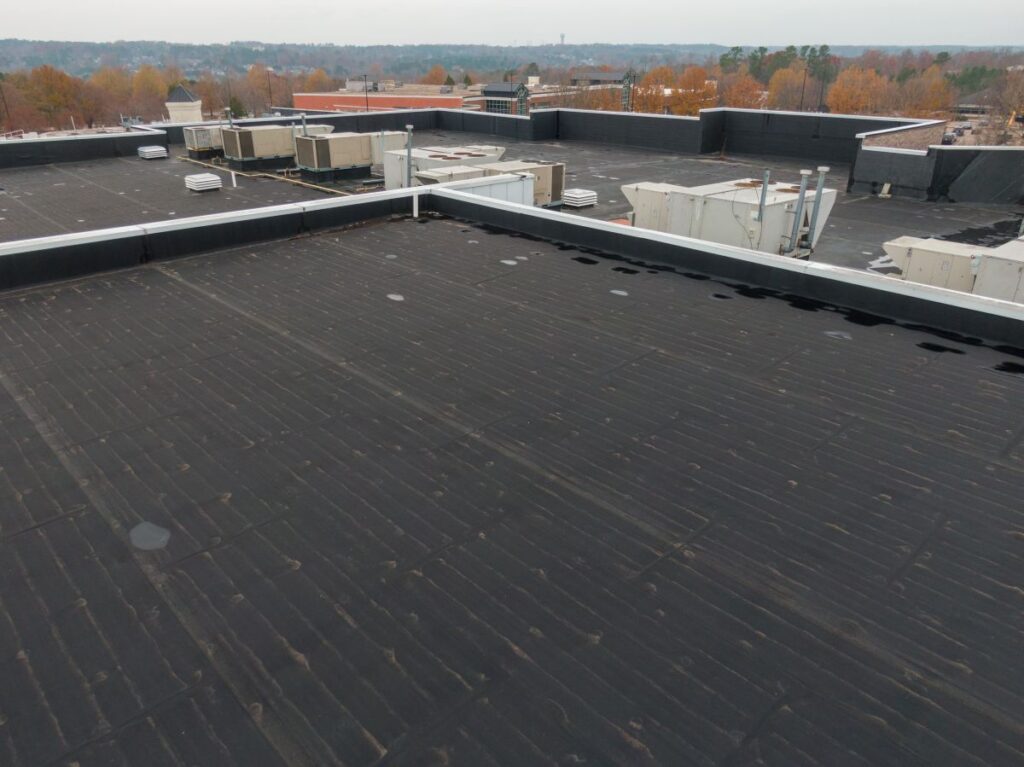
Heat performance isn’t determined by material type alone. Roof color and surface reflectivity can make a significant difference in how much solar energy the roof absorbs.
White and other light-colored TPO or PVC membranes are commonly selected when reflectivity is a priority. Modified bitumen systems can also incorporate reflective surfacing or coatings depending on the product.
Insulation and ventilation conditions beneath the roof matter too. A reflective membrane can be one part of an energy-conscious roofing system, but the entire building envelope influences indoor temperatures and cooling demands.
Which Material Is Better for Heavy Florida Rain?
TPO, PVC, modified bitumen, and built-up roofing can all provide effective water protection when correctly designed and installed. The more important issue is often whether the roof drains properly.
Flat roofs aren’t truly flat. They need enough slope to direct water toward drains, scuppers, or gutters. When water consistently collects in low spots, even a quality roofing membrane experiences greater moisture exposure.
For Florida properties, an effective flat roof should combine:
- Proper slope toward drainage points.
- Correctly positioned and maintained drains or scuppers.
- Secure membrane seams.
- Carefully detailed penetrations and flashing.
- A sound roof deck beneath the system.
How Do TPO and Modified Bitumen Compare?
These two materials take different approaches to protecting a low-slope roof. TPO is a single-ply synthetic membrane, while modified bitumen is an asphalt-based system.
TPO is often chosen for its reflective surface and heat-welded seams. Modified bitumen may appeal to property owners who prefer a more substantial asphalt-based roofing material or have areas where routine rooftop traffic is a consideration.
Neither choice should be made based on material name alone. Roof configuration, drainage, penetrations, existing materials, insulation, and installation requirements can influence which system makes sense.
Can You Put Shingles on a Flat Roof?
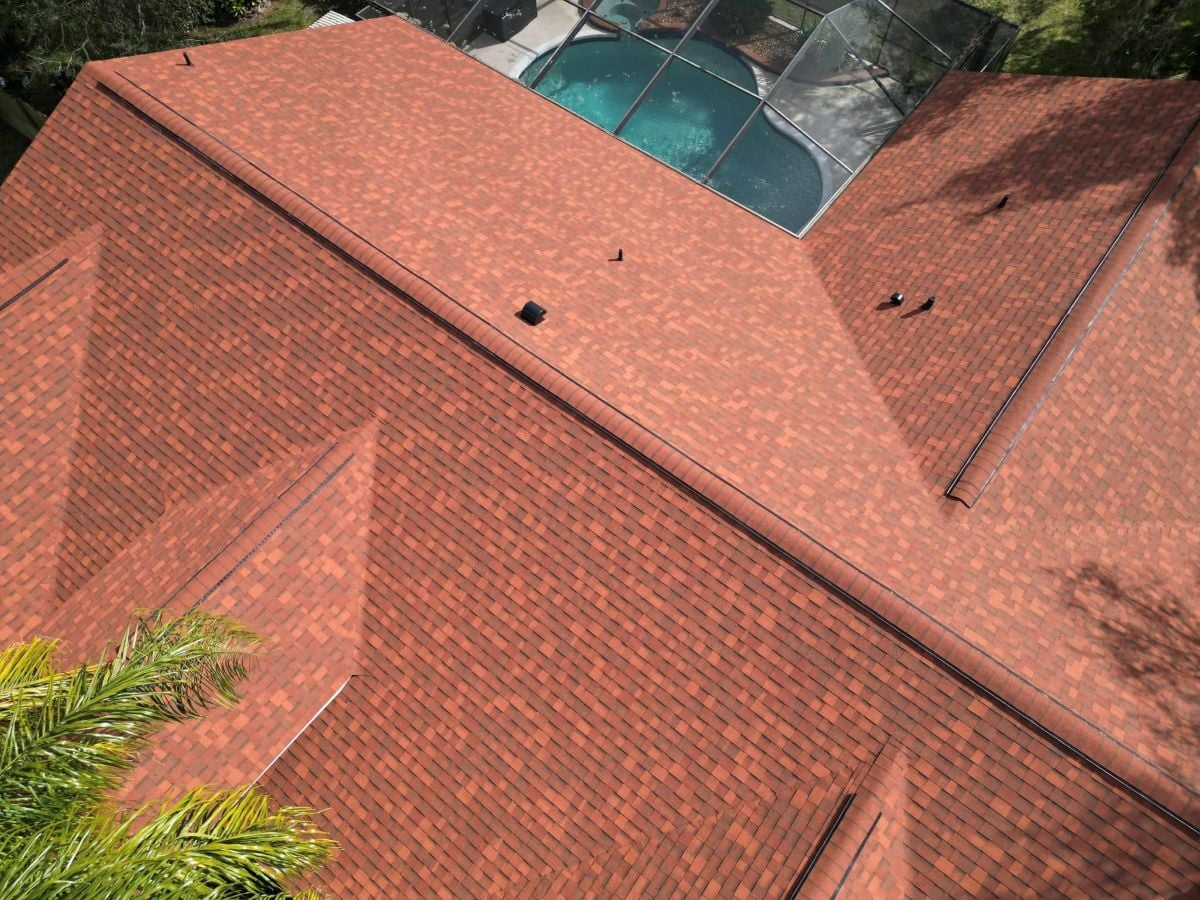
Traditional asphalt shingles aren’t designed for truly flat roofing applications. Shingles depend on sufficient slope and overlapping courses to shed water down the roof.
On a low-slope surface, water doesn’t move away as quickly, which changes how the roof needs to manage moisture. That’s why membrane and other low-slope roofing systems are generally used instead.
A home can also have multiple roof types. For example, the main house may have a steep shingle roof while an addition, porch, or attached section uses a low-slope membrane system.
How Long Does a Flat Roof Last in Florida?
Flat roof lifespan varies considerably based on the material, installation quality, UV exposure, drainage, maintenance, storm damage, and rooftop activity.
Rather than selecting a system based entirely on an advertised lifespan, consider how well it matches the actual building. A well-installed membrane with effective drainage and routine maintenance can perform very differently from the same material installed over a poorly draining or deteriorated roof deck.
Regular inspections can also help identify seam issues, punctures, flashing deterioration, and blocked drainage before they become larger problems.
What Can Shorten the Life of a Flat Roof?
Even a high-quality roofing material can develop problems prematurely when the rest of the system isn’t working correctly. Florida’s climate can make small weaknesses more noticeable because roofs routinely experience intense sunlight followed by heavy rainfall.
Common problems include:
- Ponding water: Low areas keep portions of the membrane wet longer.
- Blocked drains: Leaves and debris can prevent proper drainage.
- Damaged seams: Open or deteriorated seams can create potential entry points for water.
- Poor flashing: Roof edges and penetrations need proper detailing.
- Foot traffic: HVAC servicing and other rooftop activity can damage some membranes.
- Storm debris: Branches and other objects can puncture or damage the roof surface.
Should You Coat or Replace an Existing Flat Roof?
A roof coating and a roof replacement solve different problems. Certain existing flat roofs may be candidates for a compatible coating when the underlying roofing system is still in suitable condition.
A coating won’t correct every issue. Saturated insulation, deteriorated decking, widespread membrane failure, or significant structural and drainage problems may require more extensive work.
An inspection can help determine what’s happening beneath the visible surface before deciding whether restoration, repair, or replacement is appropriate.
FAQs About Flat Roof Materials
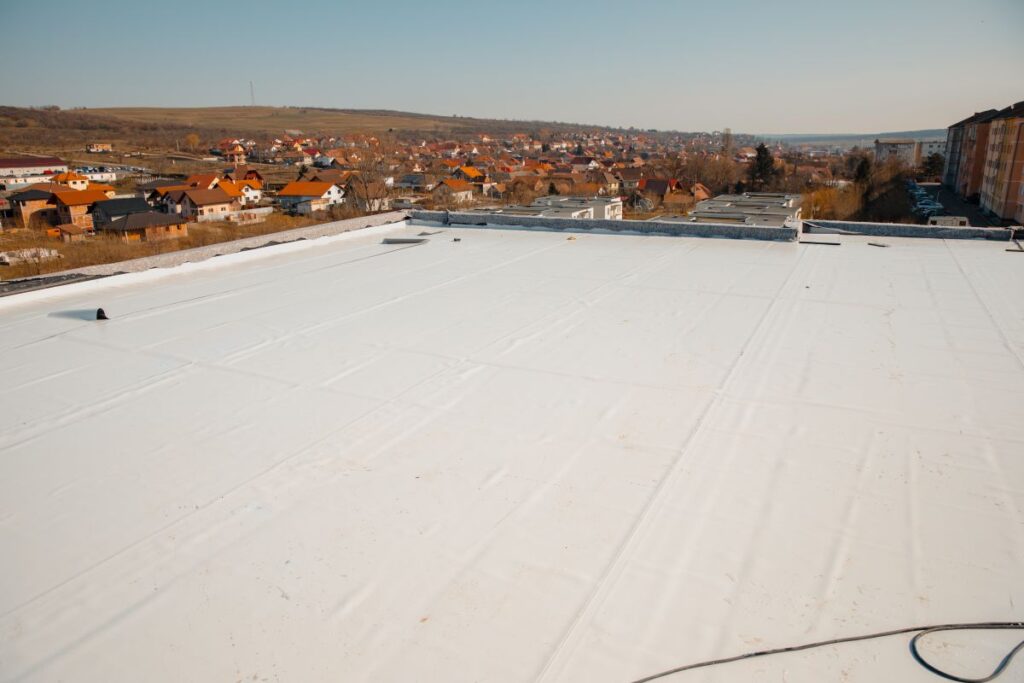
Choosing a flat roofing system involves balancing climate, building design, drainage, maintenance, and budget rather than focusing on a single characteristic.
Is TPO good for Florida roofs?
TPO is commonly used on low-slope roofs and is available in reflective colors that can be useful in hot climates. Its suitability depends on the building, roof design, drainage, and quality of installation.
Is modified bitumen good for Florida?
Modified bitumen is designed for low-slope roofing and can be used in warm climates. Different products and surfacing options are available, so the specific system should be selected for the building and conditions.
Is PVC better than TPO?
PVC and TPO are both single-ply roofing membranes, but they have different formulations and performance characteristics. PVC’s chemical resistance can be valuable for certain buildings, while other properties may be well suited to TPO.
Can you walk on a flat roof?
Some roofing systems can tolerate limited maintenance traffic, but unnecessary walking should generally be avoided. Walk pads may be installed in areas that require regular access to HVAC equipment or other rooftop components.
Do flat roofs need maintenance?
Yes. Drains, seams, flashing, penetrations, and the membrane surface should be monitored so developing problems can be addressed. Keeping drainage areas clear is particularly important.
Find the Right Flat Roof System With Shingle Masters
Choosing a flat roof material isn’t simply about picking TPO, PVC, modified bitumen, or another membrane. The right system needs to work with your property’s roof deck, drainage, insulation, rooftop equipment, and exposure to Florida weather.
Shingle Masters can evaluate your existing roof and discuss low-slope roofing options based on the needs of the property. You’ll know our service fee up front, with no hidden costs and no surprise charges, because trust begins with telling you the truth.
Ready to understand which system fits your property? Schedule an inspection with Shingle Masters.