 7 Min Read
 03/09/2026
How long does a roof last in Florida’s climate is one of the most important questions homeowners ask when planning for maintenance or a roof replacement. Between intense sun, humidity, and seasonal storms, roofs in Florida face more stress than in many other parts of the country. Homeowners in Carrollwood and throughout the Tampa Bay area need to understand what affects lifespan so they can make smarter decisions about their home.
In this guide, we will break down what impacts roof longevity and how to extend it.
- Average lifespan expectations: Different materials last different lengths of time
- Florida specific challenges: Heat, storms, and humidity all play a role
- Key warning signs: Knowing when you may need to replace your roof
- Maintenance tips: Simple ways to help your roof last longer
What Is the Average Roof Lifespan in Florida?
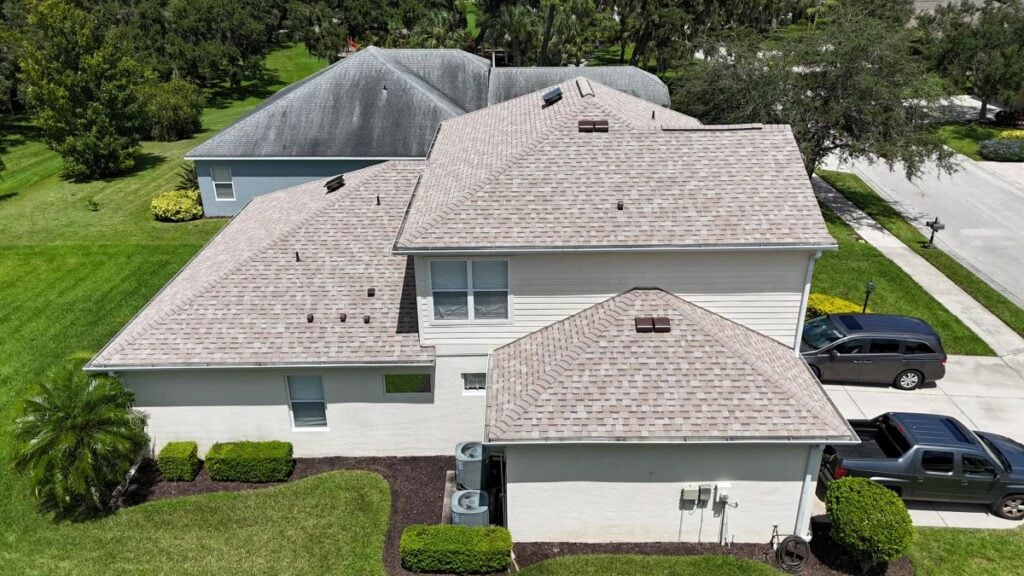
Roof lifespan in Florida is typically shorter than in cooler, drier climates due to constant exposure to harsh weather conditions. The combination of UV rays, moisture, and storm activity accelerates wear on most roofing materials.
Most homeowners can expect their roof to last within a general range depending on the material used.
Asphalt Shingles
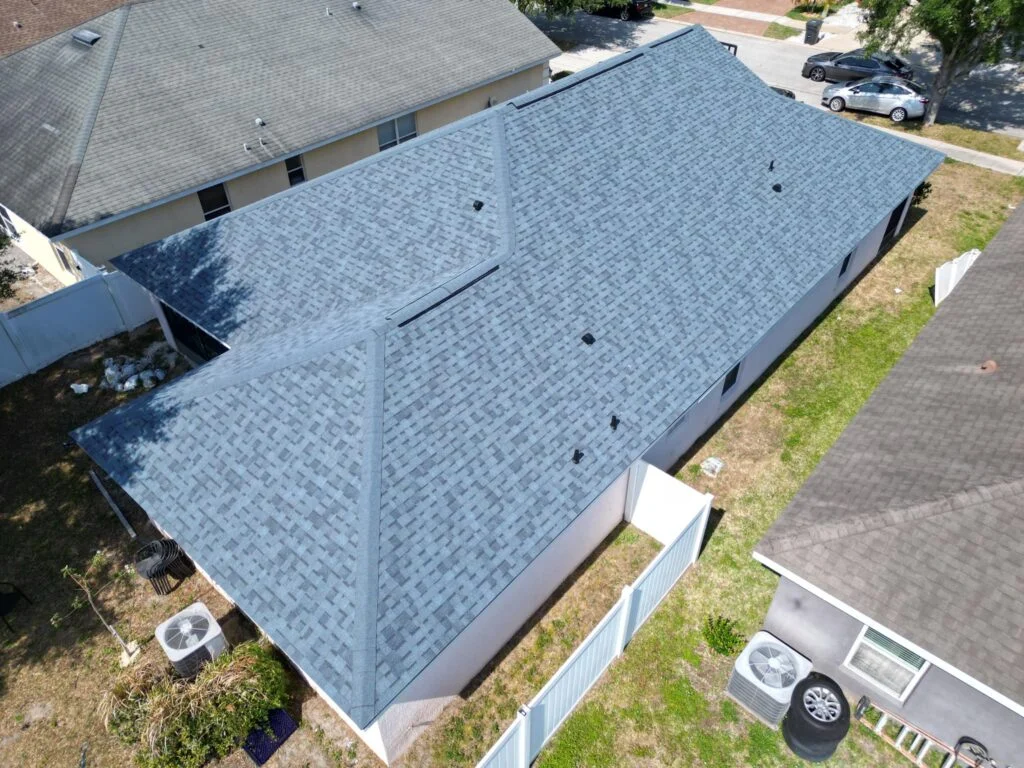
Asphalt shingles are one of the most common roofing materials in Florida. Options like architectural shingles offer improved durability compared to standard three tab shingles and can better withstand wind and weather. In Florida, asphalt shingle roofs often last between 15 to 25 years depending on installation quality and maintenance.
Metal Roofing
Metal roofs are known for their durability and resistance to extreme weather conditions. They can handle heavy rain and wind better than many other materials. In Florida, metal roofs can last 40 to 70 years when properly installed and maintained.
Tile Roofing
Tile roofs, including clay and concrete, are popular in Florida for their durability and resistance to heat. These materials can last 50 years or more, although underlayment may need replacement sooner. Tile roofs require proper installation to perform well long term.
9 Key Factors That Affect Roof Lifespan
Several factors influence how long your roof will actually last. Understanding these can help homeowners take steps to extend the life of their roofing system. Each of these plays a role in how your roof handles Florida’s climate over time.
1. Material Quality
The type and quality of roofing material you choose has a major impact on how long your roof will last. Higher grade materials are designed to handle weather stress more effectively and tend to age more slowly than lower quality options.
- Premium materials: Typically offer better resistance to heat, moisture, and wind
- Architectural shingles: Provide added thickness and durability compared to basic shingles
- Manufacturer ratings: Can give insight into expected performance and longevity
2. Installation Quality
Even the best roofing materials will fail early if they are not installed correctly. Proper installation ensures that all components of the roofing system work together as intended.
- Proper sealing: Prevents water from entering vulnerable areas
- Correct layering: Ensures full protection across the roof surface
- Experienced crews: Reduce the risk of errors that lead to early roof replacement
3. Roof Slope
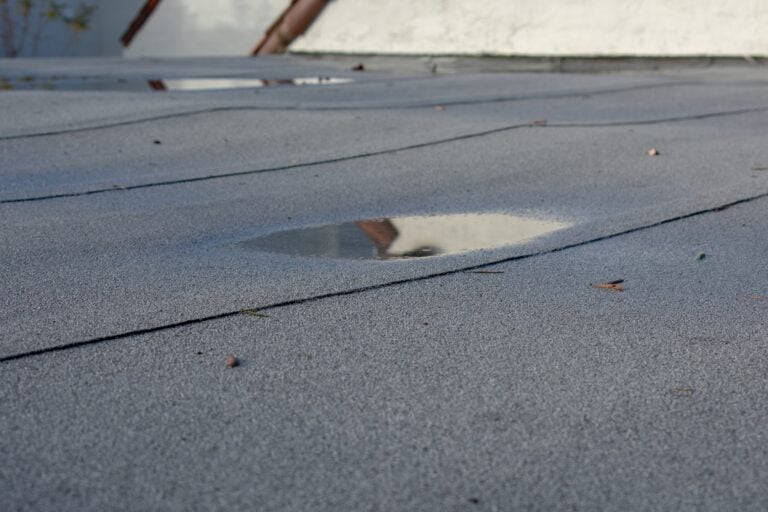
The slope of your roof affects how water drains and how debris collects over time. Steeper roofs typically shed water more efficiently than low slope designs.
- Steeper slopes: Allow faster water runoff and reduce pooling
- Low slopes: May hold moisture longer and increase wear
- Drainage design: Plays a role in long term performance
4. Ventilation
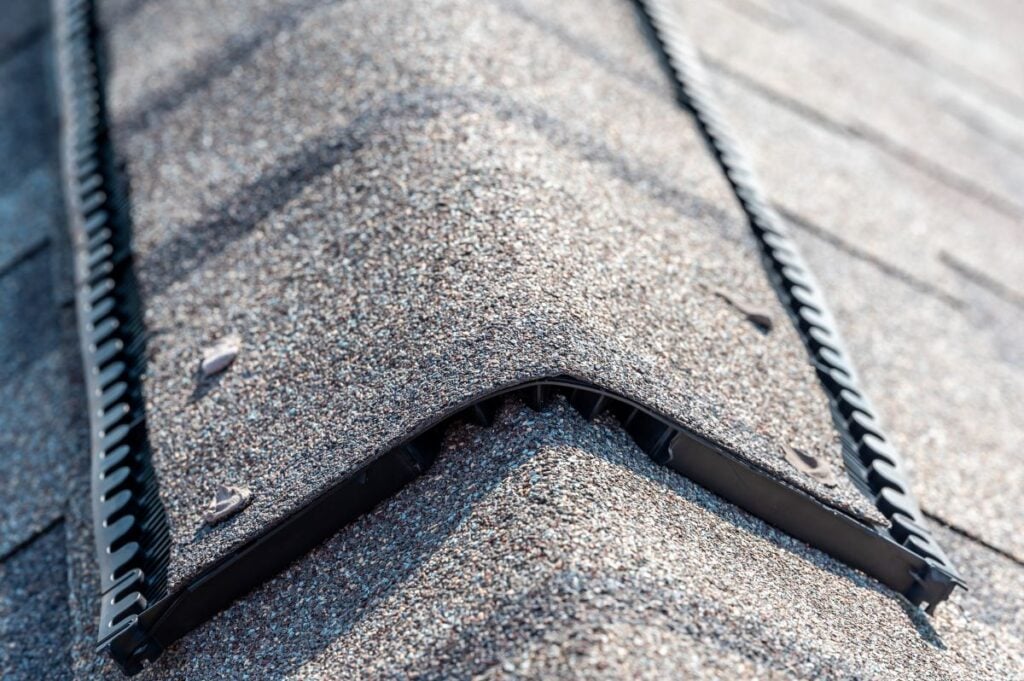
Proper attic ventilation helps regulate temperature and moisture levels inside your home. Without it, heat and moisture can build up and damage roofing materials from below. Our guide on roof ventilation covers how proper airflow protects your roof and what to look for during an inspection.
- Airflow balance: Helps prevent heat buildup in the attic
- Moisture control: Reduces the risk of mold and rot
- Energy efficiency: Supports overall home performance
5. Sun Exposure
Florida’s strong sunlight can break down roofing materials over time. Constant UV exposure causes materials to expand, contract, and degrade.
- UV damage: Weakens shingles and other roofing materials
- Color fading: Indicates prolonged sun exposure
- Material breakdown: Can shorten the roof’s overall lifespan
6. Storm Frequency
Frequent storms and high winds can accelerate roof wear and lead to damage. Even minor storm impacts can weaken roofing materials over time. Our guide on roof storm damage explains the most common types of damage Florida homeowners encounter and how to respond.
- Wind uplift: Can loosen or lead to missing shingles
- Heavy rain: Increases moisture exposure
- Storm debris: May cause surface damage
7. Maintenance Routine
Regular maintenance is one of the most effective ways to extend your roof’s lifespan. Small issues can be addressed before they become costly problems.
- Routine inspections: Help identify early signs of damage
- Preventive repairs: Extend the life of roofing materials
- Cleaning debris: Reduces moisture buildup
8. Tree Coverage
Trees near your home can impact your roof in both positive and negative ways. While they provide shade, they can also drop debris and trap moisture.
- Falling branches: May cause physical damage
- Leaf buildup: Can trap moisture on the roof surface
- Shade areas: May slow drying and encourage algae growth
9. Algae and Moisture
Humidity in Florida creates ideal conditions for algae and mold growth. These can affect both the appearance and performance of your roof.
- Algae growth: Can stain shingles and retain moisture
- Mold development: May impact underlying materials
- Moisture retention: Speeds up material deterioration
Homes in areas like Tampa often experience a combination of these factors, making regular maintenance especially important.
Signs Your Roof May Be Nearing the End
Even a well maintained roof will eventually need replacement. Recognizing early warning signs can help prevent more serious issues like leaks or structural damage before you need a new roof.
Visible Shingle Damage
Shingles that are cracked, curling, or missing shingles are a sign that the roof is wearing down. This type of damage allows water to reach the underlying layers of the roof.
Granule Loss
Asphalt shingles lose granules over time, which reduces their ability to protect against UV rays. Granules may collect in gutters or appear as bald spots on shingles.
Interior Warning Signs
Water stains on ceilings or walls may indicate a roof leak. Even small leaks can lead to larger issues if not addressed quickly.
Roof Lifespan Comparison
Different materials offer different benefits and lifespans. This comparison can help homeowners understand their options.
| Roofing Material | Average Lifespan in Florida | Maintenance Needs | Durability |
| Asphalt shingles | 15 to 25 years | Moderate | Good |
| Metal roofing | 40 to 70 years | Low | Excellent |
| Tile roofing | 50+ years | Moderate | Excellent |
Choosing the right material depends on your budget, home style, and long term goals.
How to Extend the Life of Your Roof
Proper maintenance can significantly extend the lifespan of your roof, even in Florida’s challenging climate. Small steps taken consistently can prevent larger issues down the line and delay the need to replace your roof.
Schedule Regular Inspections
Professional inspections help identify minor issues before they become major problems. This is especially important after storms or heavy rainfall.
Keep Your Roof Clean
Removing debris such as leaves and branches helps prevent moisture buildup. Keeping gutters clear also supports proper drainage.
Address Repairs Quickly
Small issues like loose shingles or minor leaks should be addressed promptly. Delaying repairs can lead to more extensive damage and may require a full roof replacement sooner than expected.
We’re proud to serve home and business owners in Land O’ Lakes, Tampa, and nearby communities with roofing insights and more.
Plan Ahead With Shingle Masters
Understanding how long a roof lasts in Florida helps homeowners plan ahead and avoid unexpected costs. With the right materials, proper installation, and ongoing maintenance, your roof can provide reliable protection for many years.
Shingle Masters works with homeowners to evaluate roof condition, identify potential issues, and recommend solutions that support long term performance. Whether your roof is approaching the end of its lifespan or you are considering a new roof, our team is here to help.
Contact Shingle Masters today to schedule a professional inspection and take the next step toward protecting your home. We proudly serve homeowners in Bradenton and across the Tampa Bay area.