 6 Min Read
 04/13/2026
Roof underlayment is a critical layer of protection that sits between your roof deck and the outer roofing material. While it is not always visible, it plays a major role in preventing moisture from entering your home. Understanding how underlayment works can help homeowners in Bradenton and throughout the Tampa Bay area make better decisions about roof repairs, maintenance, and replacement.
In this guide, we will break down what roof underlayment is and why it matters.
- Hidden protection layer: Sits beneath shingles or other roofing materials
- Moisture barrier: Helps prevent water intrusion
- Material options: Different types offer different levels of protection
- Long term value: Supports durability and roof performance
What Is Roof Underlayment?
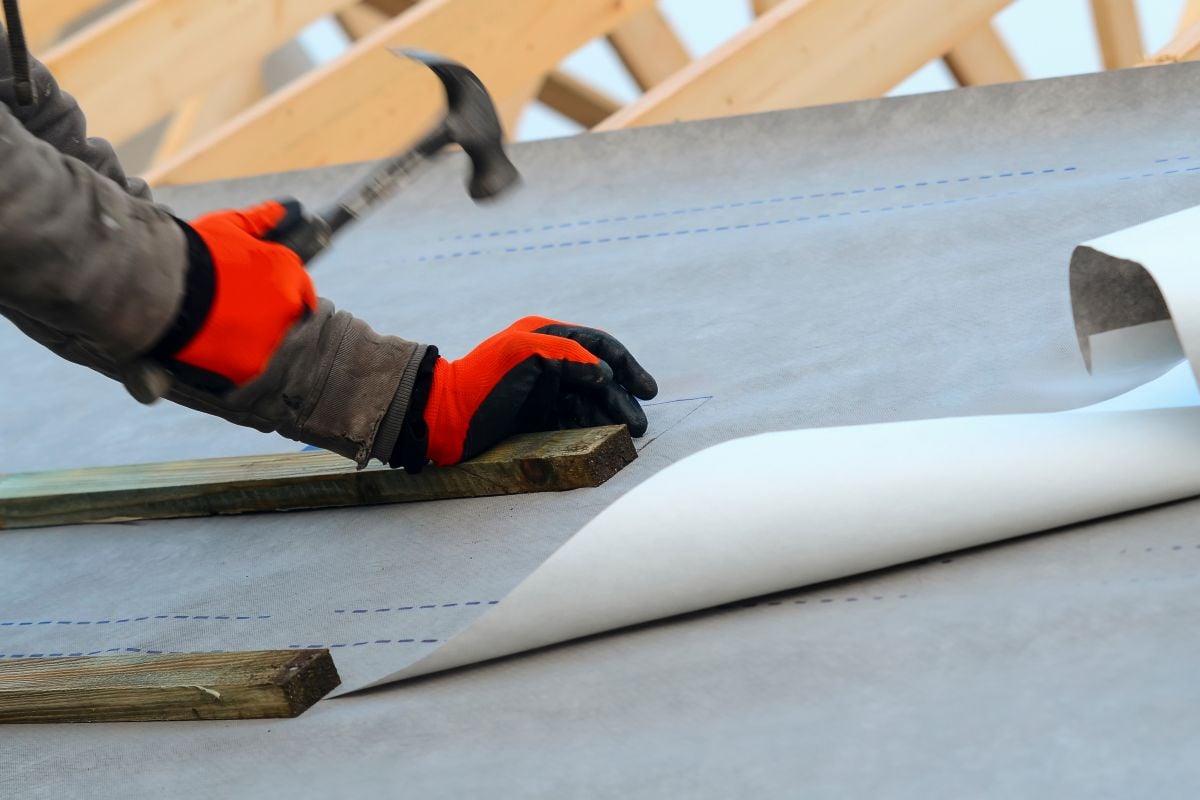
Roof underlayment is a protective material installed directly on top of the roof deck before shingles or other roofing materials are applied. Its main purpose is to provide an extra barrier against water, especially during heavy rain or storm conditions.
Even high quality roofing materials can allow small amounts of moisture through under certain conditions. Underlayment helps catch that moisture and prevent it from reaching the roof deck, where it could cause damage over time.
- Secondary protection: Acts as a backup layer beneath roofing materials
- Water resistance: Helps prevent leaks from reaching the structure
- Installation base: Provides a smooth surface for shingles
Why Roof Underlayment Is So Important
Underlayment plays a key role in protecting your home from long term damage. Without it, your roof would be far more vulnerable to leaks and moisture related issues.
When installed correctly, underlayment helps extend the life of your roofing system and supports overall performance. It is especially important in areas with frequent rain or storms.
- Leak prevention: Reduces risk of water reaching the roof deck
- Moisture control: Helps prevent mold and wood rot
- Weather protection: Adds defense against wind driven rain
- Supports roof’s lifespan: Helps roofing materials perform longer
6 Types of Roof Underlayment Homeowners Should Know
Different types of underlayment offer different levels of protection and performance. Choosing the right one depends on your roofing system, climate, and budget.
1. Asphalt Saturated Felt
This traditional type of underlayment has been used for many years. It is made from organic or fiberglass materials soaked in asphalt for water resistance.
- Cost effective: Often more affordable than newer materials
- Water resistant: Provides basic protection against moisture
- Heavier material: Can be more difficult to install
2. Synthetic Underlayment
Synthetic underlayment is a modern option designed for improved durability and performance. It is lightweight and resistant to tearing.
- High durability: Resists damage during installation
- Lightweight: Easier to handle and install
- Water resistant: Offers strong protection against moisture
3. Rubberized Asphalt
This premium option provides enhanced waterproofing and flexibility. It is often used in areas prone to heavy rain or leaks.
- Waterproof barrier: Offers higher level protection
- Self sealing: Helps seal around nails and fasteners
- Flexible material: Adapts well to different roof shapes
4. Ice and Water Shield
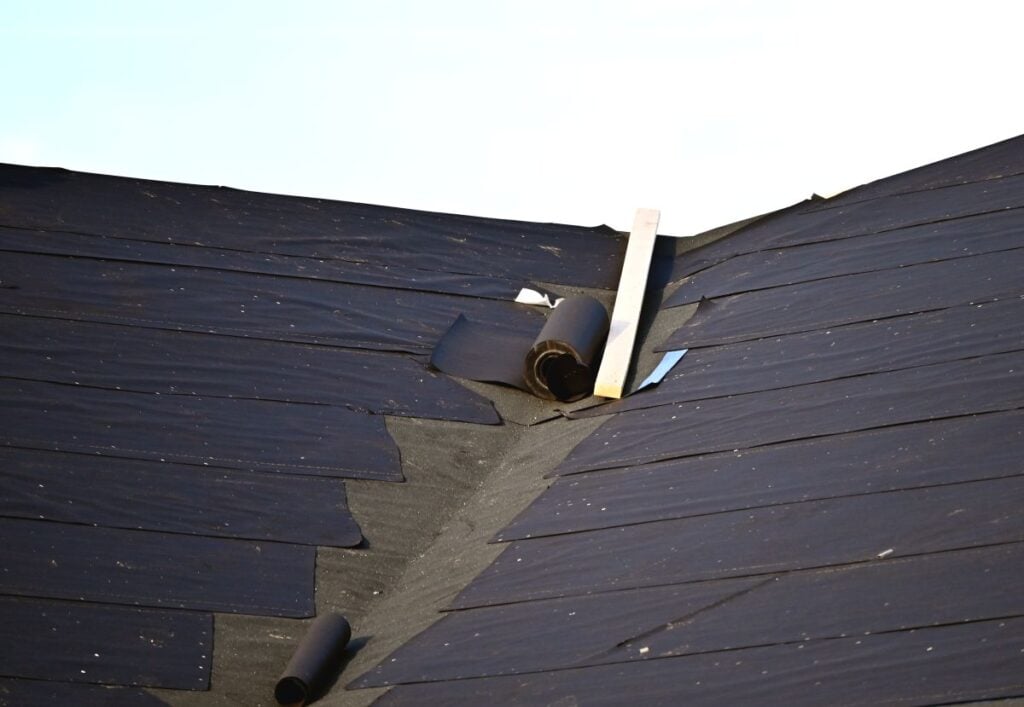
Ice and water shield is designed for areas where water tends to collect or flow more heavily. It is commonly used along edges and valleys.
- Leak protection: Helps prevent water intrusion in vulnerable areas
- Adhesive backing: Sticks directly to the roof deck
- Targeted use: Often installed in specific sections
5. Breathable Underlayment
This type of underlayment allows moisture vapor to escape while still blocking water from entering. It helps regulate moisture levels within the roof system and works hand in hand with proper roof ventilation to keep attic conditions balanced.
- Moisture control: Reduces trapped vapor buildup
- Improved airflow: Supports attic ventilation
- Protective barrier: Prevents water penetration
6. Peel and Stick Underlayment
Peel and stick products are easy to install and provide a strong seal. They are often used for added protection in high risk areas.
- Simple installation: No additional fasteners required
- Strong adhesion: Creates a tight seal against the roof deck
- Water resistance: Helps prevent leaks
We’re proud to serve home and business owners in Brandon, Tampa, and nearby communities with roofing guidance and more.
Roof Underlayment vs Roofing Material
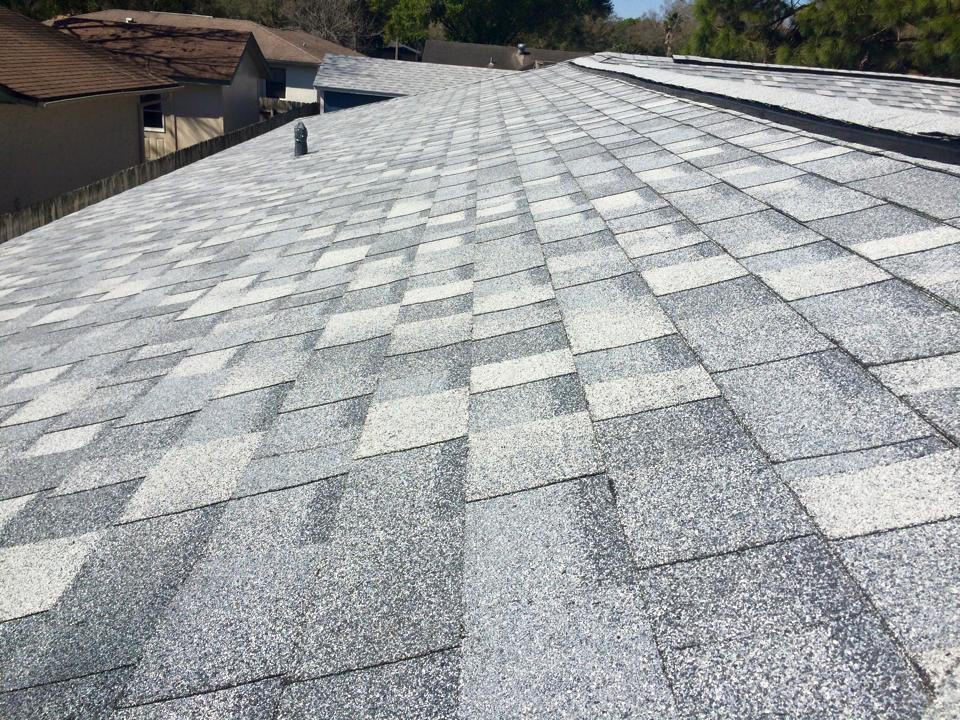
Understanding the difference between underlayment and outer roofing materials helps clarify their roles in your roofing system.
| Component | Function | Visibility |
| Roof underlayment | Moisture barrier and secondary protection | Hidden |
| Shingles or roofing material | Primary weather protection and appearance | Visible |
Both layers work together to protect your home, but underlayment provides critical backup protection when the outer layer is compromised.
Signs Your Roof Underlayment May Be Failing
Although underlayment is not visible, there are signs that may indicate it is no longer performing properly. Recognizing these signs early can help prevent more serious damage.
- Recurring roof leak: May indicate compromised underlayment
- Water stains indoors: Suggest moisture is reaching interior spaces
- Mold or mildew: Can result from trapped moisture
- Damaged roofing materials: May expose underlayment to weather
When Underlayment Is Replaced
Underlayment is typically replaced during a roof replacement, as it sits beneath the outer roofing materials. In most cases, it is not replaced on its own unless there is significant damage.
During a Roof Replacement
When installing a new roof, underlayment is always replaced to ensure proper protection. This allows the entire system to start fresh and perform as intended. Our guide on roof shingle replacement covers the full process, including how underlayment fits into the overall project.
After Significant Damage
If a roof experiences major storm damage or long term leaks, the underlayment may need to be replaced along with other components. This helps restore the integrity of the roofing system.
During Major Roof Repairs
In some cases, sections of underlayment may be replaced during larger roof repairs. This depends on the extent of the damage and accessibility.
Protect Your Roof With Shingle Masters
Roof underlayment may be hidden, but it plays a vital role in protecting your home. Choosing the right materials and ensuring proper installation can make a significant difference in your roof’s performance and lifespan.
Shingle Masters helps homeowners understand their roofing systems and make informed decisions about repairs and replacement. Whether you are planning a new roof or addressing an issue, our team provides guidance you can trust.
Contact Shingle Masters today to schedule an inspection and keep your roof performing at its best. We proudly serve homeowners in Clearwater and across the Tampa Bay area.