 7 Min Read
 05/04/2026
Roof shingle replacement is one of the most common ways homeowners restore the protection and appearance of their roof. Over time, shingles wear down due to weather, age, and environmental exposure. Whether you are considering minor repairs or a full shingle roof replacement, homeowners in Apollo Beach and throughout the Tampa Bay area benefit from understanding the warning signs so they can act before problems escalate.
In this guide, we will cover the key signs that indicate it may be time for a replacement.
- Visible damage: Cracked, curling, or missing shingles
- Water issues: Leaks or interior water stains
- Aging materials: Shingles nearing the end of their lifespan
- Performance concerns: Reduced protection from the elements
Why Roof Shingle Replacement Matters
Shingles are your roof’s first line of defense against the elements. When they begin to fail, your entire roofing system becomes vulnerable to water intrusion and structural damage. Even a few damaged areas can affect surrounding shingles and allow moisture to spread beneath the surface.
Replacing worn shingles also helps extend the life of your roof and prevents minor problems from turning into major repairs. Factors like roof pitch and roof accessibility can influence how quickly damage spreads and how complex repairs or replacement may be.
- Leak prevention: Keeps moisture from reaching the roof deck
- Structural protection: Helps maintain overall roof integrity
- Energy efficiency: Supports proper insulation performance
- Curb appeal: Improves the look of your home
7 Signs It’s Time to Replace Your Roof Shingles
Recognizing the warning signs early can help you avoid more extensive roofing issues. If you notice several of the following, it may be time to consider roof shingle replacement.
1. Missing Shingles
High winds and storms can cause shingles to come loose or fall off completely. Missing shingles expose the underlying layers of your roof and can weaken surrounding shingles over time. If storm damage is the cause, our guide on roof storm damage covers the steps to take immediately after severe weather.
- Open gaps: Areas where shingles are no longer present
- Increased risk: Higher chance of leaks and water intrusion
- Storm impact: Common after severe weather
2. Curling or Buckling Shingles
Shingles that curl at the edges or appear warped are often a sign of aging or moisture issues. This affects their ability to properly protect your roof and can spread across the surface.
- Edge curling: Shingles lifting at the corners
- Buckling: Uneven or distorted appearance
- Reduced performance: Less effective protection
3. Granule Loss
Asphalt shingles are coated with granules that protect against UV rays and weather damage. Over time, these granules can wear away and expose the material beneath.
- Bald spots: Visible areas without granules
- Granules in gutters: Accumulation in drainage systems
- Faster aging: Reduced resistance to the elements
4. Frequent Roof Leaks
Recurring leaks are a strong indicator that your shingles are no longer providing adequate protection. Water intrusion can move beyond the surface and affect deeper layers of the roof.
- Water stains: Visible marks on ceilings or walls
- Dripping water: Especially during rainstorms
- Ongoing issues: Repeated repairs needed
5. Damaged or Cracked Shingles
Cracks can develop due to temperature changes, impact, or general wear. Repairing individual shingles may require tools like a flat pry bar to carefully remove damaged pieces without affecting surrounding shingles.
- Visible cracks: Breaks in the shingle surface
- Impact damage: From debris or hail
- Weakened material: Increased vulnerability
6. Roof Age
Most asphalt shingle roofs have a limited lifespan. As they age, their performance naturally declines and they become less effective at protecting your home. According to the National Roofing Contractors Association, most new roofs are designed to provide useful service for about 20 years, with actual lifespan determined by local climate conditions, material quality, proper installation, and adequate maintenance — making age one of the most reliable indicators that shingle replacement may be due.
- 20+ years old: Many roofs reach the end of their lifespan
- Worn appearance: Fading or discoloration
- Reduced durability: Less resistance to weather
7. Sagging or Uneven Areas
Sagging sections of the roof may indicate deeper structural issues. This is a serious sign that often points to problems beyond just the shingles themselves.
- Visible dips: Uneven roof lines
- Structural concerns: Potential damage to the roof deck
- Immediate attention: Requires professional evaluation
We’re proud to serve home and business owners in Carrollwood, Tampa, and nearby communities with roof shingle replacement guidance and more.
Roof Shingle Replacement Costs
Understanding the cost of replacing shingles helps homeowners plan ahead. Pricing can vary based on materials, labor, and roof complexity.
| Cost Factor | Impact on Pricing |
| Roof size | Larger roofs increase total cost |
| Material type | Architectural shingles cost more than basic options |
| Roof pitch | Steeper roofs increase labor costs |
| Accessibility | Limited roof accessibility raises installation difficulty |
Shingle replacement is often priced per square, which equals 100 square feet. The total cost depends on the materials selected and the amount of labor required. If you’re planning ahead, our guide on how to measure a roof for shingles can help you estimate material needs before requesting a quote. While the upfront investment can vary, replacing shingles early can help avoid more expensive structural repairs later.
Roof Shingle Replacement vs Repair
Homeowners often wonder whether they should repair or replace their shingles. The right choice depends on the extent of the damage, roof accessibility, and the overall condition of the system.
| Condition | Recommended Solution |
| Minor, isolated damage | Repair |
| Widespread wear or aging | Replacement |
| Repeated leaks | Replacement |
| Structural concerns | Replacement |
In many cases, replacing shingles is the more effective long term solution when damage is widespread or affects multiple areas.
What to Expect During Roof Shingle Replacement
Understanding the replacement process can help homeowners feel more prepared. A professional roofing contractor will follow a structured approach to ensure proper installation.
Inspection and Assessment
The process begins with a detailed inspection to determine the condition of the roof. Contractors evaluate factors like roof pitch and accessibility to plan the safest and most efficient approach.
Removing Old Shingles
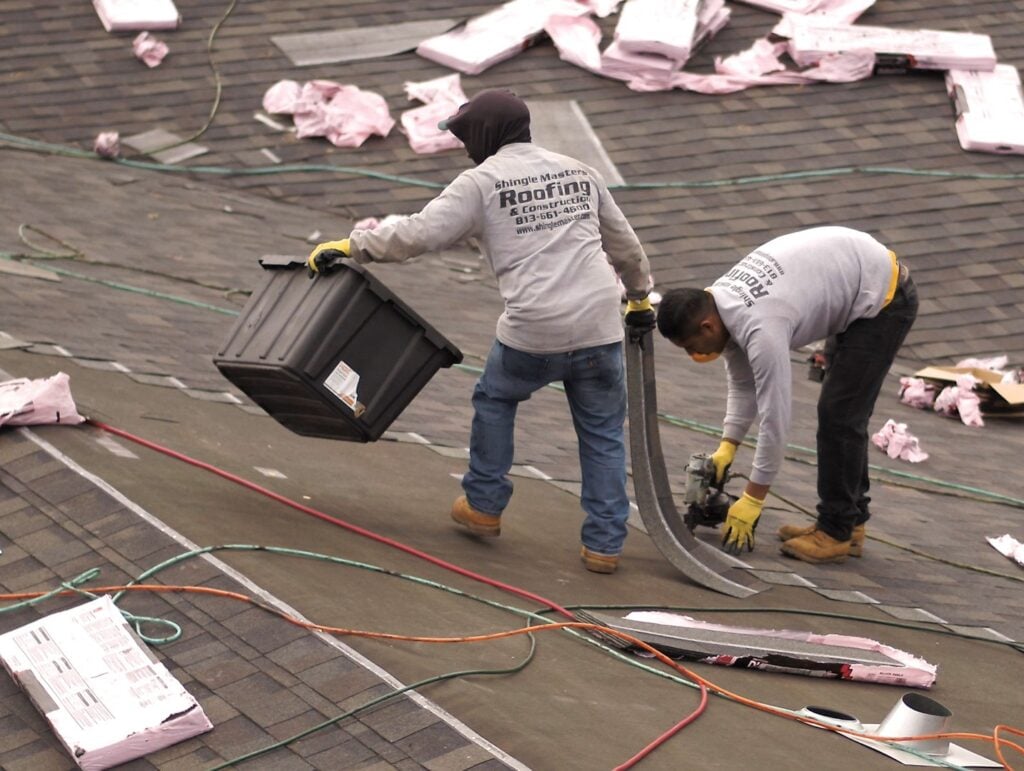
Existing shingles are removed to expose the roof deck. Contractors carefully work around surrounding shingles when possible, using proper tools to minimize unnecessary damage.
Installing New Materials
New shingles are installed along with underlayment and other components. Proper alignment and fastening ensure the new roofing system performs effectively.
Final Inspection
The completed roof is inspected to confirm quality and ensure everything meets standards. This final step ensures the replacement was completed correctly.
FAQs About Roof Shingle Replacement
Homeowners often have questions about the process, materials, and expectations for replacing shingles. These answers help clarify common concerns.
How long does shingle roof replacement take?
Most projects are completed within a few days, depending on roof size and weather conditions. Larger or more complex roofs may take longer to complete.
What types of shingles are available?
There are several options, including basic asphalt shingles, architectural shingles, and premium designs. Each type offers different levels of durability, appearance, and cost.
Can I replace just a few shingles?
In some cases, small repairs are possible if the damage is isolated. However, widespread issues often require a full shingle roof replacement for long term results.
What tools are used during installation?
Roofing professionals use specialized tools such as nail guns, safety equipment, and hand tools like a flat pry bar. Proper tools help ensure shingles are installed securely and correctly.
What is the shingle installation process?
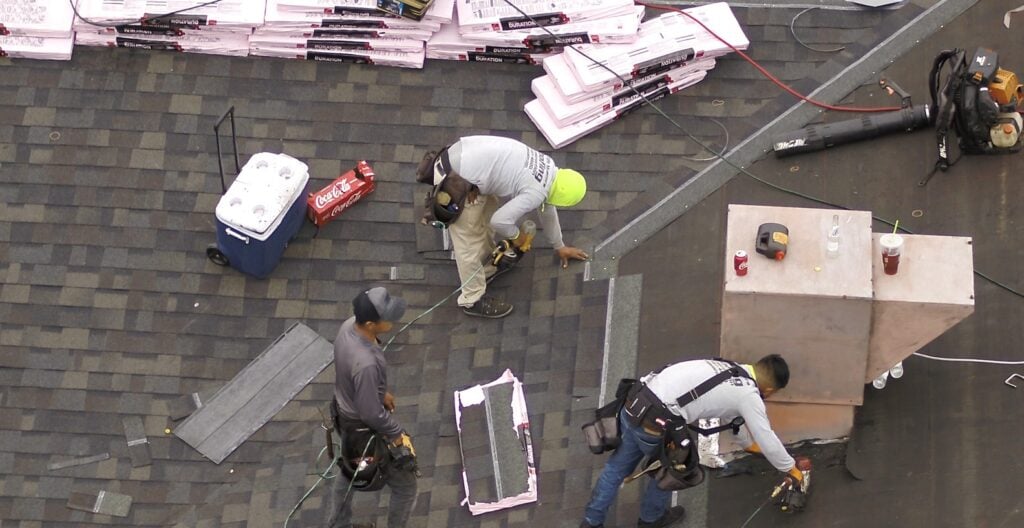
The process of replacing roof shingles typically involves breaking the seal on the damaged shingle, removing the nails, sliding out the old shingle, and installing a new one.
Benefits of Replacing Roof Shingles
Replacing your roof shingles offers several important benefits that go beyond fixing visible damage. It helps improve both performance and long term value.
- Improved protection: Reduces risk of leaks and damage
- Extended lifespan: Helps your roof last longer
- Better appearance: Enhances curb appeal
- Increased value: Adds to overall home value
Protect Your Home With Shingle Masters
Roof shingle replacement is an important step in maintaining the safety and performance of your home. Addressing issues early helps prevent costly repairs and keeps your roof in strong condition.
Shingle Masters works with homeowners to evaluate their roofs and recommend the best solutions. Whether you need targeted repairs or a full shingle roof replacement, our team is ready to help. Contact Shingle Masters today to schedule an inspection and take the next step toward a stronger, more reliable roof. We proudly serve homeowners in Land O’ Lakes and across the Tampa Bay area.