 7 Min Read
 08/11/2026
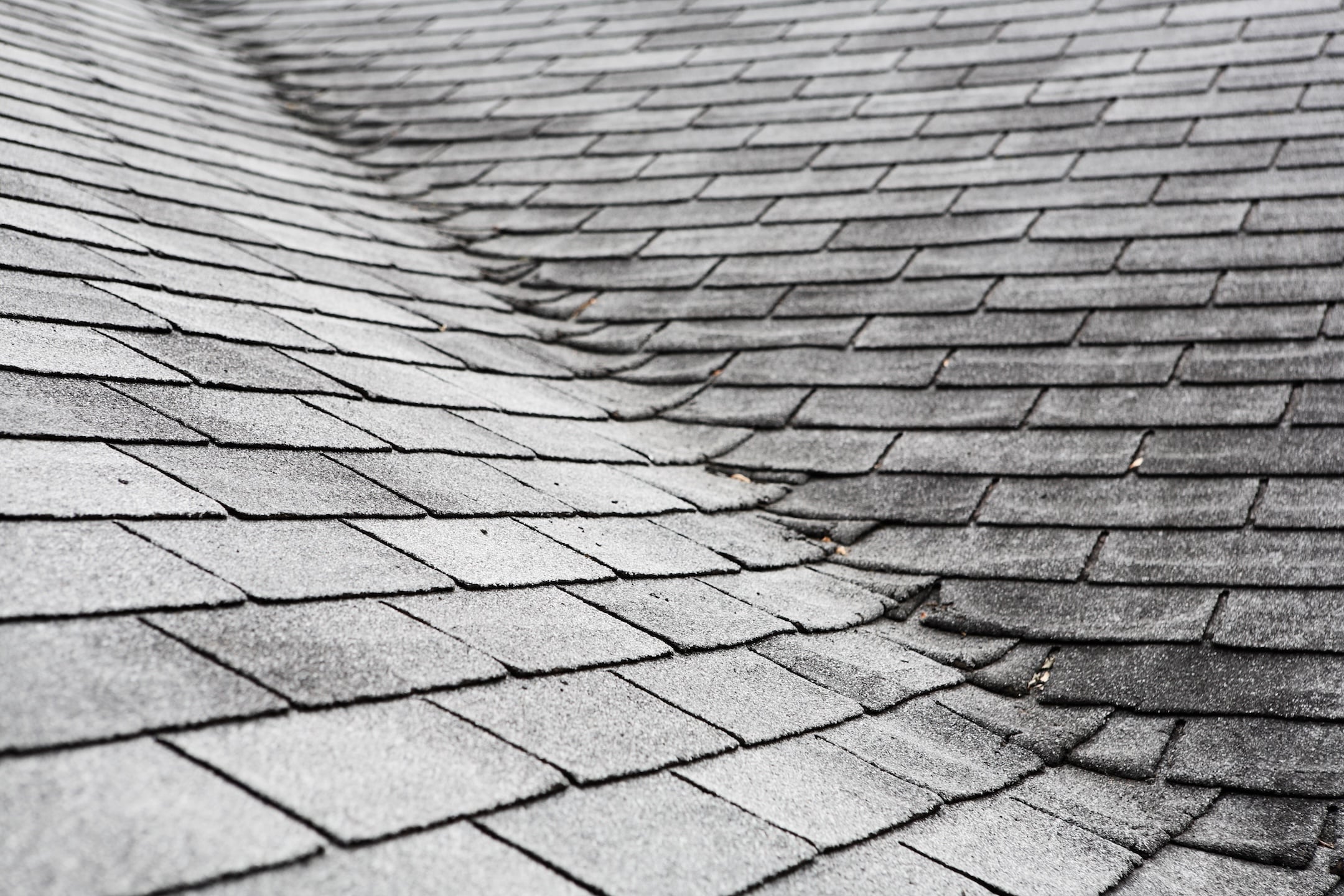
Curling shingles are one of the most common warning signs that your roof may be aging or experiencing damage. When asphalt shingles begin shingle curling or start to shingle turn upward, it can lead to leaks, reduced protection, and higher repair costs if not addressed early. If you’re noticing curling shingles on your roof surface, working with expert help for shingle roof repairs can help determine the cause and prevent further damage.
Curling shingles often start as a minor issue but can quickly worsen due to heat and moisture, poor installation, or ventilation problems. Understanding the causes and how to fix curling shingles early can help extend the life of your roofing system.
- Common causes: Why shingles begin curling
- Warning signs: What to look for early
- Repair options: Fixes before replacement is needed
- Prevention tips: How to avoid future issues
What Are Curling Shingles?
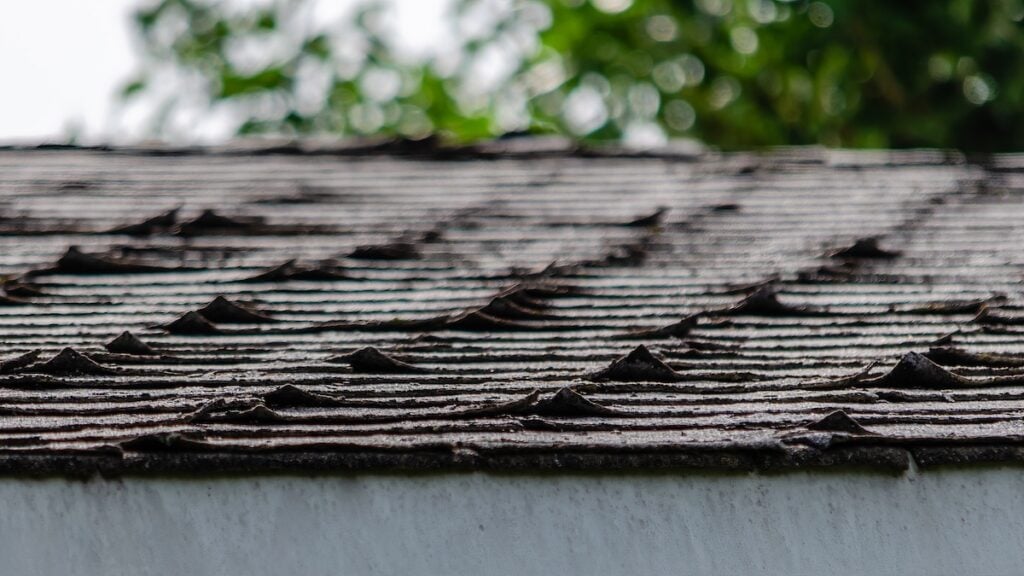
Curling shingles occur when asphalt shingles lose their shape and begin to lift at the edges or corners. This often happens when materials deteriorate or when environmental stress affects the roof surface over time.
As shingles curl or turn upward, they expose the roof deck beneath, making your home more vulnerable to water damage. In many cases, shingle curling is an early warning sign that your roofing system is under stress or nearing the end of its lifespan.
- Edge curling: Shingles lift at corners
- Cupping: Center dips while edges rise
- Exposed roof deck: Increases risk of leaks
- Weakened protection: Reduces performance
7 Causes of Curling Shingles
Understanding the root causes of curling shingles helps homeowners address problems before they spread. Most issues are related to installation quality, attic ventilation, or environmental exposure.
1. Aging Asphalt Shingles
Over time, asphalt shingles naturally break down due to constant exposure to sunlight and weather conditions. As materials lose flexibility, shingles begin to curl and crack, especially on older roofs.
- UV exposure: Breaks down protective layers
- Drying oils: Causes brittleness
- Old roofing materials: More prone to curling
- Reduced durability: Leads to failure over time
2. Poor Attic Ventilation
Proper attic ventilation is essential for regulating temperature and moisture levels inside your home. Without proper attic ventilation, heat and moisture build up and cause shingles to warp.
Inadequate attic ventilation or poor attic ventilation can trap heat beneath the roof, accelerating shingle damage and shortening lifespan.
- Heat buildup: Damages shingles from below
- Moisture retention: Weakens materials
- Uneven wear: Affects certain roof areas
- Shortened lifespan: Leads to premature issues
3. Improper Installation
Improper installation is one of the leading causes of curling shingles, especially in newer roofs. Mistakes during installing shingles or poorly aligned shingles installed can prevent proper sealing.
When shingles installed incorrectly are exposed to weather, they are more likely to lift, curl, or fail prematurely.
- Improper installation: Causes weak sealing
- Incorrect roofing nails: Reduces stability
- Misaligned shingles: Leads to uneven stress
- Low-quality work: Increases risk of failure
4. Moisture and Water Damage
Moisture trapped under shingles can cause expansion and warping, especially when combined with poor ventilation. Over time, this leads to curling and deterioration.
Water can also seep into the roof deck, weakening the entire roofing system and increasing the risk of leaks.
- Water absorption: Damages shingles
- Mold growth: Impacts roofing materials
- Weak roof deck: Reduces support
- Leak risk: Increases over time
5. Multiple Layers of Shingles
Installing shingles over existing layers may seem cost-effective, but it often creates uneven surfaces and traps heat. This leads to faster wear and curling shingles.
The added weight can also strain the roof structure and prevent new shingles from sealing properly.
- Uneven roof surface: Prevents proper adhesion
- Excess weight: Stresses roof structure
- Heat retention: Speeds up damage
- Reduced lifespan: Causes early failure
6. Roofing Material and Fastener Issues
The quality of roofing materials and installation components plays a major role in performance. Problems with roofing nails or roofing cement can lead to poor attachment and instability.
When materials fail or are improperly secured, shingles are more likely to lift and begin curling under normal weather conditions.
- Loose roofing nails: Reduce shingle stability
- Weak roofing cement: Fails to seal properly
- Material defects: Lower durability
- Improper fastening: Leads to lifting
7. Heat and Moisture Imbalance
A constant imbalance of heat and moisture in your attic can accelerate shingle curling, even if the roof was installed correctly. This is often tied to ventilation issues and environmental conditions.
Over time, trapped heat and moisture weaken the structure of asphalt shingles, causing them to expand, contract, and eventually curl.
- Heat and moisture buildup: Warps shingles
- Inadequate attic ventilation: Traps hot air
- Seasonal changes: Increase stress on materials
- Faster deterioration: Shortens roof lifespan
Early Fixes for Curling Shingles
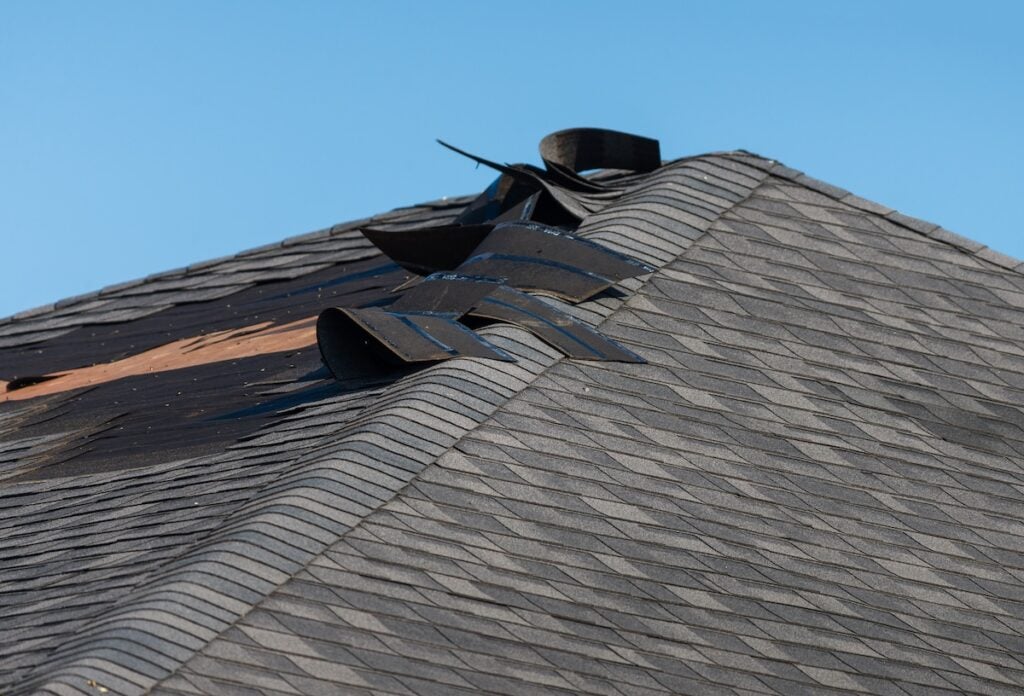
Addressing curling shingles early can help prevent more serious damage to your roofing system. In some cases, minor repairs can extend the life of your existing roof without full replacement.
- Replace just a few shingles: Fix isolated damage areas
- Seal lifted shingles: Use roofing cement for temporary fixes
- Improve attic ventilation: Reduce heat and moisture buildup
- Schedule inspections: Catch issues before they spread
Taking action early is the best way to fix curling shingles before they turn into costly repairs.
When Curling Shingles Mean Replacement
While some cases of curling shingles can be repaired, widespread damage often signals a larger issue. Knowing when to replace your roof helps avoid structural damage and interior leaks.
- Extensive shingle curling: Affects large roof areas
- Frequent leaks: Indicates deeper issues
- Aging asphalt shingles: Near end of lifespan
- Damaged roof structure: Requires full replacement
A professional inspection can determine whether repair or replacement is the best solution.
How to Prevent Curling Shingles
Preventing curling shingles starts with proper installation, ventilation, and maintenance. Taking proactive steps can extend the life of your roof and reduce long-term costs.
- Ensure proper attic ventilation: Maintain airflow
- Use quality materials: Install durable asphalt shingles
- Avoid improper installation: Hire experienced contractors
- Inspect roof regularly: Identify early warning signs
Consistent maintenance helps protect your roof from premature damage.
FAQs About Curling Shingles
Curling shingles are a common issue for homeowners, especially with aging asphalt shingles or poor attic ventilation. These answers help clarify what causes the problem and how to fix it.
Are curling shingles a serious problem?
Yes, curling shingles can lead to leaks, structural damage, and reduced protection over time. Addressing the issue early helps prevent costly repairs.
Can I fix curling shingles without replacing the roof?
In some cases, yes. If only a few shingles are affected, replacing just a few shingles or sealing them may be enough. Widespread issues usually require replacement.
What causes shingles to curl the most?
The most common causes include aging asphalt shingles, poor attic ventilation, improper installation, and heat and moisture buildup.
How do I know if my roof needs replacement?
If curling shingles are widespread or paired with leaks and structural issues, it may be time for a full roof replacement.
Do roofing nails affect shingle curling?
Yes, improperly installed roofing nails can cause shingles to loosen and curl over time.
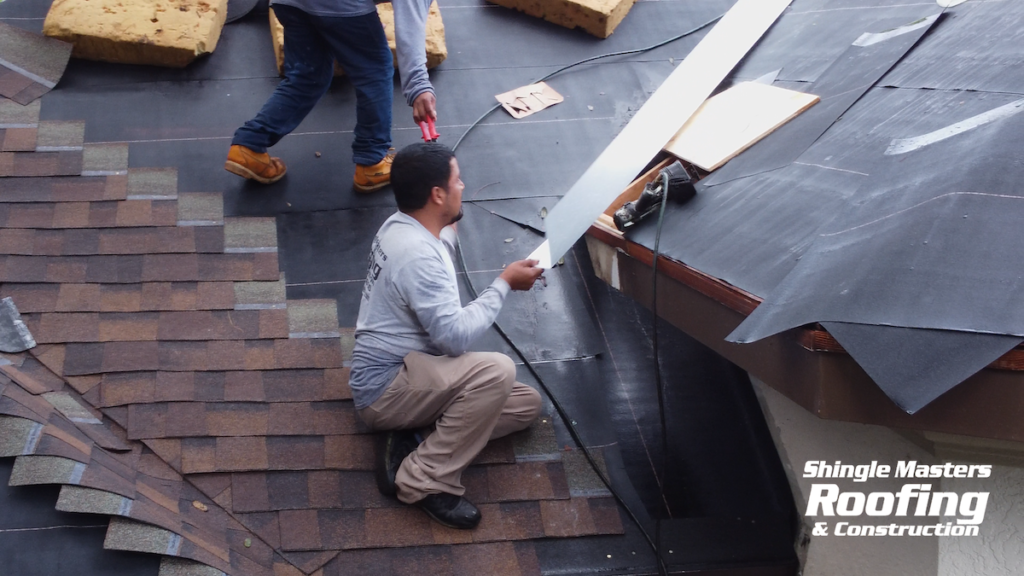
Protect Your Roof With Shingle Masters
Curling shingles are often an early warning sign of bigger roofing issues. Addressing them quickly can help prevent leaks, structural damage, and costly repairs.
Shingle Masters provides expert inspections, repairs, and solutions to keep your roof performing at its best.
Reach out today to schedule an inspection and protect your home.