 6 Min Read
 08/04/2026
Flat roof coating has become one of the most effective ways to extend the life of low slope roof surfaces without a full replacement. Whether you’re trying to waterproof worn roof surfaces, address minor leaks, or improve durability, the right solution can restore performance. If your system is aging, working with commercial roofing solutions for flat roofs can help determine whether a roof coating is the right approach for your property.
Flat roof coatings are widely used across residential and commercial buildings, including built up roofs and concrete roofs, because they create a seamless protective layer over existing roof surfaces. When properly applied, they deliver superior waterproofing protection while improving energy efficiency and longevity.
- Coating types: What options are available
- Performance factors: What actually protects your roof
- Application steps: How coatings are installed
- Cost vs value: Is coating worth it long term
What Is a Flat Roof Coating?
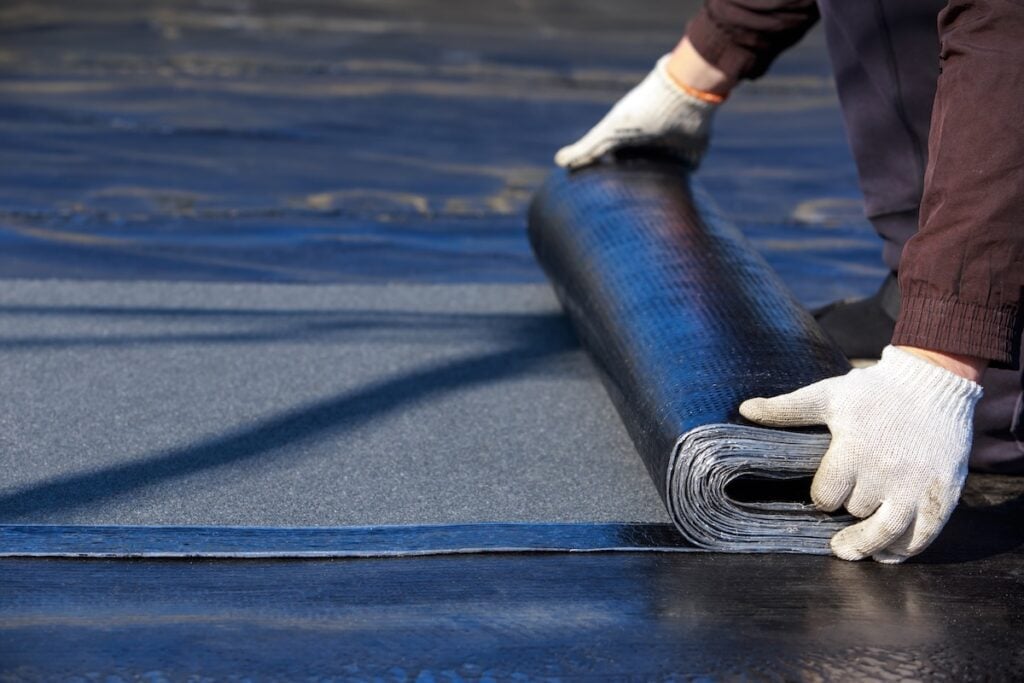
Flat roof coating is a liquid-applied material designed to seal and protect roof surfaces from moisture, UV exposure, and general wear. Once cured, it forms a flexible membrane that adheres to the existing roof.
This process helps waterproof worn roof surfaces and extend the life of flat roof systems without requiring a full replacement. Coatings are commonly used on built up roofs, single-ply membranes, and concrete roofs.
- Seamless barrier: Eliminates gaps on roof surfaces
- Waterproof protection: Helps prevent leaks and water intrusion
- UV resistance: Protects against sun damage in hot or cold climates
- Cost-effective: Extends lifespan of an existing roof
Coatings also provide UV protection and reduce the risk of thermal expansion-related cracking, which is a common issue on exposed flat roof systems.
Types of Flat Roof Coatings
Different types of roof coating products are designed for specific environments and roof conditions. Choosing the right one is key to long-term performance.
- Acrylic coatings: Durable and inexpensive elastomeric options that perform well in UV-heavy environments
- Silicone coatings: Best for areas with ponding water and high moisture, typically costing between $2.50 to $5.00 per square foot
- Polyurethane coatings: Durable and impact-resistant
- Asphalt-based coatings: Compatible with traditional built up roofs
Each type delivers superior waterproofing protection in different ways, depending on the roofing system and environmental conditions.
6 Factors That Determine the Best Flat Roof Coating
Choosing the right flat roof coating involves evaluating several important factors that impact durability and effectiveness.
- Roof condition: Existing damage must be addressed before coating
- Climate exposure: Performance varies in hot or cold climates
- Ponding water: Some coatings handle standing water better
- Roof material: Compatibility with built up roofs or concrete roofs
- Proper surface preparation: Ensures strong adhesion and performance
- Longevity goals: Short-term repair vs long-term protection
Proper surface preparation is especially critical, as coatings rely on a clean, stable surface to bond effectively and deliver superior waterproofing.
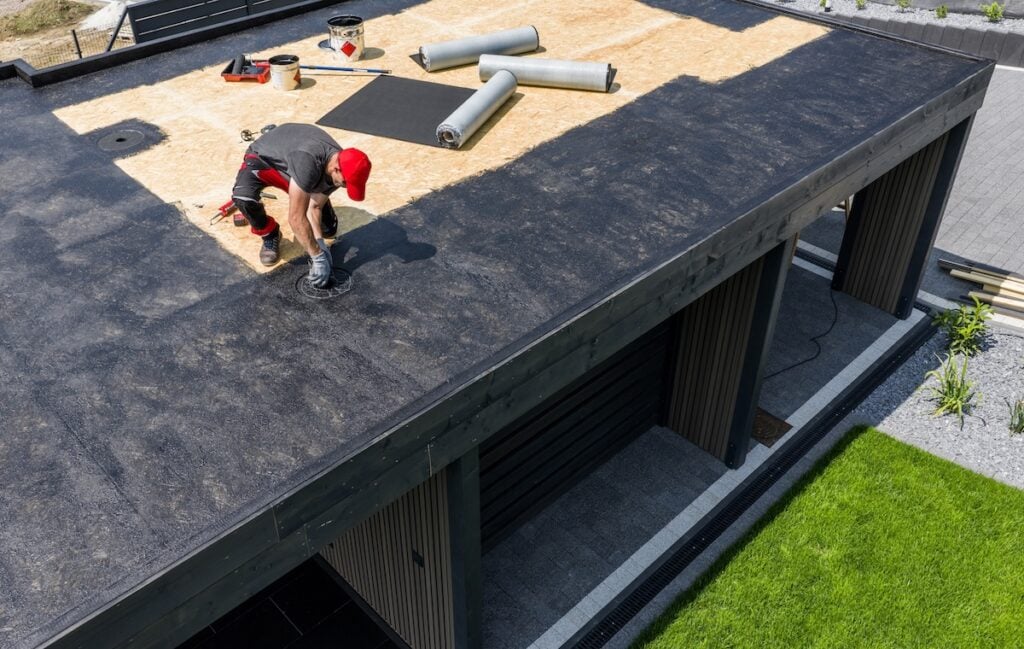
How Flat Roof Coatings Are Applied
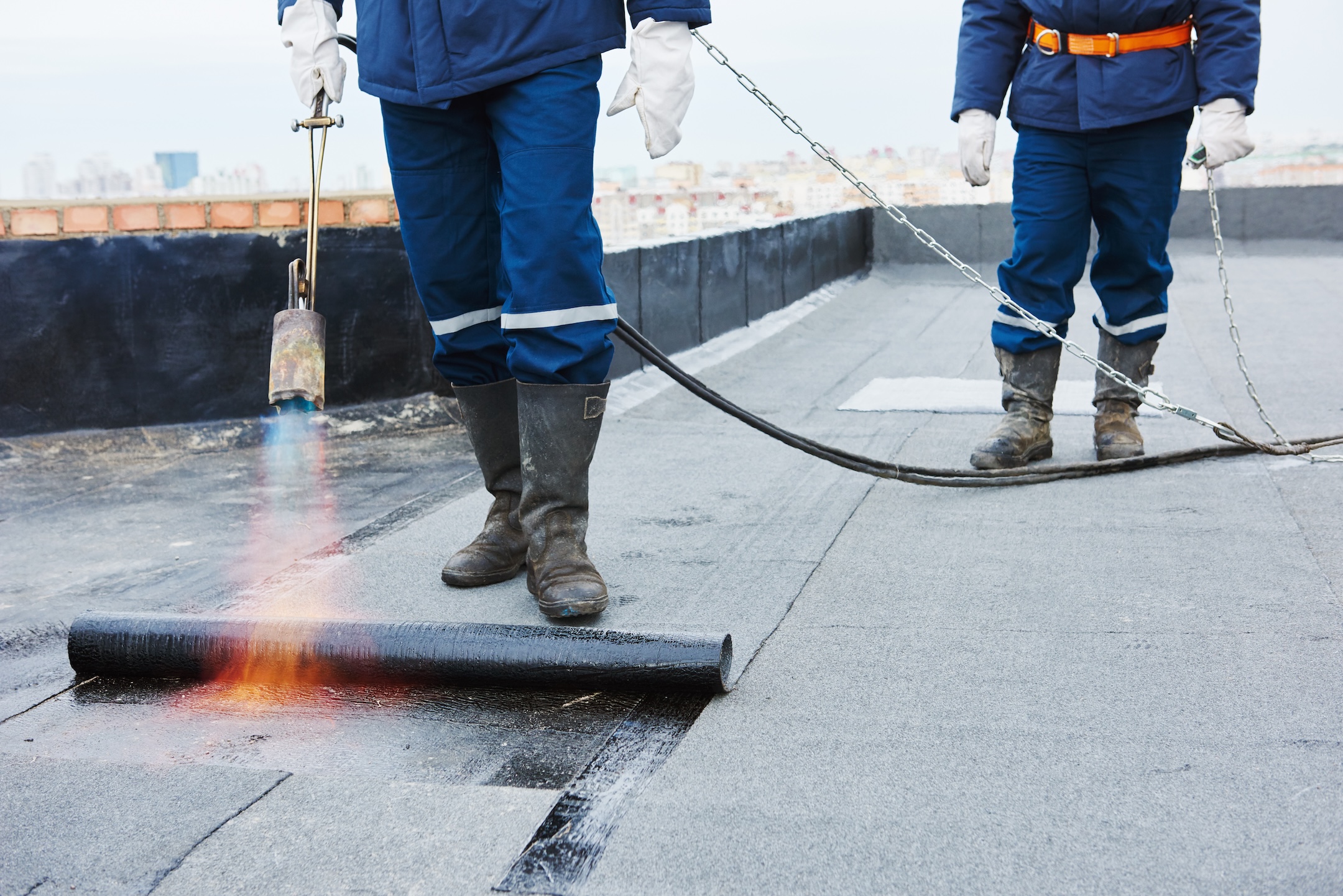
Application is one of the most important steps in ensuring a roof coating performs correctly over time. Even high-quality materials can fail without the right process.
- Surface cleaning: Remove debris and contaminants from roof surfaces
- Repair work: Fix cracks and weak areas before coating
- Proper surface preparation: Ensure adhesion across the entire roof
- Coating application: Roll or spray evenly across the surface
- Curing time: Allow coating to fully bond and harden
When done correctly, the process creates a durable layer that delivers superior waterproofing protection.
Benefits of Flat Roof Coating
Flat roof coatings offer several benefits that make them a practical solution for extending the life of an existing roof.
- Extended lifespan: Protects and reinforces worn roof surfaces
- Energy efficiency: Highly reflective coatings can reduce cooling costs by 10% to 15%
- Leak prevention: Seals vulnerable areas on roof surfaces
- Lower maintenance costs: Reduces long-term repair needs
- Versatility: Works on built up roofs and concrete roofs
These benefits make coatings a strong option for property owners looking to improve performance without full replacement.
When a Roof Coating Isn’t Enough
While flat roof coating is effective, it’s not always the right solution for every situation.
- Severe structural damage: Coating won’t fix deeper issues
- Saturated materials: Water-damaged layers must be replaced
- Extensive leaks: May require more than surface treatment
- Aging existing roof: Coating may only provide temporary relief
A professional inspection helps determine whether coating is sufficient or if additional work is needed.
Cost vs Value of Flat Roof Coating
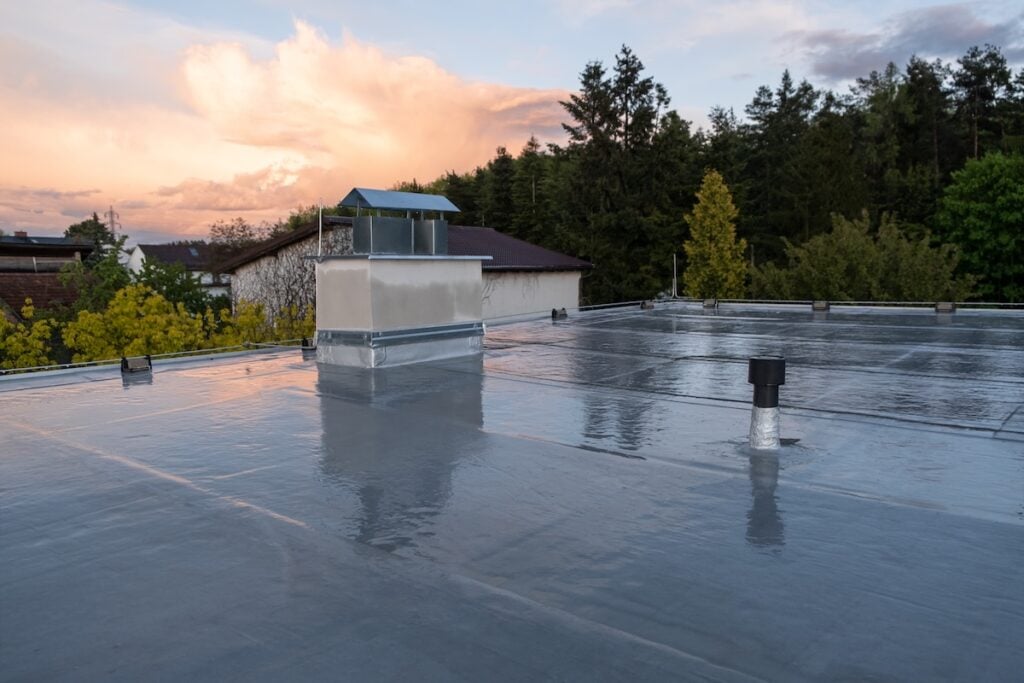
Flat roof coating is often chosen because it provides a balance between cost and long-term performance. Compared to replacement, coatings require less labor and fewer materials.
- Lower upfront investment: No need to remove existing roof
- Reduced labor costs: Faster installation process
- Long-term savings: Fewer repairs and maintenance
- Energy efficiency: Helps reduce cooling costs
Because coatings deliver superior waterproofing and extend the life of roof surfaces, they are often a cost-effective solution for many properties.
FAQs About Flat Roof Coating
Flat roof coatings are widely used on low slope roof surfaces, but many property owners have questions about performance and durability.
How long does a flat roof coating last?
Most flat roof coating systems last between 10 and 20 years depending on the material, climate, and installation quality. Proper surface preparation and regular maintenance help maximize lifespan.
Can a flat roof coating waterproof worn roof surfaces?
Yes, coatings are specifically designed to waterproof worn roof surfaces by sealing cracks and creating a protective barrier. However, major structural issues should be addressed first.
What type of coating delivers superior waterproofing protection?
Silicone coatings are often the best option for waterproofing because they resist moisture and perform well in areas with ponding water. Other coatings can also deliver superior waterproofing depending on the application.
Are coatings effective in hot or cold climates?
Yes, different coating types are designed to perform in both hot or cold climates. Choosing the right material ensures long-term durability and performance.
Can coatings be applied to concrete roofs?
Yes, coatings are commonly used on concrete roofs and other flat roofing systems. Proper preparation ensures the coating bonds correctly and performs as expected.
Protect Your Flat Roof With Shingle Masters
Flat roof coating is a practical way to extend the life of your existing roof while improving durability and performance. With the right materials and proper installation, coatings can deliver long-term protection without the cost of replacement.
Shingle Masters provides expert commercial roofing services, inspections, and coating solutions tailored to your property’s needs.
Reach out today to schedule an inspection and protect your flat roof.