 6 Min Read
 06/24/2026
Roof insurance claims can help cover the cost of repairs after storm damage, but many homeowners make costly mistakes during the process. Filing a claim correctly is essential to getting the coverage you deserve and avoiding delays or denials. Whether your roof has been damaged by high winds, hail, or severe weather conditions, understanding how to handle the claims process can make a significant difference. If you’re unsure about your roof’s condition, a professional roof inspection or repair service can help identify damage before filing a claim.
- Common mistakes: What homeowners get wrong
- Claim process tips: How to file correctly
- Inspection guidance: What insurers look for
- Maximizing coverage: Avoid denied claims
What Is a Roof Insurance Claim?
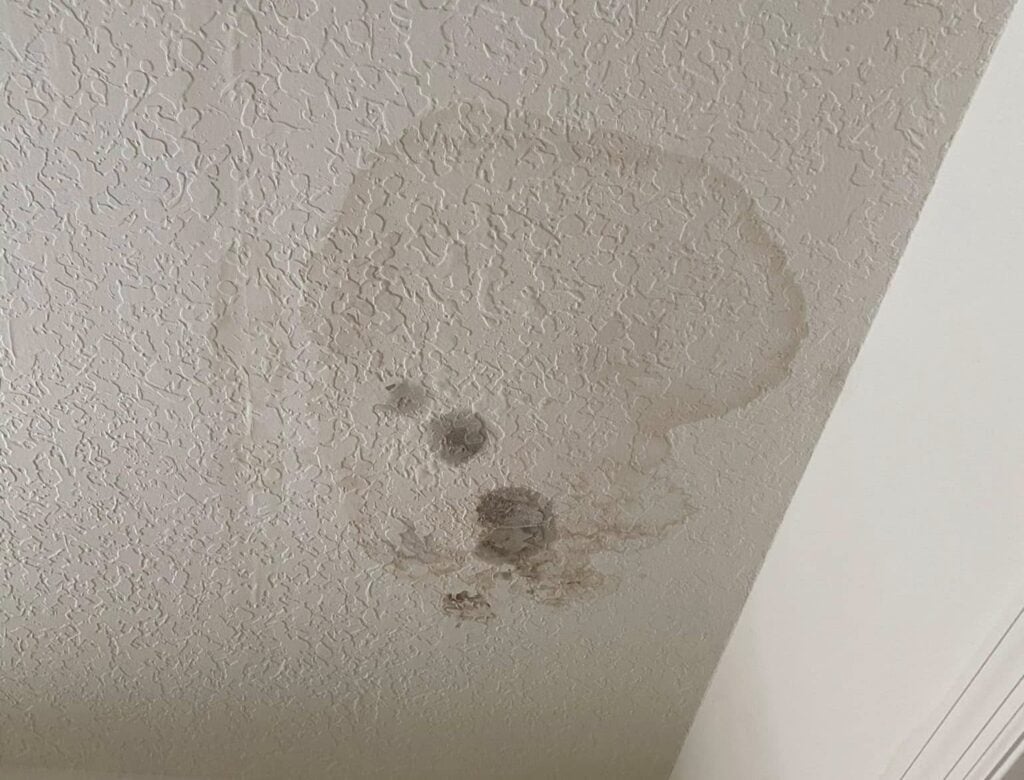
A roof insurance claim is a request filed with your insurance company to cover damage caused by events like storms, hail, or falling debris. These claims typically apply to sudden or accidental damage rather than normal wear and tear.
Understanding your policy coverage is critical, as not all types of roof damage are eligible for reimbursement. Insurance companies often require proof that the damage was caused by a specific weather event.
- Storm damage: Wind, hail, and heavy rain
- Sudden impact: Falling branches or debris
- Unexpected leaks: Caused by covered events
- Exclusions: Wear and tear or poor maintenance
8 Common Mistakes Homeowners Make With Roof Insurance Claims
Filing a roof insurance claim can be complicated, and small mistakes can lead to delays, reduced payouts, or claim denials.
- Waiting too long to file a claim: Delays can raise questions about when the damage occurred
- Not documenting roof damage properly: Lack of photos or evidence weakens your claim
- Ignoring minor damage: Small issues can worsen and become harder to prove
- Assuming all damage is covered: Policies often exclude wear and tear or poor installation
- Not getting a professional inspection: Missing hidden damage can reduce claim value
- Accepting the first estimate: Initial payouts may not reflect full repair costs
- Choosing the wrong contractor: Inexperienced contractors can impact claim accuracy
- Failing to review your policy details: Not understanding coverage limits, deductibles, and exclusions can lead to surprises during the claim process
Avoiding these mistakes can improve your chances of a successful claim.
How the Roof Insurance Claim Process Works
Understanding the process can help you navigate your claim more effectively and avoid common pitfalls.
- Inspect your roof for damage: Look for visible signs after storms or severe weather
- Document everything: Take photos and notes of all affected areas
- Contact your insurance provider: Start the claim process as soon as possible
- Schedule an adjuster visit: The insurance company evaluates the damage
- Get a contractor estimate: Compare repair costs with the adjuster’s report
- Review your claim settlement: Ensure it covers necessary repairs
- Complete the repairs: Work with a qualified roofing contractor
- Keep records of all work completed: Maintain documentation for future claims or inspections
Following these steps helps ensure your claim is handled correctly.
What Insurance Adjusters Look For
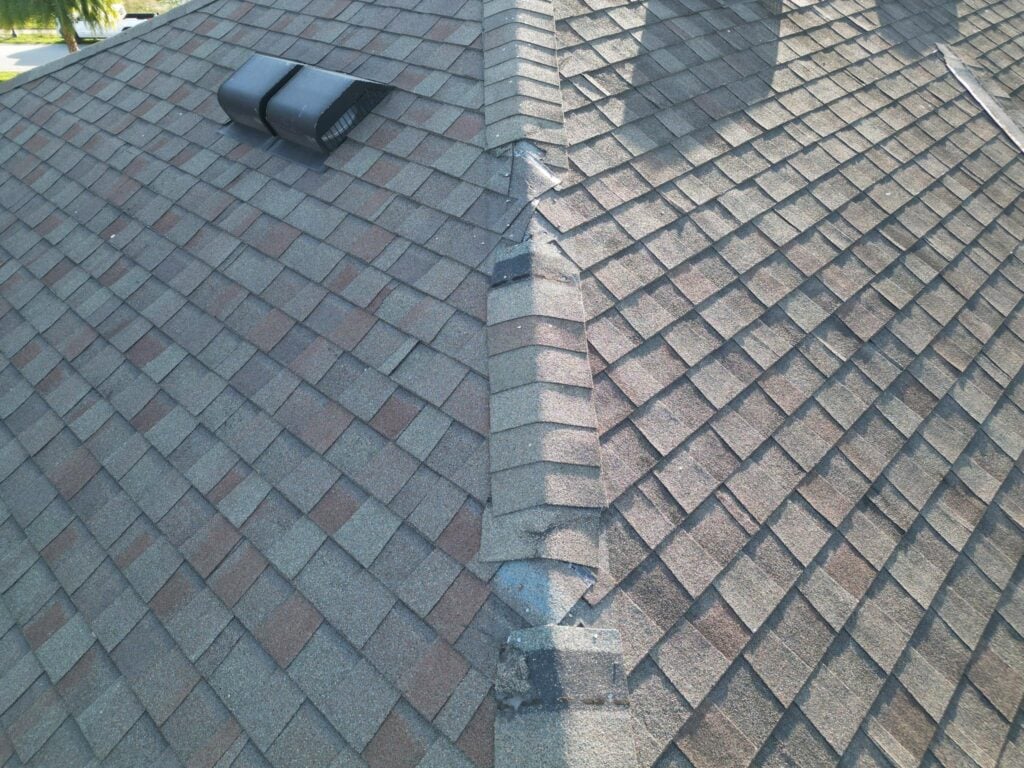
Insurance adjusters evaluate roof damage to determine coverage eligibility and payout amounts. Their goal is to verify that the damage is caused by a covered event rather than age or neglect.
- Storm-related damage: Evidence of high winds, hail, or impact
- Condition of the existing roof: Age, wear, and maintenance history
- Signs of poor installation: May reduce or void coverage
- Extent of damage: Determines repair vs replacement
How to Maximize Your Roof Insurance Claim
Homeowners can take proactive steps to improve the likelihood of receiving fair compensation. According to the Insurance Information Institute, about one in 36 insured homes has a property damage claim related to wind or hail each year — making wind and hail the most common triggers for roof insurance claims, and thorough pre-claim documentation the most important step homeowners can take to avoid delays or reduced payouts.
- Schedule a professional inspection first: Identify all damage before filing
- Provide detailed documentation: Photos, notes, and timelines
- Understand your policy coverage: Know what is included and excluded
- Work with experienced contractors: Ensure accurate estimates
- Stay involved in the process: Follow up with your insurer regularly
Signs Your Roof Damage May Qualify for a Claim
Not all roof damage qualifies for insurance coverage, but certain signs indicate your roof may be eligible.
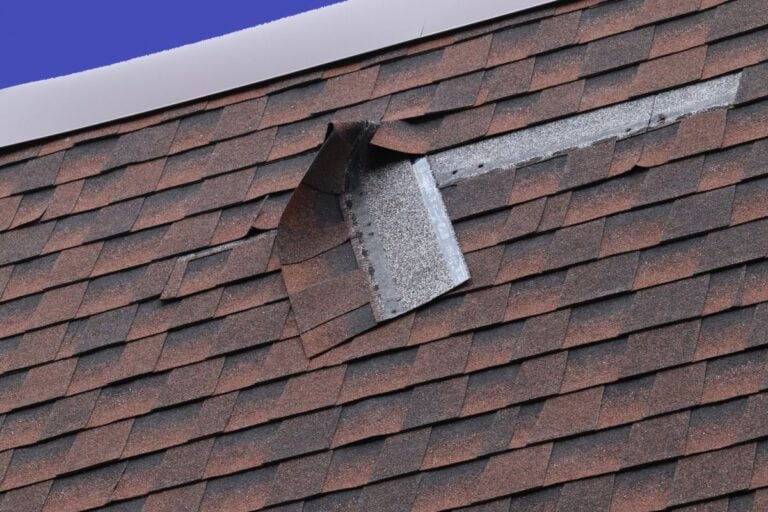
- Missing or lifted shingles after high winds
- Hail impact marks or dents
- Sudden leaks following a storm
- Fallen debris causing visible damage
FAQs About Roof Insurance Claims
Homeowners often have questions about how roof insurance claims work, what’s covered, and how to avoid common mistakes. Understanding these details can help you navigate the claims process more confidently and improve your chances of receiving full coverage.
Will insurance cover roof replacement?
Insurance may cover roof replacement if the damage is caused by a covered event such as hail, high winds, or falling debris. However, most policies do not cover damage caused by normal wear and tear, aging materials, or poor installation. The age and condition of your existing roof will also impact how much coverage you receive.
How long do I have to file a claim?
The timeframe varies by provider, but most policies require homeowners to report damage within a specific window after the event. Waiting too long can result in a denied claim.
Should I call a roofer or insurance company first?
It’s best to start with a professional inspection to properly document all damage before contacting your insurance company.
Can my claim be denied?
Yes, claims can be denied due to lack of documentation, excluded damage, or poor maintenance.
Do I need multiple estimates?
Getting multiple estimates can help ensure fair compensation and provide a clearer understanding of repair costs.
What should I document before filing a claim?
Photos, notes, weather timelines, and maintenance records all help strengthen your claim.
Will my insurance premiums increase after a claim?
It depends on your provider and claim history, but repeated claims may impact your rates.
Protect Your Home With Shingle Masters
Filing a roof insurance claim can be overwhelming, but avoiding common mistakes helps ensure a smoother process and better outcome. Proper documentation, timely action, and professional support are key to getting the coverage you deserve.
Shingle Masters provides expert roof inspections, repairs, and guidance throughout the insurance claim process. Whether you’re dealing with storm damage or preparing to file a claim, our team is here to help.
Reach out today to schedule an inspection and get expert support with your roof insurance claim.