 9 Min Read
 10/20/2026
Your roof doesn’t have to start leaking heavily before replacement becomes worth considering. Many of the signs you need a new roof appear gradually, from worn shingles and recurring repairs to sagging areas and moisture problems inside your home.
Florida roofs also face intense sun, heavy rain, high humidity, and severe storms, which can accelerate wear over time. Knowing what to look for can help you address a deteriorating roof before damage spreads. If your shingles are showing their age, explore shingle roofing options from Shingle Masters.
- Age matters: An older roof deserves closer attention, especially when other warning signs appear.
- Repeated repairs add up: Fixing one problem after another can indicate widespread deterioration.
- Interior clues count: Water stains and moisture can point to roofing problems you can’t see from outside.
- Storm damage matters: Wind and impact damage can shorten the remaining life of an already aging roof.
When Should You Start Thinking About Roof Replacement?
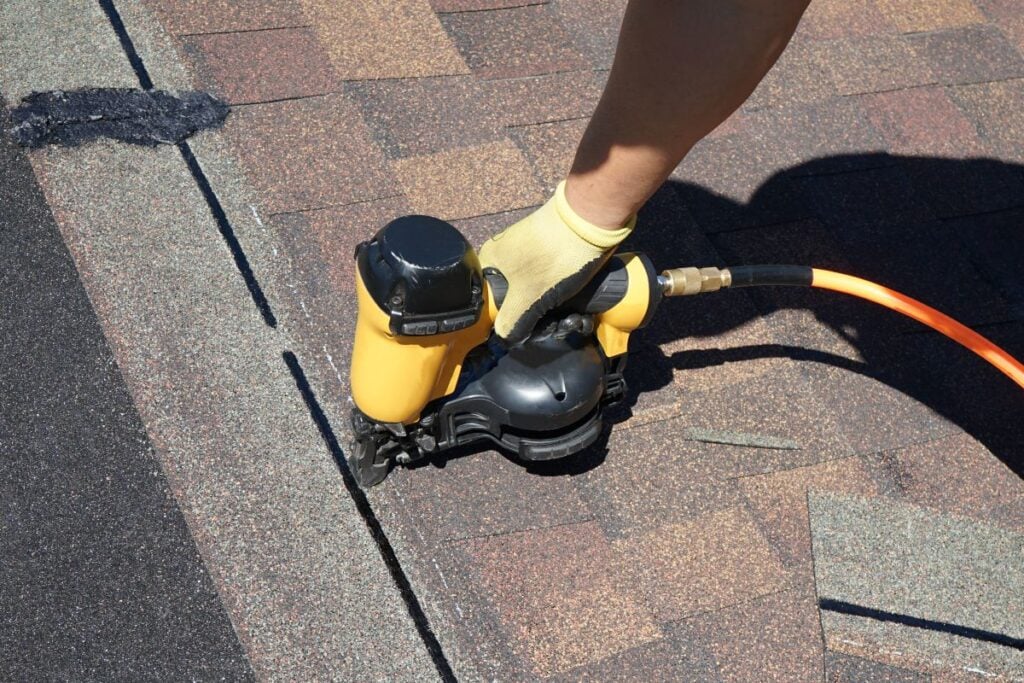
There isn’t one universal age when every roof needs to be replaced. Most asphalt shingle roofs have a lifespan that depends on the shingle type, installation quality, ventilation, maintenance, and exposure to Florida weather.
Instead of relying on age alone, consider the overall condition of the roofing system. An old roof that’s still performing well may not require immediate replacement, while a younger roof with extensive storm damage or installation problems could need significant work sooner.
7 Signs You May Need a New Roof
One damaged shingle doesn’t necessarily mean you need an entirely new roof. The bigger concern is when deterioration appears across multiple areas or when repairs stop solving the underlying problems.
1. Your Shingles Are Curling, Cracking, or Missing
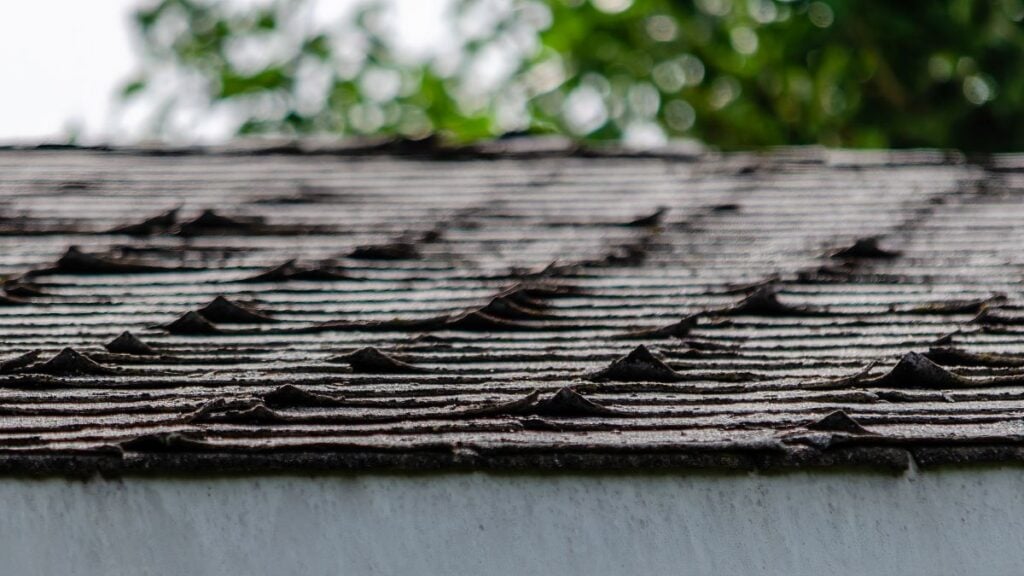
Roof shingles form the exterior layer that helps protect your home from Florida’s weather. As they deteriorate, you may notice cracked shingles, curled edges, broken sections, or completely missing shingles. A few damaged shingles may be repairable, but widespread curling or missing shingles can indicate that the roof is approaching the end of its useful life.
- Curling edges: Aging shingles may begin lifting away from the roof surface.
- Cracked shingles: Heat, weather exposure, and age can contribute to cracking.
- Missing shingles: High winds can expose areas that were previously protected.
- Widespread wear: Similar problems across several roof slopes can point to broader deterioration.
2. You’re Finding Excessive Granules
An asphalt shingle has protective granules covering its surface. Some granule loss is normal, particularly with a newer roof, but excessive loss on an aging roof can be a warning sign. You may notice granules collecting in gutters, asphalt shingles with bare patches, or sections of the roof that appear smoother or discolored.
- Gutter buildup: Large amounts of granules may collect during rainfall.
- Bare areas: Shingles can develop patches where the surface coating has worn away.
- Uneven appearance: Sections of the roof may begin looking noticeably different.
- Older shingles: Granule loss becomes more concerning when combined with other signs of aging.
3. Roof Leaks Keep Coming Back
A single roof leak doesn’t automatically require replacement. Flashing damage, an isolated penetration problem, or a small area of storm damage may be repairable. Recurring leaks in different locations, however, can indicate that deterioration is no longer limited to one section of the roof.
- Repeated repairs: New leaks continue appearing after previous problems are corrected.
- Multiple leak areas: Moisture is entering through more than one part of the roof.
- Water stains: Brown or yellow marks can indicate past or active water intrusion.
- Attic moisture: Damp insulation or roof boards may reveal problems before water reaches your living spaces.
4. The Roof Is Sagging
A roofline should generally appear straight and consistent. Visible dips or sagging areas deserve prompt attention because the issue may extend beyond the roofing material itself. Moisture-damaged roof boards, structural movement, or other underlying problems can contribute to an uneven roof surface.
- Visible dips: Sections of the roofline appear lower than surrounding areas.
- Soft decking: Moisture can weaken portions of the roof deck.
- Attic roof boards: Staining, deterioration, or sagging can indicate a deeper problem.
- Structural concerns: Significant sagging should be evaluated rather than treated as a cosmetic issue.
5. Repairs Are Becoming More Frequent
Roof repair makes sense when damage is isolated and the rest of the roofing system remains in good condition. The calculation can change when you’re repeatedly paying to address leaks, damaged shingles, flashing issues, or other problems.
A roofing professional can help determine whether another targeted repair is reasonable or whether deterioration has become widespread enough to consider replacement.
- Problems keep returning: Repairs provide only temporary relief.
- Damage is widespread: Multiple roof sections need attention.
- Costs are accumulating: Several individual repairs can become a substantial expense.
- The roof is aging: Frequent repairs combined with age may make replacement worth evaluating.
6. Your Roof Has Widespread Storm Damage
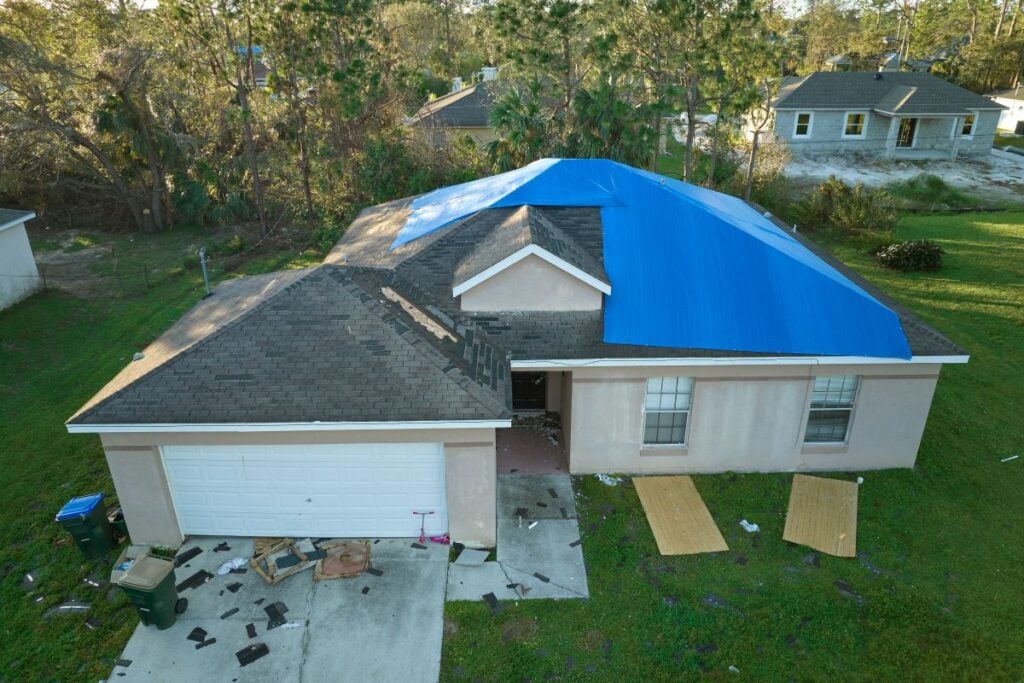
Florida storms can damage shingles through high winds, wind-driven rain, and flying debris. Missing shingles may be obvious from the ground, while lifted shingles, damaged flashing, and other problems can be harder for a homeowner to identify safely.
- Missing materials: Shingles or roofing components may be displaced.
- Lifted shingles: Wind can compromise shingles without removing them completely.
- Impact damage: Debris can damage shingles and other roof components.
- Multiple affected areas: Widespread storm damage may require a different approach than an isolated repair.
7. You’re Seeing Problems Inside Your Home
Some roof problems become noticeable indoors before the full extent of the exterior damage is obvious. Water stains, damp insulation, musty odors, or visible changes to attic roof boards can indicate that moisture is getting through part of the roofing system. These symptoms don’t automatically mean replacement is necessary, but they shouldn’t be ignored.
- Water stains: Brown or yellow marks may appear on ceilings or walls.
- Damp insulation: Wet attic insulation can indicate moisture entering from above.
- Musty odors: Persistent moisture can create damp conditions in attic spaces.
- Damaged boards: Stained or deteriorated wood can reveal previous water exposure.
Is an Old Roof Automatically Ready for Replacement?
No. Age is useful context, but it shouldn’t be the only factor behind a roof replacement decision. The service life of asphalt shingles can vary substantially depending on the product, installation, ventilation, maintenance, and local conditions.
An older roof with intact shingles and no recurring problems may still be functioning as intended. On the other hand, age becomes more significant when it’s accompanied by widespread granule loss, cracked shingles, leaks, storm damage, or repeated repairs.
Roof Repair vs. Replacement: What’s the Difference?
Whether repair or replacement makes sense depends largely on the extent and cause of the problem. A professional roof inspection can help determine whether damage is concentrated in one repairable area or reflects deterioration across the roofing system.
Repair may make sense when:
- Damage is limited to a small area.
- Most of the roof remains in good condition.
- The issue has a clear, repairable cause.
- Only a few damaged shingles need attention.
Replacement may be worth considering when:
- Shingle deterioration is widespread.
- Multiple areas are leaking or damaged.
- Repairs are becoming increasingly frequent.
- The roof has significant storm damage.
- Several warning signs are appearing on an aging roof.
Why Florida Roofs Need Regular Attention
Florida weather puts roofing systems through demanding conditions. Strong sunlight and heat expose shingles to ongoing thermal stress, while heavy rainfall tests flashing, valleys, penetrations, and other water-shedding details. Tropical storms and hurricanes can introduce additional wind and impact damage.
A roof inspection can help uncover developing issues before they’re obvious from inside the house. After severe weather or when an aging roof begins showing visible changes, having a roof inspector evaluate the system can provide a clearer understanding of its condition.
What Should You Do If You Notice These Warning Signs?
Start by documenting what you’ve noticed without putting yourself at risk. Photos taken safely from the ground can help track missing shingles, visible wear, or changes in the roofline, while interior stains can be monitored for changes after rainfall.
A professional roof inspection can then provide a more complete picture of the roofing system. An experienced roofing professional can examine the shingles, flashing, roof deck, penetrations, and other components to determine whether you’re dealing with an isolated repair or broader deterioration that may justify planning for replacement.
FAQs About Signs You Need a New Roof
Roof replacement is a major home project, so it’s reasonable to have questions before deciding whether repairs are still practical or a larger solution should be considered.
Does one roof leak mean I need a new roof?
Not necessarily. One isolated roof leak may be repairable. Recurring leaks, widespread moisture problems, or leaks combined with significant roof deterioration can make a full replacement more relevant to consider.
Are missing shingles a sign I need a new roof?
A few missing shingles don’t automatically mean the whole roof needs replacement. The extent of the damage, roof age, condition of surrounding shingles, and reason the shingles came loose all matter.
What does a failing shingle roof look like?
Common warning signs can include curling or cracked shingles, widespread granule loss, missing shingles, exposed areas, recurring leaks, and sections of the roof that appear uneven or sagging.
Should I replace my roof after a storm?
Storm exposure alone doesn’t mean replacement is necessary. A roof inspection can help determine the type and extent of damage. Some problems can be repaired, while widespread damage may require a more extensive solution.
How do I know whether to repair or replace my roof?
The decision usually comes down to the roof’s overall condition, age, extent of damage, history of repairs, and whether problems are isolated or widespread. A professional roof inspection can provide a clearer picture of what’s happening across the entire roofing system.
Know Where Your Roof Stands With Shingle Masters
Roof problems rarely improve on their own. Catching deteriorated shingles, recurring leaks, storm damage, or moisture issues early can give you more time to understand your options before the problem becomes more extensive.
Shingle Masters can inspect your roofing system and help you understand its current condition and available next steps. You’ll know our service fee up front, with no hidden costs and no surprise charges, because trust begins with telling you the truth.
Schedule an inspection today with Shingle Masters to get a clearer picture of your roof’s condition and what it may need next.