 7 Min Read
 08/06/2026
Choosing between a clay tile vs concrete tile roof comes down to durability, cost, appearance, and long-term performance. Both clay and concrete tiles are popular for homeowners looking for a strong, weather-resistant roofing system, but they offer different benefits depending on your priorities. If you’re considering upgrading your roof, working with a professional tile roofing service can help you compare materials and determine the best fit for your home.
Tile roofs are especially common in warm climates and coastal areas because of their ability to withstand heat, moisture, and harsh weather conditions. Whether you’re comparing a clay tile roof or concrete tile roofs, understanding their differences helps you make a more informed decision.
- Material differences: How clay and concrete tiles compare
- Performance factors: Durability, weight, and lifespan
- Cost comparison: Upfront vs long-term value
- Best use cases: Which tile works for your home
What Is a Clay Tile Roof?
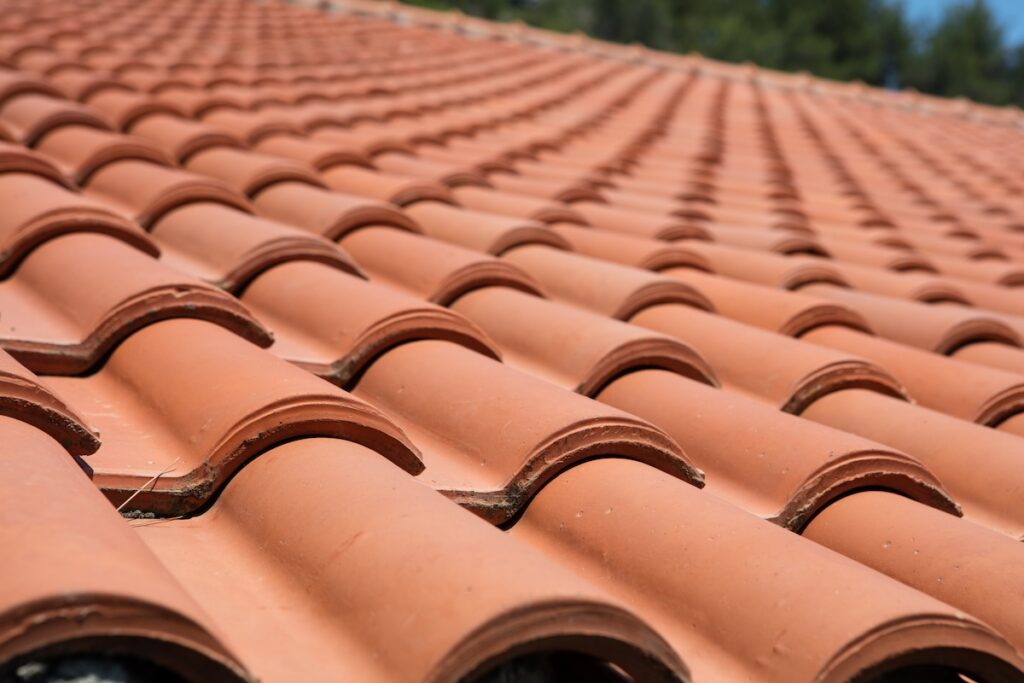
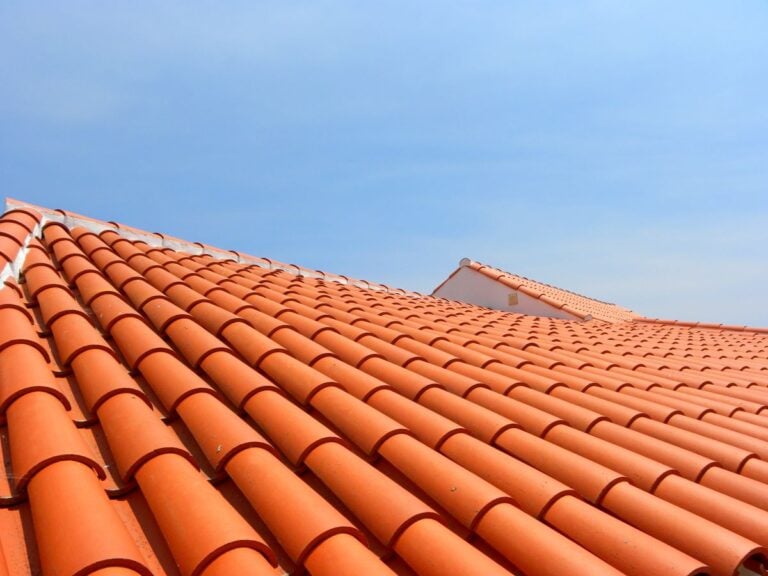
A clay tile roof is made from natural clay that is molded and fired at high temperatures. This process creates a dense, durable roofing material that has been used for centuries and remains a premium choice today.
Clay roof tiles are known for their longevity and resistance to fading, making them ideal for homeowners who want long-term performance. Because they are made from natural clay, they offer a distinct, high-end appearance that works well with traditional architectural styles.
- Natural clay material: Durable and time-tested
- Long lifespan: Can last 50–100+ years
- Color retention: Resistant to fading and UV damage
- Lighter than concrete: Less stress on roof structure
What Is a Concrete Tile Roof?
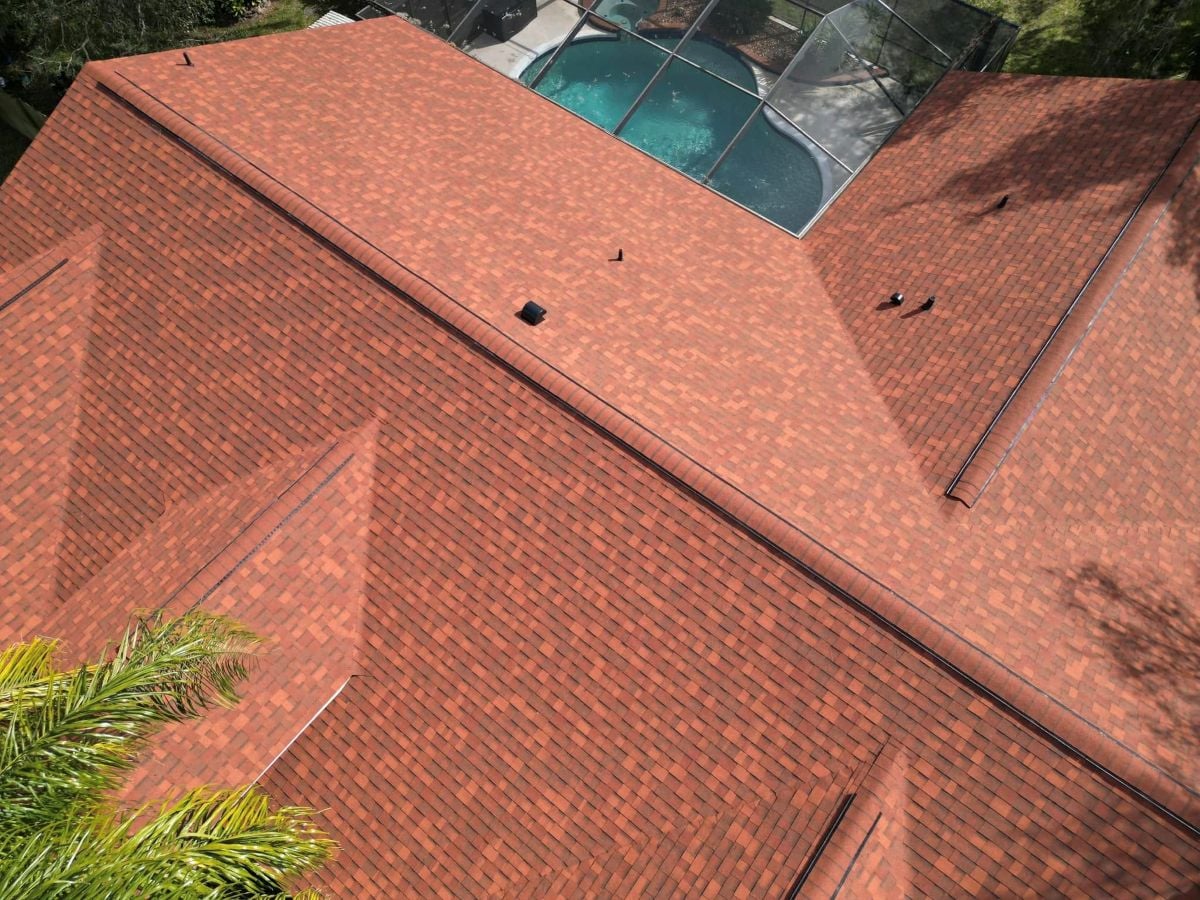
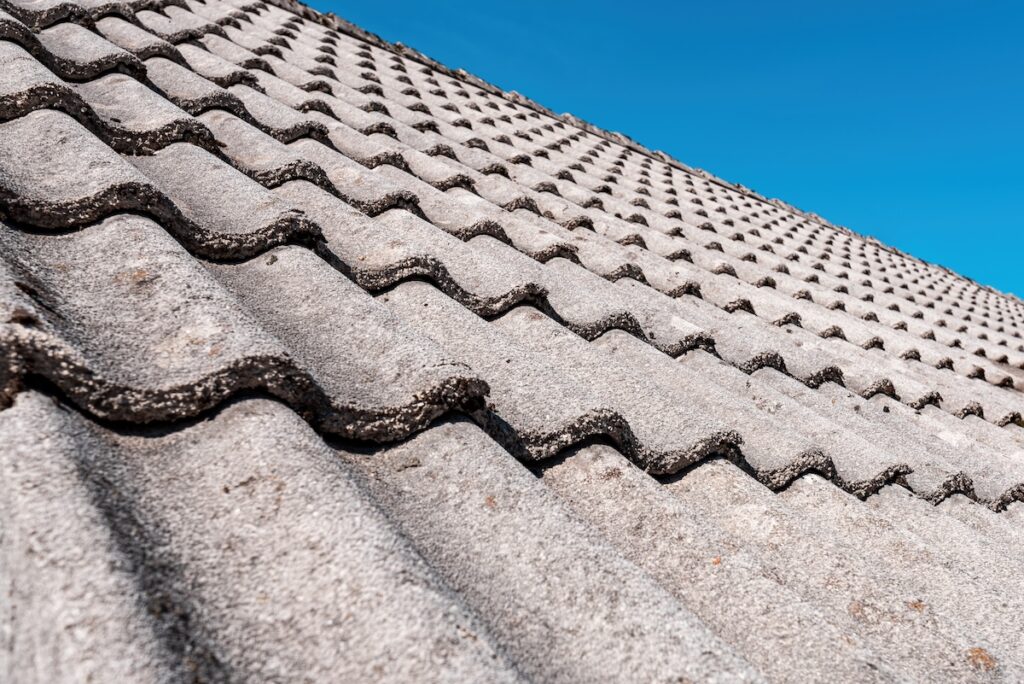
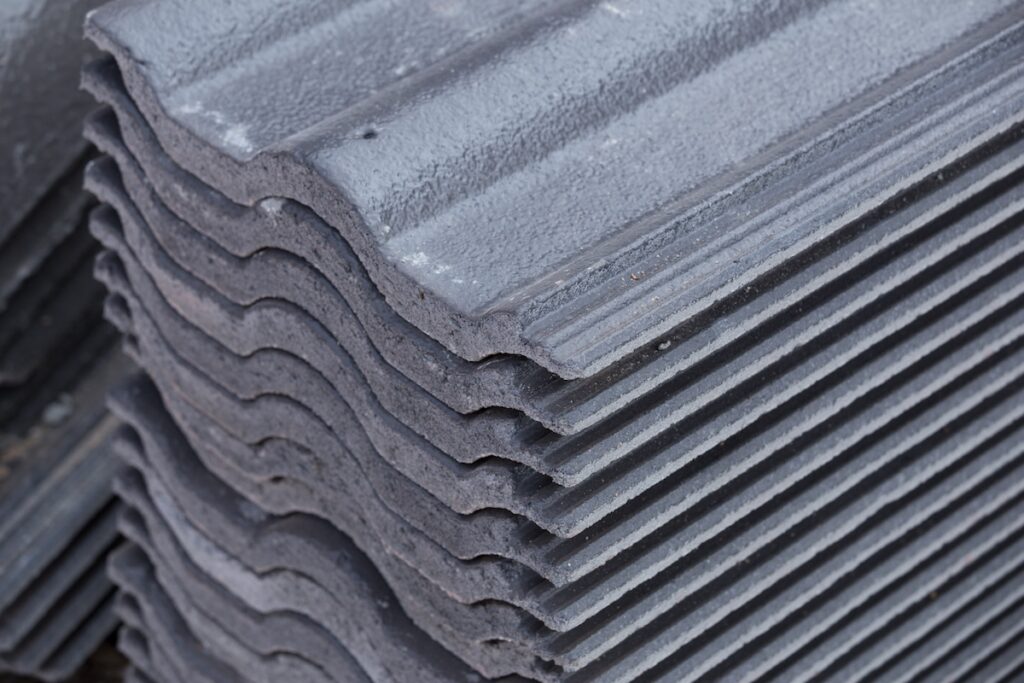
Concrete tile roofs are manufactured using cement, sand, and water to create a strong and versatile roofing material. These concrete roof tiles are designed to replicate the look of clay tiles while offering more affordability.
Concrete tiles are widely used because they provide flexibility in design and can be produced in a variety of shapes, colors, and finishes, including painted concrete tiles for enhanced aesthetics.
- Engineered durability: Strong and impact-resistant
- Design flexibility: Available in multiple styles
- Lower upfront cost: More budget-friendly than clay
- Heavier material: Requires a reinforced roof structure
7 Key Differences Between Clay Tile vs Concrete Tile Roof
When comparing clay vs concrete roof options, it’s important to evaluate performance, weight, and long-term value. Clay and concrete tiles may look similar, but they behave differently over time. Understanding these differences helps homeowners choose the right roofing system.
1. Material Composition
The difference between clay roof tiles and concrete roof tiles starts with their core materials. This affects durability, sustainability, and how each material ages over time. Natural vs manufactured materials also influence long-term performance.
- Clay tiles: Made from natural clay and kiln-fired
- Concrete tiles: Made from cement, sand, and water
2. Weight and Structural Impact
Weight is a major factor when comparing concrete tiles weight to clay alternatives. Both options are heavier than asphalt shingles, but concrete tiles place more stress on the roof structure. This can impact installation and reinforcement needs.
- Clay tiles: Heavy but lighter than concrete
- Concrete tiles: Heavier and may require structural upgrades
3. Lifespan and Durability
Lifespan is one of the biggest advantages of tile roofing, but there is a clear difference between materials. Clay tile roofs tend to last longer due to their resistance to moisture and environmental wear. Concrete tile roofs are durable but may degrade faster.
- Clay tile roof: Can last 50–100+ years
- Concrete tile roofs: Typically last 30–50 years
4. Cost Comparison
Cost plays a major role when comparing clay vs concrete roofing options. Concrete tile installation is generally more affordable upfront, making it attractive for budget-conscious homeowners. Clay is more expensive but offers long-term value.
- Clay tiles: Higher initial investment
- Concrete tiles: Lower upfront cost
5. Appearance and Style Options
Both materials offer strong curb appeal, but there are differences in style and flexibility. Clay tiles provide a traditional, high-end look, while concrete tiles offer more customization options, including painted concrete tiles.
- Clay tiles: Classic and natural appearance
- Concrete tiles: Wider range of colors and styles
6. Maintenance and Performance
Maintenance needs vary depending on how each material responds to moisture and environmental conditions. Concrete tiles hold more moisture than clay, which can lead to additional upkeep over time. Clay tends to perform better in long-term conditions.
- Clay tiles: Lower maintenance overall
- Concrete tiles hold more moisture: May require more upkeep
7. Roof Structure Requirements
The weight of tile roofing systems directly impacts the roof structure of your home. Not all homes are designed to support heavy materials like concrete and clay tiles, so structural evaluation is important before installation.
- Clay tiles: Still heavy but less demanding
- Concrete tiles: Greater load on roof structure
Durability and Lifespan Comparison
Durability is one of the main reasons homeowners choose tile roofing over other materials. Both clay tile roofs and concrete tile roofs perform well in extreme weather conditions, including heat, wind, and rain.
Clay tiles generally last longer because they are less porous and more resistant to environmental damage. Concrete tiles, while strong, may absorb moisture and experience surface wear over time.
Choosing between concrete and clay tiles often comes down to how long you plan to stay in your home and the level of durability you need.
Cost vs Long-Term Value
When evaluating clay vs concrete roofing, it’s important to consider both upfront costs and long-term value. Concrete tile installation is more affordable initially, but clay tile roofs often provide better return on investment over time.
Because clay tiles last longer and require less maintenance, they may reduce long-term repair and replacement costs. Concrete tiles remain a solid option for homeowners seeking a balance between cost and durability.
Best Option for Your Home
The best choice between clay vs concrete roof options depends on your budget, home structure, and long-term goals. Both materials offer strong performance, but each has its ideal use case.
Clay tiles are best for homeowners looking for maximum longevity and a premium look. Concrete tiles are better suited for those who want flexibility, affordability, and a wide range of design options.
FAQs About Clay Tile vs Concrete Tile Roof
Choosing between clay and concrete tiles can feel overwhelming, especially when balancing cost, durability, and installation requirements. These common questions help clarify the decision.
Is a clay tile roof better than a concrete tile roof?
Clay tile roofs typically last longer and require less maintenance over time. However, concrete tile roofs are more affordable and still offer strong durability for many homes.
How much do concrete tiles weigh compared to clay?
Concrete tiles weigh more than clay tiles, which means they place more stress on the roof structure. This is an important factor when planning installation.
Are painted concrete tiles a good option?
Yes, painted concrete tiles provide added design flexibility and can enhance curb appeal. However, they may require maintenance over time to maintain their appearance.
Which option is more cost-effective?
Concrete tiles are more cost-effective upfront, while clay tiles often provide better long-term value due to their longer lifespan.
Do clay and concrete tiles require structural support?
Yes, both materials are heavy and require a strong roof structure. Concrete tiles, in particular, may need additional reinforcement.
Upgrade Your Roof With Shingle Masters
Choosing between a clay tile vs concrete tile roof is an important decision that affects your home’s durability, appearance, and value. Understanding the differences helps you make a more confident investment.
Shingle Masters provides expert tile roofing services, inspections, and guidance to help homeowners select the right material for their needs.
Reach out today to schedule a consultation and explore your tile roofing options.