 9 Min Read
 10/27/2026
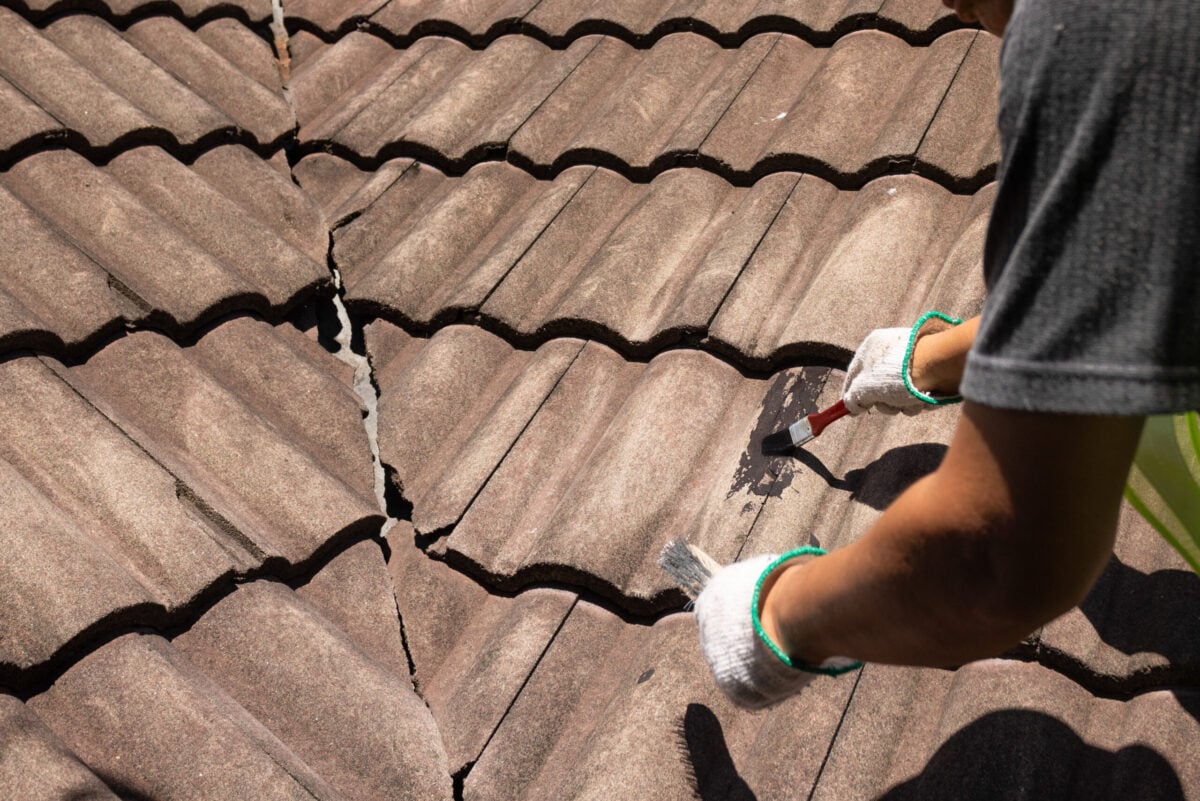
Florida tile roofs are built to handle demanding weather, but years of sun, rain, humidity, and organic growth can leave homeowners wondering whether a coating could provide additional protection. A tile roof coating can be useful in certain situations, but it isn’t something every tile roof automatically needs.
The condition of the tiles, underlayment, roof substrates, flashing, and overall roofing system should be considered before applying any coating. A coating also shouldn’t be treated as a shortcut for repairing significant roof damage. If you’re unsure what your tile roof needs, explore our tile roofing services at Shingle Masters.
- Condition comes first: Cracked tiles, leaks, and underlying damage should be evaluated before coating.
- Coatings serve a purpose: Certain products can help protect the tile surface and improve reflectivity.
- They aren’t a new roof: A coating doesn’t replace damaged underlayment or structural components.
- Product compatibility matters: Concrete roof tiles and clay tile roofs may have different coating requirements.
What Is a Tile Roof Coating?
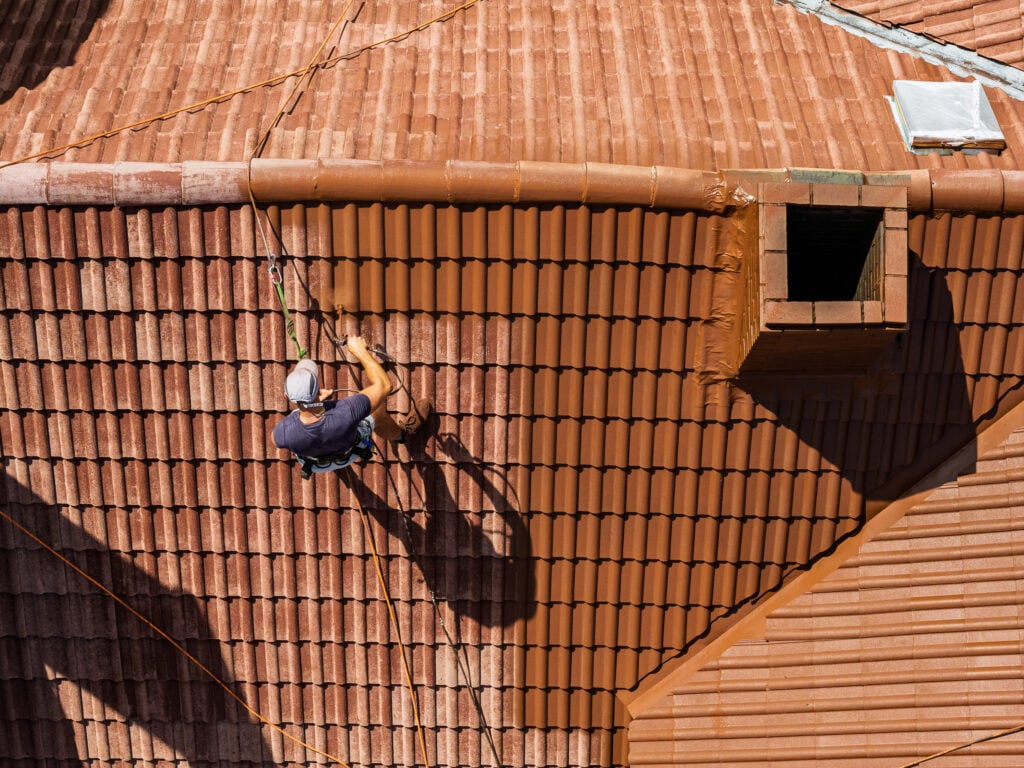
A tile roof coating is a protective material applied over the existing roof surface. Depending on the product, coatings may help protect tiles from weather exposure, create a more uniform appearance, or increase the roof surface’s reflectivity.
Coatings shouldn’t be confused with the waterproofing components beneath the tiles. On many tile roofing systems, the underlayment beneath the tile plays an important role in managing water that gets past the outer surface. Coating the tiles doesn’t eliminate the need for a functioning roofing system underneath.
6 Things to Know Before Coating a Tile Roof
Before deciding whether a roof coating makes sense, homeowners should understand what coatings can accomplish—and what they can’t. The existing roof condition should guide the decision rather than applying a coating simply because the tiles are older.
1. A Coating Can Help Protect the Tile Surface
A compatible coating can add another layer of protection to the exposed surface of certain roof tiles. Florida roofs receive intense UV exposure throughout the year, along with heavy rain and humid conditions that continually weather exterior materials.
- UV exposure: Coatings may help protect the surface from prolonged sunlight.
- Rain exposure: A properly applied coating provides another exterior layer over the tiles.
- Surface wear: Coating may help protect tiles that remain structurally sound.
- Appearance: Certain products can refresh a roof with faded or uneven coloring.
The coating needs to be compatible with the tile material and existing roof condition. Products designed for other masonry surfaces, such as concrete pavers or natural stone, shouldn’t be assumed to be suitable for roof tiles.
2. Reflective Coatings May Help With Heat
Florida roofs spend long periods exposed to direct sunlight. Some lighter-colored or reflective roof coatings are designed to reflect more solar energy instead of allowing as much of it to be absorbed at the roof surface.
That doesn’t mean coating a tile roof will automatically produce a dramatic reduction in cooling bills. Attic insulation, ventilation, roof color, home design, HVAC efficiency, and other factors also influence indoor temperatures and energy use.
3. The Roof Needs to Be in Suitable Condition First
A coating performs best when it’s applied to an appropriate, properly prepared surface. Coating over damaged tiles, active leaks, deteriorated flashing, or compromised roof substrates can hide symptoms without addressing their cause.
Before coating, the roof may need:
- Broken tile replacement: Cracked or missing tiles should be addressed.
- Leak repairs: The source of active water intrusion needs to be identified.
- Flashing repairs: Problem areas around walls and penetrations require attention.
- Cleaning: Dirt, algae, and other contaminants can interfere with adhesion.
- Surface preparation: The roof should meet the coating manufacturer’s requirements.
4. Coating Won’t Fix Failed Underlayment
This is one of the most important limitations to understand. Tile is the visible portion of the roof, but the components underneath it also help protect the home from water.
If the underlayment has deteriorated extensively, applying a coating to the tile surface doesn’t restore that underlying layer. The same principle applies to damaged roof decking and other concealed problems.
That’s why an inspection should come before deciding that coating is the answer to an aging or leaking tile roof.
5. Coating Can Refresh an Aging Roof’s Appearance
Florida’s sun, rain, and humidity can change the appearance of concrete roof tiles and clay tiles over time. Fading, staining, and organic growth may leave an otherwise serviceable roof looking considerably older.
A compatible coating can sometimes provide a more consistent finish after the roof has been properly cleaned and prepared. However, appearance alone shouldn’t determine whether coating is appropriate. The roof still needs to be in suitable condition underneath the refreshed surface.
6. Application Quality Makes a Difference
Roof coating isn’t simply a matter of rolling paint over the tiles. Cleaning, repairs, surface preparation, application thickness, weather conditions, curing, and compatibility can all affect the finished result and ultimately influence roof life.
Tile profiles can also make application more challenging because the roof isn’t a completely flat surface. Valleys, ridges, penetrations, flashing, and transitions require careful attention rather than simply covering everything with coating.
When Does a Tile Roof Coating Make Sense?
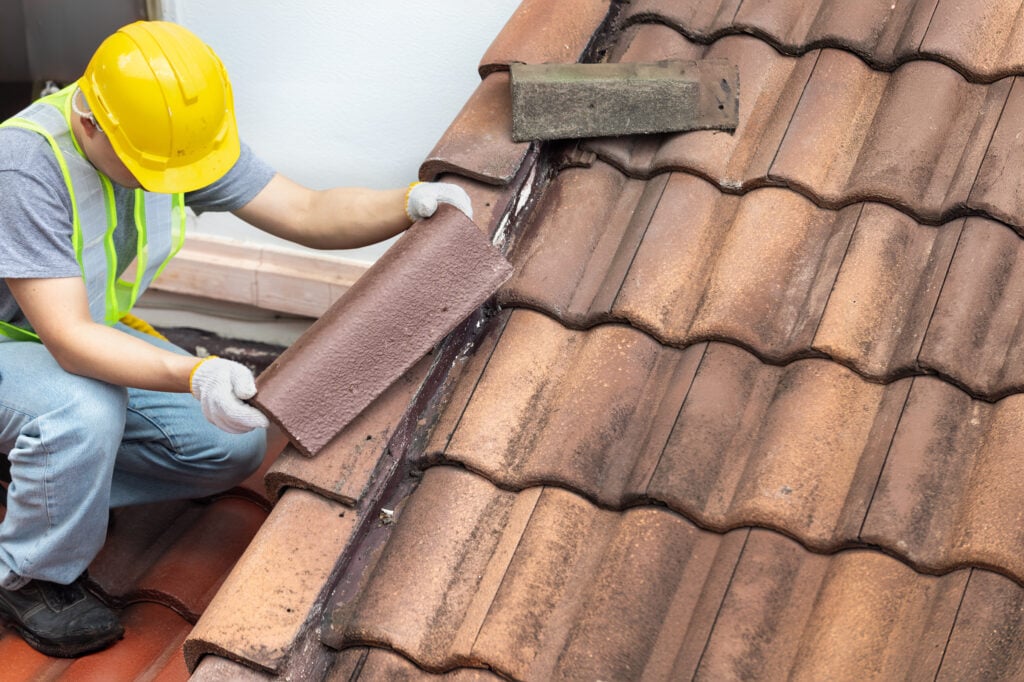
A coating may be worth considering when the existing tile roofing system remains in serviceable condition but the homeowner wants additional surface protection, reflectivity, or a refreshed appearance.
Potential situations include:
- The tiles are structurally sound but noticeably weathered.
- The roof has been inspected and major problems have been addressed.
- The selected coating is compatible with the existing tile.
- Improved surface reflectivity is a priority.
- The homeowner wants to refresh faded tile without replacing a functional roof solely for appearance.
An inspection can help separate cosmetic surface aging from problems that require actual roofing repairs.
When Should You Avoid Coating a Tile Roof?
A coating shouldn’t be used to cover problems that require a different solution. If the roofing system is already failing, adding another surface layer may not address what’s allowing water into the home.
Coating may not be the appropriate solution when:
- Numerous tiles are cracked, broken, or loose.
- The roof has recurring or widespread leaks.
- Underlayment has significantly deteriorated.
- Roof decking has moisture or structural damage.
- Flashing requires extensive repairs.
- The roof needs substantial restoration before a coating could be applied.
In those situations, repairs or a more extensive roofing project may need to come first.
Does Roof Coating Stop Tile Roof Leaks?
Homeowners should be cautious about viewing coating as a universal leak repair. A leak can originate around flashing, valleys, penetrations, damaged underlayment, broken tiles, or other parts of the roof assembly.
Covering the surface doesn’t necessarily address those underlying failure points. Finding the source of the leak first makes it possible to determine whether repair, coating, or a larger roofing project is appropriate.
Does a Coating Make Roof Tiles Waterproof?
Roof coatings can add surface protection, but a tile roofing system shouldn’t depend entirely on a coating for waterproofing. Tile roofs are assemblies made up of several components that work together to manage water.
Tiles shed much of the rainwater, while properly installed underlayment and flashing provide additional protection underneath and around vulnerable areas. Maintaining those components remains important whether the visible tiles are coated or not.
What About Cleaning a Tile Roof Before Coating?
Surface preparation is an important part of coating performance. Florida tile roofs can accumulate dirt, algae, mildew, and other organic material that prevents a coating from bonding properly.
Cleaning methods need to be appropriate for the roofing material. Aggressive treatment can potentially damage concrete or clay tiles and other roof components, so preparation should follow the requirements of both the roofing and coating systems.
Once clean, the roof should also be evaluated for damage that may have been difficult to see beneath staining or organic growth.
Can Every Type of Roof Be Coated the Same Way?
No. Tile roofs have different materials, profiles, and installation methods than shingle roofs, metal roofs, and low-slope membrane systems. Even within the tile category, clay tile roofs and concrete roof tiles can have different surface characteristics.
A coating designed for one roofing material shouldn’t automatically be applied to another. Product compatibility, roof condition, manufacturer requirements, and the existing surface all need to be considered before coating begins.
Tile Roof Coating vs. Roof Replacement
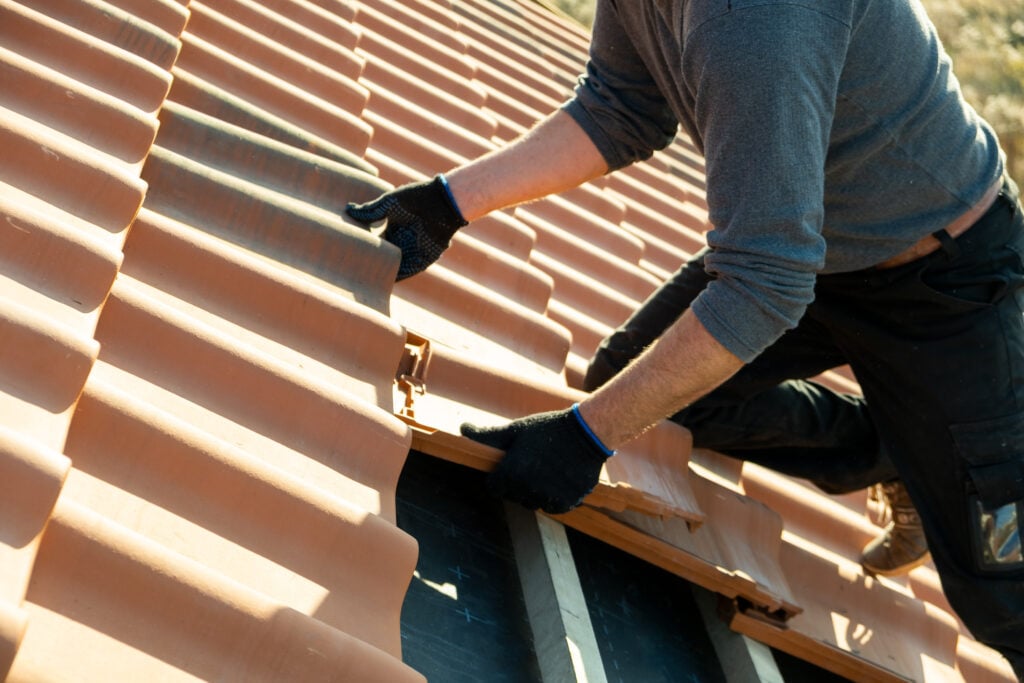
Coating and replacement are fundamentally different projects. A coating works with the existing roof, while replacement addresses roofing components that have reached the point where continued repair or restoration isn’t practical.
A coating may make sense when the roof is fundamentally sound and the objective is surface protection or appearance. Replacement may become more relevant when deterioration extends beyond the tile surface into the underlayment, decking, flashing, or multiple areas of the roofing system.
The decision should be based on the roof’s actual condition rather than its appearance from the ground.
FAQs About Tile Roof Coating
Understanding the limitations of roof coatings is just as important as understanding their potential benefits.
Can you coat a concrete tile roof?
Certain coatings are designed for compatible concrete roof tiles. The roof needs to be properly evaluated, repaired, cleaned, and prepared before application, and the selected product should be approved for the specific tile.
Can clay tile roofs be coated?
Some coating products may be compatible with particular clay tiles, while others may not be appropriate. Tile type, surface condition, manufacturer requirements, and coating compatibility should be verified before application.
Will coating a tile roof make it last longer?
A compatible coating may provide additional surface protection, but it can’t guarantee a specific extension of roof life. Underlayment condition, flashing, installation, drainage, weather exposure, maintenance, and existing damage also influence longevity.
Is roof coating the same product used on concrete pavers?
Not necessarily. Concrete pavers and roof tiles serve very different purposes and can require different coating products. A coating should be specifically compatible with the roofing material and intended application.
How do I know if my tile roof needs coating?
Fading or surface weathering alone doesn’t necessarily mean coating is required. An inspection can help determine whether the roof is fundamentally sound and whether coating would provide a useful benefit.
Take Care of Your Tile Roof With Shingle Masters
A roof coating can be useful for certain tile roofs, but it isn’t a cure-all for an aging roofing system. The condition of the tiles, underlayment, flashing, roof deck, and other components should determine whether coating, repair, or another approach makes sense.
Shingle Masters can inspect your tile roof and help identify what the roofing system actually needs. You’ll know our service fee up front, with no hidden costs and no surprise charges, because trust begins with telling you the truth.
Schedule an inspection with Shingle Masters today to get a clearer picture of your tile roof’s condition.