 7 Min Read
 05/27/2026
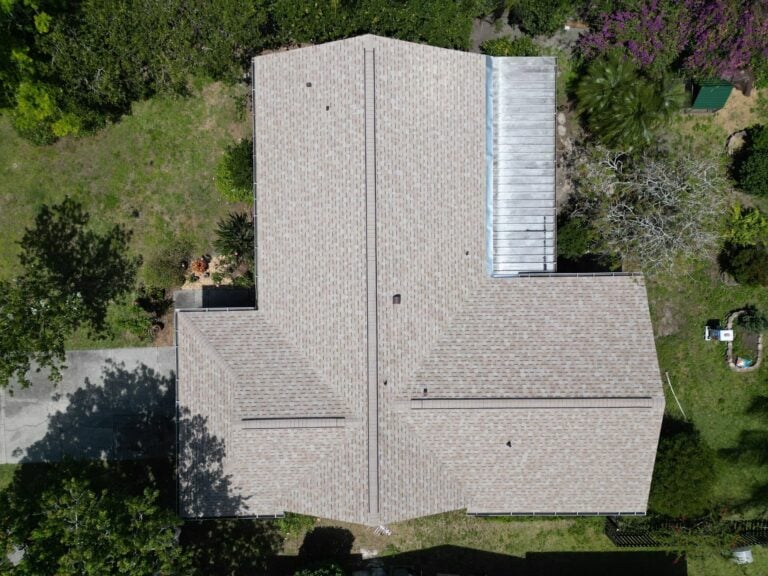
Flat roof replacement is sometimes more than just installing new materials. In many cases, homeowners choose to convert a flat roof into a pitched roof to improve drainage, durability, and overall performance. Homeowners in Carrollwood and throughout the Tampa Bay area dealing with aging flat roofing systems or planning a full upgrade will find that this type of roofing project can offer long term benefits for both structure and value.
In this guide, we will explain how the conversion process works and what to expect.
- Conversion process: How a flat roof becomes a pitched roof
- Benefits: Why homeowners make the switch
- Cost factors: What impacts pricing
- Key considerations: What to know before starting
Why Convert a Flat Roof Into a Pitched Roof?
Flat roofs are common on residential properties and commercial buildings, but they can present challenges over time. According to the National Roofing Contractors Association, ponding water on low-slope roofs is more probable in valleys and upslope from curbs, chimneys, and penetrations — making drainage one of the most persistent challenges of flat roofing systems and a leading reason homeowners choose to convert to a pitched design.
Many of these issues are tied to common flat roof materials such as PVC membrane systems or other flat roofing systems that can wear down over time. A pitched roof improves water runoff and reduces the risk of long term damage.
- Improved drainage: Reduces standing water issues
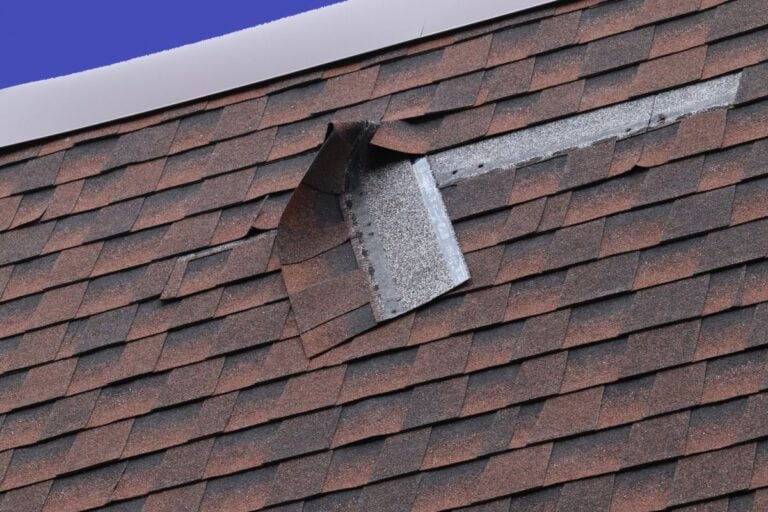
- Fewer leaks: Minimizes water intrusion risk
- Better durability: Extends roof lifespan
- Enhanced appearance: Upgrades home design
Flat Roof Replacement vs Conversion
Not all flat roof projects require a full structural conversion. Some homeowners may only need a replacement using updated materials, while others benefit from switching to a pitched design.
A flat roof replacement typically involves installing new flat roof materials while maintaining the existing structure. A conversion, on the other hand, requires reframing the roof to create slope and improve water flow.
- Flat roof replacement: Keeps the same structure with new materials
- Pitched roof conversion: Changes the roof slope and structure
- Partial upgrades: Adds slope without full redesign
- Long term value: Conversion often improves performance
Understanding the difference helps determine the best solution for your home.
6 Steps to Convert a Flat Roof Into a Pitched Roof
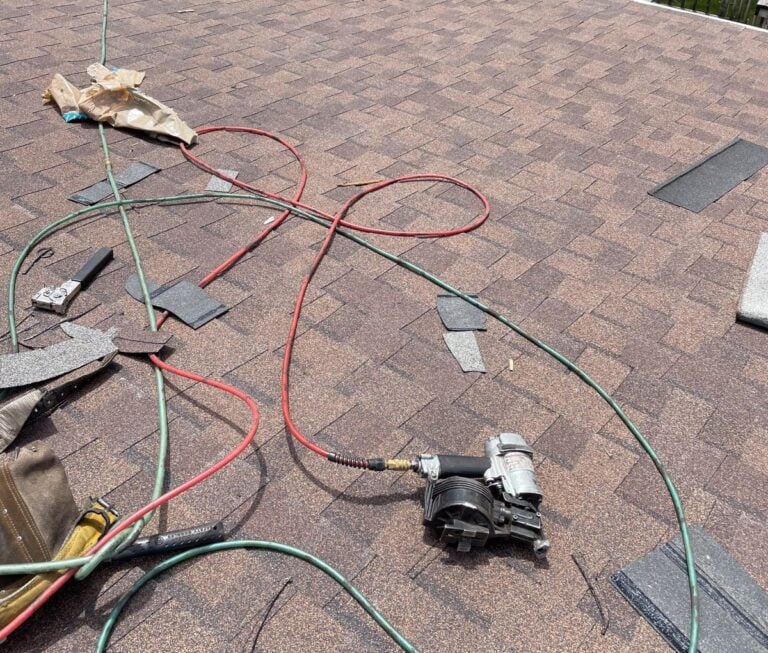
Converting a flat roof into a pitched roof involves structural changes and careful planning. This process often builds on an existing flat roof installation and should always be handled by experienced professionals to ensure safety and proper results.
1. Structural Evaluation and Planning
The process begins with assessing the existing roof and structure. Contractors evaluate load capacity, framing, and square footage to determine how the new pitched roof will be supported and designed.
2. Framing the New Roof Structure
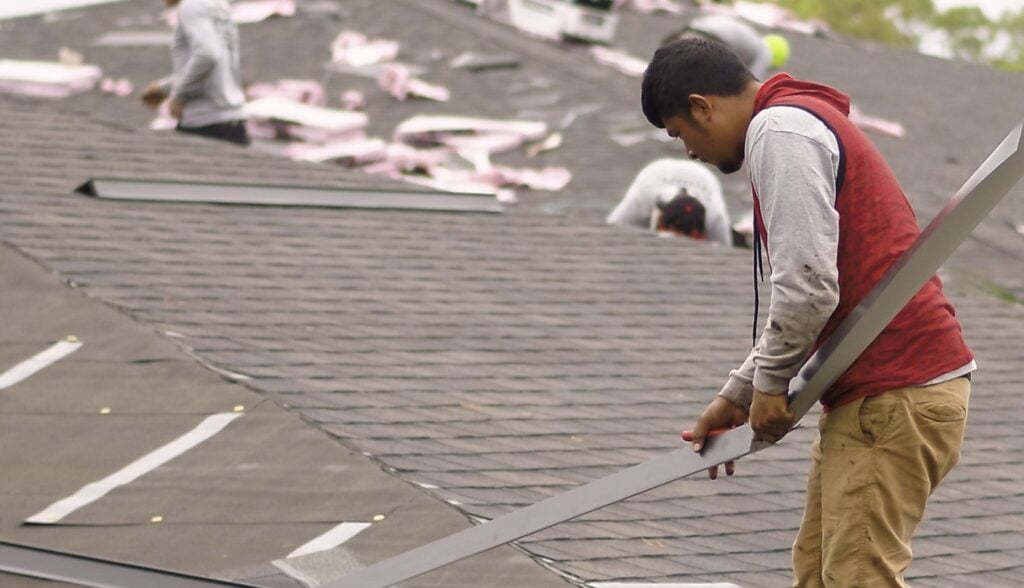
New rafters or trusses are installed to create the desired slope. This step forms the foundation of the pitched roof and defines its shape and pitch.
3. Installing Roof Decking
Once the frame is complete, roof decking is added to create a solid base for roofing materials. This layer supports the outer roofing system.
4. Adding Underlayment and Waterproofing
Underlayment is installed to provide a moisture barrier. Our guide on roof underlayment explains the different types available and how each one contributes to long-term performance. Proper waterproofing is essential to protect against leaks and ensure long term durability.
5. Installing Roofing Materials
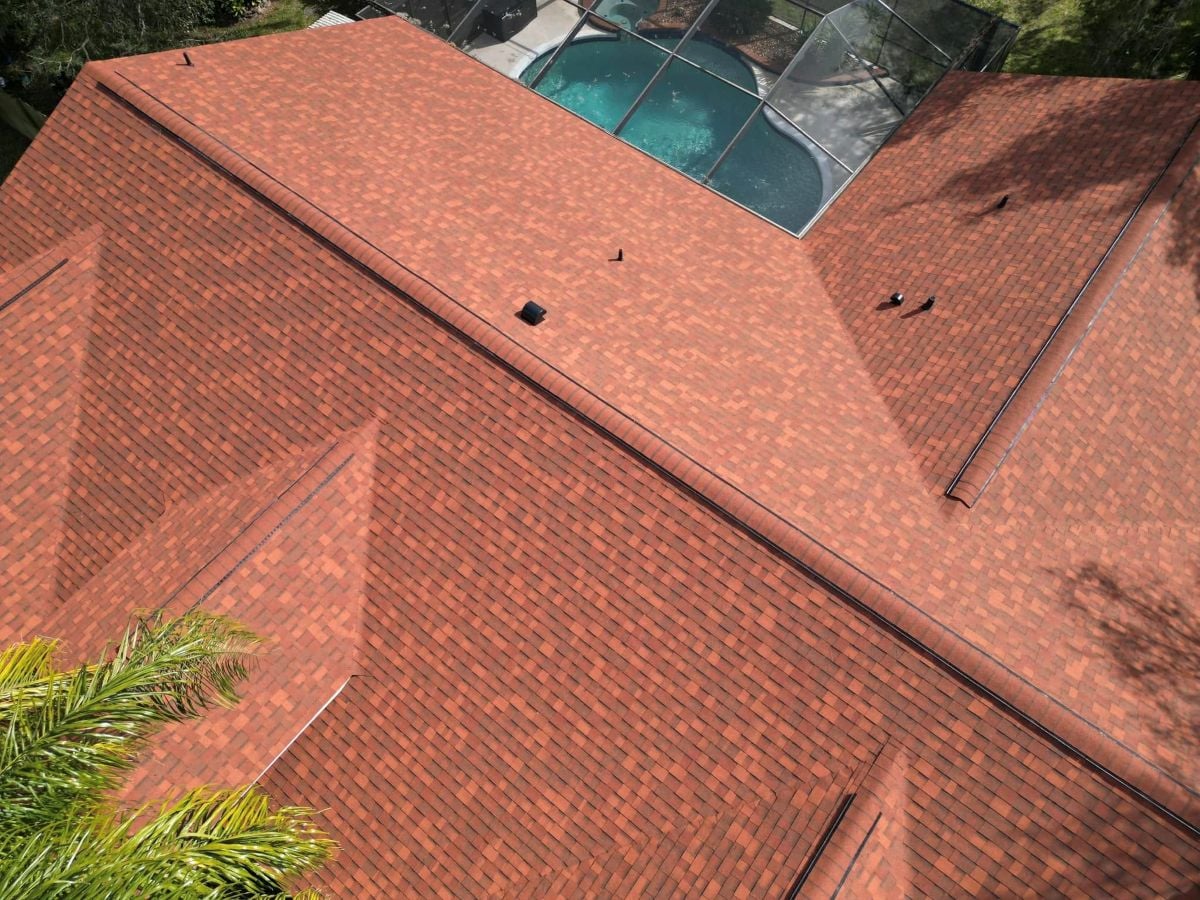
The final roofing materials, including different roofing materials like asphalt shingles or metal, are installed. These materials provide the primary protection and define the appearance of the roof.
6. Final Inspection and Finishing Touches
The completed roof is inspected to ensure structural integrity and proper installation. Final checks help confirm performance and long term reliability.
Benefits of Converting to a Pitched Roof
Switching from a flat roof to a pitched roof offers several long term advantages. These benefits often make the investment worthwhile for homeowners.
- Improved water runoff: Prevents pooling and leaks
- Lower maintenance: Reduces ongoing flat roof repair needs
- Increased lifespan: More durable roofing system
- Better insulation: Helps regulate indoor temperatures
These improvements contribute to a more reliable roofing system.
Flat Roof Maintenance Tips
Regular inspections and maintenance of flat roofs are essential to extend their reliability and longevity, with a basic inspection recommended annually and after severe storms. Scheduling a professional roof inspection is the best way to catch issues early and plan for repairs or replacement. Common issues with flat roofs include water pooling, leakage, and resulting rot or damage, often due to poor installation or maintenance.
- Remove debris: Prevent buildup that traps moisture
- Check for pooling water: Address drainage issues early
- Inspect seams and edges: Look for cracks or separation
- Schedule annual inspections: Identify problems before they worsen
Homeowners should inspect their flat roofs for debris, check the integrity of flashings, and look for any damage to the roof membrane to prevent leaks and further deterioration.
Cost Factors for Flat Roof Replacement and Conversion
The cost of converting a flat roof into a pitched roof can vary depending on several factors. Because this is a structural change, it is typically more expensive than a standard replacement. Roof replacement costs are influenced by materials, labor, and the overall complexity of the project.
| Cost Factor | Impact on Price |
| Roof size | Larger square footage increases cost |
| Structural changes | Framing increases cost |
| Material choice | Premium materials raise pricing |
| Labor complexity | More detailed work increases cost |
Understanding these factors helps homeowners plan their budget more effectively.
Is a Pitched Roof Right for Your Home?
While pitched roofs offer many advantages, they may not be the best option for every home. Factors like building design, budget, and local regulations should be considered before making a decision.
A professional roofing contractor can evaluate your property and recommend the most suitable approach based on your needs and goals.
Choosing a Roofing Contractor
Selecting the right contractor is critical for a successful flat roof replacement or conversion. The quality of roofing services directly impacts the performance and lifespan of your new roof.
- Experience with conversions: Look for contractors familiar with structural roof changes
- Licensed and insured: Verify their insurance coverage and ensure they have the necessary licenses to operate in your area.
- Clear estimates: It is advisable to obtain multiple quotes from different contractors to compare pricing and services before making a decision on a roofing contractor.
- Strong reputation: Check references and read online reviews to gauge the quality of work and customer service provided by potential roofing contractors.
Working with a qualified contractor helps ensure your project is completed safely and correctly.
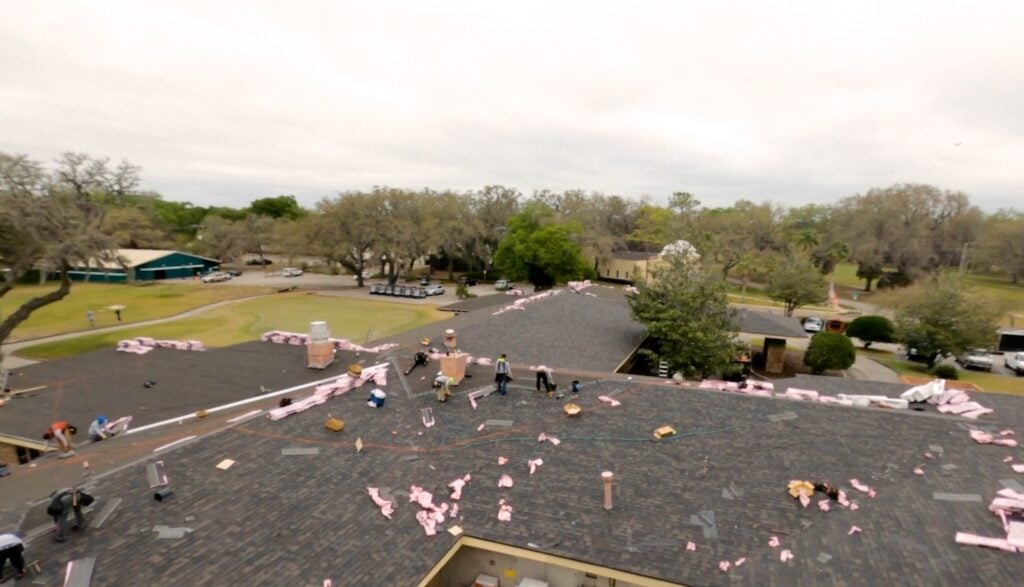
FAQs About Flat Roof Replacement
Homeowners often have questions when considering a flat roof replacement or conversion. Understanding the process helps you make informed decisions.
Can any flat roof be converted into a pitched roof?
Most flat roofs can be converted, but it depends on the structure and load capacity of the building. A professional evaluation is required.
How long does a roof conversion take?
The timeline varies based on the size and complexity of the project, but conversions typically take longer than standard replacements.
Is converting to a pitched roof worth it?
For many homeowners, the improved durability and reduced maintenance make it a worthwhile investment.
What are the most common flat roof materials?
Common flat roof materials include PVC membrane, TPO, EPDM rubber, and modified bitumen. These flat roofing systems are designed to provide waterproof protection and durability for both residential homes and commercial buildings.
Upgrade Your Roof With Shingle Masters
Flat roof replacement and conversion projects require careful planning and expert installation. Choosing the right approach helps protect your home and improve long term performance.
Shingle Masters provides professional roofing services to evaluate your current system and recommend the best solution. Whether you need flat roof repair, a full replacement, or a conversion, our team is here to help.
Contact Shingle Masters today to schedule an inspection and take the next step toward a stronger, more durable roof. We proudly serve homeowners in Bradenton and across the Tampa Bay area.