 5 Min Read
 06/15/2026
Learning how to repair a roof leak is essential for protecting your home from water damage and costly repairs. Roof leaks can develop from damaged roofing shingles, poor flashing, or aging roofing materials. While some minor leaks can be addressed quickly, others may require professional roofing services. If you’re dealing with ongoing issues, it may be time to consider a full roof repair or replacement to prevent long term damage.
- Common causes: Why roof leaks happen
- Repair steps: How to fix a leaking roof
- Prevention tips: Avoid future damage
- When to call a pro: Signs you need expert help
What Causes a Roof Leak?
Roof leaks can occur for several reasons, often due to wear and tear or improper roof installation. Identifying the source of the leak is the first step in making effective repairs.
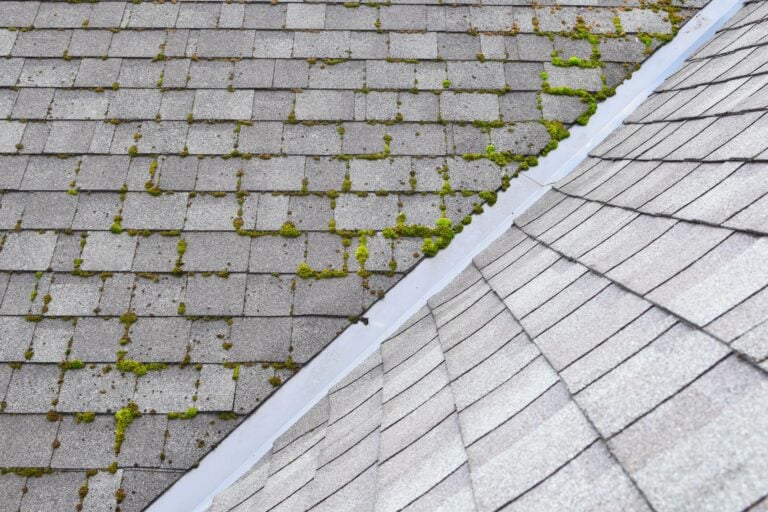
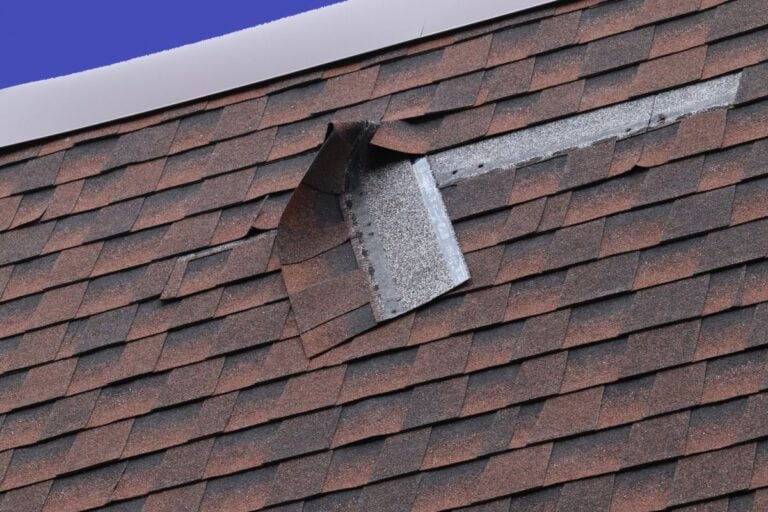
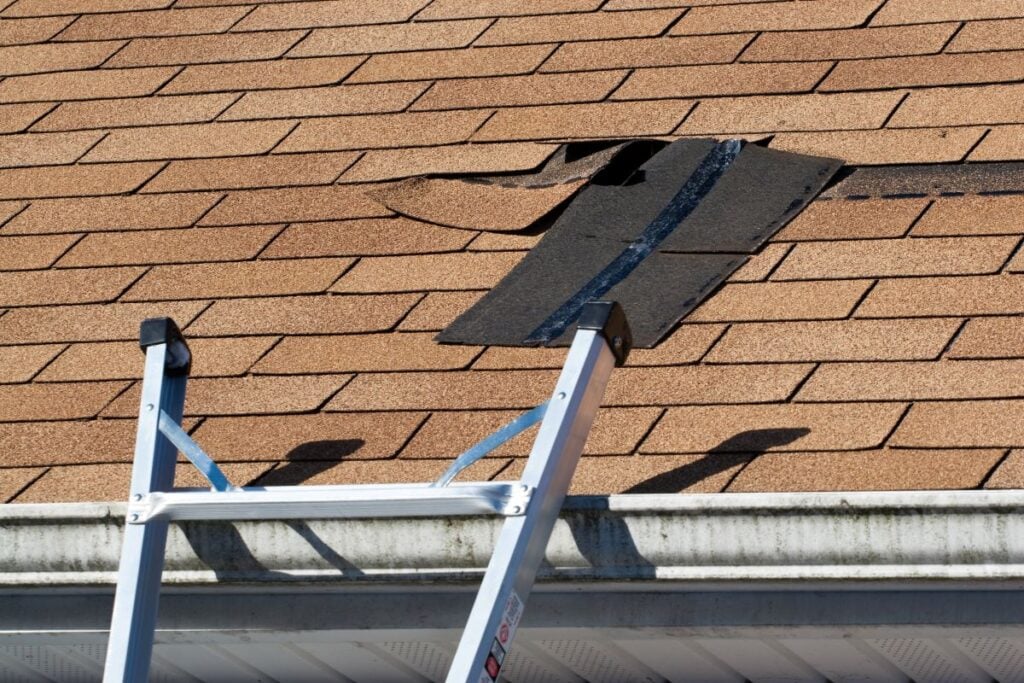
- Damaged roofing shingles: Cracks, curling, or missing shingles
- Flashing issues: Poor sealing around vents, chimneys, or skylights
- Clogged gutters: Water backing up under roofing materials
- Improper roof installation: Weak points that allow water intrusion
- Aging roofing system: Materials breaking down over time
Understanding the root cause helps ensure the repair is effective and long lasting.
How to Repair a Roof Leak
Fixing a roof leak requires careful inspection and proper materials. Follow these steps to address minor leaks and prevent further damage.
- Locate the source of the leak: Check your attic for water stains, mold, or damp insulation
- Inspect the roof surface: Look for missing shingles, cracks, or damaged flashing
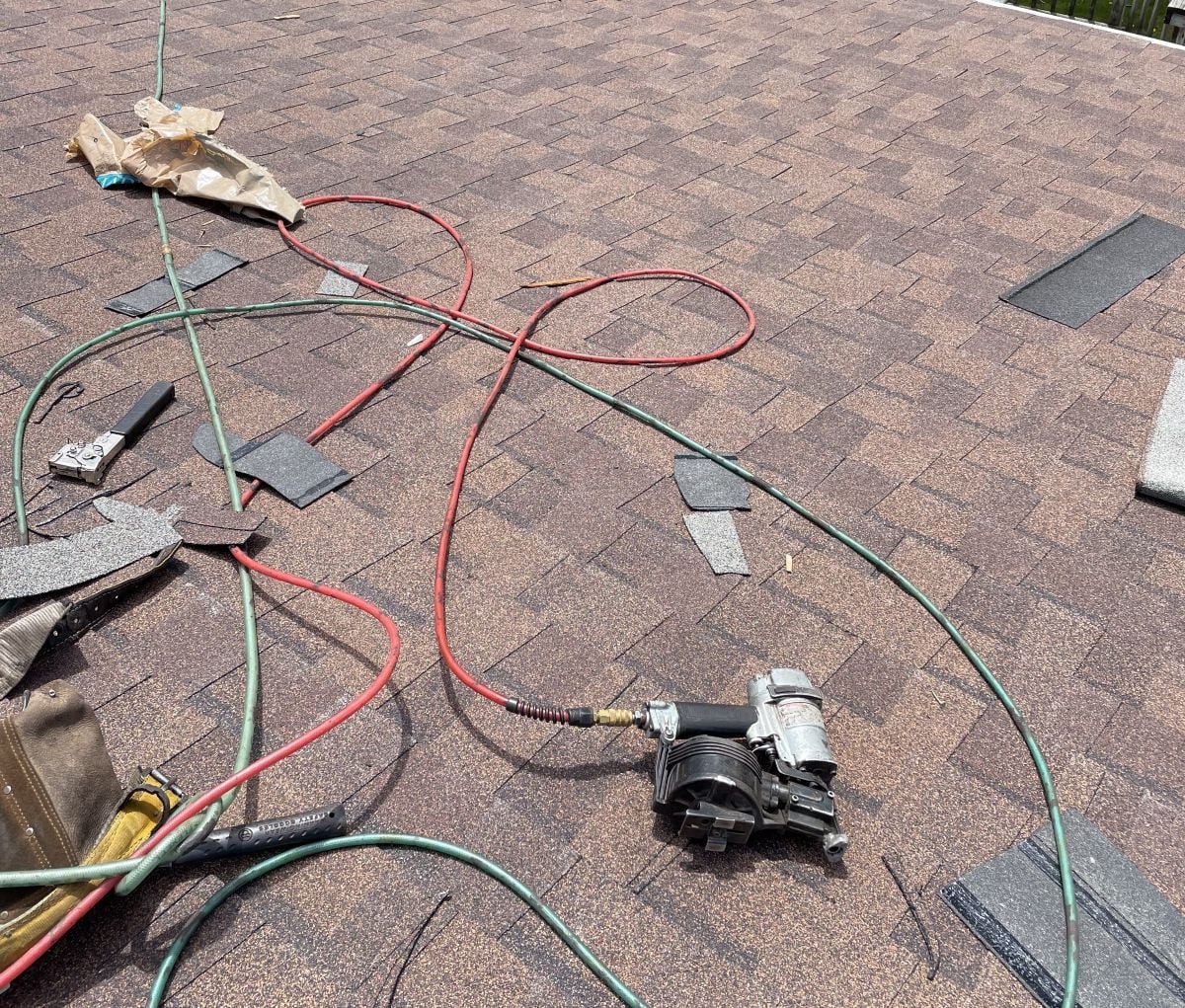
- Remove damaged materials: Carefully lift or remove affected roofing shingles
- Apply roofing sealant: Seal small cracks, holes, or flashing gaps
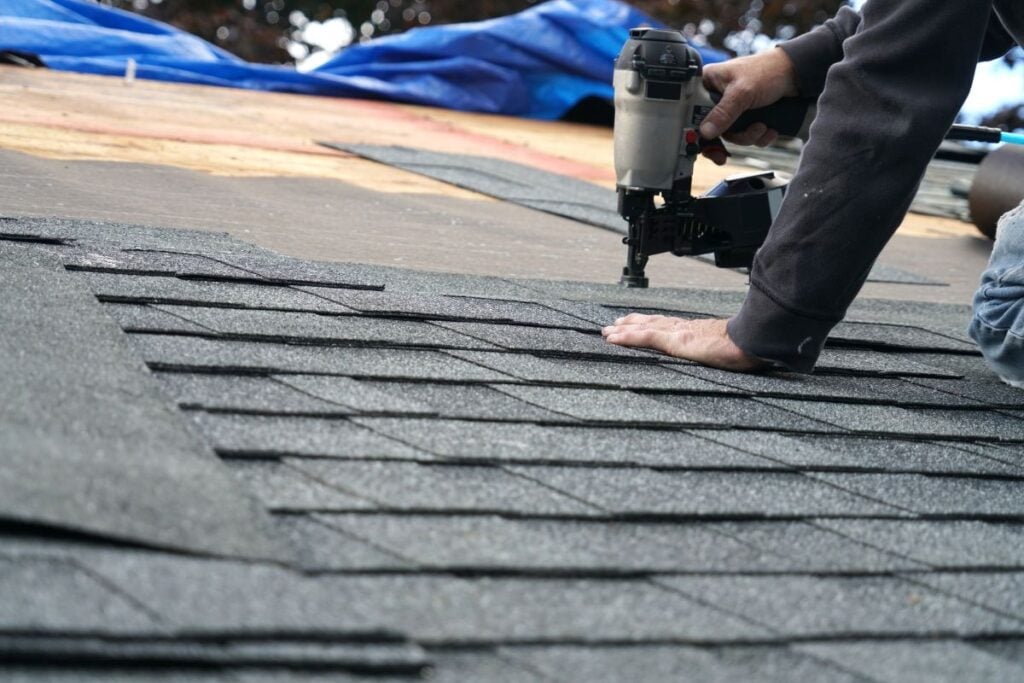
- Replace roofing shingles: Install new shingles to restore protection
- Check surrounding areas: Ensure no additional weak points exist
- Test the repair: Run water over the area to confirm the leak is fixed
These steps can help resolve minor issues, but larger problems may require professional roof repair. According to the U.S. Environmental Protection Agency, if a roof is allowed to leak long enough, molds can weaken floors and walls by feeding on the wet wood — and when mold is suspected of causing structural damage, a structural engineer or professional with relevant expertise should be consulted — reinforcing why even a slow or minor roof leak should be addressed before it progresses to a structural concern.
Temporary Fixes for Roof Leaks
If you need a quick solution before permanent repairs can be made, temporary fixes can help minimize damage.
- Tarp coverage: Protects the roof from further water intrusion
- Roof sealant: Stops small leaks temporarily
- Bucket placement: Collects water inside the attic
- Gutter cleaning: Improves water drainage
Temporary solutions should not replace proper repairs, as they only provide short term protection.
Signs Your Roof Leak Is Getting Worse
Ignoring a roof leak can lead to serious structural damage. Recognizing the warning signs early can help prevent costly repairs.
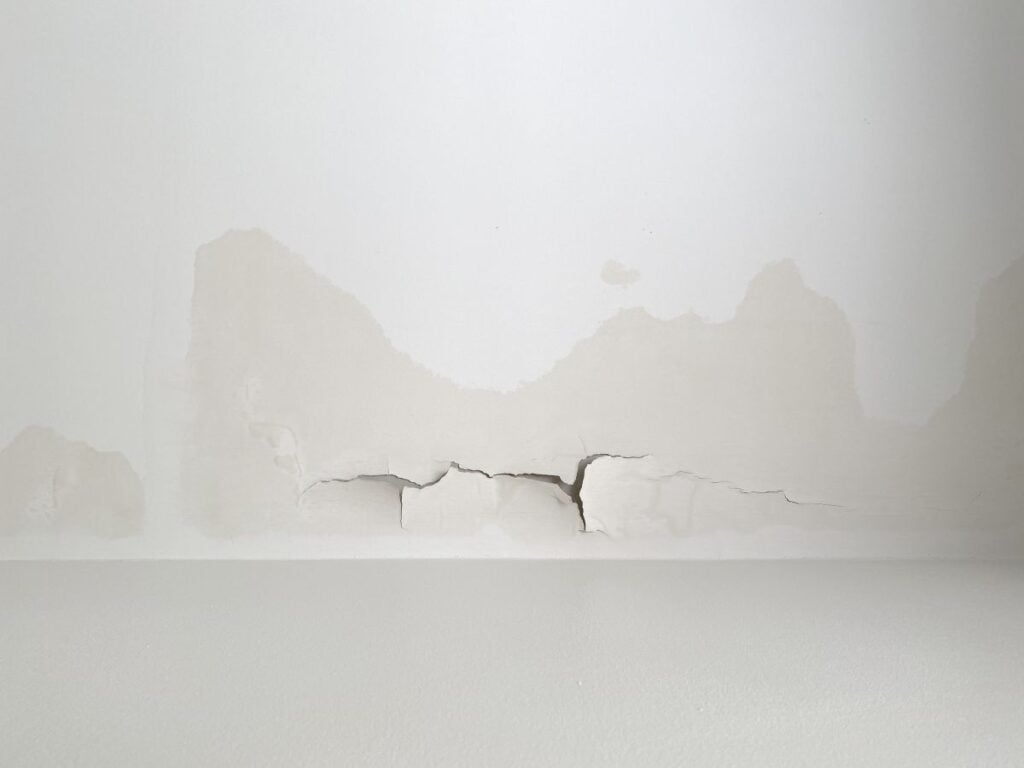
- Water stains on ceilings or walls: Indicates ongoing leaks
- Mold or mildew growth: Caused by trapped moisture
- Sagging roof areas: Structural damage from water buildup
- Increased energy bills: Poor insulation due to moisture
If these issues appear, immediate action is necessary.
How to Prevent Future Roof Leaks
Preventative maintenance is key to avoiding roof leaks and extending the life of your roofing system.
- Schedule regular roof inspections: Identify problems early
- Maintain gutters and downspouts: Ensure proper drainage
- Replace damaged shingles promptly: Prevent water intrusion
- Ensure proper ventilation: Reduce moisture buildup
- Use quality materials: Improve durability and performance
Consistent maintenance helps reduce the risk of future leaks.
When to Call a Professional Roofing Contractor
While some minor leaks can be repaired by homeowners, many situations require professional expertise.
- Widespread damage: Multiple leak points
- Recurring leaks: Indicates deeper issues
- Structural concerns: Sagging or weakened roof deck
- Major storm damage: Requires full inspection
A professional roofing contractor can assess the situation and recommend the best solution.
FAQs About Roof Leak Repair
Roof leaks can be confusing and stressful for homeowners. Understanding common questions can help you respond quickly and effectively.
Can I repair a roof leak myself?
Small leaks can sometimes be repaired with basic tools and roofing materials. However, larger or recurring leaks often require professional roof repair to ensure long term protection.
How much does it cost to repair a roof leak?
Costs vary depending on the extent of the damage. Minor repairs are typically affordable, while larger issues may lead to more costly repairs or even roof replacement.
How long does it take to fix a roof leak?
Simple repairs can be completed in a few hours, while more extensive damage may take longer depending on the scope of the work.
Will a roof leak cause structural damage?
Yes, untreated roof leaks can lead to wood rot, mold growth, and structural weakening over time.
How do I know if I need a roof replacement?
If leaks are frequent, widespread, or combined with an aging roof, a full replacement may be the most effective long term solution.
Protect Your Home With Shingle Masters
Roof leaks should never be ignored, as they can quickly lead to serious damage and expensive repairs. Taking action early helps protect your home and extend the life of your roof.
Shingle Masters provides expert roof repair, inspections, and replacement services to keep your home safe and dry. Whether you’re dealing with a minor leak or major damage, our team is here to help.
Reach out today to schedule an inspection and get your roof back in top condition.