 7 Min Read
 06/22/2026
Knowing how to repair a damaged roof can help homeowners extend the life of their existing roof without the cost of a full replacement. Many roofing issues—such as damaged roofing shingles, minor roof leaks, or flashing problems—can be resolved with targeted repairs. Whether your roof has been impacted by high winds, changing weather conditions, or poor installation, addressing damage early is key to avoiding structural problems. If issues persist or continue to spread, it may be worth exploring professional roof repair or replacement services to determine the best long-term solution for your home.
Taking action early not only protects your home from water intrusion but also helps maintain energy efficiency and overall property value. A well-maintained roof plays a major role in keeping your home safe and comfortable year-round.
- Common damage types: What can be repaired
- Repair steps: How to fix a damaged roof
- Cost-saving strategies: Avoid full replacement
- When to call a pro: Signs repairs aren’t enough
What Types of Roof Damage Can Be Repaired?
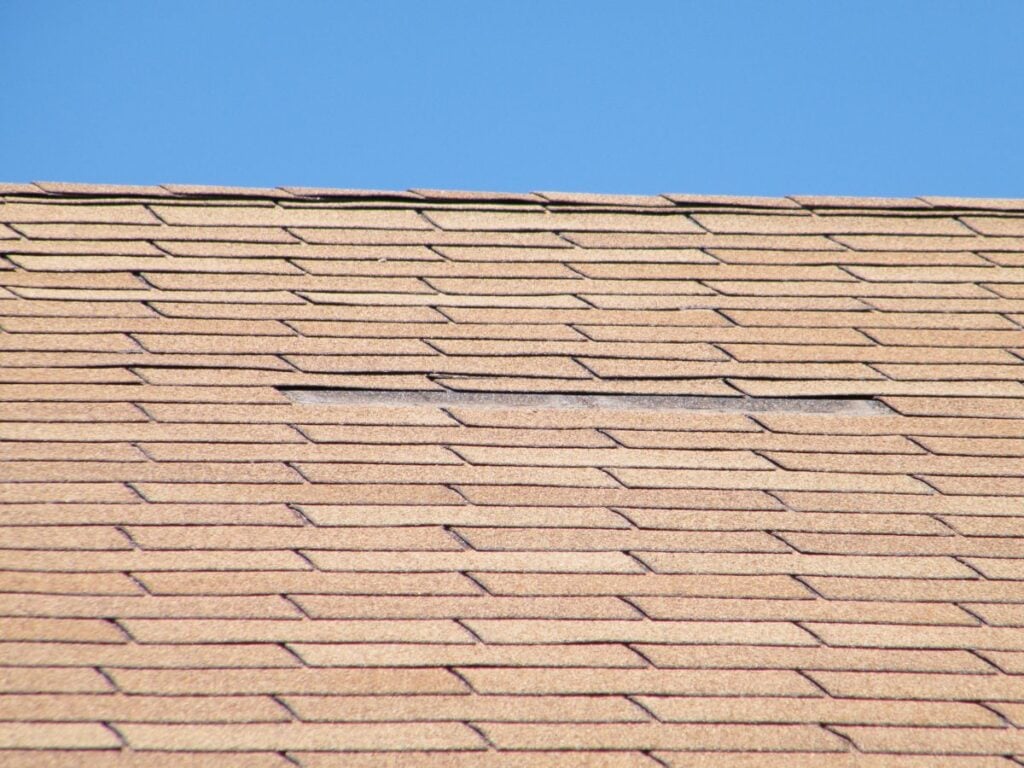
Not all roof damage requires replacing the entire roofing system. In many cases, repairs can restore performance and prevent further issues, especially when damage is limited to a specific area of the existing roof. Localized repairs are often faster and more cost-effective than full replacement, particularly when caught early.
Common repairable problems include damage caused by weather conditions like heavy rain, high winds, or even heavy snow accumulation, which can weaken shingles and tiles over time. Seasonal changes can also cause expansion and contraction, leading to cracks or loose materials.
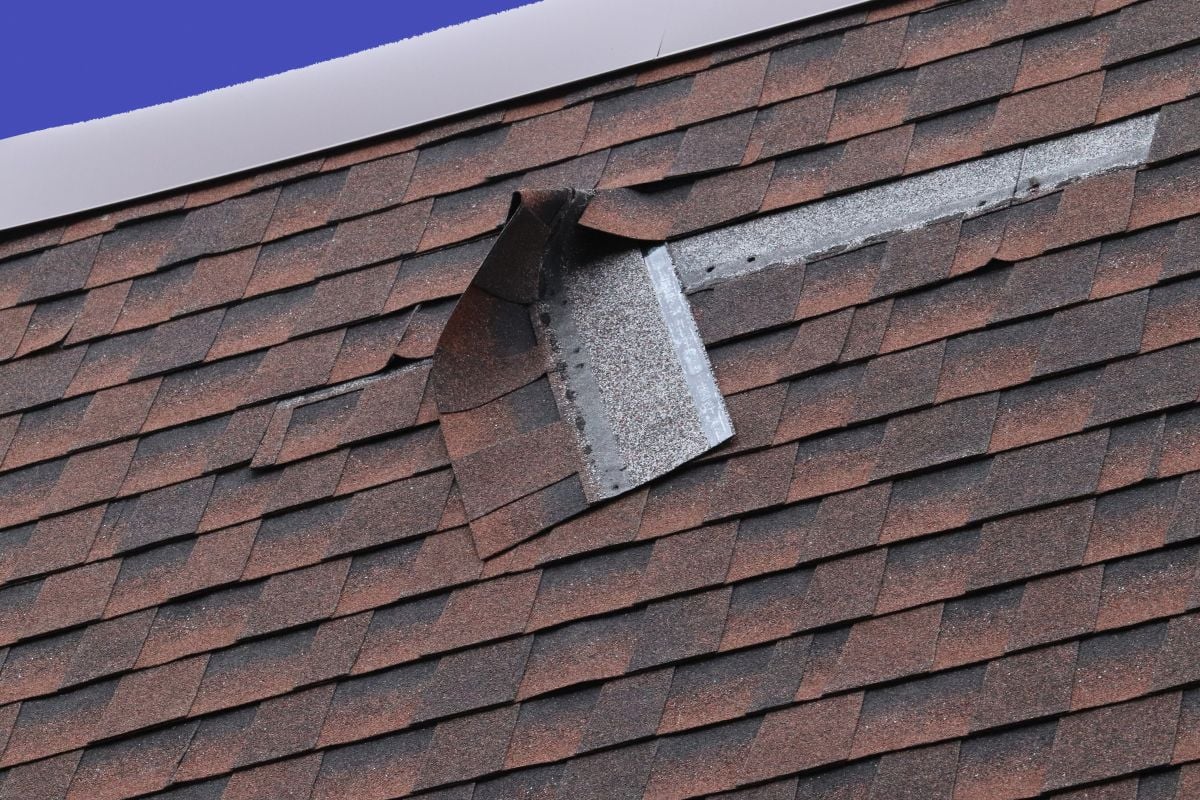
- Damaged roofing shingles: Cracked, curled, or missing shingles
- Minor roof leaks: Often caused by flashing or sealant issues
- Flashing damage: Around vents, chimneys, and skylights
- Small punctures or holes: From debris or impact
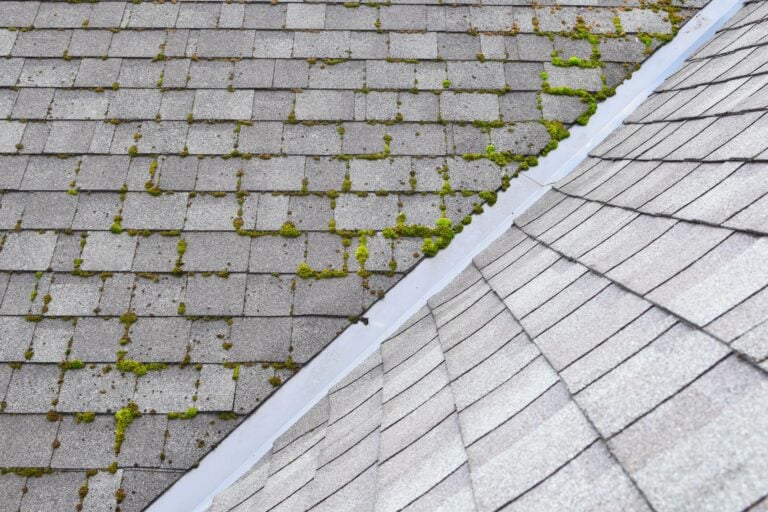
- Moss growth: Moss absorbs water and can lead to roof damage
Asphalt shingles, whether 3-tab or architectural, are especially prone to wear and tear but are also among the easiest materials to repair, making them a common focus for maintenance.
7 Steps to Repair a Damaged Roof Without Replacing It
Repairing roof damage properly requires a structured approach. Following these steps ensures your repair is effective and helps prevent future problems while maintaining the integrity of your roofing system.
- Inspect the roof and attic thoroughly: Look for visible damage, water stains, and signs of leaks on the existing roof, including insulation issues or moisture buildup
- Identify the source of the damage: Check for issues caused by poor installation, high winds, or aging roofing materials that may have weakened over time
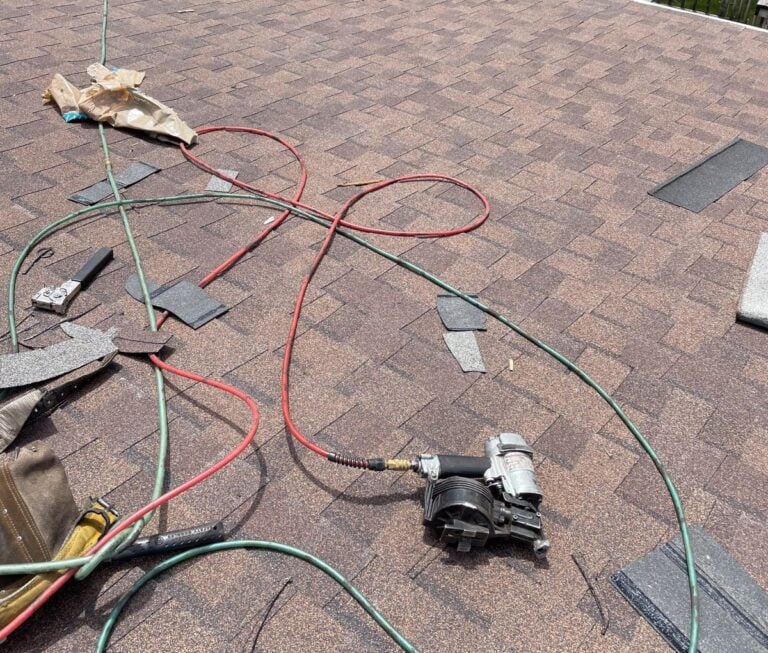
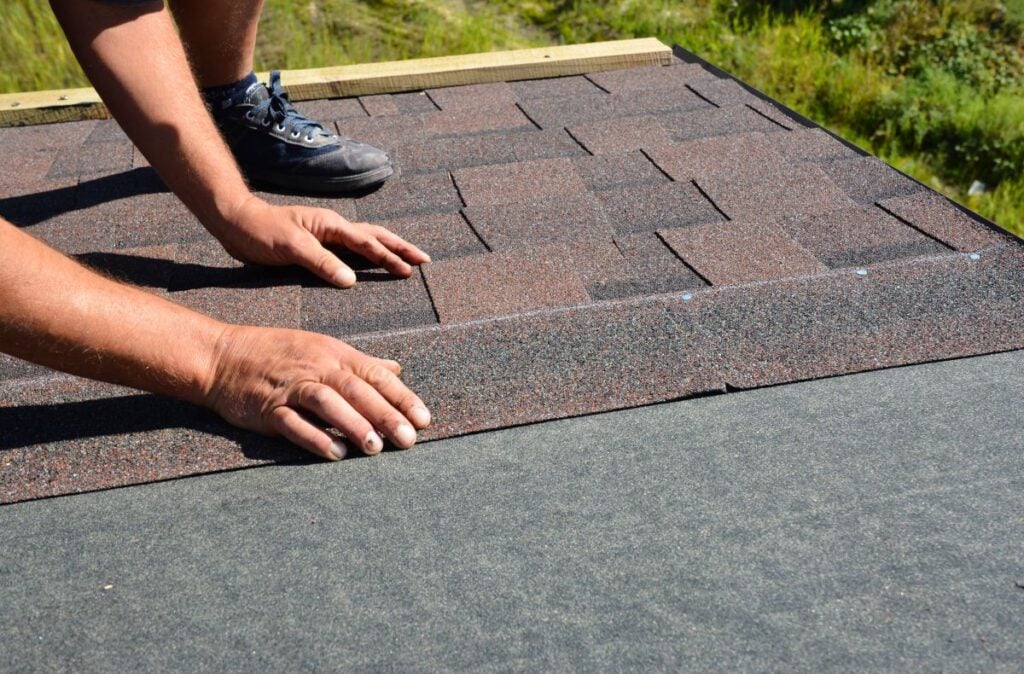
- Remove damaged shingles or materials: Carefully lift and remove compromised sections without disturbing surrounding areas
- Check the roof decking: Check the decking under the shingles for soft or rotted areas, as structural damage can worsen if left untreated
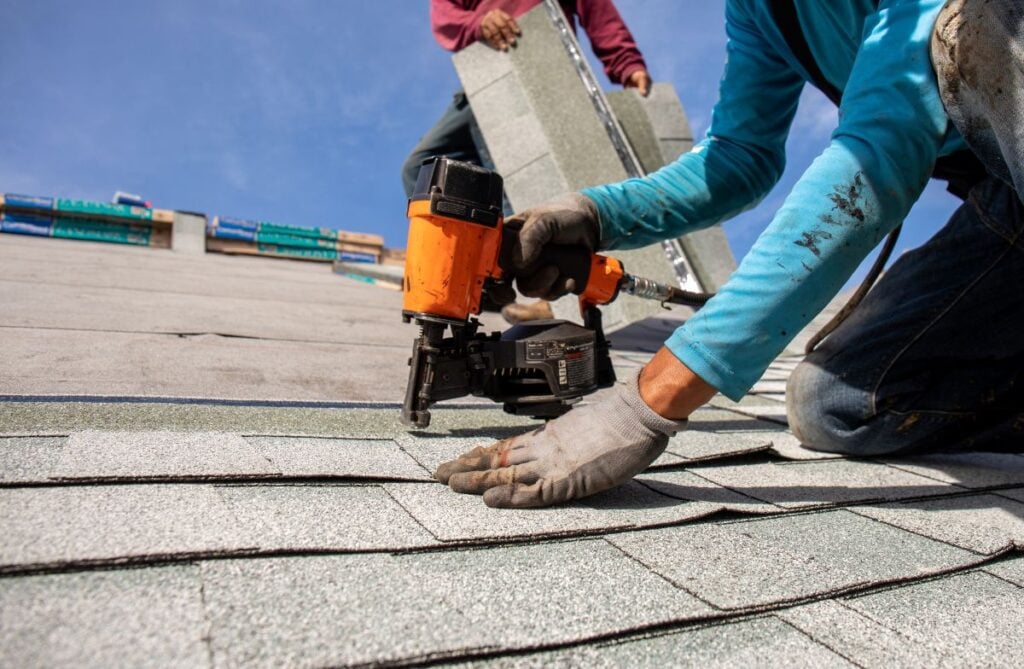
- Install new materials: Replace damaged areas with new shingles that match your roofing system to maintain uniform protection
- Repair underlayment if needed: Install a new piece of synthetic underlayment if the existing one is torn to ensure proper moisture protection
- Seal and test the repair: Apply sealant and confirm the area is watertight by testing with controlled water flow
Taking the time to complete each step carefully ensures a longer-lasting repair and reduces the risk of recurring issues.
Common Roof Repair Methods
Different roofing problems require different repair methods depending on the type and extent of the damage. Using the correct method ensures long-term performance and reduces the likelihood of future repairs.
- Shingle replacement: Installing new shingles to replace damaged ones and restore the protective layer
- Flashing repair: Fixing vulnerable areas around roof penetrations to prevent leaks
- Roof patching: Sealing holes or localized damage caused by debris or wear
- Sealant application: Preventing minor leaks from spreading into larger issues
- Underlayment repair: Reinforcing moisture protection beneath the surface
Each repair method plays a role in maintaining the overall health of your roofing system.
Temporary Roof Repair Solutions
Temporary solutions can help protect your home until permanent repairs are completed, especially after severe weather conditions or unexpected damage. These quick fixes are useful in emergencies but should not be relied on long term.
- Roof tarp installation: Shields exposed areas from water intrusion
- Sealant or roofing tape: Provides short-term leak protection
- Interior water control: Buckets or drainage solutions to manage leaks
- Gutter maintenance: Check gutters for rust, holes, or clogs regularly to ensure proper drainage
Quick action during emergencies can prevent interior damage and reduce repair costs later.
When Repairs Are Enough vs. Replacement
Knowing when repairs are sufficient versus when a replacement is necessary is key to protecting your investment. While repairs can address many issues, they are not always the best long-term solution.
- Localized damage: Usually repairable without major work
- Newer roofing systems: Benefit more from targeted repairs
- Recurring issues: May point to deeper structural problems
- Widespread damage: May require full replacement
If your existing roof continues to experience repeated issues, investing in a replacement may ultimately save money and provide better protection.
How to Prevent Future Roof Damage
Preventative maintenance is essential for extending the life of your roof and avoiding repeated repairs. Regular upkeep helps reduce the impact of harsh weather conditions and everyday wear. According to the National Roofing Contractors Association, roof system maintenance is the single most important factor — after proper installation — for determining the life span and cost of a roof system — making consistent inspections and timely repairs the most cost-effective approach a homeowner can take to extend the life of an existing roof.
- Inspect roofs at least twice a year for damage: Catch problems early before they worsen
- Clean gutters regularly: Prevent water buildup and overflow that can damage roofing materials
- Remove moss and debris: Moss absorbs water and accelerates deterioration
- Replace damaged shingles quickly: Prevent small issues from spreading
- Ensure proper ventilation: Reduce heat and moisture buildup in the attic
Consistent maintenance not only improves performance but also helps maintain your home’s overall value.
Signs You Should Call a Roofing Professional
While some repairs can be handled by homeowners, certain situations require professional expertise to ensure safety and long-term results.
- Persistent roof leaks: Not resolved with basic repairs
- Structural issues: Soft decking or sagging areas
- Storm damage: From high winds or heavy snow accumulation
- Large sections of damage: Beyond simple repair
Professional roofing contractors have the tools and experience to properly assess and repair complex issues.
FAQs About Roof Repair
Homeowners often have questions about repairing roof damage and maintaining their roofing system.
Can I repair a damaged roof myself?
Minor repairs like replacing shingles or sealing small leaks can be done by homeowners, but more complex damage should be handled by professionals.
What type of shingles are easiest to repair?
Asphalt shingles, including 3-tab and architectural styles, are among the easiest roofing materials to repair.
How long do roof repairs last?
Repairs can last for years if done properly and maintained regularly.
Can weather cause recurring roof damage?
Yes, extreme weather conditions like high winds, heavy rain, and snow can repeatedly damage roofing materials.
When should I replace instead of repair?
If damage is widespread or your roof is nearing the end of its lifespan, replacement may be the better option.
Protect Your Roof With Shingle Masters
Repairing a damaged roof without replacing it is possible in many cases, especially when issues are caught early. Understanding how to repair roof damage and maintain your existing roof can help you avoid costly repairs and extend its lifespan.
Shingle Masters provides expert roof repair, inspections, and replacement services tailored to your home’s needs. Whether you’re dealing with minor damage or more serious issues, our team is here to help.
Reach out today to schedule an inspection and restore your roof’s performance.