 7 Min Read
 06/03/2026
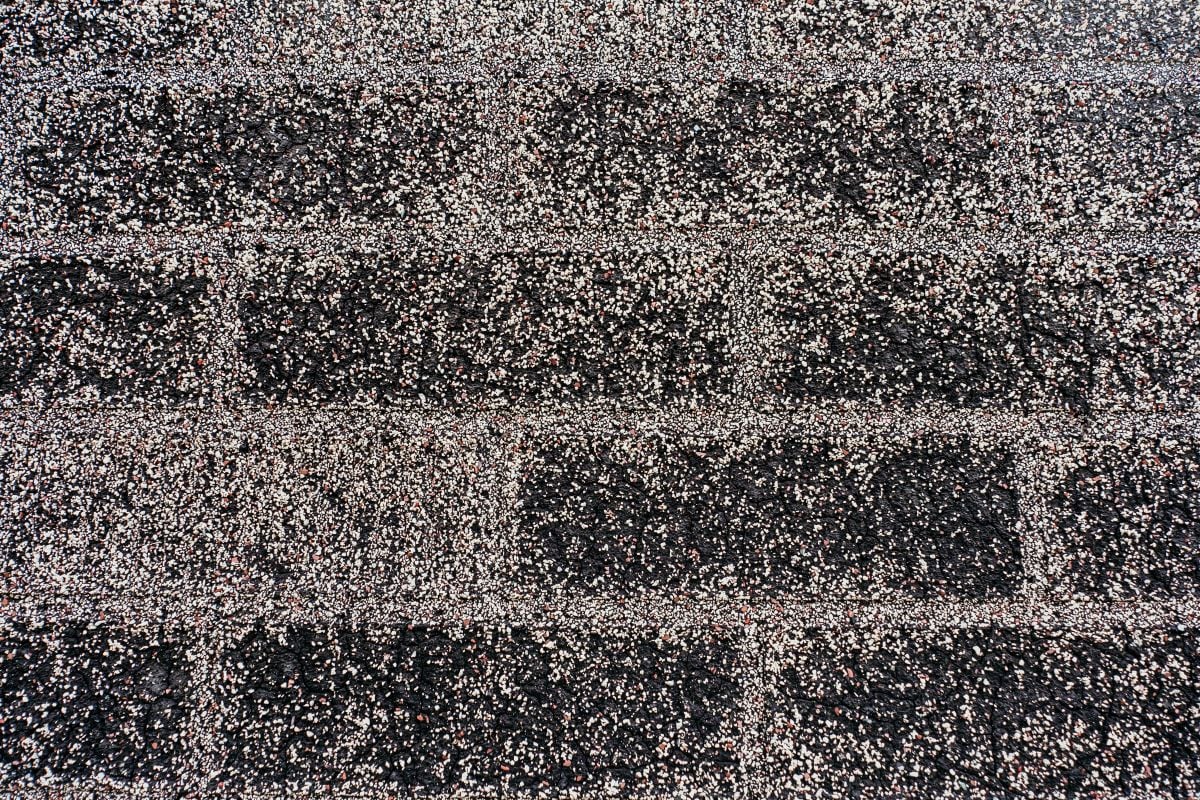
Granular loss on roof shingles is a common issue that can impact the performance and lifespan of your asphalt roof. Roofing shingles are coated with protective granules that shield against UV rays, weather damage, and wear. When shingle granule loss begins, your roof becomes more vulnerable to damage, increasing the risk of roof leaks and costly repairs. In many cases, issues like this are first identified during routine roofing inspections and services
- Common causes: What leads to granule loss over time
- Warning signs: How to spot early damage
- Roof impact: Why granules are important
- Next steps: When to repair or replace your roof
What Is Granular Loss on a Roof?
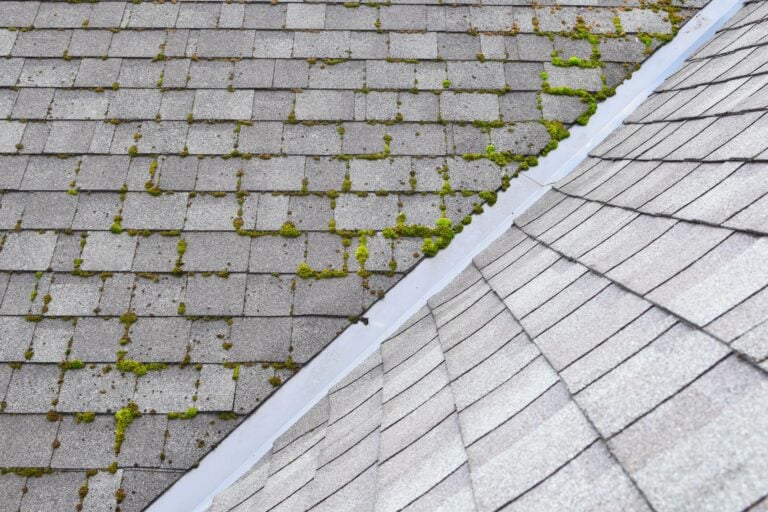
Granular loss occurs when the protective mineral coating on asphalt shingles begins to deteriorate or detach from the surface. These granules are essential for protecting the underlying asphalt layer from environmental damage and extending the roof’s lifespan.
While some granule loss is expected as part of normal wear, excessive or uneven loss can signal that your shingles are breaking down prematurely. This can expose the roof to direct sunlight and moisture, increasing the risk of long term damage.
- UV protection: Shields shingles from sun damage and heat
- Water resistance: Helps prevent moisture penetration
- Surface durability: Protects against debris and impact
6 Common Causes of Granular Loss
Granule loss can result from a variety of factors, some of which are unavoidable while others are preventable. Identifying the root cause is key to determining the right solution.
1. Natural Aging
As roofing materials age, they naturally begin to break down. Over time, exposure to sunlight, rain, and temperature changes causes the adhesive holding the granules to weaken.
- Gradual wear: Occurs over the life of the roof
- Expected deterioration: Common in older shingles
- End-of-life indicator: Signals need for replacement
2. Severe Weather
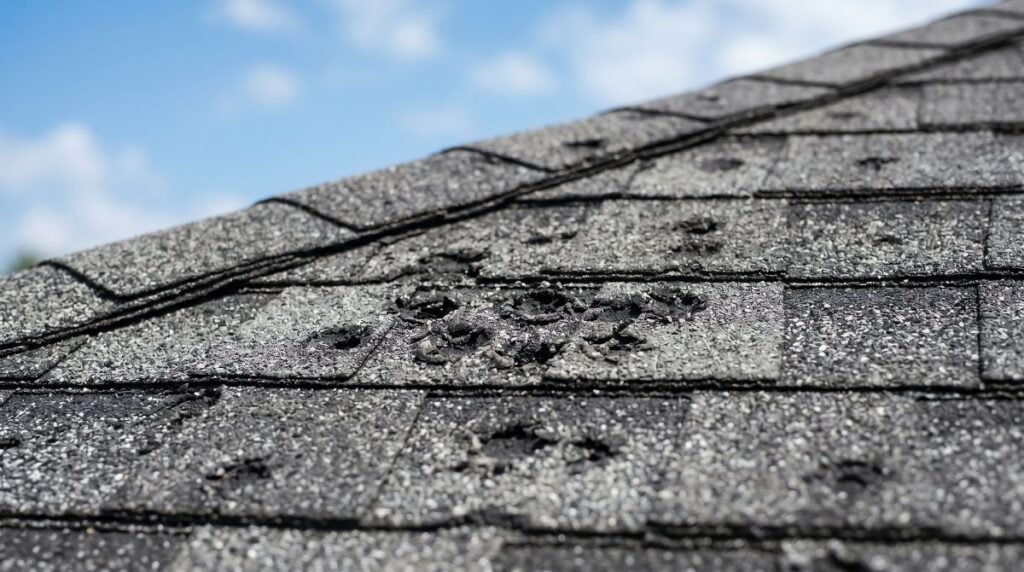
Storms are one of the leading causes of sudden granule loss. High winds, hail, and heavy rain can physically dislodge granules from the surface of shingles.
- Hail impact: Knocks granules loose on contact
- Heavy rainfall: Washes granules into gutters
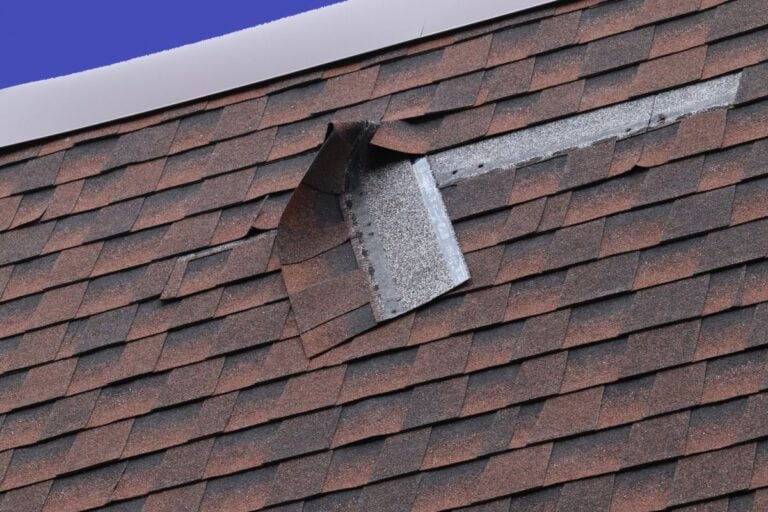
- Wind uplift: Weakens and loosens shingles
3. Poor Installation
Improper installation can significantly shorten the lifespan of a roof. If shingles are not installed correctly, they may not adhere properly, leading to early wear and granule loss.
- Incorrect alignment: Causes uneven wear
- Improper sealing: Leads to shingle movement
- Reduced durability: Shortens roof lifespan
4. Foot Traffic on the Roof
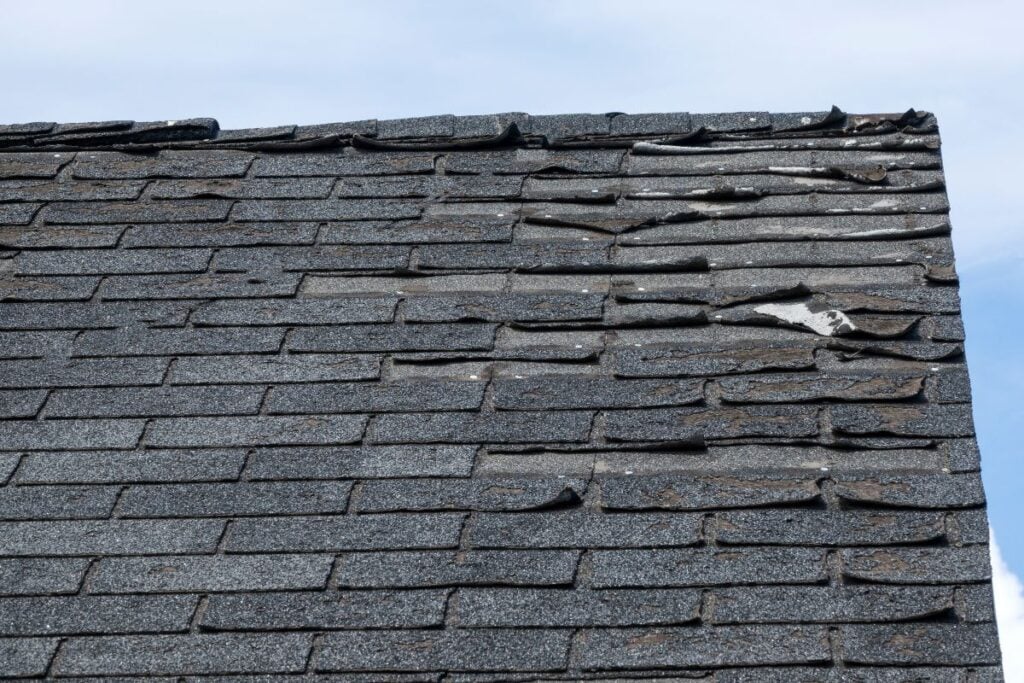
Frequent or improper foot traffic can damage shingles by loosening or scraping off granules. This is especially common during maintenance or inspections done without proper care.
- Physical pressure: Dislodges granules
- Surface abrasion: Weakens protective layer
- Preventable damage: Limit unnecessary access
5. Low Quality Shingles
Not all roofing materials are created equal. Lower quality shingles often have weaker adhesives and thinner granule coatings, making them more prone to early failure.
- Faster wear: Shorter lifespan
- Weaker protection: Less resistance to elements
- Higher long term cost: More frequent repairs
6. Poor Ventilation
Improper attic ventilation can trap heat and moisture, accelerating the breakdown of roofing materials. This can lead to faster granule loss and overall roof deterioration.
- Heat buildup: Damages shingles from below
- Moisture retention: Weakens materials
- System imbalance: Reduces roof performance
Warning Signs of Granular Loss
Recognizing the signs of granular loss early can help prevent more serious issues. Many of these signs are visible during routine maintenance or after storms.
Granule loss often starts subtly but can quickly become more noticeable as the roof continues to age or sustain damage.
- Granules in gutters: One of the most common indicators
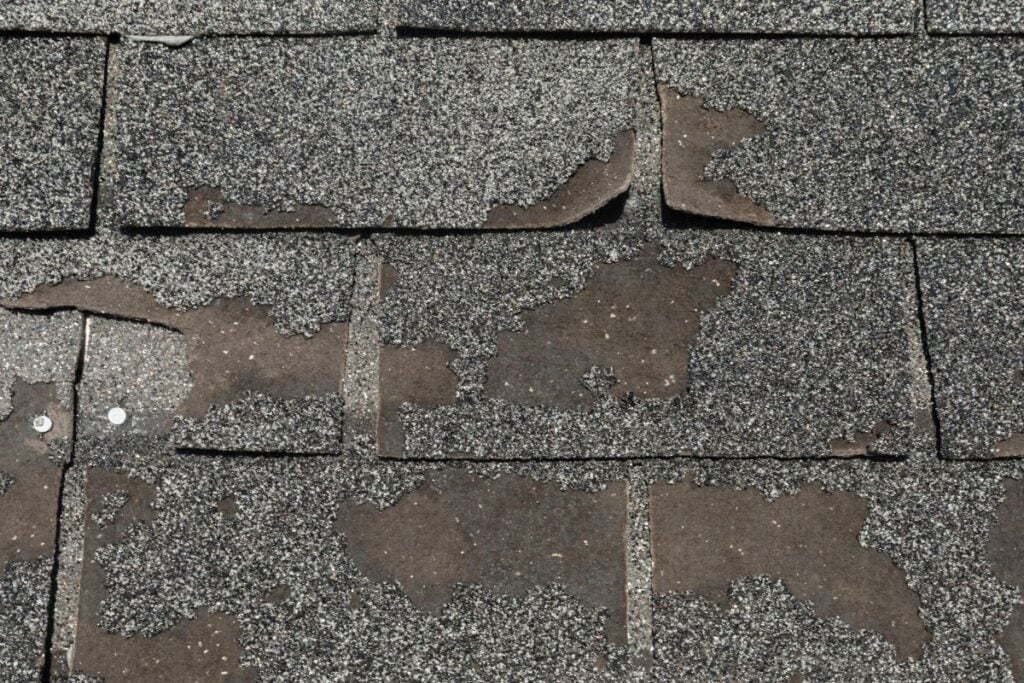
- Bare or shiny spots: Exposed asphalt areas on shingles
- Uneven color patches: Indicates inconsistent wear
- Frequent leaks: Suggests reduced protection
If these signs are present, it’s important to take action before the damage spreads.
How Granular Loss Affects Your Roof
Granules play a vital role in protecting your roof from environmental damage. When they are lost, the underlying materials are exposed to harsh conditions, which can accelerate deterioration. According to the Insurance Institute for Business & Home Safety, sealant strength is a critical factor in resisting wind damage, particularly after hail impact weakens granule protection — meaning granule loss does not just affect UV protection, but also directly reduces a shingle’s ability to resist wind uplift and future weather damage across the entire roof surface.
Without this protective layer, shingles can crack, warp, or fail entirely. This increases the likelihood of leaks and structural damage over time.
- UV exposure: Speeds up aging and breakdown
- Water intrusion: Increases risk of leaks
- Reduced lifespan: Shortens roof durability
- Higher repair costs: Leads to more frequent issues
Addressing granule loss early helps preserve the integrity of your roofing system.
When to Repair or Replace Your Roof
Determining whether to repair or replace your roof depends on the severity and extent of the granule loss. Minor issues can often be addressed with targeted repairs, while widespread damage may require a full replacement.
A professional inspection can help identify whether the damage is localized or affecting the entire roofing system.
- Minor loss: Monitor or perform small repairs
- Localized damage: Replace affected shingles
- Widespread wear: Consider roof replacement
- Older roof: Likely nearing end of lifespan
Taking action at the right time can prevent more expensive repairs later.
Preventing Granular Loss
While some granule loss is unavoidable, proper maintenance and care can significantly slow the process. Preventative measures help extend the life of your roof and maintain its performance.
Routine inspections and addressing small issues early can make a major difference in long term durability.
- Schedule regular inspections: Catch problems early
- Maintain proper ventilation: Prevent heat damage
- Limit foot traffic: Reduce unnecessary wear
- Use high quality materials: Improve longevity
Consistent maintenance helps protect your investment and avoid premature replacement.
FAQs About Granular Loss on Roofs
Homeowners often have questions about what granule loss means and how serious it is. Understanding these answers can help guide your next steps.
Is granular loss normal on a new roof?
Some minor granule loss is normal shortly after installation, as excess granules may wash off during the first few rainfalls. However, noticeable or uneven loss on a new roof may indicate installation issues or defective materials.
How do I check for granule loss?
You can check for granule loss by inspecting gutters, downspouts, and areas around your home for loose granules. Visually inspecting shingles for bare spots or discoloration can also help identify early signs of wear.
Can granular loss cause leaks?
Yes, as granules wear away, shingles lose their protective barrier. This makes it easier for water to penetrate the roof, increasing the risk of leaks and interior damage over time.
How long can a roof last after granule loss starts?
The lifespan depends on the severity of the loss. Minor granule loss may not immediately affect performance, but widespread loss typically means the roof is approaching the end of its usable life.
Should I replace my roof if I see granules in gutters?
Not always. Small amounts of granules can be normal, especially after installation or storms. However, consistent buildup may indicate more serious wear and should be evaluated by a professional.
Protect Your Roof With Shingle Masters
Granular loss on a roof is a key sign of wear that should not be ignored. Understanding the causes and warning signs helps homeowners take action before damage worsens.
Shingle Masters provides expert roofing inspections, repairs, and replacement services to keep your home protected. Whether you’re dealing with minor wear or significant damage, our team is here to help.
Schedule your inspection today and make sure your roof is in top condition.