 6 Min Read
 06/10/2026
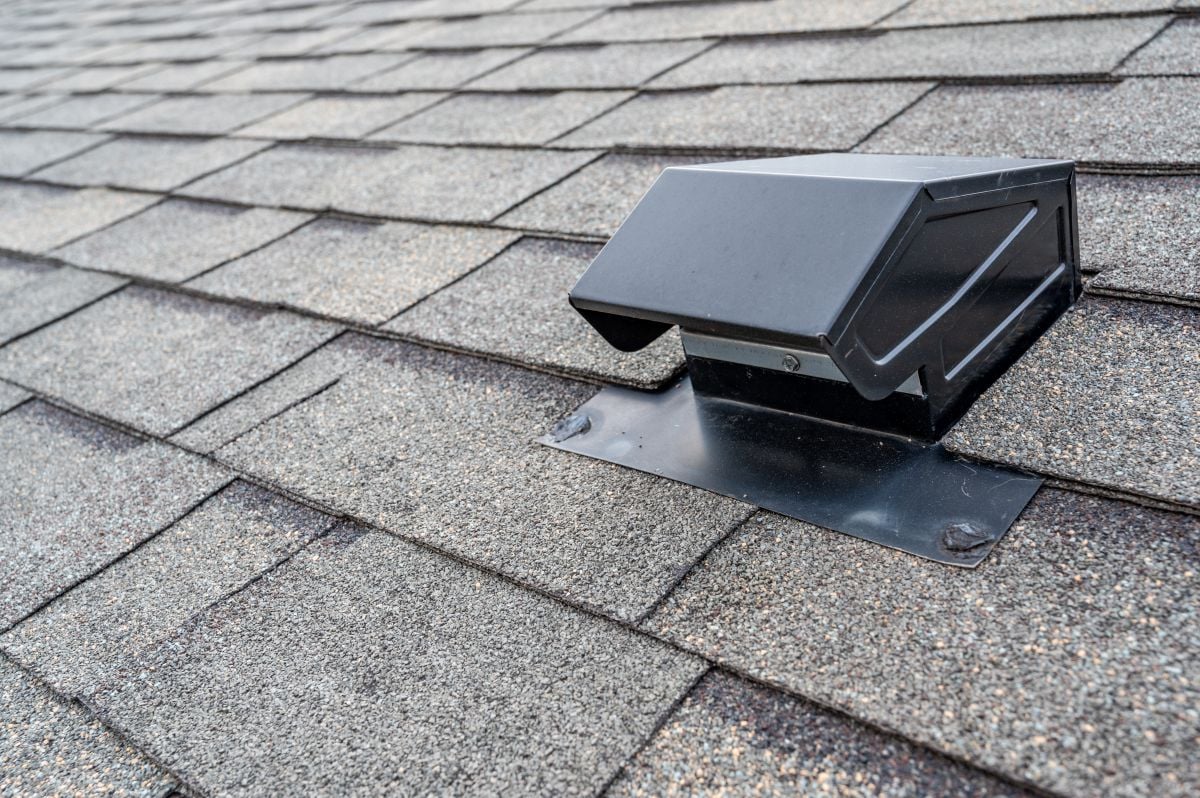
A slant back roof vent is a low-profile ventilation solution designed to improve attic ventilation and overall roof airflow. Proper roof ventilation plays a critical role in regulating attic temperature, preventing moisture buildup, and extending the life of your roofing system. Whether you’re upgrading ventilation or planning a full roof replacement, understanding how slant back roof vents work can help you achieve effective attic ventilation and long term performance.
- Vent design: How slant back roof vents function
- Installation process: What to expect during roof vent installation
- Performance benefits: Why exhaust ventilation matters
- Best use cases: When to install this type of roof vent
What Is a Slant Back Roof Vent?
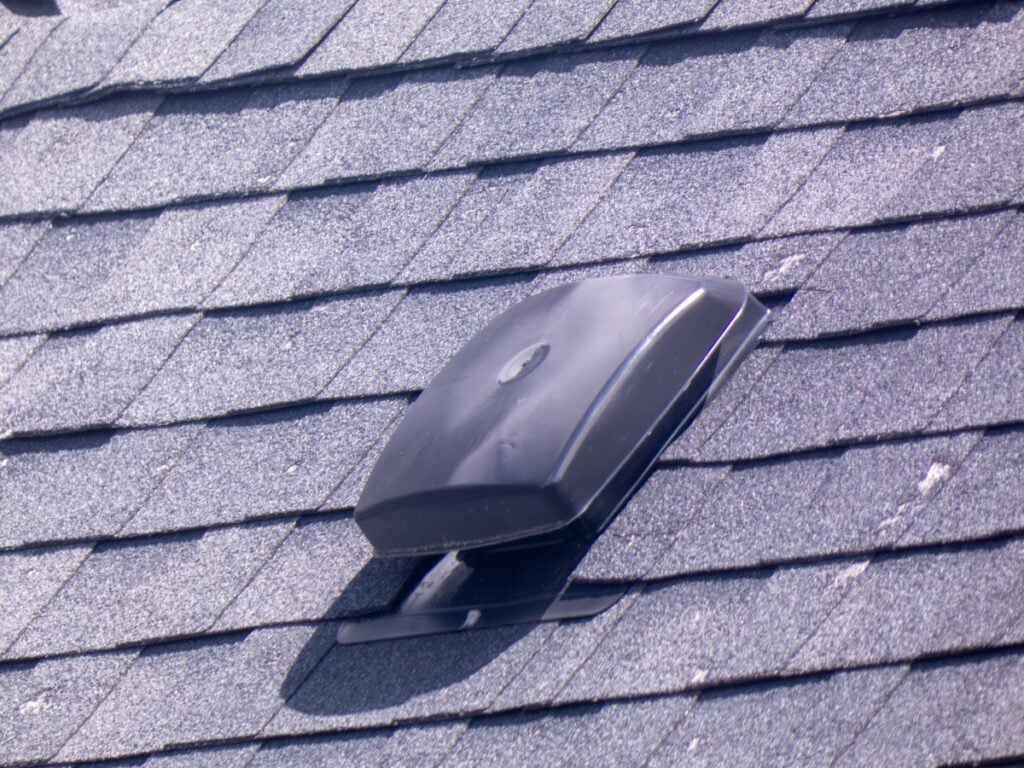
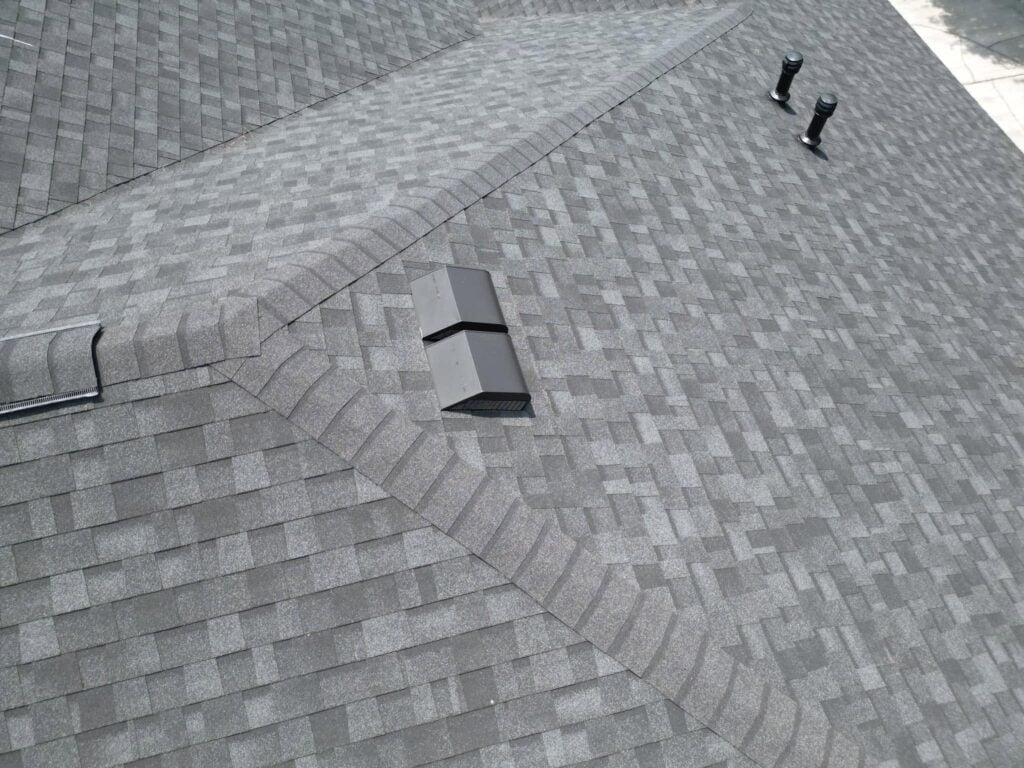
A slant back roof vent is a type of static roof vent installed near the ridge of a sloped roof. Often referred to as an off ridge vent, it features a low-profile, aerodynamic design that allows hot air and moisture to escape while preventing water intrusion.
Unlike powered systems, these vents rely on natural airflow and are commonly used alongside intake ventilation systems to create balanced airflow throughout the attic.
- Low profile design: Blends with roofing materials
- Exhaust ventilation system: Removes hot, humid air
- Heavy duty slant design: Built to handle weather exposure
How Slant Back Roof Vents Work
Slant back roof vents support exhaust ventilation by allowing warm air to rise and exit through the roof, while cooler air enters through intake ventilation. This creates balanced airflow that improves overall roof performance.
- Warm air rises in the attic: Heat naturally builds near the top of the attic space
- Air exits through the slant back vent: The off ridge vent allows hot, humid air to escape
- Cool air enters through intake ventilation: Soffit vents pull in fresh outside air
- Airflow cycle continues: This creates consistent, effective attic ventilation
- Moisture and heat are reduced: Helps prevent mold, rot, and shingle damage
This balance between intake ventilation and exhaust ventilation is essential for maintaining proper attic conditions across different roof pitches.
Slant Back Roof Vent Installation Process
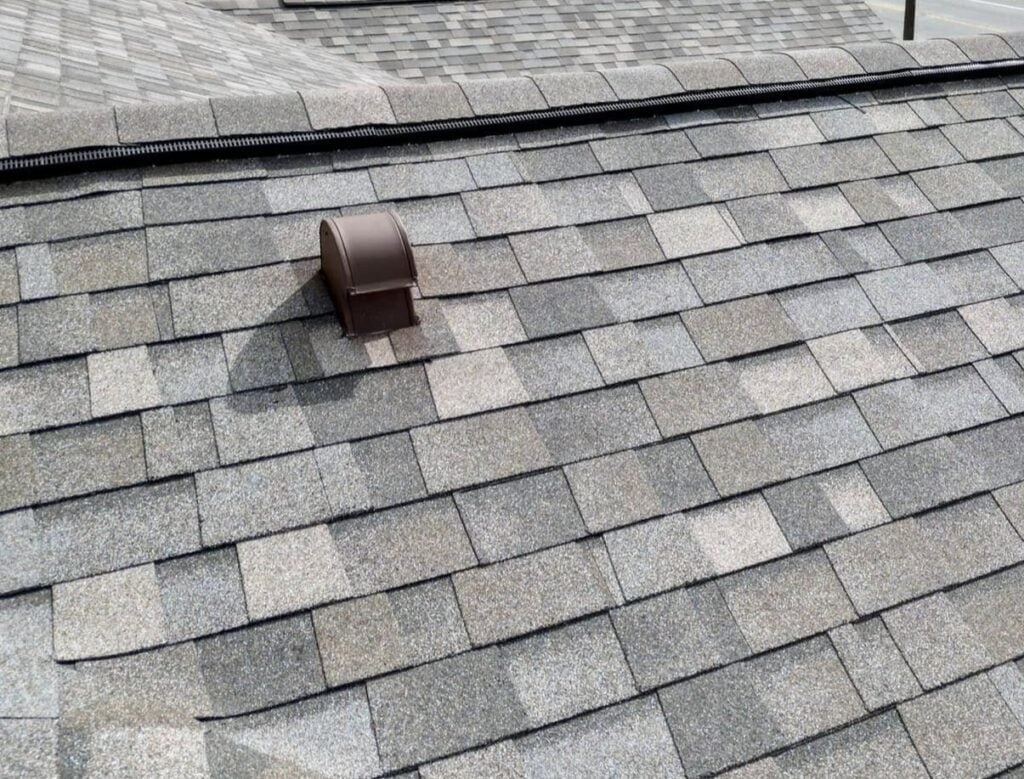
Proper roof vent installation ensures long term performance and helps prevent roof leaks or airflow issues. Installation must account for roof pitches and correct placement.
Roof Preparation
The process begins by identifying the ideal placement near the ridge to maximize airflow.
- Strategic placement: Near the highest point of the roof
- Vent spacing: Ensures even airflow distribution
- Roof pitch considerations: Impacts ventilation performance
Cutting the Vent Opening
An opening is cut into the roof deck to allow airflow. Precision is critical to avoid damaging surrounding roofing shingles.
- Accurate sizing: Ensures proper vent fit
- Clean cuts: Maintains structural integrity
- Deck inspection: Identifies underlying issues
Installing the Vent
The slant back roof vent is secured over the opening using roofing fasteners.
- Secure fasteners: Prevents movement and wind damage
- Correct positioning: Supports proper exhaust ventilation
- Integration with shingles: Maintains roof system integrity
Sealing and Waterproofing
Sealant and flashing are applied to prevent water intrusion and protect the roof.
- Waterproof sealant: Prevents leaks
- Flashing installation: Adds extra protection
- Final inspection: Confirms proper installation
Performance Benefits of Slant Back Roof Vents
Installing a slant back roof vent improves the overall performance of your roofing system by enhancing airflow and moisture control. According to the U.S. Department of Energy, conventional roofs can reach temperatures of 150°F or more on a sunny summer afternoon — and without adequate exhaust ventilation to release that trapped heat, roofing materials, insulation, and HVAC systems all experience significantly accelerated wear and reduced efficiency.
- Effective attic ventilation: Promotes consistent airflow
- Temperature control: Reduces heat buildup
- Moisture prevention: Helps prevent mold and rot
- Energy efficiency: Supports HVAC performance
- Extended roof lifespan: Protects roofing materials
These benefits make proper exhaust ventilation a key part of any roofing system.
When to Install a Slant Back Roof Vent
Slant back vents are ideal in several situations, especially when ventilation improvements are needed.
- Poor attic airflow: Indicates imbalance in intake ventilation and exhaust ventilation
- During roof replacement: Best time to upgrade ventilation
- High humidity climates: Helps manage moisture buildup
- Complex roof pitches: Works well as an off ridge vent solution
Upgrading ventilation during roofing projects ensures better long term performance.
Common Issues With Poor Roof Ventilation
Without proper ventilation, your roof and attic can develop serious problems over time. Poor airflow disrupts the balance between intake ventilation and exhaust ventilation.
- Heat buildup: Increases energy costs
- Moisture accumulation: Leads to mold and wood rot
- Shingle damage: Accelerates wear and deterioration
- Premature roof failure: Shortens lifespan
Addressing ventilation issues early helps prevent costly repairs.
FAQs About Slant Back Roof Vents
Homeowners often have questions about how a slant back roof vent performs and whether it’s the right choice for improving attic ventilation. Because proper roof ventilation directly impacts roof lifespan, energy efficiency, and moisture control, understanding how these roof vents compare to other ventilation systems can help you make a more informed decision.
Are slant back roof vents better than ridge vents?
Both options are effective, but ridge vents provide continuous airflow while slant back vents act as off ridge vent solutions. The right choice depends on your roof design.
How many slant back roof vents do I need?
The number depends on attic size and airflow needs. A balanced system of intake ventilation and exhaust ventilation is essential.
Do slant back roof vents require maintenance?
These vents are low maintenance, but periodic inspections help ensure proper airflow and sealing.
Can slant back roof vents prevent roof damage?
Yes, proper ventilation reduces heat and moisture buildup, helping prevent roof leaks and material damage.
Improve Your Roof Ventilation With Shingle Masters
Proper roof ventilation is essential for maintaining the performance and lifespan of your roofing system. Slant back roof vents provide an effective, low maintenance solution for improving attic airflow and protecting your home.
Shingle Masters provides expert roofing and ventilation solutions tailored to your home’s needs. Whether you’re upgrading ventilation or planning a larger project, our team is here to help.
Reach out today to schedule an inspection and improve your roof’s performance.